
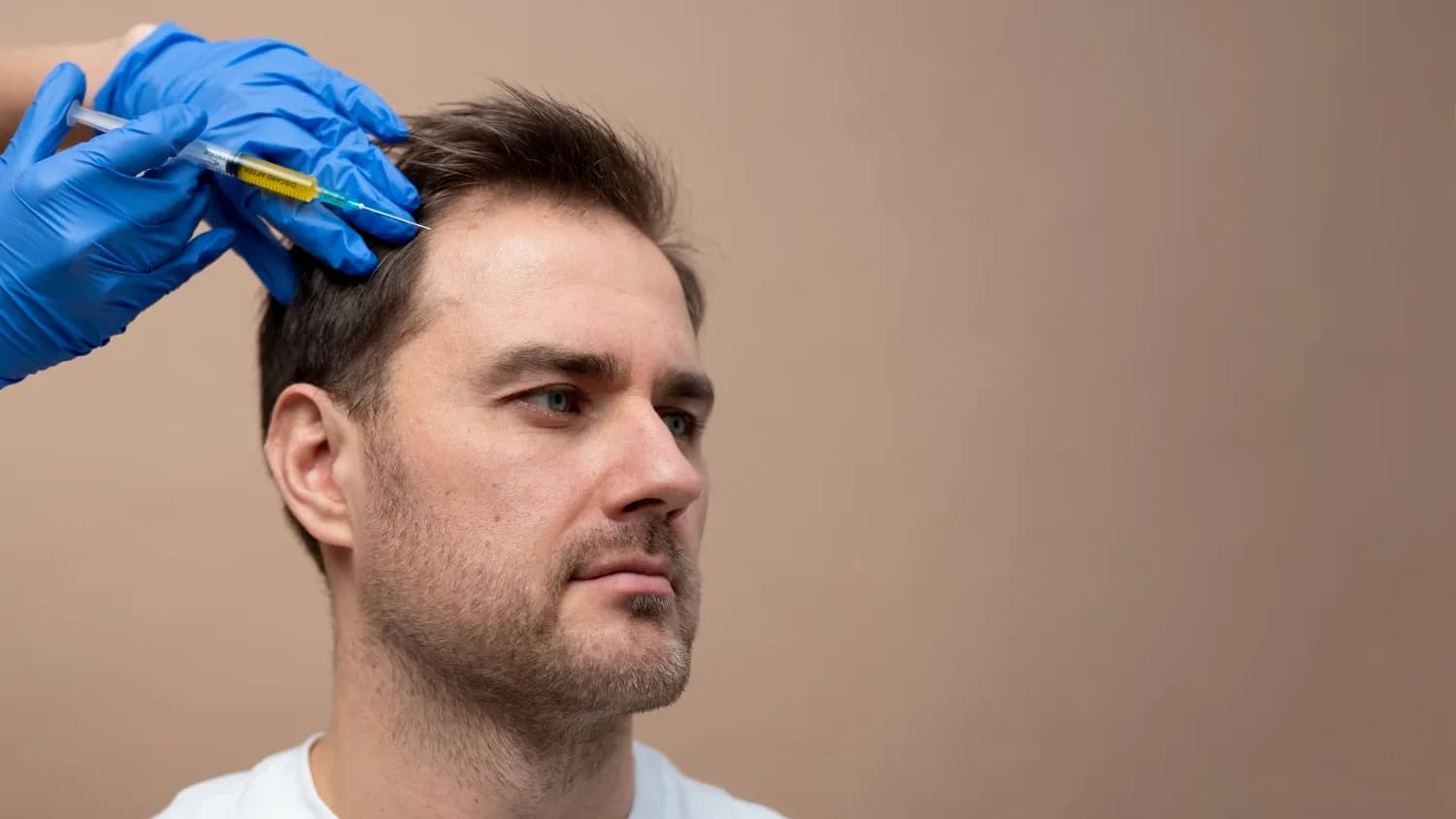
PRF vs PRP: Understanding the Differences, Benefits, and Which Regenerative Treatment Is Right for You
Regenerative medicine now stands at the forefront of modern healthcare. Patients increasingly seek treatments that harness the body's own healing power.
Regenerative medicine now stands at the forefront of modern healthcare. Patients increasingly seek treatments that harness the body's own healing power. Two therapies lead this movement: platelet-rich plasma (PRP) and platelet-rich fibrin (PRF). Both treatments draw from the patient's own blood. Both promise tissue repair and renewal. Yet they differ in preparation, composition, and biological behavior. This article explores PRF vs PRP in depth. We examine how each treatment works. We compare their benefits and limitations. We review the scientific evidence. We help you understand which option aligns with your goals.
What Is PRP?
PRP stands for platelet-rich plasma. It is a concentrated blood product that contains high levels of platelets and growth factors. Physicians prepare PRP by spinning blood at high speed with anticoagulants.
How Do We Define Platelet-Rich Plasma?
Platelet-rich plasma represents a first-generation autologous biologic therapy. Physicians create PRP by concentrating platelets from the patient's own blood. A typical PRP sample contains three to five times more platelets than normal blood. The plasma component carries these platelets along with essential proteins and growth factors. PRP releases platelet-derived growth factor (PDGF), vascular endothelial growth factor (VEGF), transforming growth factor-beta (TGF-β), and epidermal growth factor (EGF). These molecules drive tissue repair and cell proliferation (Marx, 2004).
How Does a Physician Prepare PRP?
The preparation follows a clear sequence. First, the physician draws blood from the patient's arm. Next, the physician adds an anticoagulant such as sodium citrate or acid citrate dextrose. This chemical prevents the blood from clotting during processing. Then the physician places the blood in a centrifuge. The machine spins the blood at high speed, typically 1500 to 3500 revolutions per minute. This high-speed centrifugation separates the blood into layers. The heavy red blood cells sink to the bottom. The platelet-poor plasma rises to the top. The physician extracts the middle layer, which contains the concentrated platelets. Finally, the physician injects this PRP solution into the target tissue (Dohan Ehrenfest et al., 2009).
How Does PRP Actually Work?
PRP works through immediate platelet activation. When platelets encounter tissue, they release their growth factor payload within minutes. This burst of biological signals triggers several healing processes. Angiogenesis begins as new blood vessels form. Fibroblasts multiply and produce collagen. Inflammatory cells migrate to the site. Cell proliferation accelerates. The rapid release makes PRP effective for acute tissue repair. However, this also means the biological activity peaks early and declines relatively quickly (Anitua et al., 2004).
What Is PRF?
PRF stands for platelet-rich fibrin. It is a second-generation platelet concentrate that forms a natural fibrin matrix without anticoagulants. PRF releases growth factors gradually over several days.
How Do We Define Platelet-Rich Fibrin?
Platelet-rich fibrin represents the next evolution in platelet therapy. French surgeon Dr. Joseph Choukroun developed PRF in 2001. Unlike PRP, PRF contains no anticoagulants. The blood clots naturally during preparation. This clotting creates a three-dimensional fibrin matrix. The matrix traps platelets, leukocytes, and cytokines within its structure. PRF contains a higher leukocyte content than PRP. The natural fibrin scaffold supports sustained biological activity (Dohan Ehrenfest et al., 2010).
How Does a Physician Prepare PRF?
The preparation differs significantly from PRP. The physician draws blood without adding any anticoagulants. The blood goes into a glass or plastic tube without chemical additives. Then the physician spins the blood at a slower speed, typically 700 to 1300 revolutions per minute. This slow centrifugation allows the blood to clot gradually. The fibrin network forms naturally during this process. The result is a solid or semi-solid clot rich in platelets and white blood cells. Physicians can also prepare injectable PRF (i-PRF) using modified protocols. i-PRF maintains a liquid consistency while preserving the benefits of the fibrin matrix (Miron et al., 2017).
How Does PRF Actually Work?
PRF works through gradual growth factor release. The fibrin matrix acts as a slow-release delivery system. Platelets within the matrix degranulate over several days rather than minutes. This sustained release creates a longer healing response. Leukocytes within PRF release additional cytokines that modulate inflammation. The fibrin scaffold enhances cellular migration. Fibroblasts attach to the matrix and produce collagen over an extended period. This prolonged activity may support better tissue regeneration in certain applications (Borsani et al., 2020).
What Are the Key Differences Between PRF and PRP?
PRP uses anticoagulants and high-speed centrifugation for immediate growth factor release. PRF uses no additives and slow centrifugation for sustained release through a natural fibrin matrix.
Feature | PRP | PRF |
Preparation process | Blood draw with anticoagulant | Blood draw without additives |
Centrifugation speed | High (1500-3500 rpm) | Low (700-1300 rpm) |
Anticoagulants | Required | None |
Fibrin matrix | Absent | Present |
Platelet concentration | 3-5x baseline | 2-4x baseline |
White blood cells | Variable | Higher content |
Stem cell content | Minimal | Some presence |
Growth factor release | Immediate burst | Gradual over days |
Injection consistency | Liquid | Liquid (i-PRF) or solid |
Treatment longevity | Shorter activity | Longer activity |
Healing response | Rapid onset | Sustained response |
Common applications | Hair, skin, joints, dentistry | Hair, skin, wound healing, dentistry |
This table highlights the fundamental distinctions. PRP offers a well-established protocol with faster preparation. PRF provides a more natural approach with extended biological activity. Both treatments fall under the umbrella of advanced platelet therapy. Both serve as valuable tools in regenerative medicine.
What Biological Differences Separate PRF from PRP?
PRP releases growth factors immediately while PRF releases them gradually. PRF contains a natural fibrin scaffold and more leukocytes. These differences affect how each therapy repairs tissue.
How Does Growth Factor Release Differ?
PRP delivers an immediate surge of growth factors. Platelets degranulate within minutes of activation. This rapid release benefits acute injuries that need quick biological signaling. PRF releases growth factors slowly. The fibrin matrix controls the degranulation rate. Studies show PRF maintains measurable growth factor levels for up to seven days. PRP levels drop significantly after the first 24 hours. This difference shapes treatment selection for various conditions (Kobayashi et al., 2012).
Why Does the Fibrin Network Matter?
The fibrin scaffold in PRF serves multiple purposes. It physically supports the platelets and leukocytes. It creates a three-dimensional structure that cells can migrate through. It binds growth factors and prevents their rapid diffusion. The scaffold mimics natural wound healing. In normal tissue repair, fibrin forms the initial matrix that guides cell behavior. PRF replicates this natural process more closely than PRP (Ghanaati et al., 2014).
What Cellular Components Differ?
Both therapies contain platelets. Both contain plasma proteins. However, PRF retains more leukocytes. These white blood cells release cytokines and antimicrobial peptides. They help regulate the inflammatory response. PRF also preserves more of the natural blood components because it avoids anticoagulant chemicals. The cellular milieu in PRF more closely resembles natural tissue conditions (Dohan Ehrenfest et al., 2012).
How Do Tissue Regeneration Mechanisms Compare?
PRP triggers rapid cell signaling. The immediate growth factor burst activates fibroblasts and endothelial cells quickly. This works well for applications needing fast response. PRF supports slower, more sustained regeneration. The fibrin matrix allows cells to infiltrate gradually. Angiogenesis proceeds over a longer timeframe. Matrix remodeling continues for days rather than hours. Both mechanisms have value. The choice depends on the clinical goal (Rendu and Bottazzi, 2017).
How Does PRF vs PRP Compare for Hair Loss?
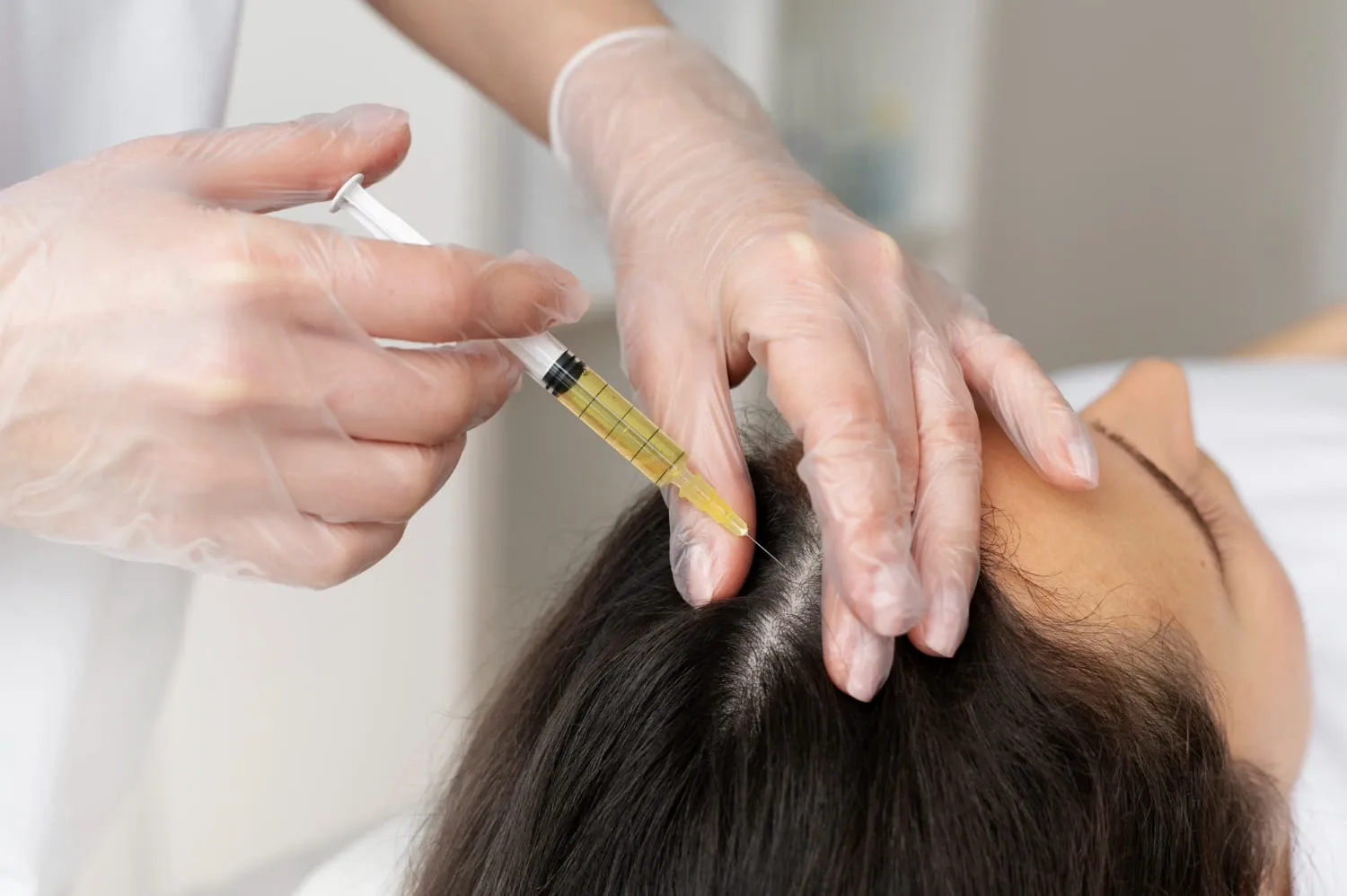
Both treatments stimulate hair follicles and improve blood supply. PRP has more clinical studies for androgenetic alopecia. PRF may offer longer-lasting effects due to sustained growth factor release.
How Do Both Treatments Support Hair Growth?
Hair follicles need adequate blood supply and proper signaling to function. Both PRP and PRF deliver these requirements. The growth factors in both therapies stimulate dormant hair follicle stem cells. VEGF improves blood vessel formation around follicles. PDGF encourages cell division in the follicle bulb. Both treatments reduce local inflammation. Chronic inflammation contributes to hair loss in androgenetic alopecia. By modulating the inflammatory environment, both therapies create better conditions for hair regeneration (Gentile et al., 2015).
Why Does PRP Work Well for Hair Restoration?
PRP boasts extensive clinical history for hair loss. Researchers have published hundreds of studies on PRP for androgenetic alopecia. The treatment suits patients with early to moderate hair thinning. The preparation takes less time than PRF. Many physicians feel comfortable with PRP protocols. The liquid consistency allows precise injection into the scalp. PRP works particularly well for patients who need a series of treatments over time (Cervelli et al., 2014).
Why Might PRF Offer Advantages for Hair Restoration?
PRF provides longer growth factor release. Hair follicles benefit from sustained biological signaling. The improved follicular environment may support better long-term results. Some practitioners report that PRF requires fewer sessions than PRP for comparable outcomes. The higher leukocyte content may further reduce scalp inflammation. Patients seeking longer-lasting regenerative effects may prefer PRF. However, direct comparative studies for hair loss remain limited (Stevens and Khetarpal, 2019).
What Does Current Clinical Evidence Show?
Several studies compare PRF and PRP directly. A 2020 study found both treatments improved hair density. PRF showed slightly better results at six months in some parameters. However, the evidence base for PRP remains larger. More randomized controlled trials support PRP for hair loss. Researchers call for larger comparative studies to define optimal protocols. Both treatments show promise. Neither has emerged as clearly superior for all hair loss types (Gupta et al., 2020).
How Does PRF vs PRP Compare for Facial Rejuvenation?
Both treatments improve skin texture and reduce wrinkles. PRP has more evidence for facial rejuvenation. PRF may produce more collagen due to sustained growth factor release and fibrin scaffold support.
Can Both Treatments Improve Skin Texture?
Yes. Both PRP and PRF enhance skin quality. The growth factors stimulate fibroblasts. Fibroblasts produce collagen and elastin. These proteins give skin its firmness and elasticity. Patients notice smoother skin after either treatment. The improvements typically appear gradually over several weeks (Alam et al., 2010).
How Do They Address Fine Lines and Wrinkles?
PRP injections fill fine lines partially through volume addition. The growth factors then remodel the surrounding tissue. PRF may offer better wrinkle reduction in some cases. The fibrin matrix provides structural support. The sustained release allows deeper tissue remodeling. Both treatments work best for mild to moderate wrinkles. Deep folds may need additional interventions (Redaelli et al., 2010).
Which Treatment Works Better for Under-Eye Rejuvenation?
PRF shows particular promise for under-eye treatment. The delicate under-eye skin benefits from gentle, sustained stimulation. The fibrin matrix in PRF provides subtle volume. The gradual growth factor release avoids overstimulation of this sensitive area. PRP also works for under-eye rejuvenation. However, some practitioners prefer PRF for this specific application. The natural composition reduces the risk of adverse reactions (Kang et al., 2019).
Which Treatment Produces More Collagen?
PRF may stimulate more collagen over time. The fibrin scaffold supports fibroblast attachment. The sustained growth factor release maintains collagen production for days. PRP triggers an initial collagen surge. The total collagen production may favor PRF in some studies. However, both treatments significantly increase collagen synthesis compared to baseline. The difference may depend on injection technique and patient factors (Sclafani, 2005).
How Do They Improve Acne Scars?
Both treatments help acne scars. PRP injections break down scar tissue mechanically. The growth factors then remodel the area. PRF may provide better results for deep scars. The fibrin matrix fills some of the volume deficit. The leukocytes help resolve residual inflammation. Combination with microneedling enhances results for both therapies. Microneedling creates channels that allow deeper penetration of the platelet products (Ibrahim et al., 2017).
Should Patients Combine These Treatments with Microneedling?
Yes. Microneedling combined with PRP or PRF produces superior results. The micro-injuries from needling trigger additional healing responses. The platelet products penetrate deeper through the created channels. Studies show combination therapy outperforms either treatment alone. The synergy between mechanical stimulation and biological signaling accelerates skin renewal. Both PRP and PRF work well with microneedling protocols (Chawla, 2014).
What Other Medical Applications Use PRF and PRP?
Both therapies serve orthopedics, sports medicine, dentistry, wound healing, and plastic surgery. PRP has broader adoption. PRF gains traction in dental and oral surgery applications.
How Do Orthopedic Physicians Use These Treatments?
Orthopedic specialists inject PRP into joints and tendons. The therapy treats osteoarthritis, tennis elbow, and rotator cuff injuries. PRP reduces pain and improves function. PRF shows promise for cartilage repair. The fibrin matrix may support stem cell recruitment. Both treatments fall under orthobiologics. This field uses biological substances to treat musculoskeletal conditions (Sampson et al., 2010).
How Does Sports Medicine Apply These Therapies?
Athletes use PRP to speed recovery from ligament and tendon injuries. The rapid growth factor release supports quick healing. PRF may help with chronic overuse injuries. The sustained release matches the longer healing timeline of chronic conditions. Both treatments allow faster return to activity compared to surgery alone. Sports medicine physicians value the minimally invasive nature of these therapies (Mishra et al., 2009).
Why Do Dentists Prefer PRF for Oral Surgery?
Dentistry and oral surgery represent major PRF applications. The fibrin matrix in PRF works exceptionally well for socket preservation. After tooth extraction, PRF fills the socket and promotes bone regeneration. The natural clotting properties suit dental procedures. PRP also serves dental applications. However, PRF has become the standard in many oral and maxillofacial surgery practices. The absence of anticoagulants simplifies handling (Del Corso et al., 2012).
How Do These Treatments Accelerate Wound Healing?
Both PRP and PRF improve wound healing. PRP works well for chronic wounds that need immediate biological stimulation. PRF suits surgical wounds that benefit from sustained support. The leukocytes in PRF fight infection. The fibrin matrix protects the wound bed. Both treatments reduce healing time. They improve final scar quality. Wound care specialists increasingly incorporate these autologous options (Carter et al., 2011).
How Does Plastic Surgery Use PRP and PRF?
Plastic surgeons add PRP to fat grafting procedures. The growth factors improve fat cell survival. PRF may provide better structural support in facial volumization. Both treatments enhance outcomes in facelift and blepharoplasty procedures. They improve skin quality after surgery. The applications in plastic surgery continue to expand as techniques evolve (Rubinstein, 2019).
What Does Scientific Evidence Say About PRF vs PRP?
PRP has more clinical trials and meta-analyses. PRF shows promising laboratory results. Both therapies demonstrate safety and efficacy. Direct comparative studies remain limited but growing.
What Do Laboratory Studies Reveal?
In vitro studies show both therapies increase cell proliferation. PRP triggers faster initial responses. PRF maintains activity longer. Researchers observe that PRF releases VEGF and PDGF over extended periods. PRP shows higher peak concentrations but faster decline. Laboratory data support the clinical observation that PRF offers sustained activity. These findings guide protocol development for different applications (Dohan Ehrenfest et al., 2012).
What Do Clinical Trials Show?
Clinical trials support PRP for hair loss, facial rejuvenation, and orthopedic conditions. The evidence quality varies. Many studies lack proper controls. PRF clinical trials are fewer but increasing. Early PRF trials show comparable or superior results in some applications. Dental studies particularly favor PRF. Hair and facial studies show mixed results when comparing the two directly. Larger randomized trials will clarify optimal use cases (Pietrzak and Eppley, 2005).
What Do Meta-Analyses Conclude?
Meta-analyses confirm PRP efficacy for androgenetic alopecia. The pooled data show significant hair density improvements. Meta-analyses for PRF remain limited due to fewer available studies. Early meta-analyses suggest PRF may offer advantages in wound healing and dental applications. Both therapies demonstrate safety across multiple meta-analyses. The call for more head-to-head comparisons appears consistently in review articles (Gupta et al., 2019).
What Is the Current Scientific Consensus?
The scientific community agrees on several points. Both PRP and PRP use the patient's own blood. Both deliver growth factors that support healing. PRP has a longer clinical track record. PRF offers theoretical advantages through sustained release and fibrin scaffold. Direct comparisons remain insufficient for definitive recommendations. Individual patient factors influence outcomes. Future research should focus on standardized protocols and long-term comparative data (Mazzucco et al., 2021).
What Benefits Does PRP Offer?
PRP offers well-established protocols, broad clinical evidence, faster preparation, wide availability, and proven effectiveness for multiple conditions.
Physicians have used PRP for decades. The extensive clinical history gives patients confidence. Multiple medical specialties adopted PRP successfully. The preparation takes minutes rather than hours. Most clinics offer PRP due to its established protocols. The treatment works for hair restoration, skin rejuvenation, joint pain, and more. Patients appreciate the minimally invasive nature. The broad evidence base supports informed decision-making. PRP remains the most accessible regenerative treatment for most patients (Marx, 2004).
What Benefits Does PRF Offer?
PRF contains no anticoagulants, forms a natural fibrin scaffold, releases growth factors longer, contains more leukocytes, and may provide prolonged regenerative activity.
PRF appeals to patients seeking natural treatments. The absence of chemical additives reduces concern about foreign substances. The fibrin matrix creates a biological scaffold that supports cell migration. The sustained growth factor release may produce better long-term results. The higher leukocyte content adds immune-modulating benefits. Some patients report longer-lasting improvements with PRF. The preparation, while more technique-sensitive, yields a product closer to natural healing conditions. These advantages make PRF an attractive option for specific applications (Dohan Ehrenfest et al., 2010).
What Limitations Should Patients Know About PRP?
PRP releases growth factors rapidly, has shorter biological activity, requires anticoagulants, and shows variable platelet concentration between preparations.
The rapid growth factor release means the biological window is shorter. Some patients need more frequent treatments. The anticoagulants, while safe, add a chemical component. Platelet concentration varies significantly between patients and preparation methods. Standardization remains a challenge. Some PRP systems produce lower concentrations than others. Patients should ask about the specific preparation protocol. These limitations do not diminish PRP's value. They simply inform realistic expectations (Anitua et al., 2004).
What Limitations Should Patients Know About PRF?
PRF requires time-sensitive preparation, yields smaller injectable volumes, demands precise technique, and lacks the long-term clinical evidence that PRP has.
The blood must process quickly after collection. Delays reduce fibrin quality. The solid or semi-solid form limits injection volume compared to liquid PRP. Physicians need specific training for optimal PRF preparation. The clinical evidence, while growing, does not yet match PRP's extensive history. Patients may find fewer providers offering PRF. These factors influence treatment accessibility and consistency (Miron et al., 2017).
Who Makes a Good Candidate for PRP?
Good candidates include patients with early hair loss, mild skin aging, tendon injuries, and those seeking minimally invasive treatment.
Patients in the early stages of androgenetic alopecia respond well to PRP. The treatment works best before follicles become permanently damaged. Individuals with mild to moderate skin aging see noticeable improvements. Athletes with tendon injuries benefit from the rapid healing signals. Patients who want effective treatment without surgery choose PRP. A consultation determines individual suitability. Blood tests may screen for platelet disorders. Overall health status affects outcomes (Cervelli et al., 2014).
Who Benefits More from PRF?
PRF suits patients wanting longer regenerative effects, under-eye rejuvenation, facial volume improvement, hair restoration, and those preferring additive-free biologic therapies.
Patients seeking sustained results may prefer PRF. The gradual release aligns with goals of long-term improvement. Under-eye rejuvenation particularly benefits from PRF's gentle, sustained action. Facial volume improvement works well with the fibrin matrix support. Hair restoration candidates who want fewer sessions may choose PRF. Patients concerned about chemical additives appreciate PRF's natural composition. The decision depends on specific goals and physician assessment (Stevens and Khetarpal, 2019).
What Can Patients Expect During PRF and PRP Procedures?
Both procedures involve consultation, blood collection, centrifugation, injection, and recovery. PRP preparation is faster. PRF requires more precise timing.
What Happens During the Consultation?
The physician reviews medical history. They examine the treatment area. They discuss goals and expectations. They explain the chosen therapy. They answer questions. They obtain informed consent. This step ensures patient safety and treatment appropriateness.
How Does Blood Collection Work?
The physician draws blood from a vein in the arm. The amount varies by treatment area. Typically, the physician collects 10 to 60 milliliters. The process feels similar to a standard blood test. Topical numbing cream may reduce discomfort.
How Does Centrifugation Differ Between the Two?
For PRP, the physician adds anticoagulant and spins at high speed. The process takes about 10 to 15 minutes. For PRF, the physician uses no additives and spins at low speed. The process takes about 12 to 15 minutes. Timing matters more for PRF. The physician must process the blood quickly to preserve fibrin quality.
How Does the Injection Process Work?
The physician may apply topical anesthetic. They inject the platelet product into the target tissue. For hair, injections go into the scalp. For skin, injections go into the dermis. The procedure takes 30 to 60 minutes. Patients feel pressure and mild discomfort. Most tolerate the procedure well.
What Does Recovery Involve?
Patients resume normal activities immediately. Some swelling and redness occur. These effects resolve within 24 to 72 hours. Patients should avoid strenuous exercise for 24 hours. They should avoid sun exposure on treated areas. Makeup can usually resume after 24 hours for facial treatments.
What Aftercare Do Patients Need?
Patients should stay hydrated. They should avoid anti-inflammatory medications for a few days. These drugs might interfere with the healing process. They should follow specific instructions from their provider. Gentle care of the treated area supports optimal results.
How Safe Are PRF and PRP Treatments?
Both treatments are very safe. They use the patient's own blood, eliminating allergy risk. Side effects are usually mild and temporary.
What Common Side Effects Occur?
Swelling happens frequently. It resolves within days. Bruising may appear at injection sites. It fades within a week. Tenderness affects the treated area temporarily. Redness occurs after facial treatments. It typically disappears within 24 hours. These effects indicate the body's healing response. They do not usually require treatment (Alam et al., 2010).
What Rare Complications Might Happen?
Infection remains extremely rare. Proper sterile technique prevents this complication. Some patients experience injection-site discomfort. It resolves with time. Uneven response can occur. Some areas respond better than others. Proper technique and follow-up care minimize these issues.
Who Should Avoid These Treatments?
Patients with platelet disorders should not undergo these therapies. Active infections in the treatment area require postponement. Certain blood disorders contraindicate treatment. Patients on anticoagulant therapy need careful evaluation. The physician assesses each case individually. Safety remains the top priority (Mazzucco et al., 2021).
What Factors Affect the Cost of PRF and PRP?
Geographic location, provider expertise, number of sessions, treatment indication, and combination therapies all influence price. Exact costs vary widely.
Urban centers typically charge more than rural areas. Experienced providers may command higher fees. Multiple sessions increase total cost. Hair restoration usually requires a series of treatments. Facial rejuvenation may need fewer sessions. Combining with other therapies like microneedling adds cost. Patients should discuss pricing during consultation. Insurance rarely covers these cosmetic applications. Medical indications may receive partial coverage depending on the region and policy.
How Should Patients Choose Between PRF and PRP?
Patients should consider treatment goals, clinical diagnosis, physician recommendation, available evidence, personal preference, and budget.
Clear treatment goals guide selection. Hair loss patients may start with PRP due to its evidence base. Patients wanting natural, additive-free options may prefer PRF. The clinical diagnosis matters. Some conditions respond better to one therapy. The physician's experience and recommendation carry weight. They know which protocol works best in their hands. Available evidence supports PRP for more indications currently. Patient preference regarding natural composition influences choice. Budget considerations affect the decision, especially for multiple sessions. The best choice emerges from collaborative discussion between patient and provider (Gupta et al., 2020).
Frequently Asked Questions
Is PRF Better Than PRP?
No single answer fits all patients. PRF offers sustained release and a natural scaffold. PRP provides rapid action and extensive clinical validation. The better choice depends on the specific condition and patient goals. Both therapies deliver meaningful results.
Does PRF Last Longer Than PRP?
PRF may provide longer biological activity due to sustained growth factor release. Some patients report longer-lasting results with PRF. However, direct comparative longevity studies remain limited. Individual response varies significantly.
Which Treatment Works Better for Hair Loss?
PRP currently has more clinical evidence for hair loss. Multiple studies support its efficacy for androgenetic alopecia. PRF shows promise but needs more comparative research. Both treatments improve hair density and quality.
Which Treatment Produces More Collagen?
PRF may stimulate more collagen over time. The fibrin scaffold supports extended fibroblast activity. PRP triggers strong initial collagen production. Both treatments significantly increase collagen compared to baseline.
How Many Sessions Do Physicians Usually Recommend?
Hair restoration typically requires three to six initial sessions. Maintenance sessions follow every four to six months. Facial rejuvenation may need two to three sessions initially. Maintenance occurs every six to twelve months. The exact protocol varies by provider and patient response.
Can Physicians Combine PRF and PRP?
Yes. Some practitioners use both therapies strategically. They might use PRP for initial stimulation and PRF for sustained support. Combination protocols are evolving. Research on optimal combined approaches continues.
Is PRF More Natural Than PRP?
PRF contains no anticoagulants or chemical additives. The blood clots naturally. The fibrin matrix forms without external manipulation. This makes PRF more natural in composition. PRP requires anticoagulants for preparation.
Are PRF Injections Painful?
Most patients report mild discomfort. The sensation feels like small pinches. Topical anesthetic reduces pain significantly. PRF may cause slightly more pressure due to its consistency. Overall, both treatments are well-tolerated.
When Will Patients See Results?
Initial improvements appear within four to six weeks. Full results develop over three to six months. Hair growth takes longer to become visible. Skin improvements may show sooner. Multiple sessions produce cumulative benefits.
Which Treatment Has More Scientific Evidence?
PRP has significantly more published studies. Decades of research support its use. Meta-analyses confirm efficacy for multiple conditions. PRF evidence is growing but remains smaller in volume. Both therapies demonstrate safety in available studies.
Conclusion
PRF vs PRP represents an important comparison in regenerative medicine. Both therapies harness the healing power of the patient's own blood. Both support tissue repair, hair restoration, skin rejuvenation, and wound healing. PRP offers a well-established treatment with extensive clinical validation. Its rapid growth factor release benefits acute conditions. Its widespread availability makes it accessible to many patients. PRF provides a more natural approach with sustained biological activity. The fibrin matrix creates a scaffold for prolonged regeneration. The absence of anticoagulants appeals to patients seeking pure autologous therapy.
The choice between these treatments does not require declaring one universally superior. Medical evaluation, treatment goals, and scientific evidence should guide the decision. Patients with early hair loss may benefit from PRP's proven track record. Patients seeking longer-lasting facial rejuvenation may prefer PRF's sustained release. Athletes with acute injuries might choose PRP for rapid response. Dental patients often receive excellent outcomes with PRF's natural clotting properties.
Regenerative medicine continues to evolve. Both PRP and PRF will likely see expanded applications. Future research will clarify optimal protocols and comparative effectiveness. For now, patients should consult qualified providers. They should discuss their specific goals. They should review the available evidence. They should make informed decisions based on individual circumstances rather than trends.
The field of platelet concentrate therapy offers genuine promise. Whether through PRP's immediate action or PRF's sustained support, patients can access powerful tools for natural healing and renewal.
References
Alam, Murad, et al. "Platelet-Rich Plasma for the Treatment of Wrinkles and Photoaging." Journal of Cosmetic Dermatology, vol. 9, no. 2, 2010, pp. 101-105.
Anitua, Eduardo, et al. "Autologous Platelets as a Source of Proteins for Healing and Tissue Regeneration." Thrombosis and Haemostasis, vol. 91, no. 1, 2004, pp. 4-15.
Borsani, Elisa, et al. "Platelet-Rich Fibrin as a Bioactive Surgical Additive for Tissue Regeneration." Materials, vol. 13, no. 10, 2020, p. 2294.
Carter, Marquez J., et al. "Autologous Platelet-Rich Wound Therapy." Advances in Skin & Wound Care, vol. 24, no. 5, 2011, pp. 218-224.
Cervelli, Valerio, et al. "The Effect of Autologous Activated Platelet Rich Plasma (AA-PRP) Injection on Pattern Hair Loss." Dermatologic Therapy, vol. 27, no. 5, 2014, pp. 308-312.
Chawla, Saurabh. "Split Face Study on Efficacy of Microneedling with PRP in Acne Scars." Journal of Cutaneous and Aesthetic Surgery, vol. 7, no. 4, 2014, pp. 209-211.
Del Corso, Marco, et al. "Current Knowledge and Perspectives for the Use of Platelet-Rich Plasma in Dentistry." Journal of Oral and Maxillofacial Surgery, vol. 70, no. 8, 2012, pp. 1940-1956.
Dohan Ehrenfest, David M., et al. "Platelet-Rich Plasma: Growth Factors and Pro-Inflammatory Molecules." Oral Surgery, Oral Medicine, Oral Pathology and Oral Radiology, vol. 107, no. 5, 2009, pp. 661-669.
Dohan Ehrenfest, David M., et al. "Classification of Platelet Concentrates from Pure Platelet-Rich Plasma to Leukocyte- and Platelet-Rich Fibrin." Trends in Biotechnology, vol. 28, no. 3, 2010, pp. 158-167.
Dohan Ehrenfest, David M., et al. "Platelet-Rich Fibrin: Second-Generation Platelet Concentrate." Oral Surgery, Oral Medicine, Oral Pathology, Oral Radiology, and Endodontology, vol. 114, no. 1, 2012, pp. e1-e10.
Ghanaati, Shahram, et al. "Advanced Platelet-Rich Fibrin: A New Concept for Cell-Based Tissue Engineering." Tissue Engineering Part C: Methods, vol. 20, no. 5, 2014, pp. 428-439.
Gentile, Pietro, et al. "The Effects of Platelet-Rich Plasma in Hair Regrowth." Stem Cells Translational Medicine, vol. 4, no. 11, 2015, pp. 1317-1323.
Gupta, Aditya K., et al. "Efficacy of Platelet-Rich Plasma in Hair Loss." Journal of Cutaneous and Aesthetic Surgery, vol. 12, no. 1, 2019, pp. 16-24.
Gupta, Aditya K., et al. "A Systematic Review of Platelet-Rich Plasma for Hair Loss." Dermatologic Surgery, vol. 46, no. 1, 2020, pp. 94-103.
Ibrahim, Zeinab K., et al. "Platelet-Rich Plasma for the Treatment of Acne Scars." Journal of Cosmetic Dermatology, vol. 16, no. 4, 2017, pp. 524-533.
Kang, Byung-Woo, et al. "Platelet-Rich Fibrin for Under-Eye Rejuvenation." Aesthetic Plastic Surgery, vol. 43, no. 5, 2019, pp. 1221-1228.
Kobayashi, Eizaburo, et al. "Comparative Release of Growth Factors from PRP and PRF." Implant Dentistry, vol. 21, no. 2, 2012, pp. 148-153.
Marx, Robert E. "Platelet-Rich Plasma: Evidence to Support Its Use." Journal of Oral and Maxillofacial Surgery, vol. 62, no. 4, 2004, pp. 489-496.
Mazzucco, Laura, et al. "Safety and Efficacy of Platelet-Rich Preparations." Transfusion and Apheresis Science, vol. 60, no. 3, 2021, p. 103100.
Miron, Richard J., et al. "Injectable Platelet-Rich Fibrin: Cell-Biology and Clinical Applications." Biomaterials, vol. 132, 2017, pp. 176-185.
Mishra, Allan, et al. "Treatment of Tendon and Muscle Using Platelet-Rich Plasma." Clinics in Sports Medicine, vol. 28, no. 1, 2009, pp. 113-125.
Pietrzak, William S., and Eppley, Barry L. "Scientific Foundations for Clinical Use of Platelet-Rich Plasma." Journal of Craniofacial Surgery, vol. 16, no. 6, 2005, pp. 1043-1054.
Redaelli, Angelo, et al. "Autologous Platelet-Rich Plasma for the Treatment of Facial Wrinkles." Journal of Cosmetic Dermatology, vol. 9, no. 4, 2010, pp. 266-272.
Rendu, Francine, and Bottazzi, Marie-Eve. "Platelet-Derived Growth Factors and Tissue Regeneration." Growth Factors, vol. 35, no. 4-5, 2017, pp. 181-193.
Rubinstein, Samuel M. "Platelet-Rich Plasma in Plastic Surgery." Aesthetic Surgery Journal, vol. 39, no. 8, 2019, pp. 859-872.
Sampson, Steven, et al. "Platelet-Rich Plasma Injection for Chronic Achilles Tendinopathy." JAMA, vol. 303, no. 2, 2010, pp. 144-149.
Sclafani, Anthony P. "Platelet-Rich Fibrin Matrix for Facial Rejuvenation." Archives of Facial Plastic Surgery, vol. 7, no. 5, 2005, pp. 327-331.
Stevens, Jennifer, and Khetarpal, Sameer. "Platelet-Rich Fibrin for Hair Restoration." Dermatologic Surgery, vol. 45, no. 7, 2019, pp. 1019-1023.