
What Is PRF Hair Treatment?
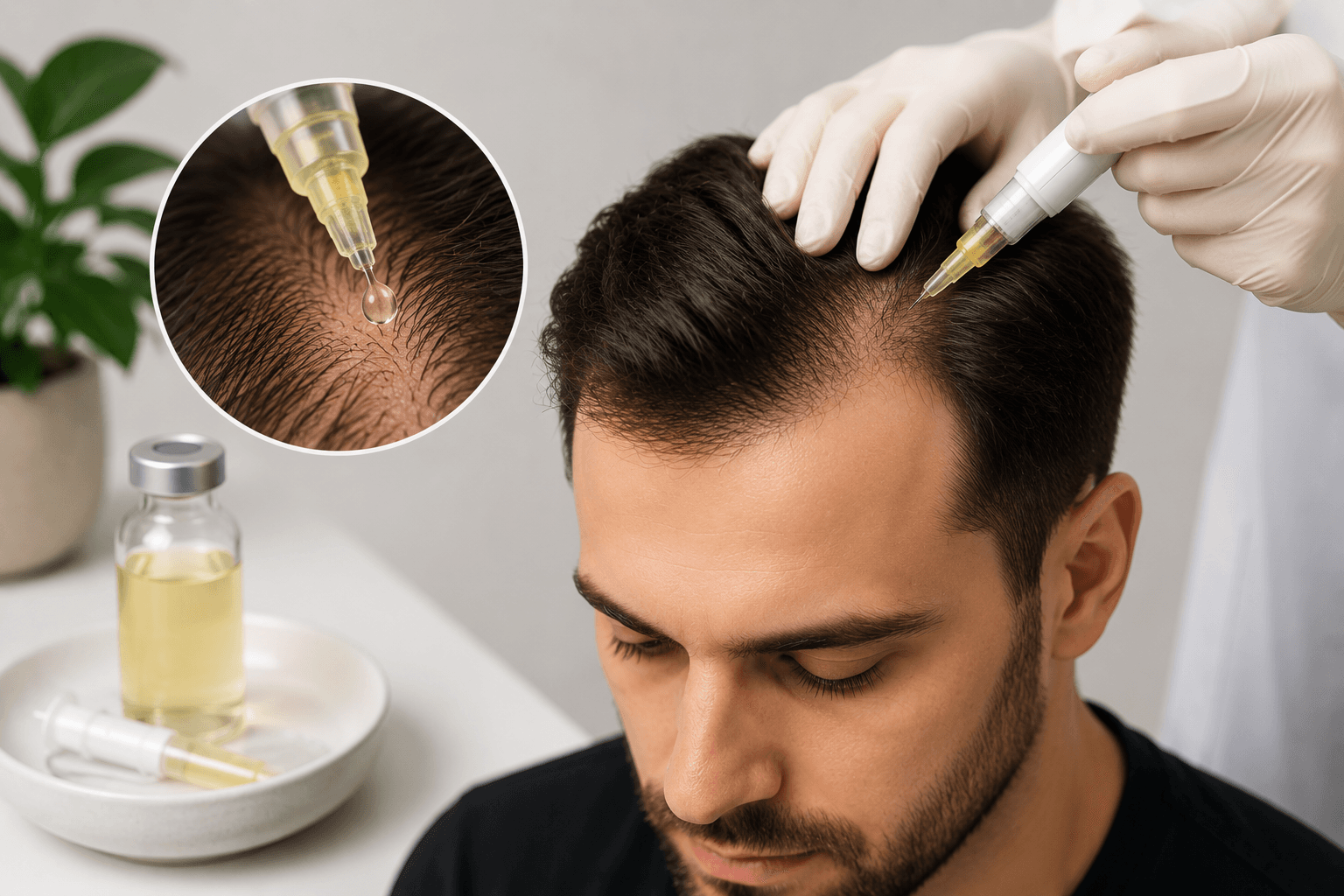
Platelet-Rich Fibrin (PRF) hair treatment uses your own blood to stimulate hair growth. Doctors draw a small amount of blood from your arm.
Platelet-Rich Fibrin (PRF) hair treatment uses your own blood to stimulate hair growth. Doctors draw a small amount of blood from your arm. They spin it in a centrifuge at a low speed. This process creates a fibrin-rich concentrate full of growth factors. They inject this concentrate into your scalp. PRF belongs to the field of regenerative medicine. It offers a non-surgical approach to hair restoration. PRF differs from PRP because it contains no anticoagulants. It forms a natural fibrin scaffold. This scaffold releases growth factors slowly over time. PRF uses only your own blood. It contains no synthetic chemicals. People with early hair thinning often benefit the most. This article explains how PRF works. It covers who qualifies for treatment. It describes what happens during sessions. It reviews scientific evidence. It answers common questions. By the end, you will understand whether PRF fits your hair restoration goals.
What Is PRF Hair Treatment?
PRF hair treatment stands for Platelet-Rich Fibrin hair treatment. It represents a second-generation platelet concentrate. It evolved from earlier PRP technology. PRF harnesses the healing power of your own blood cells. It delivers growth factors directly to hair follicles. This process supports natural hair regeneration.
What Does PRF Stand For?
PRF stands for Platelet-Rich Fibrin. It is an autologous blood product. Autologous means it comes from your own body. Doctors prepare PRF from a small blood sample. The sample contains platelets, leukocytes, and fibrin. Platelets release growth factors. Leukocytes fight infection and support healing. Fibrin forms a natural scaffold. This scaffold holds the active components together. PRF builds upon PRP technology. PRP first emerged in the 1970s. PRF arrived later with improved processing methods. Ghanaati introduced the low-speed centrifugation concept. Lower speeds preserve more cells in the final product. This innovation makes PRF a more advanced option. Mohale et al. (2024) describe PRF as a second-generation concentrate with rich growth factor content. It promotes healing and tissue regeneration across multiple medical fields.
How Is PRF Prepared?
Doctors follow a strict four-step process to prepare PRF. First, they collect blood from your arm. They use a standard venipuncture technique. They draw between 10 to 20 milliliters of blood. Second, they place the blood into special tubes. These tubes contain no anticoagulants. No additives enter your blood. Third, they spin the tubes in a centrifuge. They use a low-speed setting. The speed typically ranges from 700 to 1500 revolutions per minute. They spin the blood for about 8 to 12 minutes. The low speed separates blood components gently. Fourth, the blood forms three layers. The bottom layer contains red blood cells. The middle layer contains the PRF clot. The top layer contains clear plasma. Doctors collect the PRF clot and the adjacent platelet-rich layer. They transfer this material into a syringe. The fibrin matrix forms naturally. No artificial activators trigger this process. The entire preparation takes about 15 to 20 minutes.
What Makes PRF Different From Traditional Regenerative Therapies?
PRF differs from PRP and other therapies in several key ways. PRF contains no anticoagulants. PRP requires anticoagulants like sodium citrate. PRF forms a natural fibrin scaffold. PRP remains in liquid form. PRF releases growth factors slowly. PRP releases them rapidly. PRF contains higher concentrations of leukocytes. These white blood cells support immune defense. PRF also retains more stem cells and CD34+ progenitor cells. These cells play a vital role in tissue regeneration. PRF maintains biological activity longer. Studies show PRF continues releasing growth factors for days or even weeks. PRP activity drops much sooner. The fibrin matrix in PRF acts as a natural delivery system. It protects growth factors. It ensures they reach target tissues gradually. This sustained release creates a more favorable environment for hair follicle recovery.
How Does PRF Hair Treatment Work?
PRF works by delivering concentrated growth factors to your scalp. These growth factors communicate with hair follicles. They trigger cellular repair. They improve blood flow. They reduce inflammation. Together, these actions create ideal conditions for hair regrowth.
How Do Growth Factors Stimulate Hair Follicles?
PRF contains several powerful growth factors. Each one plays a specific role in hair restoration.
Platelet-Derived Growth Factor (PDGF) activates cells around hair follicles. It binds to PDGFR-β receptors. This action stimulates endothelial cells and dermal stem cells. It promotes new blood vessel formation. It maintains the structural stability of hair follicles.
Vascular Endothelial Growth Factor (VEGF) enhances angiogenesis. Angiogenesis means the formation of new blood vessels. VEGF activates endothelial cells. It promotes their proliferation and migration. It improves nutrient delivery to follicles. It also helps transition hair follicles from the resting phase to the growth phase.
Transforming Growth Factor-Beta (TGF-β) coordinates cell communication within follicles. It upregulates alkaline phosphatase activity. It activates the SMAD signaling pathway. This pathway supports hair follicle morphogenesis and maturation.
Insulin-Like Growth Factor (IGF) extends the anagen phase. The anagen phase is the active growth phase of hair. IGF possesses anti-apoptotic properties. It prevents premature cell death. It keeps follicles growing longer.
Epidermal Growth Factor (EGF) enhances the proliferative capacity of follicle cells. It upregulates hair follicle-related gene expression. It works through the Notch signaling pathway. This pathway supports cell renewal and tissue repair.
These growth factors work together. They create a synergistic effect. They regulate angiogenesis, cell proliferation, and signaling pathways. This coordination provides the molecular basis for follicle regeneration.
How Does Fibrin Support Tissue Regeneration?
The fibrin matrix in PRF serves as a natural scaffold. It holds platelets, leukocytes, and growth factors together. It creates a three-dimensional structure. This structure supports cell adhesion and proliferation. The fibrin matrix releases growth factors slowly. This slow release mechanism extends therapeutic benefits. It protects growth factors from rapid degradation. It ensures they remain active at the treatment site longer. The fibrin scaffold also promotes angiogenesis. It improves blood supply to the scalp. Better blood supply means more oxygen and nutrients reach hair follicles. The scaffold supports follicle repair directly. It creates a microenvironment where dormant follicles can reactivate. It helps reverse the miniaturization process typical of androgenetic alopecia.
What Happens Inside the Scalp After PRF Injections?
After doctors inject PRF into your scalp, several biological processes begin. The growth factors immediately start signaling to surrounding cells. They reduce inflammation in the scalp tissue. Lower inflammation creates a healthier follicular environment. The fibrin matrix settles into the tissue. It slowly releases its cargo of growth factors over several days. This sustained release activates dormant follicles. Follicles that were in the telogen phase shift toward the anagen phase. Blood vessels around the follicles expand. New capillaries form. This improved vascular network supports thicker hair shafts. Existing hair becomes stronger. New hair begins to emerge. The entire process unfolds gradually over weeks and months.
Who Is a Good Candidate for PRF Hair Treatment?
PRF suits many people experiencing hair loss. However, not everyone qualifies. The best candidates have specific characteristics. Understanding these criteria helps set realistic expectations.
What Hair Loss Conditions Does PRF Commonly Treat?
PRF treats several types of hair loss effectively. Androgenetic alopecia tops the list. This condition affects up to 80 percent of men and 50 percent of women during their lifetime. It causes progressive follicle miniaturization. PRF targets this miniaturization directly. Female pattern hair loss also responds well. Women with diffuse thinning across the crown benefit particularly. Early-stage thinning represents the ideal treatment window. PRF works best when follicles still exist but have weakened. Diffuse hair loss from stress or nutritional factors may improve too. PRF strengthens existing follicles. It supports overall scalp health.
Who May Not Be Suitable for PRF Treatment?
Some people should avoid PRF treatment. People with advanced baldness face limitations. PRF cannot create new follicles where none exist. It only revitalizes existing ones. People with active scalp infections must wait. Infections include bacterial folliculitis or fungal conditions. These infections could spread or worsen. People with blood disorders face risks. Conditions like thrombocytopenia reduce platelet counts. This reduction limits treatment effectiveness. People with platelet dysfunction disorders also qualify as poor candidates. Certain medications interfere with PRF. Blood thinners increase bruising risk. Some chemotherapy drugs affect blood cell production. A qualified doctor evaluates each case individually. They review your medical history. They assess your scalp condition. They determine whether PRF suits your specific situation.
Why Is Early Intervention Important?
Early intervention makes a significant difference in treatment outcomes. Hair follicles follow a predictable pattern in androgenetic alopecia. They gradually shrink over time. They produce thinner, shorter hairs. Eventually, they stop producing hair entirely. Once follicles disappear, no non-surgical treatment can bring them back. PRF intervenes before this point. It reaches follicles while they still function. It reverses miniaturization. It extends the growth phase. It thickens existing shafts. Starting treatment early preserves more follicles. It maintains higher hair density. It delays or prevents the need for surgical intervention. People who notice thinning at the crown or temple areas should seek evaluation promptly.
What Happens During a PRF Hair Treatment Session?
Understanding the treatment process reduces anxiety. Each session follows a clear structure. The entire experience typically takes less than an hour.
What Happens in Step 1: Blood Collection?
The session begins with blood collection. A nurse or doctor cleans your arm with antiseptic. They apply a tourniquet above the elbow. They insert a small needle into a vein. They draw 10 to 20 milliliters of blood. This amount equals about two to four teaspoons. The collection process takes about 5 minutes. You may feel a brief pinch. Most people tolerate this step easily.
What Happens in Step 2: Centrifugation?
The medical team places your blood tubes into a centrifuge. They spin the tubes at low speed. The centrifugation process takes 8 to 12 minutes. The machine separates blood components by density. Red blood cells sink to the bottom. The PRF clot forms in the middle layer. Clear plasma sits at the top. The low-speed spin preserves more cells. It keeps leukocytes and platelets in the upper layers. This preservation makes PRF more effective than high-speed alternatives.
What Happens in Step 3: PRF Preparation?
After centrifugation, the doctor collects the PRF layer. They use a sterile syringe. They extract the fibrin clot and the surrounding platelet-rich material. They may transfer the material into smaller syringes. They prepare the injection sites on your scalp. They mark the areas of thinning. They clean the scalp with antiseptic solution. They may apply a topical numbing agent. Some doctors use local anesthetic injections. Others rely on cooling devices. The preparation phase takes about 10 minutes.
What Happens in Step 4: Scalp Injections?
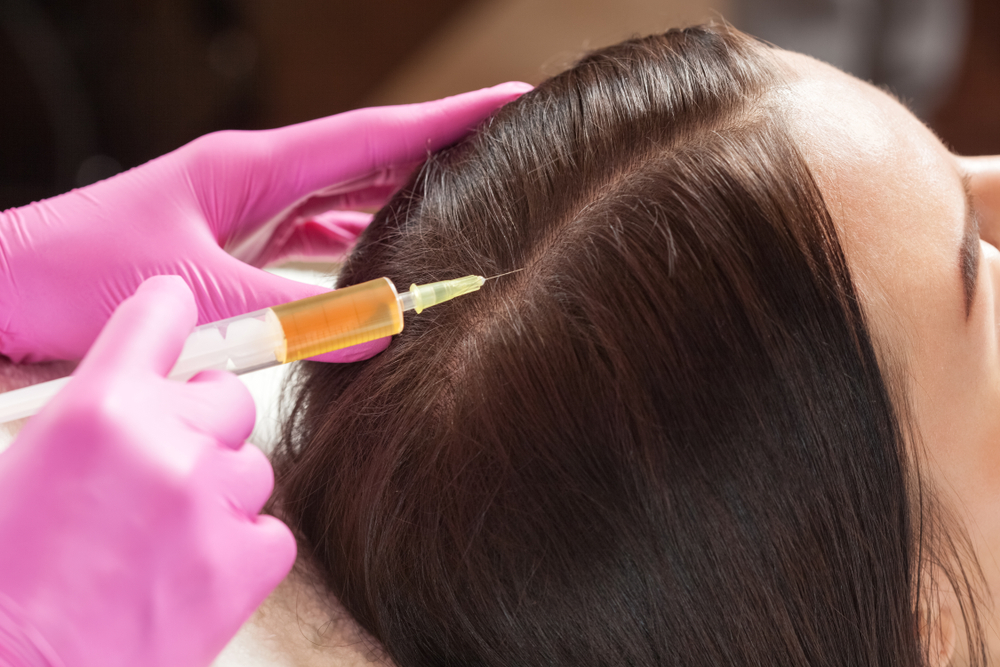
The doctor injects PRF into the target areas. They use a fine needle. They space injections about 1 centimeter apart. They deposit small amounts into the dermal layer. This layer sits just below the skin surface. It houses the hair follicle roots. The injection process takes 15 to 20 minutes. You may feel mild pressure or pinching. Most patients describe the sensation as tolerable.
Does PRF Treatment Hurt?
PRF treatment causes mild discomfort. Most patients rate the pain as 2 to 3 out of 10. Numbing options reduce this sensation significantly. Topical anesthetic creams work well. Some clinics offer nerve blocks. These blocks numb larger scalp areas. After the session, mild soreness may persist for a few hours. Over-the-counter pain relievers usually manage this discomfort. Avoid anti-inflammatory drugs like ibuprofen for 48 hours. These drugs could interfere with the healing process.
How Long Does Each Appointment Take?
A typical PRF session lasts 45 to 60 minutes. Blood collection takes 5 minutes. Centrifugation takes 10 to 15 minutes. Preparation takes 10 minutes. Injections take 15 to 20 minutes. You can return to normal activities immediately after. No hospital stay required. No general anesthesia needed.
What Should You Expect After PRF Hair Treatment?
Post-treatment care affects your results. Understanding the recovery timeline helps you plan accordingly.
What Is Immediate Recovery Like?
You can leave the clinic right after treatment. No downtime required. Your scalp may feel tender. Small bumps may appear at injection sites. These bumps usually subside within hours. You should avoid touching your scalp excessively. Keep the area clean. Do not apply pressure or massage the treated zones for 24 hours.
What Are Common Temporary Side Effects?
Side effects remain mild and short-lived. Tenderness at injection sites ranks as the most common effect. Mild swelling may occur. This swelling typically resolves within 24 to 48 hours. Redness around injection points is normal. It fades within a day. Bruising sometimes appears. It clears within 3 to 7 days. Some patients report mild itching. This sensation indicates healing activity. Serious complications rarely occur.
What Is the Recovery Timeline?
The first 24 hours require the most attention. Avoid washing your hair. Avoid strenuous exercise. Avoid excessive heat exposure. During the first week, you can resume gentle hair washing. Use mild shampoo. Avoid harsh chemicals. Avoid direct sun exposure to the scalp. During the first month, new hair growth begins beneath the surface. You may notice reduced shedding. Existing hair may feel stronger. Between three to six months, visible changes appear. New hair emerges. Existing hair thickens. Density improves. Full results develop around 6 to 12 months.
What Post-Treatment Care Instructions Should You Follow?
Proper care maximizes your results. Wait 24 hours before washing your hair. Use lukewarm water. Avoid hot showers initially. Avoid vigorous exercise for 48 hours. Sweat could irritate injection sites. Limit sun exposure for one week. UV rays may inflame sensitive scalp tissue. Avoid harsh hair products for one week. Skip dyes, bleaches, and strong styling products. Avoid alcohol for 24 hours. Alcohol may increase bruising. Avoid smoking. Smoking reduces blood flow. It counteracts the benefits of PRF.
How Many PRF Sessions Are Usually Needed?
Treatment frequency varies by individual. Most protocols follow a structured pattern. Maintenance keeps results stable over time.
What Is the Initial Treatment Protocol?
Most doctors recommend 3 to 4 initial sessions. They space these sessions 4 to 6 weeks apart. This spacing allows each treatment to build upon the previous one. The first session initiates the healing response. The second session reinforces growth signals. The third session consolidates improvements. Some protocols extend to 6 sessions. Severe thinning may require more visits. Bhoite et al. (2022) documented a case series using multiple PRF sessions. They observed that 11 out of 15 patients showed clinically significant improvement after completing their protocol.
How Do Maintenance Sessions Work?
After the initial series, maintenance sustains results. Most patients need one session every 6 to 12 months. This schedule prevents follicles from reverting to dormancy. It maintains growth factor levels in the scalp. It supports long-term hair health. Your doctor adjusts this schedule based on your response.
What Factors Influence Treatment Frequency?
Several factors determine how often you need treatment. Severity of hair loss plays a major role. Advanced thinning requires more sessions. Age affects response time. Younger patients often see faster results. Overall health matters. Good nutrition supports faster healing. Treatment goals vary. Some people want to stop further loss. Others aim for visible regrowth. More ambitious goals require more intensive protocols. Your doctor creates a personalized plan based on these variables.
When Will You See Results From PRF Hair Treatment?
Patience proves essential with PRF. Results develop gradually. The timeline follows your natural hair growth cycle.
What Early Improvements Can You Expect?
Within the first month, you may notice reduced hair shedding. Fewer hairs fall out during washing or brushing. The scalp may feel healthier. Itchiness or dryness may decrease. These early signs indicate that follicles are responding. They show that the treatment environment is improving.
When Do Hair Density Changes Appear?
Visible density changes typically appear around 3 to 4 months. New hair follicles enter the anagen phase. They begin producing visible shafts. You may notice new baby hairs along the hairline. You may see more coverage at the crown. Trichoscopy can confirm these changes. This digital scalp analysis measures hair count per square centimeter.
When Do Hair Thickness Improvements Show?
Thickness improvements follow density gains. Around 4 to 6 months, existing hairs become thicker. The diameter of each shaft increases. Hair feels stronger to the touch. It looks fuller in photographs. Styling becomes easier. Volume improves noticeably.
What Are Long-Term Maintenance Expectations?
PRF does not permanently cure hair loss. Androgenetic alopecia remains a progressive condition. PRF manages it effectively. With maintenance sessions, results last years. Many patients enjoy sustained density and thickness. Without maintenance, gradual thinning may resume. The rate of loss typically slows compared to no treatment. Consistent follow-up preserves your investment.
What Are the Benefits of PRF Hair Treatment?
PRF offers distinct advantages over other hair restoration approaches. These benefits attract patients seeking natural solutions.
Why Is PRF a Completely Natural Treatment?
PRF uses only your own blood. No synthetic chemicals enter your body. No foreign substances create rejection risk. Your immune system recognizes every component. This natural origin appeals to health-conscious patients. It aligns with holistic wellness philosophies.
How Does Using Your Own Blood Help?
Autologous treatment eliminates disease transmission risk. You cannot catch an infection from your own blood. Allergic reactions become virtually impossible. Your body accepts the material immediately. This safety profile exceeds that of synthetic alternatives. It also exceeds treatments using donor materials.
Why Does Longer Growth Factor Release Matter?
PRF releases growth factors slowly over days or weeks. PRP releases them within hours. This sustained delivery creates prolonged stimulation. Hair follicles receive consistent signals. They stay in growth phases longer. They recover more completely. The fibrin matrix makes this slow release possible. It protects growth factors from rapid breakdown.
Why Is Minimal Downtime Important?
You can resume work immediately after PRF. No bandages required. No visible wounds present. You may have tiny injection marks. These fade within hours. This convenience suits busy professionals. It suits people who cannot take time off. It suits those who prefer discreet treatments.
Why Is Low Risk of Allergic Reaction Significant?
Synthetic treatments carry allergy risks. Some patients react to minoxidil. Others react to finasteride. PRF contains nothing foreign. Your body made every molecule. This eliminates hypersensitivity concerns. It makes PRF safe for people with sensitive systems.
How Can PRF Improve Hair Density and Thickness?
Clinical evidence supports these improvements. Studies show measurable increases in hair count. They show increases in shaft diameter. They show improvements in overall scalp coverage. These changes occur through natural biological mechanisms. They look natural. They feel natural. They blend seamlessly with existing hair.
Are There Any Risks or Side Effects?
All medical procedures carry some risk. PRF remains exceptionally safe. Most issues are mild and temporary.
What Are Common Mild Side Effects?
Tenderness ranks as the most frequent effect. It lasts hours to days. Swelling occurs at injection sites. It resolves within 48 hours. Redness appears around treated areas. It fades quickly. Bruising develops occasionally. It clears within one week. Mild headache sometimes follows scalp injections. It responds to acetaminophen.
What Are Rare Complications?
Serious complications rarely occur. Infection remains possible but uncommon. Sterile technique prevents it. Nerve injury is extremely rare. Proper injection depth avoids nerves. Scarring does not typically occur. PRF actually promotes healing. It reduces scar formation risk. Asymmetrical results may happen. Skilled doctors minimize this risk through careful technique.
How Safe Are Autologous Treatments?
Autologous treatments carry the highest safety profile. Your body recognizes its own cells. It does not attack them. It does not reject them. No immunosuppressive drugs needed. No blood typing required. No cross-matching necessary. This simplicity reduces medical errors. It reduces complications.
Why Does Treatment by Qualified Medical Professionals Matter?
Doctor skill affects both safety and results. Qualified professionals understand scalp anatomy. They know proper injection depths. They recognize contraindications. They manage complications if they arise. They customize protocols. They adjust concentrations. They select appropriate treatment intervals. Always choose a board-certified dermatologist or hair restoration specialist. Verify their training in PRF specifically. Ask about their experience level. Request before-and-after photographs of previous patients.
PRF vs PRP: What Is the Difference?
PRF and PRP share similarities. They also differ in crucial ways. Understanding these differences helps you choose wisely.
How Do Preparation Methods Differ?
PRP requires anticoagulants. Technicians add sodium citrate or similar agents. These prevent blood clotting during processing. PRF uses no anticoagulants. Blood clots naturally. This natural clotting forms the fibrin matrix. PRP undergoes high-speed centrifugation. Speeds reach 1500 to 3500 RPM. PRF uses low-speed centrifugation. Speeds stay below 1500 RPM. This lower speed preserves more cells.
How Does Centrifugation Speed Affect Results?
High-speed spins force heavy cells to the bottom. Light cells remain on top. This separation works for PRP. However, it loses some beneficial cells. Low-speed spins in PRF keep more leukocytes in the upper layers. It preserves more stem cells. It maintains higher concentrations of regenerative cells. This cellular richness gives PRF an advantage.
How Does the Presence of Anticoagulants Change the Product?
Anticoagulants prevent natural clotting. They keep PRP in liquid form. This liquid injects easily. However, it lacks structural support. It disperses quickly after injection. PRF forms a gel-like clot. This clot stays localized. It anchors growth factors at the treatment site. It prevents rapid drainage. It extends contact time with follicles.
How Does Growth Factor Release Differ?
PRP releases growth factors rapidly. Most activity occurs within the first few hours. After 24 hours, levels drop significantly. PRF releases growth factors slowly. The fibrin matrix acts as a reservoir. It gradually releases active compounds. Significant activity continues for 10 days or more. This sustained release creates better therapeutic outcomes.
How Does Cellular Composition Compare?
PRF contains more leukocytes. These white blood cells fight infection. They release additional cytokines. They support immune modulation. PRF retains more CD34+ progenitor cells. These cells promote angiogenesis. They support vascular regeneration. PRP contains minimal fibrin. PRF contains abundant fibrin. This fibrin provides structural scaffolding.
How Does Clinical Effectiveness Compare?
Emerging evidence favors PRF. A 2024 randomized controlled trial compared I-PRF with PRP. The study included 100 patients with androgenetic alopecia. The I-PRF group showed superior hair growth outcomes. Hair density and thickness increased significantly more in the PRF group. Patient satisfaction rates were higher. Fewer adverse events occurred. A systematic review by Mohale et al. (2024) analyzed seven studies. It found that PRF demonstrated sustained therapeutic effects. It offered superior outcomes in specific parameters compared to PRP.
Which Treatment May Be Better for Hair Restoration?
PRF appears more promising for hair restoration. Its sustained release matches follicle biology better. Hair follicles need ongoing stimulation. They do not respond well to brief bursts. PRF provides this ongoing support. Its higher cell count offers more regenerative potential. Its natural scaffold improves tissue integration. However, PRP remains effective. It has more clinical studies behind it. It costs less in some markets. Your doctor can recommend the best option for your specific case.
Comparison Table: PRF vs PRP
Feature | PRF | PRP |
Anticoagulants | No | Yes |
Fibrin Matrix | Present | Minimal |
Growth Factor Release | Slow and sustained | Rapid |
White Blood Cells | Higher concentration | Lower concentration |
Platelet Concentration | High | High |
Treatment Duration | Longer biological activity | Shorter activity |
Centrifugation Speed | Low (700-1500 RPM) | High (1500-3500 RPM) |
Preparation Time | ~15-20 minutes | ~15-20 minutes |
Additives | None | Anticoagulants often required |
Scaffold Formation | Natural fibrin clot | Liquid plasma |
Can PRF Be Combined With Other Hair Restoration Treatments?
PRF works well alone. It also combines effectively with other treatments. Combination therapy often produces superior results.
How Does PRF Work With FUE Hair Transplant?
Follicular Unit Extraction (FUE) moves hair grafts from donor areas to thinning areas. PRF improves graft survival. Doctors inject PRF into recipient sites before placing grafts. They may also bathe grafts in PRF solution. This practice enhances vascularization. It speeds healing. It reduces shock loss. Mahapatra et al. found that PRF-treated transplant sites retained more follicles. The difference was statistically significant.
How Does PRF Work With DHI Hair Transplant?
Direct Hair Implantation (DHI) uses a special pen to implant grafts. PRF integrates seamlessly with DHI. Doctors inject PRF into the implantation channels. This enriches the soil before planting. It improves graft uptake. It supports faster recovery. It enhances density in the transplanted zone.
How Does PRF Work With Microneedling?
Microneedling creates tiny channels in the scalp. These channels stimulate collagen. They improve product absorption. PRF applied after microneedling penetrates deeper. The channels act as delivery pathways. This combination amplifies growth factor absorption. It doubles the stimulation effect. Most protocols schedule microneedling every 4 to 6 weeks. PRF injections follow the same schedule.
How Does PRF Work With Low-Level Laser Therapy (LLLT)?
LLLT uses red light to stimulate follicles. It improves cellular metabolism. It increases blood flow. PRF and LLLT complement each other. LLLT enhances the scalp environment. PRF delivers concentrated growth factors. Together, they create optimal conditions for regrowth. Patients can use LLLT devices at home between PRF sessions.
How Does PRF Work Alongside FDA-Approved Medications?
Minoxidil remains a topical standard. It dilates blood vessels. It extends the anagen phase. PRF and minoxidil work through different mechanisms. They do not conflict. They support each other. Patients can continue minoxidil during PRF treatment. Finasteride blocks DHT conversion. It addresses hormonal causes. Doctors may prescribe finasteride when appropriate. PRF addresses cellular regeneration. The combination attacks hair loss from multiple angles. Always inform your doctor about all medications you take. They coordinate the safest combination approach.
What Does Current Scientific Research Say About PRF Hair Treatment?
Scientific interest in PRF grows rapidly. Multiple studies support its use. However, research remains in early stages.
What Clinical Evidence Supports PRF for Androgenetic Alopecia?
Several studies document positive outcomes. Bhoite et al. (2022) treated 15 patients with injectable PRF. They used clinical assessment and trichoscopy. Eleven patients showed significant improvement. That equals a 73 percent success rate. Arora and Shukla (2019) reported on three patients. Two patients expressed satisfaction after four sessions. They declined further treatment. One difficult case showed moderate improvement. Shashank and Bhushan (2021) documented four cases. They found PRF useful for androgenetic alopecia. They also noted benefits for skin rejuvenation and wound healing. A 2024 randomized trial compared I-PRF with PRP in 100 patients. The I-PRF group demonstrated superior hair density and thickness. The difference was statistically significant.
What Evidence Exists for Female Pattern Hair Loss?
Most PRF studies include both men and women. The biological mechanisms apply equally. Growth factors stimulate female follicles the same way. Female pattern hair loss often presents as diffuse thinning. PRF addresses this pattern effectively. It improves density across the entire crown. It strengthens miniaturized follicles. More female-specific studies would strengthen the evidence base. Current data remains promising but limited.
What Improvements in Hair Density Have Researchers Reported?
Studies report measurable density increases. Trichoscopy confirms these gains. Hair count per square centimeter rises. Hair mass index improves. Anagen hair count increases. Telogen hair count decreases. The anagen-to-telogen ratio shifts favorably. These objective measures validate patient-reported improvements. They provide scientific proof that PRF works.
What Are the Current Limitations of Available Research?
Research limitations remain significant. Small sample sizes weaken statistical power. Many studies include fewer than 20 patients. Lack of standardized protocols complicates comparisons. Different centrifugation speeds produce different products. Different injection techniques yield different results. Few randomized controlled trials exist. Most studies use case series or cohort designs. Long-term follow-up data remains scarce. Most studies track patients for 6 months or less. Large-scale, multi-center trials would strengthen the evidence. Standardized preparation protocols would improve reproducibility. Despite these limitations, existing evidence supports PRF as a promising therapy.
Frequently Asked Questions About PRF Hair Treatment
Is PRF Better Than PRP?
PRF appears superior in several ways. It releases growth factors longer. It contains more regenerative cells. It forms a natural scaffold. Clinical comparisons favor PRF for hair density outcomes. However, PRP has more research history. Both treatments help. PRF represents the more advanced option.
Is PRF Treatment Painful?
PRF causes mild discomfort. Most patients rate it as 2 to 3 out of 10. Numbing options reduce this further. Post-treatment soreness lasts hours, not days. It responds well to acetaminophen.
How Long Do PRF Results Last?
Results last with maintenance. Initial improvements appear at 3 to 6 months. They stabilize with ongoing sessions. Without maintenance, gradual thinning may resume. Maintenance sessions every 6 to 12 months preserve gains.
Can PRF Regrow Completely Bald Areas?
PRF cannot regrow hair where follicles no longer exist. It revitalizes existing follicles. It does not create new ones. Completely bald areas require hair transplantation. PRF can support transplant results. It cannot replace surgery in advanced cases.
Is PRF Permanent?
PRF is not permanent. Androgenetic alopecia continues progressing. PRF manages this progression. It slows hair loss. It improves density. It requires ongoing maintenance. Think of it like exercise. Consistent effort produces consistent results.
How Soon Can I Wash My Hair?
Wait 24 hours before washing. Use lukewarm water. Choose mild shampoo. Avoid vigorous scrubbing. Pat dry gently. Resume normal washing after 48 hours.
Can Women Receive PRF Hair Treatment?
Yes. Women benefit greatly from PRF. It treats female pattern hair loss. It addresses postpartum thinning. It helps stress-related shedding. It suits women who prefer natural treatments. It carries no hormonal side effects.
Can PRF Prevent Future Hair Loss?
PRF slows the progression of hair loss. It strengthens existing follicles. It extends their growth phase. It makes them more resistant to miniaturization. However, it does not stop the underlying genetic process entirely. Maintenance treatments sustain the protective effect.
Conclusion
PRF hair treatment offers a powerful regenerative approach to hair restoration. It uses your own blood. It contains no synthetic additives. It forms a natural fibrin scaffold. This scaffold releases growth factors slowly. These growth factors stimulate dormant follicles. They improve blood supply. They reduce inflammation. They support thicker, denser hair growth.
PRF suits people with early to moderate hair thinning. It works best for androgenetic alopecia. It helps both men and women. It requires no surgery. It causes minimal downtime. It carries a strong safety profile. Most patients need 3 to 4 initial sessions. They need maintenance every 6 to 12 months. Results appear gradually over 3 to 6 months. They continue improving up to one year.
Scientific evidence supports PRF. Studies show improvements in hair density and thickness. Systematic reviews confirm its promise. However, research remains evolving. Sample sizes need expansion. Protocols need standardization. Long-term data needs collection. Current evidence strongly suggests PRF helps. It appears particularly effective for early hair loss.
PRF combines well with other treatments. It enhances hair transplant results. It pairs with microneedling. It complements laser therapy. It works alongside minoxidil. This flexibility makes it valuable. It fits into comprehensive hair restoration plans.
Consult an experienced hair restoration specialist. They assess your candidacy. They design a personalized protocol. They determine whether PRF alone suffices. They may recommend combination therapy. They set realistic expectations. They guide you through the process. With proper care and professional guidance, PRF can help you achieve fuller, healthier hair through natural regenerative mechanisms.
References
Arora, R., and Shukla, S. "Injectable-Platelet-Rich-Fibrin-Smart Blood with Stem Cells for the Treatment of Alopecia: A Report of Three Patients." International Journal of Trichology, vol. 11, no. 3, 2019, pp. 128-131.
Atsu, N., et al. "The Comparison of Platelet-Rich Plasma versus Injectable Platelet Rich Fibrin in Facial Skin Rejuvenation." Dermatologic Therapy, 2023, pp. 1-8.
Bhoite, K. S., et al. "Injectable Platelet Rich Fibrin Therapy for Androgenetic Alopecia: A Series of 15 Cases." International Journal of Research in Dermatology, vol. 8, no. 4, 2022, pp. 398-402.
Dashore, S., et al. "Platelet-Rich Fibrin, Preparation and Use in Dermatology." Indian Dermatology Online Journal, vol. 12, Suppl 1, 2021, pp. S55-S65.
Gupta, A. K., Renaud, H. J., and Rapaport, J. A. "Platelet-Rich Plasma and Cell Therapy: The New Horizon in Hair Loss Treatment." Dermatologic Clinics, vol. 39, no. 3, 2021, pp. 429-445.
Mahapatra, A., et al. "Platelet-Rich Fibrin: A Review of Its Role as a New Treatment in Androgenetic Alopecia." Journal of Cosmetic Dermatology, 2024, pp. 1-12.
Mohale, S. A., et al. "Effectiveness of Injectable Platelet-Rich Fibrin Therapy in Alopecia and Facial Rejuvenation: A Systematic Review." Cureus, vol. 16, no. 6, 2024, e62198.
Schiavone, G., et al. "Injectable Platelet-, Leukocyte-, and Fibrin-Rich Plasma (iL-PRF) in the Management of Androgenetic Alopecia." Dermatologic Surgery, vol. 44, no. 9, 2018, pp. 1183-1190.
Shashank, B., and Bhushan, M. "Injectable Platelet-Rich Fibrin (PRF): The Newest Biomaterial and Its Use in Various Dermatological Conditions in Our Practice: A Case Series." Journal of Cosmetic Dermatology, vol. 20, no. 5, 2021, pp. 1421-1426.
Stevens, J., and Khetarpal, S. "Platelet-Rich Plasma for Androgenetic Alopecia: A Review of the Literature and Proposed Treatment Protocol." International Journal of Women's Dermatology, vol. 5, no. 1, 2019, pp. 46-51.
Vesala, A. M., et al. "Platelet-Rich Fibrin as an Effective Method of Skin Revitalization." Dermatologic Therapy, 2023, pp. 1-8.