
PRP hair treatment
PRP (Platelet-Rich Plasma) therapy is one of the best non-surgical solutions we offer for hair loss.
WHAT IS PRP HAIR TREATMENT?
PRP (Platelet-Rich Plasma) therapy is one of the best non-surgical solutions we offer for hair loss. It’s a treatment that really works, and we’ve fine-tuned it to give you the best possible results.
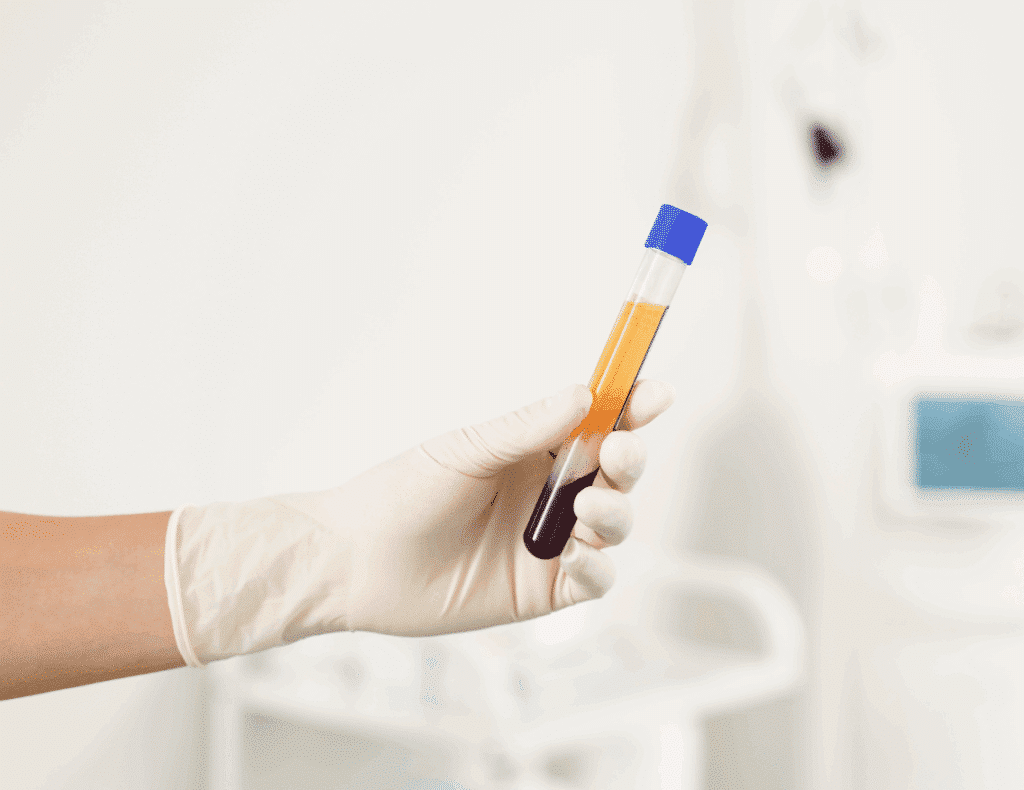
The process is straightforward. We take a small blood sample, just like a regular blood test. We then use special equipment to concentrate the platelets from your blood, creating a plasma that’s rich in growth factors. These are then carefully injected into the areas of your scalp that need help.
These natural growth factors help wake up sleeping hair follicles, extend how long your hair grows before falling out, and boost blood flow to your scalp. The end result? Thicker hair, less shedding, and often new growth in areas that were thinning.
PRP works especially well for both men and women with pattern hair loss and stress-related shedding and can even enhance results after a hair transplant. It effectively detects hair loss at an early stage, potentially preventing further thinning.
THE PRP TREATMENT PROCESS
Simple, comfortable, and effective hair regeneration in just 45 minutes
- CONSULTATION & ASSESSMENT
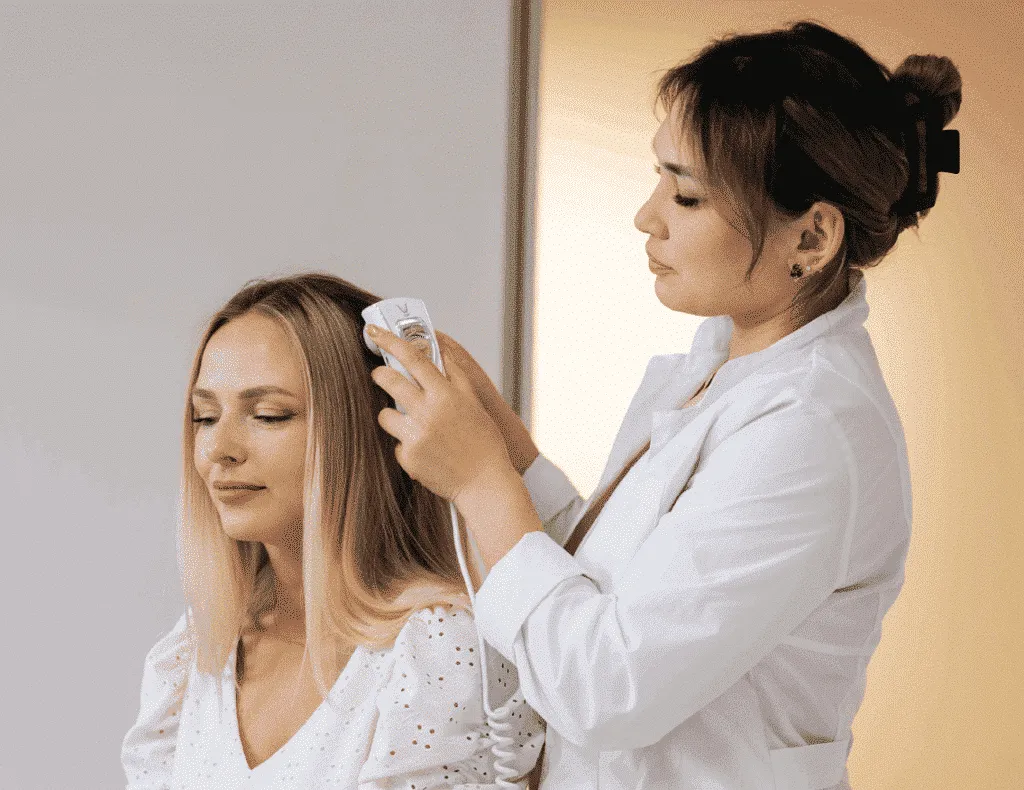
We’ll start with a look at your hair and scalp. We’ll chat about your hair loss pattern, check your scalp health, and review your medical history to make sure PRP is right for you. We use special imaging to document your starting point so we can track your progress properly.
- BLOOD COLLECTION
On the day of your treatment, we’ll take a small blood sample – about 10- 15ml, which is less than a standard blood test. Most people barely notice this step; it’s quick and virtually painless.
- PREPARING YOUR PRP
Your blood goes into our state-of-the-art centrifuge to separate and concentrate the platelets. This creates a solution with 5-10 times the normal concentration of growth factors. We’re quite particular about our preparation method – it makes a real difference to your results.
- COMFORTABLE TREATMENT
We’ll apply a numbing cream before we start to keep you comfortable. Then we administer the PRP through tiny injections into your scalp, focusing on the areas that need help. Most people describe feeling just a bit of pressure rather than pain. The whole process takes about 45 minutes.
- IMMEDIATE RETURN TO ACTIVITIES
Unlike surgery, there’s no downtime with PRP. You can head straight back to work or carry on with your day. You might have some mild redness or sensitivity where we’ve treated, but the pain typically fades within hours. We’ll give you some simple aftercare tips to help you get the best results.
- FOLLOW-UP TREATMENTS
For the best results, we recommend 3-4 treatments about a month apart, then maintenance sessions every 6-12 months. This approach gives you ongoing improvement in hair thickness and quality over time.
HOW PRP COMPARES TO OTHER HAIR TREATMENTS
Choosing the right hair loss treatment can be confusing. Here’s a straightforward comparison:
Minoxidil (Rogaine) is affordable and easy to get, but requires twice-daily application forever. It mainly prolongs the hair growth cycle rather than fixes the root causes. Results are modest for most people, and hair loss comes back when you stop using it. PRP stimulates actual follicle regeneration with longer-lasting results from just occasional treatments.
Finasteride (Propecia) can work well for some men but comes with potential sexual side effects and isn’t suitable for women. It means taking a pill every day indefinitely. Hair loss will return if you stop the treatment. PRP avoids these side effects, works for both men and women, and doesn’t require daily commitment.
Hair transplantation is effective for advanced hair loss but is surgical, expensive, and needs recovery time. PRP offers a non-surgical alternative for early to moderate hair loss and can actually complement transplantation when used before and after surgery.
Laser therapy requires multiple weekly sessions for months with mixed results. PRP typically needs fewer visits and targets the biological mechanisms of hair growth more directly. Many patients get their best results when combining these treatments, which we can arrange at our London clinic.
At Dr Cinik’s London clinic, we often recommend combination approaches tailored to your specific situation. We’ll review which options will most likely suit you personally during your consultation.
YOUR PRP CONSULTATION EXPERIENCE
What to expect when you visit us
DETAILED HAIR ASSESSMENT
We’ll start with a thorough examination of your scalp and hair. We’ll look at your hair loss pattern, measure your current hair density, and document your starting point with high-resolution photos. This helps us determine if PRP is right for you and gives us a clear way to track your improvement.
UNDERSTANDING YOUR GOALS
We’ll take time to understand what’s bothering you and what you hope to achieve. Whether you’re concerned about a receding hairline, thinning crown, or overall decreased density, we’ll have an honest chat about what PRP can realistically do for your particular situation.
PERSONALISED TREATMENT PLAN
Based on our assessment and your goals, we’ll create a customised PRP treatment plan just for you. This includes how many initial sessions you’ll need, how often to have them, and any complementary treatments that might help. Your plan will be tailored to your specific type and stage of hair loss.
TRANSPARENT COST DISCUSSION
We believe in being completely upfront about costs. You’ll get clear information about pricing, including any package options that might save you money. No hidden fees, no pressure tactics – just straightforward information to help you decide.
THE PRP RESULTS TIMELINE
What to expect during your hair restoration journey
- WEEKS 1-3: REDUCED SHEDDING
The first thing most people notice is less hair falling out. Many patients tell us that the hair loss they see when washing or brushing decreases significantly within the first few weeks after treatment. This early sign shows that the treatment is starting to stabilise your hair cycle.
- MONTHS 1-2: IMPROVED HAIR QUALITY
Your existing hair typically begins to look healthier and stronger. You might notice increased shine, better texture, and more resilience. These changes happen because of the improved blood supply and nutrient environment around your hair follicles.
- MONTHS 3-4: VISIBLE THICKENING
Around this time, most patients begin to notice their hair becoming thicker. Individual hairs grow with a greater diameter, giving an overall impression of increased density. This thickening creates more visible coverage, even before new hairs fully develop.
- MONTHS 4-6: NEW GROWTH BEGINS
Previously dormant follicles start producing new hairs during this period. These new hairs start fine but gradually become thicker and longer with continued treatment. This new growth is particularly noticeable in areas where your hair was thinning rather than completely gone.
- MONTHS 6-9: CUMULATIVE IMPROVEMENT
As you complete your initial series of treatments, the benefits keep building. Both hair density and coverage continue to improve, with the best results typically visible after the third or fourth treatment session.
- ONGOING MAINTENANCE
We recommend top-up sessions every 6-12 months to maintain and enhance your results. These treatments sustain the regenerative environment for your hair follicles, preventing regression and promoting continued improvement.
During your consultation at our Harley Street clinic, we’ll discuss whether a combination approach might work better for your specific hair loss pattern and goals.
IS THERE ANY RECOVERY OR DOWNTIME AFTER PRP TREATMENT?
PRP hair treatment requires virtually no downtime, making it perfect for busy London professionals. You can return to work and normal activities right after your session. You might experience:
Mild redness at injection sites (typically gone within a few hours)
Slight scalp sensitivity (usually subsides within 24 hours)
Minor swelling (rare and resolves quickly)
We advise avoiding intense exercise, saunas, steam rooms, and swimming pools for 24 hours after treatment. We also suggest waiting 24 hours before washing your hair. These simple precautions help maximise the effectiveness of the treatment. Most patients find they can easily fit PRP sessions into their schedule without disrupting their work or social lives.
The Science Behind PRP Hair Restoration
Understanding How PRP Stimulates Hair Regrowth
PRP therapy is one of the most significant advances in regenerative medicine for hair restoration. It works by harnessing your body’s own healing capabilities and directing them specifically to your hair follicles.
Platelets are tiny components in your blood primarily known for clotting, but they also contain powerful growth factors and signalling molecules. When activated, these platelets release proteins that trigger cellular regeneration and tissue repair throughout your body. PRP therapy concentrates these natural healing elements and delivers them precisely where you need them most – your hair follicles.
The growth factors in PRP work in several ways to enhance hair growth. They extend the active growth phase of your hair cycle, allowing individual hairs to grow longer and thicker before naturally shedding. The treatment significantly increases blood circulation to the follicles, delivering more nutrients and oxygen to these specialised cells. Perhaps most importantly, PRP can reactivate follicles that have become dormant but haven’t been permanently lost – essentially “waking up” sleeping hair follicles.
When injected into the scalp, these growth factors interact with stem cells present in the hair follicles. This interaction triggers increased cell division, enhanced protein synthesis, and the formation of new blood vessels – all critical elements for revitalising hair growth. Additionally, PRP can increase the actual diameter of existing hair shafts, creating an immediate impression of greater fullness even as new hairs begin to develop.
Our Advanced Preparation Process
At Dr Cinik London clinic, we’ve refined our PRP preparation process to maximise its regenerative potential. We use a specialised three-step centrifugation method that creates a platelet concentration 5-10 times greater than what’s found in your normal bloodstream.
First, we carefully separate red blood cells from the plasma and platelets. Next, a second spin further concentrates the platelets and critical growth factors to their optimal levels. Finally, we activate the platelets at precisely the right moment to ensure they release their growth factors when most beneficial during the treatment process.
This meticulous preparation creates a highly potent PRP solution that significantly outperforms standard preparations. The increased concentration of growth factors translates directly to better results, with more significant improvements in hair thickness and density than what’s typically achieved with basic PRP methods.
Maximising Your PRP Results
The effectiveness of PRP therapy depends not only on the treatment itself but also on how you care for your hair and scalp afterwards. To help you achieve the best possible outcomes, we provide comprehensive post-treatment recommendations.
After your PRP session, we suggest avoiding touching the treated area for at least 4 hours. Staying well-hydrated helps support the cellular processes stimulated by the treatment, while avoiding alcohol for 72 hours prevents interference with platelet function. Hold off on strenuous exercise for 24 hours to allow the growth factors to integrate with your tissues properly.
Long-term care is equally important for maximising PRP results. We advise using gentle, sulfate-free hair products that won’t strip your scalp of its natural oils. Eating a balanced diet with adequate protein provides the building blocks your body needs for hair growth. Many patients benefit from supplements that support hair health, including biotin, zinc, and vitamin D. Regular scalp massage between treatments can further enhance circulation and extend the benefits of your PRP sessions.
The most dramatic improvements often come from combining PRP with complementary approaches. Many of our patients achieve enhanced results by incorporating specialised hair supplements, topical treatments, low-level laser therapy, or prescription-strength minoxidil into their regimen. During your consultation, our specialists will discuss whether a combination approach might work better for your specific hair restoration goals.
Frequently Asked Questions
Most of our patients find PRP surprisingly comfortable. We apply a numbing cream before the procedure, so you’re well cared for. The blood draw feels just like a routine blood test, and the injections themselves use very fine needles. Most people describe feeling light pressure or minor pinching rather than actual pain. Even patients who are normally nervous about needles usually handle it quite well. Afterwards, you might experience mild tenderness for a day or two, which is easily managed with standard painkillers if needed.
PRP results develop gradually as your hair growth cycle responds to treatment. Most patients notice less hair shedding within 2-3 weeks after their first treatment – that’s always an encouraging early sign. Visible hair thickness and coverage improvements typically start around 3 months, with continued enhancement over the following months. Best results usually appear after completing your 3-4 initial treatments, about 6-9 months from when you start. Results vary from person to person based on your specific hair loss pattern, age, and how early you catch the problem. During your consultation, we’ll give you a realistic timeline based on your particular situation.
PRP works best for people with hair follicles that have become dormant or are producing thinner hair than they used to. Ideal candidates include: Those in early to moderate stages of hair loss People experiencing male or female pattern baldness Individuals with stress-related or hormonal hair thinning Those wanting to enhance results after hair transplantation PRP is less effective for completely bald areas where follicles have been lost for many years. During your consultation, we’ll honestly assess whether your hair loss pattern is likely to respond well to PRP or if other treatments might work better. Both men and women can use PRP and works for all hair types and ethnicities
Most patients need an initial series of 3-4 treatments spaced 4-6 weeks apart to achieve good results. This approach allows for cumulative improvement as each session builds upon the previous one. After completing the initial series, we typically recommend maintenance treatments every 6-12 months to sustain and enhance your results. Patients with more aggressive hair loss might benefit from more frequent maintenance sessions. Your specific treatment plan will be customised based on your hair loss pattern, how you respond to treatment, and your long-term goals. We’ll regularly check your progress and adjust recommendations accordingly.
PRP and hair transplantation serve different but complementary purposes. PRP works by revitalising existing hair follicles that have become dormant or are producing thinner hair, making it ideal for early to moderate hair loss or thinning. Hair transplantation physically moves follicles from one area to another and is typically better for more advanced hair loss or completely bald areas. PRP offers several advantages: it’s non-surgical, requires no downtime, leaves no scars, and costs significantly less than transplantation. However, it cannot restore hair in areas where follicles have been completely lost for years. Many patients choose PRP as a first-line treatment to slow progression and improve density before considering surgery, or as a complementary therapy to enhance transplantation results. At Dr Cinik London clinic, we can provide expert advice on whether PRP, transplantation (available at our Istanbul facility), or a combination approach would best address your specific needs.
Absolutely. PRP works well with many other hair restoration approaches and often produces better results when combined with complementary treatments. Good combinations include: PRP + Topical Minoxidil: PRP improves blood flow and follicle receptivity, potentially making minoxidil work better. PRP + Low-Level Laser Therapy: These treatments complement each other by stimulating hair growth through different mechanisms. PRP + Hair Transplantation: PRP before and after transplantation can improve graft survival rates and enhance surgery results. PRP + Exosome Therapy: This cutting-edge combination provides immediate growth factors and longer-term regenerative signals. PRP + Mesotherapy: Adding targeted nutrients and DHT blockers can boost the overall effectiveness of your treatment plan. During your consultation at our Harley Street clinic, we’ll discuss whether a combination approach might work better for your specific hair loss pattern and goals.
PRP hair treatment requires virtually no downtime, making it perfect for busy London professionals. You can return to work and normal activities right after your session. You might experience: Mild redness at injection sites (typically gone within a few hours) Slight scalp sensitivity (usually subsides within 24 hours) Minor swelling (rare and resolves quickly) We advise avoiding intense exercise, saunas, steam rooms, and swimming pools for 24 hours after treatment. We also suggest waiting 24 hours before washing your hair. These simple precautions help maximise the effectiveness of the treatment. Most patients find they can easily fit PRP sessions into their schedule without disrupting their work or social lives.
Visit Our London Clinic
Book a Private Consultation at Our London Clinic
Personalised consultations in London, welcoming patients from across the UK.
96 Harley St, London W1G 7HY, United Kingdom