
PRP Hair Treatment Cost London
PRP hair treatment in London typically costs between £300 and £800 per session. Most patients need three to six sessions for optimal results.
PRP hair treatment in London typically costs between £300 and £800 per session. Most patients need three to six sessions for optimal results. Total treatment packages range from £1,200 to £4,500 depending on clinic location, doctor expertise, and treatment protocol.
Hair loss affects millions of men and women across the United Kingdom. Recent surveys show that approximately 50% of men experience some degree of hair thinning by age 50 (Gupta et al., 2019). Women also face significant hair loss challenges, with female pattern hair loss impacting up to 40% of women during their lifetime (Alves and Grimalt, 2016). These numbers continue to grow as stress, hormonal changes, and genetic factors drive demand for effective solutions.
Regenerative medicine has emerged as one of the most promising fields in modern healthcare. Platelet-rich plasma therapy stands at the forefront of this movement. London has become one of the leading destinations for PRP hair treatment in Europe. The city hosts some of the most advanced hair restoration clinics, CQC-registered facilities, and specialist consultants in the field.
This guide examines PRP Hair Treatment Cost London in detail. We explore what patients pay, what factors drive pricing, and how to choose the right clinic. We also cover the science behind platelet-rich plasma, expected results, and how PRP compares to other hair loss treatments. Every section uses evidence-based information to help you make an informed decision about your hair restoration journey.
What Is PRP Hair Treatment?
PRP hair treatment uses your own blood to extract concentrated platelets. These platelets contain growth factors that stimulate dormant hair follicles and promote new hair growth.
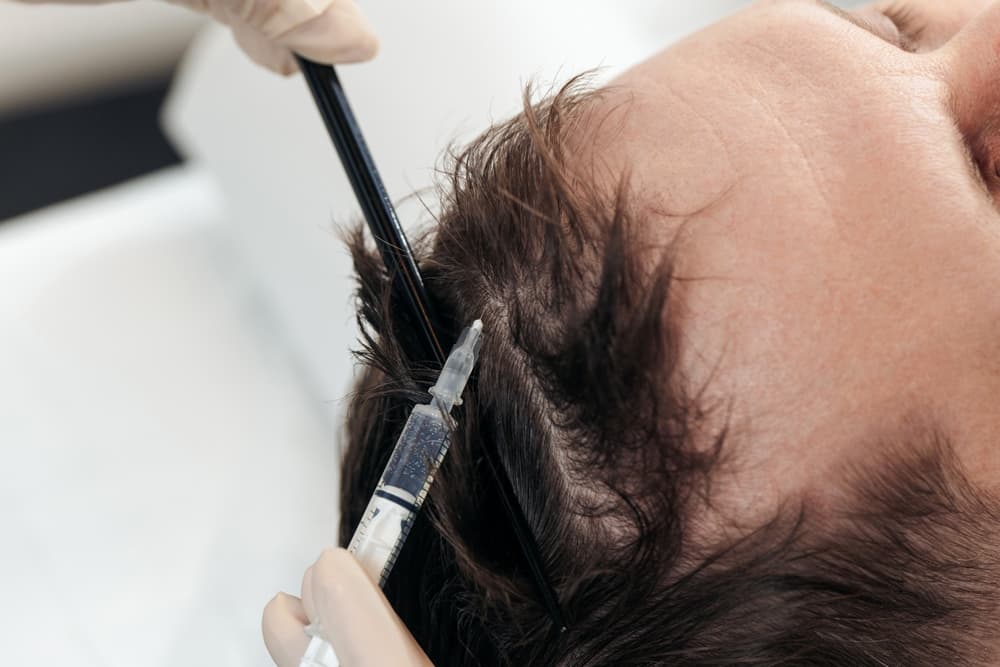
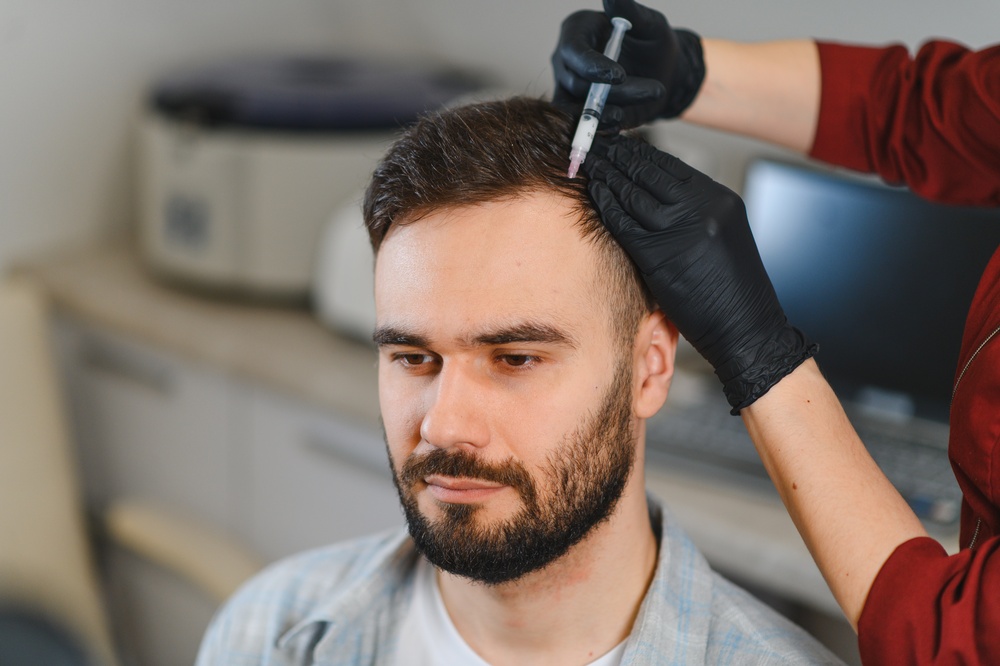
PRP stands for platelet-rich plasma. This treatment falls under the umbrella of regenerative medicine. Doctors draw a small amount of blood from your arm. They place this blood in a centrifuge machine. The machine spins the blood at high speed. This process separates the blood into different layers. The layer rich in platelets gets extracted and concentrated. A medical professional then injects this platelet-rich plasma into areas of the scalp with thinning hair.
The concept behind PRP is simple yet powerful. Platelets contain hundreds of growth factors. These growth factors include platelet-derived growth factor (PDGF), vascular endothelial growth factor (VEGF), and transforming growth factor-beta (TGF-β) (Li et al., 2018). When injected into the scalp, these growth factors signal dormant hair follicles to re-enter the active growth phase. They also improve blood supply to existing follicles. This dual action helps reduce hair shedding and encourages thicker, stronger hair growth.
PRP therapy has gained popularity because it uses the body's own healing mechanisms. It does not involve surgery. It does not require daily medication. And it carries minimal risk of allergic reactions since the treatment uses autologous blood, blood from your own body.
How Does Platelet-Rich Plasma (PRP) Work?
PRP works through five steps: blood collection, centrifugation, platelet concentration, scalp injection, and growth factor stimulation of hair follicles.
The PRP process follows a precise medical protocol. First, a nurse or doctor collects approximately 10 to 20 milliliters of blood from your arm. This step takes less than five minutes. Second, the medical team places the blood sample into a specialized centrifuge. The centrifuge spins the blood at speeds between 1,500 and 3,000 revolutions per minute for about 10 to 15 minutes. Third, the spinning separates the blood into three layers: red blood cells at the bottom, platelet-poor plasma at the top, and platelet-rich plasma in the middle. The technician carefully extracts the PRP layer. Fourth, the doctor injects the concentrated PRP into the scalp using a fine needle. They target areas with visible thinning or early baldness. Fifth, the growth factors in the PRP begin working immediately. They stimulate cell proliferation around the hair follicles. They increase blood vessel formation. And they extend the anagen (growth) phase of the hair cycle (Cervelli et al., 2014).
The entire procedure typically takes 45 to 90 minutes from start to finish. Most patients return to normal activities the same day.
Which Hair Loss Conditions Can PRP Treat?
PRP treats androgenetic alopecia, female pattern hair loss, diffuse thinning, telogen effluvium, early-stage hair loss, and supports hair transplant recovery.
PRP therapy addresses multiple types of hair loss. Androgenetic alopecia, commonly known as male pattern baldness, responds well to PRP. This condition affects the top and front of the scalp. PRP growth factors counteract the miniaturization of hair follicles caused by dihydrotestosterone (DHT). Female pattern hair loss also shows positive results. Women typically experience diffuse thinning across the crown rather than receding hairlines. PRP helps thicken existing strands and activates dormant follicles in these areas.
Diffuse thinning occurs when hair sheds evenly across the entire scalp. Stress, nutritional deficiencies, or hormonal changes often trigger this condition. PRP supports follicle recovery in these cases. Telogen effluvium causes temporary but noticeable hair shedding. This condition usually follows major stress events, illness, or childbirth. PRP can accelerate the transition of follicles back into the growth phase.
Early-stage hair loss patients see the best outcomes. When follicles remain active but weakened, PRP can reverse the thinning process. Hair transplant patients also benefit from PRP. Doctors often recommend PRP before and after transplant surgery. The growth factors improve graft survival rates and speed up healing (Gentile et al., 2015).
Is PRP Approved and Evidence-Based?
PRP has strong clinical evidence supporting its use for hair loss, though it is not yet universally standardized. Multiple peer-reviewed studies confirm its effectiveness.
The scientific community has published numerous studies on PRP for hair restoration. A systematic review by Gupta et al. (2019) analyzed multiple clinical trials. The review concluded that PRP significantly increases hair density and thickness in patients with androgenetic alopecia. Another study by Gkini et al. (2014) demonstrated that PRP injections increased hair count by an average of 30% after three sessions.
However, researchers acknowledge some limitations. PRP preparation methods vary between clinics. Different centrifuge speeds, collection tubes, and activation techniques produce different platelet concentrations. This variation makes it difficult to establish universal treatment standards. Additionally, PRP works best for early to moderate hair loss. Patients with advanced baldness and scarred scalp areas may see limited benefits.
The current scientific consensus supports PRP as a safe and effective adjunct or standalone treatment for appropriate candidates. The treatment does not carry FDA or MHRA approval specifically for hair loss, but doctors use it off-label based on robust clinical evidence.
How Much Does PRP Hair Treatment Cost in London?
A single PRP session in London costs between £300 and £800. Three-session packages range from £900 to £2,400. Six-session protocols cost £1,800 to £4,500.
Understanding PRP Hair Treatment Cost London requires breaking down the pricing structure. London operates as a premium healthcare market. Costs here exceed national averages due to higher operational expenses, specialist availability, and demand from an affluent patient base.
What Is the Average Cost Per Session in London?
The typical London price for one PRP session ranges from £300 to £800. Harley Street clinics charge £600 to £1,000 per session. Budget clinics outside central London offer sessions from £200 to £350.
The national UK average for a single PRP session sits between £250 and £500. London prices push higher. Central London clinics, particularly those on Harley Street, command premium rates. These clinics often employ leading trichologists and use advanced PRP preparation systems. A single session at a top-tier Harley Street clinic can cost £600 to £1,000.
Mid-range clinics across zones 1 and 2 typically charge £400 to £600 per session. These clinics balance quality and accessibility. They use medical-grade centrifuges and employ qualified doctors. Budget-friendly options exist in outer London boroughs. Some clinics in zones 3 to 6 offer PRP sessions starting at £200. However, patients should verify the quality of equipment and practitioner qualifications at lower price points.
Clinic Tier | Price Per Session | Typical Location | Equipment Level |
Premium (Harley Street) | £600 – £1,000 | Central London | Advanced closed systems |
Mid-Range | £400 – £600 | Zones 1-2 | Medical-grade centrifuges |
Budget | £200 – £350 | Outer London | Basic centrifuge systems |
What Do Treatment Packages Cost?
Three-session packages cost £900 to £2,400. Four-session protocols range from £1,200 to £3,200. Six-session maintenance plans cost £1,800 to £4,500. Annual maintenance adds £600 to £1,600.
Most clinics structure PRP treatment as a package rather than single sessions. A three-session package represents the minimum recommended initial course. This package typically spans three months with one session per month. Prices range from £900 at budget clinics to £2,400 at premium establishments.
A four-session protocol offers a more intensive initial phase. Some clinics recommend this approach for patients with moderate thinning. Four-session packages cost between £1,200 and £3,200.
Six-session maintenance plans suit patients who want sustained results. These plans often include the initial three sessions plus three maintenance sessions spread over six to twelve months. Total costs range from £1,800 to £4,500.
Annual maintenance keeps results stable after the initial phase. Most patients need one session every three to four months. Annual maintenance costs typically fall between £600 and £1,600.
Package Type | Number of Sessions | Price Range | Duration |
Starter Package | 3 sessions | £900 – £2,400 | 3 months |
Intensive Package | 4 sessions | £1,200 – £3,200 | 4 months |
Complete Plan | 6 sessions | £1,800 – £4,500 | 6-12 months |
Annual Maintenance | 3-4 sessions | £600 – £1,600 | 12 months |
How Much Do Consultations Cost?
Many London clinics offer free initial consultations. Specialist trichologist consultations cost £100 to £250. Digital hair analysis adds £50 to £150.
The consultation phase determines whether PRP suits your specific condition. Many reputable clinics provide complimentary first consultations. This approach allows patients to discuss their concerns without financial commitment. During a free consultation, a doctor or trichologist examines your scalp. They assess your hair loss pattern. And they explain whether PRP can help.
Paid specialist consultations cost more but offer deeper analysis. A consultation with a consultant dermatologist or hair restoration surgeon typically costs £100 to £250. These sessions last 30 to 60 minutes. The specialist takes a detailed medical history. They examine your scalp with magnification tools. And they may recommend blood tests to rule out underlying conditions.
Digital hair analysis provides objective data about your hair density and follicle health. This analysis uses digital trichoscopy to capture high-resolution images of your scalp. The cost ranges from £50 to £150. Some clinics include this service within the consultation fee. Others charge separately.
What Factors Affect PRP Hair Treatment Cost in London?
Seven main factors drive PRP pricing: clinic location, doctor experience, PRP technology, platelet concentration quality, number of sessions, combination treatments, and personalized treatment plans.
PRP Hair Treatment Cost London varies significantly between clinics. Understanding the factors behind these differences helps patients make informed choices.
How Does Clinic Location Impact Cost?
Central London clinics charge 40% to 60% more than outer London clinics due to higher rent, staff costs, and prestige positioning.
Location remains one of the biggest cost drivers. Harley Street and Mayfair clinics pay premium rents. These locations carry prestige that attracts high-net-worth patients. Consequently, these clinics price their services at the top end of the market. A clinic in Westminster or Kensington typically charges more than a clinic in Croydon or Ealing.
However, higher cost does not always mean better results. Some excellent practitioners operate from less central locations. Patients should evaluate clinic quality based on credentials and outcomes rather than postcode alone.
How Does Doctor Experience Affect Pricing?
Consultant-led clinics charge £150 to £400 more per session than nurse-led clinics. Doctors with 10+ years of hair restoration experience command premium rates.
The person performing your PRP treatment matters enormously. Consultant dermatologists and hair restoration surgeons bring years of specialized training. They understand scalp anatomy deeply. They can identify underlying conditions that affect treatment outcomes. And they adjust injection techniques based on individual scalp characteristics.
Nurse practitioners also perform PRP injections competently. However, consultant-led clinics typically charge more. A session with a senior consultant may cost £600 to £800. The same session with a registered nurse might cost £300 to £450.
How Does PRP Technology Influence Cost?
Advanced closed-system PRP preparation costs 30% to 50% more than basic centrifuge methods. These systems produce higher platelet concentrations and better consistency.
Not all PRP is created equal. The technology used to prepare PRP directly impacts results. Basic centrifuge systems separate blood components using standard laboratory equipment. These systems cost less but may produce inconsistent platelet concentrations.
Advanced closed-system devices use specialized collection tubes and automated processing. These systems achieve platelet concentrations three to five times higher than baseline blood levels. They also reduce contamination risk. Clinics using these premium systems typically pass some of the equipment cost to patients.
Why Does Platelet Concentration Quality Matter?
Higher platelet concentrations (above 1 million platelets per microliter) produce better hair growth results. Clinics achieving these concentrations charge premium rates.
The effectiveness of PRP depends on platelet concentration. Research shows that PRP with concentrations above 1,000,000 platelets per microliter triggers optimal growth factor release (Khatu et al., 2014). Lower concentrations may not provide sufficient stimulation.
Quality clinics test and verify their platelet concentrations. They invest in better equipment and training to achieve therapeutic levels. This commitment to quality justifies higher pricing.
How Does the Number of Sessions Affect Total Cost?
Most patients need three to six initial sessions. Each additional session adds £300 to £800 to the total cost. Maintenance sessions continue indefinitely every three to four months.
Hair follicles respond gradually to PRP stimulation. A single session rarely produces visible results. Most protocols recommend three sessions spaced four weeks apart. Patients with more advanced thinning may need four to six initial sessions.
After the initial phase, maintenance becomes essential. Without ongoing treatment, results gradually diminish. Patients should budget for long-term maintenance when calculating total investment.
How Do Combination Treatments Change Pricing?
Adding microneedling increases cost by £100 to £250 per session. Mesotherapy adds £150 to £300. Exosome therapy adds £400 to £800 per session.
Many London clinics offer combination therapies alongside PRP. These combinations aim to enhance results through multiple mechanisms.
Microneedling creates tiny channels in the scalp. These channels improve PRP absorption. They also trigger additional wound-healing responses. Adding microneedling to a PRP session typically increases the cost by £100 to £250.
Mesotherapy involves injecting vitamins, minerals, and amino acids into the scalp. When combined with PRP, mesotherapy nourishes follicles from multiple angles. This combination adds £150 to £300 per session.
LED therapy uses red and near-infrared light to stimulate cellular energy production. Some clinics include LED sessions as part of a package. Others charge £50 to £100 per session.
Exosome therapy represents the cutting edge of regenerative hair treatment. Exosomes are cell-derived vesicles that carry signaling molecules. Adding exosomes to PRP can amplify results. However, this addition significantly increases cost, often by £400 to £800 per session.
Hair growth medications like minoxidil or finasteride complement PRP. These medications cost £20 to £60 per month. They do not add to the clinic session price but contribute to the overall treatment budget.
Combination Treatment | Additional Cost Per Session | Mechanism |
Microneedling | £100 – £250 | Enhances absorption; triggers healing |
Mesotherapy | £150 – £300 | Nutritional support for follicles |
LED Therapy | £50 – £100 | Cellular energy stimulation |
Exosomes | £400 – £800 | Advanced signaling molecules |
Medications (monthly) | £20 – £60 | DHT blocking; blood flow improvement |
How Do Personalized Treatment Plans Affect Cost?
Customized protocols based on digital trichoscopy and medical assessment cost 20% to 40% more than standard packages. These plans optimize results for individual patients.
Every scalp is different. Some patients have sensitive skin that requires gentler injection techniques. Others have specific patterns of thinning that need targeted treatment. Personalized plans use digital trichoscopy to map hair density precisely. They consider medical history, lifestyle factors, and genetic predisposition.
Clinics offering bespoke treatment plans invest more time in assessment and planning. This investment translates to higher costs. However, personalized approaches often deliver better outcomes than one-size-fits-all protocols.
Why Are PRP Prices Higher in London Than Other UK Cities?
London PRP prices run 25% to 50% higher than Manchester, Birmingham, or Edinburgh due to operating costs, specialist concentration, medical regulations, advanced equipment, and consultant expertise.
Patients often wonder why PRP Hair Treatment Cost London exceeds prices in other UK cities. Several legitimate factors explain this gap.
How Do Operating Costs Drive London Prices?
Commercial rents in central London cost three to five times more than in other UK cities. Staff salaries also run 30% to 50% higher.
Running a medical clinic in London costs significantly more than elsewhere in the UK. Commercial property rents in Westminster average £100 to £200 per square foot annually. Comparable spaces in Manchester or Birmingham cost £20 to £40 per square foot. These rent differences directly affect service pricing.
Staff costs follow the same pattern. A registered nurse in London earns £35,000 to £50,000 annually. The same role in northern England pays £25,000 to £35,000. Consultant specialists command even larger premiums. These salary differences inevitably flow through to patient fees.
How Does the Concentration of Specialist Hair Clinics Affect Pricing?
London hosts over 200 hair restoration clinics. High demand from affluent patients allows premium pricing. Competition focuses on quality rather than price.
London's density of specialist clinics might suggest price competition would drive costs down. In reality, the opposite occurs. London attracts patients seeking the best available care. These patients prioritize results over cost savings. Clinics respond by investing in premium equipment, top consultants, and luxury facilities. This quality-focused competition maintains high price levels.
How Do Medical Regulations Impact Cost?
CQC registration, insurance, and compliance requirements add £15,000 to £50,000 annually to clinic operating costs. These expenses pass to patients through higher session fees.
All medical clinics in England must register with the Care Quality Commission (CQC). This registration requires rigorous standards for cleanliness, equipment maintenance, and staff training. CQC inspections occur regularly. Clinics must maintain detailed records and demonstrate continuous improvement.
Medical malpractice insurance for hair restoration procedures costs more in London due to higher claim values. Regulatory compliance adds administrative overhead. These legitimate costs contribute to higher treatment prices.
How Does Advanced Equipment Increase Costs?
London clinics invest £20,000 to £100,000 in PRP preparation systems, digital trichoscopes, and injection equipment. These investments require higher session fees to recover.
Leading London clinics use the latest PRP technology. Closed-system PRP devices from manufacturers like EmCyte or Arthrex cost £20,000 to £50,000. Digital trichoscopy systems add another £10,000 to £30,000. Advanced injection tools and anesthesia equipment require further investment.
Clinics outside London may use older or less sophisticated equipment. While these systems still produce results, they may not achieve the same platelet concentrations or precision.
How Does Consultant Expertise Justify Higher Prices?
London attracts hair restoration specialists with international reputations. These consultants charge £300 to £600 per hour. Their expertise reduces complication rates and improves outcomes.
London's status as a global medical hub draws top talent. Hair restoration consultants here often train at leading international institutions. They publish research in peer-reviewed journals. They speak at global conferences. And they develop innovative treatment protocols.
This expertise commands premium fees. However, patients benefit from reduced complication rates, better aesthetic outcomes, and access to the latest techniques.
Cost Factor | London | Other UK Cities | Difference |
Commercial rent (per sq ft/year) | £100 – £200 | £20 – £50 | 3x – 5x higher |
Nurse salary (annual) | £35k – £50k | £25k – £35k | 30% – 50% higher |
Consultant hourly rate | £300 – £600 | £150 – £300 | 50% – 100% higher |
Equipment investment | £20k – £100k | £10k – £50k | 50% – 100% higher |
Average session cost | £400 – £800 | £250 – £500 | 25% – 50% higher |
What Is Included in the Cost of PRP Hair Treatment?
A complete PRP session includes initial consultation, medical assessment, digital hair analysis, blood collection, PRP preparation, local anesthetic if needed, injection procedure, aftercare instructions, and follow-up visits.
Understanding what your payment covers helps you compare clinics fairly. Some clinics advertise low base prices but add fees for essential components. Others offer all-inclusive packages.
Is the Initial Consultation Included?
60% of London clinics include the first consultation in the package price. 40% charge separately at £100 to £250.
The initial consultation sets the foundation for your treatment. During this meeting, the doctor evaluates your hair loss pattern. They discuss your medical history. And they explain realistic expectations. Some clinics bundle this consultation into the treatment package. Others treat it as a separate service.
Does the Cost Cover Medical Assessment?
Comprehensive medical assessment is included in 70% of mid-range and premium packages. Budget clinics may charge £50 to £100 extra.
A proper medical assessment goes beyond visual examination. The doctor checks for scalp conditions like seborrheic dermatitis or psoriasis. They review medications that might affect hair loss. And they assess hormonal factors. This thoroughness ensures PRP is safe and appropriate for you.
Is Digital Hair Analysis Part of the Package?
Premium clinics include digital trichoscopy in all packages. Mid-range clinics may charge £50 to £150. Budget clinics rarely offer this service.
Digital hair analysis provides objective baseline data. The trichoscope captures magnified images of your scalp. Software analyzes hair density, follicle diameter, and scalp condition. This data allows precise tracking of treatment progress. It also helps the doctor customize injection patterns.
Does the Price Include Blood Collection?
Blood collection is always included in the session price. This step uses standard venipuncture equipment and takes five to ten minutes.
Blood collection represents a small but essential part of PRP. A trained phlebotomist or nurse draws 10 to 20 milliliters of blood. This volume provides enough material for PRP preparation. The procedure uses sterile, single-use equipment.
Is PRP Preparation Included in the Fee?
PRP preparation is always included. However, the quality of preparation varies significantly between clinics.
The preparation phase determines PRP quality. Technicians place blood in centrifuge tubes. They spin the blood at precise speeds and durations. They extract the platelet-rich layer carefully. And they may activate the platelets using calcium chloride or thrombin. This process requires skill and attention to detail.
Does the Cost Cover Local Anesthetic?
80% of London clinics include topical anesthetic in the session price. Some charge £30 to £50 for additional numbing injections.
Scalp injections cause mild to moderate discomfort. Most clinics apply topical anesthetic cream 30 minutes before treatment. This cream reduces sensation significantly. Patients with low pain tolerance may request additional local anesthetic injections. Some clinics include this option. Others charge extra.
Is the Injection Procedure Included?
The injection procedure is always included in the session price. This step takes 20 to 40 minutes depending on treatment area size.
The injection phase requires precision. The doctor maps the treatment area. They inject small amounts of PRP at regular intervals across the thinning zones. Injection depth matters, too shallow wastes the PRP. Too deep risks discomfort and bruising. Experienced practitioners develop consistent techniques that optimize distribution.
Does the Price Include Aftercare Instructions?
All reputable clinics provide written aftercare instructions at no extra cost. These instructions cover activity restrictions, hair washing, and product recommendations.
Aftercare affects treatment outcomes. Patients should avoid strenuous exercise for 24 hours. They should not wash their hair for 12 to 24 hours. And they should avoid alcohol and smoking for 48 hours. Good clinics provide clear written guidance. Some also offer phone or email support for post-treatment questions.
Are Follow-Up Visits Included?
50% of London clinics include one follow-up visit in the package. Others charge £50 to £150 per follow-up appointment.
Follow-up visits allow the doctor to assess early results. They can identify any issues like prolonged swelling or unusual shedding. And they can adjust the treatment plan if needed. Clinics that include follow-ups demonstrate commitment to patient outcomes.
Service Component | Typically Included? | Extra Cost (if not included) |
Initial consultation | Sometimes | £100 – £250 |
Medical assessment | Usually | £50 – £100 |
Digital hair analysis | Sometimes | £50 – £150 |
Blood collection | Always | £0 |
PRP preparation | Always | £0 |
Local anesthetic | Usually | £30 – £50 |
Injection procedure | Always | £0 |
Aftercare instructions | Always | £0 |
Follow-up visits | Sometimes | £50 – £150 |
How Many PRP Sessions Will You Need?
Most patients need three to six initial sessions spaced four weeks apart. Maintenance requires one session every three to four months indefinitely.
The number of sessions directly impacts your total PRP Hair Treatment Cost London. Understanding the typical protocol helps you budget accurately.
What Does the Initial Treatment Phase Involve?
The initial phase includes three to four sessions at four-week intervals. This schedule aligns with the hair growth cycle and maximizes follicle stimulation.
Hair grows in cycles. The anagen (growth) phase lasts two to seven years. The catagen (transition) phase lasts two to three weeks. The telogen (resting) phase lasts three months. PRP works best when it catches follicles entering or in the anagen phase.
Spacing sessions four weeks apart ensures multiple follicles receive stimulation during their receptive window. Three sessions provide a solid foundation. Four sessions offer enhanced results for patients with more significant thinning.
How Often Do Maintenance Treatments Occur?
Maintenance sessions occur every three to four months. Some patients extend to six-month intervals once results stabilize.
PRP does not permanently alter hair follicle genetics. The effects gradually diminish over time. Maintenance sessions sustain the benefits. Most patients start with quarterly maintenance. After one to two years, some patients find they can reduce frequency to twice yearly.
What Is the Typical Treatment Timeline?
Initial treatment spans three to four months. Maintenance continues indefinitely. Full results appear six to twelve months after starting treatment.
Month one brings the first session. You may notice reduced shedding within two to four weeks. Month two brings the second session. Early signs of thickening may appear. Month three brings the third session. Visible density improvements often emerge around this time. Months four through six allow results to mature. Hair continues thickening and strengthening. Month twelve marks the one-year point. Patients typically see maximum results by this stage.
When Do Patients Usually Notice Results?
Reduced shedding appears within four weeks. Visible thickening emerges at three to four months. Maximum density improvement shows at six to twelve months.
Results follow a predictable pattern. Early changes include reduced hair fall during washing or brushing. This reduction indicates that follicles have strengthened their anchoring. Next, existing hairs become thicker and more robust. Finally, new hair growth fills in thinning areas. Patience is essential. PRP stimulates biological processes that take months to manifest visually.
Timeline | Expected Changes |
1-4 weeks | Reduced shedding; scalp feels healthier |
1-3 months | Early thickening of existing hairs |
3-6 months | Visible density improvement; new growth |
6-12 months | Maximum results; full density enhancement |
12+ months | Maintenance phase begins |
Is PRP Hair Treatment Worth the Cost?
PRP offers strong clinical benefits for appropriate candidates. Patient satisfaction rates exceed 70%. The long-term value compares favorably to ongoing medication costs when results are maintained.
The financial investment in PRP raises an important question: does the outcome justify the expense? For many patients, the answer is yes.
What Clinical Benefits Does PRP Provide?
PRP increases hair density by 15% to 30%. It reduces shedding by 40% to 60%. It improves hair thickness and strength. And it carries minimal side effects.
Clinical studies consistently demonstrate PRP's effectiveness. Gentile et al. (2015) found that PRP increased hair density by an average of 18% after three sessions. Puig et al. (2016) reported density improvements of up to 30% in responsive patients. These improvements translate to visibly fuller hair.
PRP also strengthens existing follicles. Patients report that their hair feels thicker and more resilient. This strengthening reduces breakage and creates the appearance of more volume.
What Are the Potential Limitations?
PRP does not work for everyone. Advanced baldness with scarred follicles shows minimal response. Results vary between individuals. And maintenance is required indefinitely.
Honest assessment requires acknowledging limitations. Patients with Norwood stage 6 or 7 hair loss (extensive baldness) see limited benefit. The follicles in these areas are too far gone. PRP cannot resurrect dead follicles.
Individual response varies based on genetics, overall health, and adherence to protocols. Some patients see dramatic improvements. Others experience modest gains. A small percentage sees minimal change.
How Satisfied Are PRP Patients?
Patient satisfaction surveys show 70% to 85% of patients are satisfied with PRP results. Satisfaction is highest among early-stage hair loss patients.
Satisfaction correlates with realistic expectations. Patients who understand that PRP improves existing hair rather than creating new follicles report higher satisfaction. Those expecting hair transplant-level density from PRP alone often feel disappointed.
How Does Cost Compare to Long-Term Value?
A three-session PRP package costs £900 to £2,400. Minoxidil and finasteride cost £300 to £600 annually. Over five years, PRP maintenance costs £3,000 to £8,000. Medications cost £1,500 to £3,000. PRP offers better results but requires higher investment.
Comparing PRP to other treatments requires looking at long-term costs. Topical minoxidil costs £20 to £40 monthly. Oral finasteride costs £10 to £20 monthly. Combined, these medications run £360 to £720 annually. Over five years, total medication costs reach £1,800 to £3,600.
PRP requires higher upfront investment. However, many patients find the results superior to medication alone. PRP also avoids the daily commitment of applying topical solutions or taking pills.
Treatment | 5-Year Cost | Maintenance Required | Invasiveness |
PRP | £3,000 – £8,000 | Quarterly sessions | Minimally invasive |
Minoxidil | £1,200 – £2,400 | Daily application | Non-invasive |
Finasteride | £600 – £1,200 | Daily pill | Non-invasive |
Combined meds | £1,800 – £3,600 | Daily commitment | Non-invasive |
Hair transplant | £4,000 – £15,000 | One-time (PRP optional) | Surgical |
Who Is an Ideal Candidate for PRP Hair Treatment?
Ideal candidates include patients with early hair loss, pattern baldness, diffuse thinning, postpartum shedding, and hair transplant patients. Patients with blood disorders, active scalp infections, or advanced baldness should avoid PRP.
Not everyone benefits equally from PRP. Understanding candidacy helps set realistic expectations and avoids wasted investment.
Does PRP Work Best for Early Hair Loss?
Yes. Patients in the early stages of hair loss see the best results. Follicles remain active but weakened. PRP can reverse this miniaturization.
Early intervention captures follicles before they become permanently dormant. When follicles still produce thin, short hairs, PRP can restore them to fuller production. This window represents the optimal treatment opportunity.
Is PRP Effective for Men with Pattern Baldness?
Yes. Men with Norwood stages 2 to 4 respond well. PRP counteracts DHT effects on follicles and extends the growth phase.
Male pattern baldness follows a predictable progression. PRP works best when recession or crown thinning is noticeable but not extensive. The growth factors in PRP help follicles resist DHT miniaturization. Results include maintained hairlines and thickened crown coverage.
Does PRP Help Women with Hair Thinning?
Yes. Women with Ludwig stages 1 to 2 see significant improvement. PRP addresses the diffuse thinning pattern common in female hair loss.
Female pattern hair loss presents differently than male pattern baldness. Women typically maintain their hairlines while experiencing widening parts and crown thinning. PRP thickens existing hairs across these areas. It also stimulates dormant follicles to resume production.
Can PRP Treat Postpartum Hair Loss?
Yes. PRP accelerates recovery from telogen effluvium caused by hormonal changes after childbirth. Most women see improvement within three to four months.
Postpartum hair loss affects up to 50% of new mothers. Hormonal fluctuations push large numbers of follicles into the resting phase. PRP helps transition these follicles back into growth. It also reduces the emotional stress that often accompanies postpartum shedding.
Should Hair Transplant Patients Get PRP?
Yes. PRP improves graft survival rates by 15% to 25%. It speeds healing and enhances final density outcomes.
Hair transplant surgeons increasingly recommend PRP as an adjunct procedure. Pre-operative PRP strengthens existing native hair. Post-operative PRP improves blood supply to transplanted grafts. And ongoing PRP maintains both transplanted and native hair.
Who Should Avoid PRP Treatment?
Patients with bleeding disorders, active scalp infections, severe anemia, or certain cancers should not undergo PRP. Pregnant women should postpone treatment.
PRP involves blood collection and injections. Patients with hemophilia or platelet dysfunction face increased bleeding risk. Active infections like folliculitis or severe seborrheic dermatitis require treatment before PRP. Patients with blood cancers or those undergoing chemotherapy should avoid PRP. Pregnancy contraindicates elective procedures involving blood manipulation.
Candidate Profile | Suitability | Expected Response |
Early-stage hair loss | Excellent | High density improvement |
Norwood 2-4 (men) | Very good | Significant thickening |
Ludwig 1-2 (women) | Very good | Noticeable density gain |
Postpartum shedding | Good | Rapid recovery |
Hair transplant patients | Excellent | Enhanced graft survival |
Advanced baldness | Poor | Minimal benefit |
Blood disorders | Contraindicated | Not suitable |
PRP Hair Treatment vs Other Hair Loss Treatments
PRP offers a middle ground between non-invasive medications and surgical hair transplants. It works well alone or in combination with other therapies.
Understanding how PRP compares to alternatives helps patients choose the right approach for their situation.
How Does PRP Compare to Hair Transplant?
PRP is non-surgical and costs £1,200 to £4,500. Hair transplants cost £4,000 to £15,000. PRP improves existing hair. Transplants relocate permanent follicles. Many patients combine both treatments.
Hair transplant surgery moves DHT-resistant follicles from the back of the head to thinning areas. These transplanted hairs grow permanently. PRP does not relocate follicles. It improves the health of existing ones.
PRP suits patients who want to avoid surgery. It also works as a complement to transplant procedures. Patients with extensive baldness may need transplants for coverage and PRP for maintenance.
How Does PRP Compare to Minoxidil?
Minoxidil costs £20 to £40 monthly and requires daily application. PRP costs more upfront but requires less frequent sessions. PRP often produces faster and more noticeable results.
Minoxidil is a topical vasodilator. It improves blood flow to follicles. It requires consistent daily use. Results typically take six to twelve months. Discontinuation causes rapid loss of gains.
PRP delivers growth factors directly to follicles. Results appear faster, often within three months. And maintenance requires only quarterly sessions rather than daily applications.
How Does PRP Compare to Finasteride?
Finasteride costs £10 to £20 monthly and requires daily pills. It blocks DHT systemically. PRP works locally without hormonal side effects. Many men combine both treatments.
Finasteride inhibits the enzyme 5-alpha-reductase. This reduces DHT levels throughout the body. It effectively slows hair loss in most men. However, some patients experience side effects including sexual dysfunction and mood changes.
PRP works locally on the scalp. It does not affect systemic hormone levels. This local action eliminates the risk of hormonal side effects. Men concerned about finasteride side effects often choose PRP as an alternative.
How Does PRP Compare to Low-Level Laser Therapy (LLLT)?
LLLT costs £200 to £800 for a home device or £50 to £100 per clinic session. It stimulates cellular energy. PRP provides growth factors. Both treatments complement each other well.
LLLT uses red light wavelengths to increase cellular ATP production. This energy boost supports follicle function. Home devices offer convenience but require consistent use. Clinic sessions provide stronger devices but add ongoing costs.
PRP and LLLT work through different mechanisms. Many clinics offer combination packages. The light therapy enhances cellular receptivity to growth factors.
How Does PRP Compare to Mesotherapy?
Mesotherapy costs £150 to £300 per session. It injects vitamins and nutrients. PRP injects concentrated platelets. Combining both treatments often produces superior results.
Mesotherapy delivers a cocktail of biotin, amino acids, and minerals directly to the scalp. It nourishes follicles but does not contain growth factors. PRP provides concentrated biological signals. The two treatments address different aspects of follicle health.
Does Combination Therapy Produce Better Outcomes?
Yes. Studies show that combining PRP with minoxidil, finasteride, or microneedling produces 20% to 40% better results than any single treatment alone.
No single treatment addresses all aspects of hair loss. DHT blockers prevent further miniaturization. PRP stimulates growth. Microneedling enhances absorption. And nutritional support provides building blocks. Combining these approaches creates a comprehensive strategy.
Treatment | Cost | Frequency | Mechanism | Best For |
PRP | £300 – £800/session | Monthly then quarterly | Growth factors | Stimulation and thickening |
Hair transplant | £4,000 – £15,000 | One-time | Follicle relocation | Advanced baldness |
Minoxidil | £20 – £40/month | Daily | Vasodilation | Maintenance and mild thinning |
Finasteride | £10 – £20/month | Daily | DHT blocking | Male pattern baldness |
LLLT | £200 – £800 (device) | 3x weekly | Cellular energy | Convenience and support |
Mesotherapy | £150 – £300/session | Monthly | Nutritional support | Follicle nourishment |
What Results Can You Expect After PRP Hair Treatment?
Patients typically experience reduced shedding, increased density, improved thickness, and stronger follicles. Full results develop over six to twelve months.
Setting realistic expectations prevents disappointment. PRP produces genuine improvements, but it is not a miracle cure.
Does PRP Reduce Hair Shedding?
Yes. Most patients notice 40% to 60% reduction in daily hair shedding within four to six weeks.
Excessive shedding distresses patients more than any other symptom. Finding clumps of hair in the shower or on pillows creates anxiety. PRP strengthens the anchoring of hairs in the follicle. This strengthening reduces premature shedding. Patients often report this as the first noticeable improvement.
Can PRP Increase Hair Density?
Yes. Clinical studies show density increases of 15% to 30% after three to six sessions. Individual results vary.
Density improvement means more hairs per square centimeter of scalp. Digital trichoscopy measures this objectively. Patients see the difference in photographs and mirror checks. The crown and vertex areas typically show the most noticeable density gains.
Does PRP Improve Hair Thickness?
Yes. Existing hairs become thicker and stronger. This thickening creates the visual impression of fuller hair even before new growth appears.
Hair thickness refers to the diameter of individual strands. Miniaturized follicles produce thin, wispy hairs. PRP helps these follicles return to normal production. The resulting hairs are thicker and more pigmented. This change improves appearance significantly.
Does PRP Strengthen Hair Follicles?
Yes. PRP extends the anagen phase and improves follicle anchoring. Stronger follicles resist shedding and produce healthier hair.
Follicle strength determines hair quality. Weak follicles produce fragile hairs that break easily. Strong follicles produce resilient hairs with normal growth cycles. PRP's growth factors improve the structural integrity of follicles and surrounding tissue.
What Is the Timeline for Results?
Shedding reduces at one month. Thickening begins at three months. Density improves at six months. Maximum results appear at twelve months.
The biological processes PRP triggers take time. Growth factors initiate cellular changes immediately. But visible hair growth requires completing full growth cycles.
At one month, inflammation subsides and follicles begin responding. Shedding decreases. At three months, early thickening appears. Some new growth may emerge. At six months, density improvements become clearly visible. Photographs show noticeable differences. At twelve months, results reach their peak. The scalp looks fuller and healthier.
Timeframe | Result |
1 month | Reduced shedding; scalp health improves |
3 months | Early thickening; some new growth visible |
6 months | Clear density improvement; fuller appearance |
12 months | Maximum results achieved |
Are There Any Risks or Side Effects?
PRP carries minimal risks. Common effects include mild pain, swelling, redness, and tenderness. Serious complications are extremely rare.
PRP uses your own blood, which eliminates allergy risks. However, the injection process carries some temporary effects.
What Are the Common Temporary Effects?
Mild pain lasts a few hours. Swelling and redness persist for 24 to 48 hours. Tenderness when touching the scalp lasts two to three days.
Most patients experience mild discomfort during injections. The scalp has many nerve endings. Topical anesthetic reduces but does not eliminate sensation. After treatment, the scalp feels tender. Some patients describe a tight or heavy sensation. These effects resolve quickly.
Swelling around the forehead or eyes sometimes occurs. This swelling results from fluid migration and resolves within 48 hours. Redness at injection sites looks similar to mild sunburn. It fades within one to two days.
What Are the Rare Complications?
Infection occurs in less than 0.1% of cases. Prolonged swelling affects less than 1% of patients. Nerve irritation is extremely rare.
Any injection carries infection risk. Reputable clinics use sterile techniques and single-use equipment. This diligence makes infection exceedingly rare. Signs of infection include increasing pain, warmth, pus, or fever. Patients should contact their clinic immediately if these symptoms appear.
Prolonged swelling beyond three days is uncommon. It usually responds to simple measures like cold compresses and elevation. Nerve irritation causing temporary numbness is extremely rare given the superficial injection depth.
What Safety Considerations Should Patients Know?
Choose CQC-registered clinics. Verify practitioner qualifications. Ensure sterile equipment. Disclose all medical conditions and medications.
Safety depends on clinic standards. CQC registration indicates regulatory oversight. Qualified practitioners understand scalp anatomy and injection techniques. Sterile equipment prevents infection. Full medical disclosure allows the doctor to identify contraindications.
Patients should avoid PRP if they have active scalp infections, blood clotting disorders, or are taking blood-thinning medications without medical clearance.
How Can You Choose the Best PRP Hair Clinic in London?
Evaluate medical qualifications, CQC registration, hair restoration experience, PRP equipment quality, transparent pricing, before-and-after results, patient reviews, and treatment protocols.
London offers hundreds of PRP providers. Quality varies enormously. A systematic evaluation protects your investment and safety.
Why Do Medical Qualifications Matter?
Doctors with specialized training in dermatology or hair restoration produce better outcomes. Verify GMC registration and specialist credentials.
PRP is a medical procedure. It should be performed by qualified healthcare professionals. Look for doctors with GMC registration. Specialist registration in dermatology or plastic surgery indicates advanced training. Hair restoration fellowships or certifications demonstrate specific expertise.
Why Is CQC Registration Essential?
CQC registration ensures the clinic meets national standards for safety, cleanliness, and care quality. Unregistered clinics operate illegally and pose serious risks.
All medical clinics in England must register with the Care Quality Commission. The CQC inspects clinics for safety, effectiveness, and leadership. You can check a clinic's registration status on the CQC website. Avoid any clinic that cannot provide a CQC registration number.
How Important Is Hair Restoration Experience?
Clinics focusing exclusively on hair restoration perform better than general aesthetic clinics. Look for practitioners with 5+ years of hair-specific experience.
General aesthetic clinics offer many services. They may lack deep expertise in hair biology and restoration techniques. Specialized hair clinics concentrate knowledge and experience. They see more hair loss cases. They track more outcomes. And they refine their protocols continuously.
How Does PRP Equipment Quality Affect Choice?
Ask which PRP system the clinic uses. Closed systems like EmCyte or Arthrex produce superior platelet concentrations. Avoid clinics using basic laboratory centrifuges.
Equipment quality directly impacts results. Advanced systems achieve higher platelet concentrations with better consistency. They also reduce contamination risk. Reputable clinics invest in quality equipment and maintain it properly.
Why Should Pricing Be Transparent?
Transparent pricing builds trust. Hidden fees suggest poor business practices. Request a written quote including all components.
Ethical clinics provide clear pricing. They explain what each package includes. They disclose any additional costs. They do not pressure patients into expensive add-ons. Request a detailed written quote before committing.
How Valuable Are Before-and-After Results?
Genuine before-and-after photographs demonstrate real outcomes. Look for consistent lighting, angles, and timeframes. Be wary of stock images or overly perfect results.
Photographic evidence helps set realistic expectations. Good clinics document patient progress systematically. They show results at three, six, and twelve months. They use standardized photography conditions. Be skeptical of clinics showing only dramatic transformations. These may not represent typical outcomes.
How Should You Evaluate Patient Reviews?
Read reviews on independent platforms like Trustpilot or Google. Look for patterns in feedback. Individual negative reviews are normal. Consistent complaints about results or service are red flags.
Reviews provide insight into patient experience. Independent platforms are more reliable than clinic websites. Look for comments about staff professionalism, pain management, and results. Pay attention to how clinics respond to negative feedback. Professional responses indicate good customer service.
Why Do Treatment Protocols Matter?
Clinics should explain their specific protocol including session frequency, platelet concentration targets, and combination options. Cookie-cutter approaches suggest limited expertise.
Every patient needs a tailored approach. The clinic should assess your specific condition. They should explain why they recommend a particular number of sessions. They should discuss whether combination treatments might help. And they should set clear expectations for results and maintenance.
Evaluation Criteria | What to Look For | Red Flags |
Medical qualifications | GMC registration; specialist training | No verifiable credentials |
CQC registration | Valid registration number | Refusal to provide CQC details |
Experience | 5+ years in hair restoration | General aesthetic clinic with no hair focus |
Equipment | Named advanced PRP system | Vague descriptions; basic centrifuge |
Pricing | Written detailed quote | Hidden fees; pressure sales |
Before/after photos | Consistent documentation | Stock images; only dramatic results |
Reviews | Independent platform patterns | Only website testimonials; many complaints |
Protocols | Personalized treatment plan | One-size-fits-all approach |
How Can You Get the Best Value for Your PRP Investment?
Compare packages comprehensively, ask about maintenance plans, understand inclusions, avoid choosing by price alone, and prioritize long-term hair health over short-term savings.
PRP represents a significant investment. Smart decisions maximize value without compromising quality.
How Should You Compare Treatment Packages?
Calculate the total cost including consultations, analysis, all sessions, and follow-ups. A £1,500 package with everything included may offer better value than a £900 package with multiple add-on fees.
Look beyond the headline price. Some clinics advertise low base rates but charge for every additional service. Others offer comprehensive packages. Calculate the all-in cost for your complete treatment journey. Compare these totals rather than session prices alone.
Why Should You Ask About Maintenance Plans?
Maintenance represents 60% to 70% of long-term costs. Clinics offering discounted maintenance packages provide better lifetime value.
The initial treatment phase matters. But maintenance determines whether results last. Ask about maintenance pricing before starting. Some clinics offer loyalty discounts for ongoing patients. Others charge full price for every maintenance session. Understanding these costs helps you budget for the long term.
Why Must You Understand What Is Included?
Hidden costs erode value. Request an itemized list of everything included. Verify whether follow-ups, aftercare products, and touch-up sessions cost extra.
Transparency protects your budget. An itemized list prevents surprises. It also allows fair comparison between clinics. If one clinic includes digital trichoscopy and follow-ups while another charges separately, factor these differences into your decision.
Why Should You Avoid Choosing Based on Price Alone?
The cheapest option often uses inferior equipment, less experienced staff, and weaker platelet concentrations. Poor-quality PRP wastes money and may deliver no results.
Price matters, but it should not be the sole factor. Extremely low prices often indicate corners cut in preparation quality or practitioner skill. PRP requires proper equipment and expertise to work. Substandard treatment may produce no improvement. You would then need to pay again at a better clinic.
Why Should You Consider Long-Term Hair Health?
PRP is an investment in your appearance and confidence. Quality treatment preserves hair for years. Cheap treatment that fails forces more expensive interventions later.
Think of PRP as preventive maintenance for your hair. Early, quality intervention preserves follicles. Delayed or inadequate treatment allows progression to advanced stages. Advanced hair loss requires more expensive solutions like transplants. Investing in quality PRP early often saves money long-term.
Frequently Asked Questions About PRP Hair Treatment Cost London
This section answers the most common questions patients ask about PRP pricing, availability, and practical considerations in London.
How Much Does PRP Hair Treatment Cost in London?
A single session costs £300 to £800. Three-session packages cost £900 to £2,400. Six-session plans cost £1,800 to £4,500. Harley Street clinics charge premium rates.
Is PRP Cheaper Outside London?
Yes. PRP costs 25% to 50% less in Manchester, Birmingham, Leeds, and Edinburgh. However, London offers greater specialist concentration and advanced technology.
Does Health Insurance Cover PRP?
No. Most UK health insurance policies classify PRP as a cosmetic procedure. They do not provide coverage. Some policies may cover PRP if prescribed for specific medical conditions, but this is rare.
Is PRP Available on the NHS?
No. The NHS does not offer PRP for hair loss. NHS resources focus on medically necessary treatments. Hair loss treatments are considered cosmetic except in specific autoimmune conditions like alopecia areata.
How Many Sessions Are Recommended?
Most protocols recommend three to four initial sessions spaced four weeks apart. Maintenance requires one session every three to four months.
Can PRP Permanently Stop Hair Loss?
No. PRP does not cure the underlying causes of genetic hair loss. It manages symptoms by stimulating follicles. Maintenance sessions are required to sustain results.
How Long Do PRP Results Last?
Results typically last six to twelve months without maintenance. With quarterly maintenance sessions, results continue indefinitely.
Can PRP Be Combined with Medications?
Yes. PRP combines safely with minoxidil and finasteride. Many doctors recommend combination therapy for optimal results.
Does PRP Work for Women?
Yes. PRP effectively treats female pattern hair loss, postpartum shedding, and diffuse thinning. Women see comparable results to men.
Is PRP Painful?
Most patients experience mild discomfort rather than pain. Topical anesthetic reduces sensation significantly. The procedure feels like small pinpricks. Discomfort resolves within hours.
Can PRP Replace a Hair Transplant?
No. PRP improves existing hair but cannot create new follicles. Patients with advanced baldness still need transplants for significant coverage. PRP works best as a complement to transplants or as a standalone treatment for early-stage loss.
Conclusion
PRP hair treatment in London costs £300 to £800 per session. Total investment ranges from £900 to £4,500 for initial treatment. Quality, safety, and realistic expectations matter more than finding the lowest price.
PRP Hair Treatment Cost London reflects the quality of care, technology, and expertise available in the capital. Patients should expect to invest £1,200 to £4,500 for a complete initial treatment course. Maintenance adds £600 to £1,600 annually.
The factors influencing price are legitimate. Clinic location, doctor experience, equipment quality, and regulatory compliance all contribute to costs. Patients benefit from understanding these factors rather than simply seeking the cheapest option.
Choosing quality over the lowest price protects your investment and your hair. CQC-registered clinics with qualified practitioners, advanced PRP systems, and transparent pricing deliver the best outcomes. Digital trichoscopy, personalized protocols, and comprehensive aftercare distinguish reputable providers.
Results require patience. PRP stimulates biological processes that take months to show visible improvement. Most patients see reduced shedding within weeks. Density improvements emerge at three to six months. Maximum results develop by twelve months.
Realistic expectations ensure satisfaction. PRP improves existing follicles. It thickens hair. It reduces shedding. But it does not cure genetic hair loss. Maintenance remains essential for sustained benefits.
If you consider PRP for hair loss, schedule a consultation with a qualified specialist. A professional assessment determines whether you are a suitable candidate. It establishes a personalized treatment plan. And it provides accurate pricing for your specific needs. Your hair deserves expert care. Choose wisely. Invest thoughtfully. And commit to the maintenance that preserves your results for years to come.
References
Alves, Rubina, and Ramon Grimalt. "A Review of Platelet-Rich Plasma: History, Biology, Mechanism of Action, and Classification." Skin Appendage Disorders, vol. 1, no. 2, 2016, pp. 78–89.
Cervelli, Valerio, et al. "The Effect of Autologous Activated Platelet Rich Plasma (AA-PRP) Injection on Pattern Hair Loss: Clinical and Histomorphometric Evaluation." BioMed Research International, vol. 2014, 2014, Article ID 760709.
Gentile, Pietro, et al. "The Effect of Platelet-Rich Plasma in Hair Regrowth: A Randomized Placebo-Controlled Trial." Stem Cells Translational Medicine, vol. 4, no. 11, 2015, pp. 1317–1323.
Gkini, Maria-Angeliki, et al. "Study of Platelet-Rich Plasma Injections in the Treatment of Androgenetic Alopecia Through an One-Year Period." Journal of Cutaneous and Aesthetic Surgery, vol. 7, no. 4, 2014, pp. 213–219.
Gupta, Aditya K., et al. "A Mechanistic Model of Platelet-Rich Plasma Treatment for Androgenetic Alopecia." Dermatologic Surgery, vol. 45, no. 12, 2019, pp. 1449–1458.
Khatu, Swapna S., et al. "Platelet-Rich Plasma in Androgenic Alopecia: Myth or an Effective Tool." Journal of Cutaneous and Aesthetic Surgery, vol. 7, no. 2, 2014, pp. 107–110.
Li, Zheng-Jun, et al. "Platelet-Rich Plasma for the Treatment of Hair Loss." Current Stem Cell Research & Therapy, vol. 13, no. 8, 2018, pp. 635–642.
Puig, Carlos J., et al. "Safety and Efficacy of Platelet-Rich Plasma for the Treatment of Hair Loss: A Systematic Review." Aesthetic Surgery Journal, vol. 36, no. 4, 2016, pp. 498–510.