
Exosome vs PRP: Which Treatment Is Better for Hair and Skin Rejuvenation?
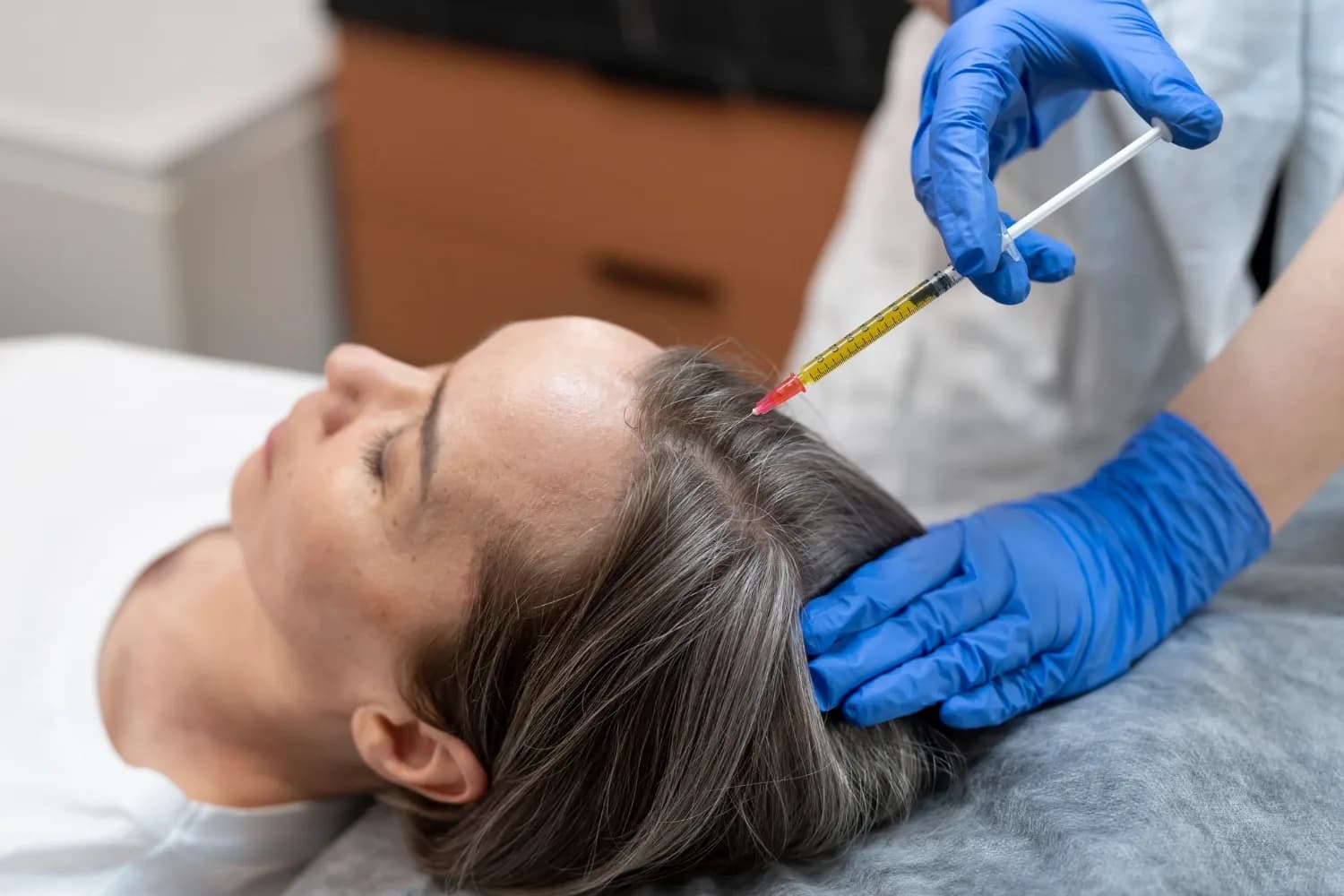
Patients increasingly ask about exosome vs PRP when they explore regenerative treatments for hair loss and skin aging.
Patients increasingly ask about exosome vs PRP when they explore regenerative treatments for hair loss and skin aging. These two approaches attract attention because both promise natural repair without surgery. However, they differ fundamentally in origin, mechanism, evidence base, and regulatory status. PRP draws concentrated platelets from the patient's own blood. Exosomes use extracellular vesicles that carry signaling molecules from donor cells. The two treatments are not interchangeable. Current research supports PRP more robustly, while exosome therapy remains promising but less standardized. Treatment selection should depend on the patient's diagnosis, goals, budget, product quality, and physician assessment. This article examines the science behind both options to help patients make informed decisions.
What Is PRP Therapy?
PRP stands for platelet-rich plasma. It represents an autologous regenerative approach that clinicians have used for over two decades in dermatology, orthopedics, and wound care.
How Is Platelet-Rich Plasma Prepared?
A clinician draws a small volume of blood from the patient's arm. The blood sample then goes into a centrifuge. The centrifuge spins the blood at high speed. This spinning separates the blood into layers. The bottom layer contains red blood cells. The middle layer contains white blood cells and platelets. The top layer contains plasma. Technicians then extract the platelet-rich portion. They may activate the platelets with calcium or thrombin. The clinician then injects the prepared PRP into the target area. Some protocols also use microneedling to deliver PRP into the skin. The entire process takes about 30 to 60 minutes. The patient leaves the clinic the same day.
How Does PRP Work?
Platelets contain alpha granules. These granules store growth factors. When platelets activate, they release these growth factors into the surrounding tissue. The growth factors include platelet-derived growth factor, vascular endothelial growth factor, transforming growth factor-beta, and epidermal growth factor. These molecules signal nearby cells to repair tissue, form new blood vessels, and remodel collagen. In the scalp, PRP may extend the anagen phase of the hair cycle. In the skin, PRP stimulates fibroblasts to produce new collagen and elastin. The mechanism relies on the body's own healing cascade. This explains why PRP works best in patients who still have viable follicles or intact skin structure.
What Are the Main Uses of PRP?
Clinicians use PRP for several indications. In hair restoration, PRP treats androgenetic alopecia in men and women. It also addresses hair thinning from stress or nutritional deficiency. In skin rejuvenation, PRP improves fine lines, texture, and skin quality. It helps manage acne scars when combined with microneedling or laser. PRP also accelerates wound healing in surgical and traumatic settings. Sports medicine physicians use it for tendon and ligament injuries. The versatility of PRP comes from its broad growth-factor profile and autologous nature.
What Are Exosomes?
Exosomes represent a newer category of regenerative therapy. They belong to the family of extracellular vesicles and function as cellular messengers.
What Are Extracellular Vesicles and Exosomes?
Cells release small membrane-bound particles into their environment. Scientists call these particles extracellular vesicles. Exosomes form a specific subtype. They measure between 30 and 150 nanometers in diameter. Cells produce exosomes inside multivesicular bodies. These bodies then fuse with the cell membrane and release the exosomes. Exosomes carry proteins, lipids, messenger RNA, microRNA, and other bioactive molecules. They transfer this cargo from one cell to another. This transfer alters the behavior of recipient cells. Exosomes differ from whole stem-cell therapies because they contain no living cells. They deliver signals without the risks of cell transplantation.
Where Do Exosomes Used in Regenerative Treatments Come From?
Manufacturers isolate exosomes from various biological sources. Mesenchymal stromal cells from bone marrow, adipose tissue, umbilical cord, placenta, and foreskin serve as common sources. Some products use hair-follicle-derived exosomes. Others use plant-derived formulations. The source matters because it determines the exosome cargo. Bone-marrow-derived exosomes may carry different signaling molecules than adipose-derived exosomes. The manufacturing method also affects purity, potency, and sterility. Unlike PRP, exosome products usually come from allogeneic or xenogeneic sources. This means the biological material does not originate from the patient receiving treatment.
How Do Exosomes Potentially Affect Hair Follicles and Skin?
Exosomes deliver their molecular cargo directly to recipient cells. In the scalp, they may activate dermal papilla cells. These cells regulate hair-follicle cycling. Exosomes may also promote angiogenesis around follicles. They might reduce local inflammation that contributes to follicular miniaturization. In the skin, exosomes may stimulate collagen production and fibroblast activity. They may accelerate post-procedure healing when applied after microneedling or laser. However, the exact mechanisms remain under investigation. Different exosome products produce different effects because their cargo varies by source and processing method.
What Is the Difference Between Exosome vs PRP?
The two therapies differ in nearly every important parameter. Patients should understand these differences before making a choice:
Factor | PRP | Exosome Therapy |
Biological source | Patient's own blood | Depends on product and manufacturer |
Main components | Platelets and associated growth factors | Extracellular vesicles with bioactive cargo |
Blood draw required | Yes | Usually no |
Mechanism | Growth-factor-mediated tissue repair | Intercellular signaling and molecular delivery |
Autologous | Yes | Usually no |
Standardization | Variable but established protocols exist | Highly variable between products |
Evidence for hair loss | More established | Promising but still developing |
Treatment cost | Generally lower | Generally higher |
Research maturity | Greater | Emerging |
Key limitation | Variation in preparation and platelet concentration | Source, purity, potency, dosing, and regulatory variability |
PRP uses the patient's own biology. This eliminates concerns about donor compatibility or disease transmission. Exosome products introduce external biological material. This raises questions about source quality, manufacturing standards, and regulatory oversight. PRP protocols vary, but clinicians have refined them over years of clinical use. Exosome protocols remain heterogeneous. Studies use different sources, doses, delivery methods, and follow-up schedules. This heterogeneity makes comparisons difficult.
How Do Exosomes and PRP Work Differently?
The biological mechanisms of these two therapies differ at the cellular level. Understanding these differences helps explain their respective strengths and limitations.
How Does PRP Deliver Regenerative Signals?
PRP delivers signals through platelet activation. When platelets encounter tissue injury or activation agents, they degranulate. They release growth factors in a burst-like pattern. These growth factors bind to receptors on nearby cells. The cells then initiate repair responses. PRP also contains fibrin, which creates a scaffold for tissue regeneration. The autologous nature of PRP means the body recognizes all components as self. This reduces immune reactions. The growth-factor profile reflects the individual patient's biology. However, this also means PRP quality varies from person to person.
How Do Exosomes Influence Cell-to-Cell Communication?
Exosomes work through direct molecular transfer. They fuse with recipient cell membranes or undergo endocytosis. They then release their cargo inside the target cells. This cargo can include microRNAs that regulate gene expression. It can include proteins that activate specific signaling pathways. Exosomes may also carry anti-inflammatory molecules. Because exosomes come from cultured cells, manufacturers can potentially standardize their content. However, current products lack this standardization. The cargo depends heavily on cell source, culture conditions, and isolation methods.
Why Does the Mechanism Matter Clinically?
The mechanism determines how each therapy fits different clinical scenarios. PRP suits patients who prefer autologous treatments. It works well for mild-to-moderate hair thinning and skin rejuvenation. Exosomes may offer more concentrated signaling in theory. But this potential advantage remains unproven in large comparative trials. The biological source, concentration, composition, treatment protocol, target tissue, and patient-specific response all influence outcomes. No single mechanism guarantees superiority.
Is Exosome Therapy More Effective Than PRP for Hair Loss?
This question dominates patient consultations. The answer requires careful examination of the evidence.
What Does the Clinical Evidence Say About PRP?
Multiple randomized controlled trials and systematic reviews support PRP for androgenetic alopecia. Li et al. conducted a systematic review and meta-analysis of RCTs evaluating PRP as monotherapy for AGA. The analysis found that PRP increased hair density compared with placebo. Male subjects showed particularly favorable outcomes. The mean difference in hair density reached approximately 26.77 hairs per square centimeter in some analyses. Donnelly et al. reviewed eight RCTs and one cohort study with 291 male participants. Six studies reported statistically significant increases in hair density with PRP. Five studies showed significant increases in hair count. However, the reviewers noted moderate risk of bias in most studies and high heterogeneity in protocols. The evidence supports PRP as a therapeutic option, but researchers call for more robust study designs.
What Does the Evidence Say About Exosomes for Hair Regrowth?
A 2025 systematic review analyzed eleven clinical studies on exosome therapy for hair loss. The review included two RCTs, three retrospective studies, three prospective single-arm studies, one case series, and two case reports. All studies showed improvements in at least one hair parameter. Hair density increased by 9.5 to 35 hairs per square centimeter across studies. Hair thickness improved by up to 13.01 micrometers. Patient satisfaction remained high. No serious adverse events occurred. However, the review highlighted critical limitations. Studies used exosomes from adipose tissue, placenta, hair follicles, bone marrow, foreskin, and umbilical cord. Dosing, delivery methods, and follow-up durations varied widely. The authors concluded that more well-standardized, high-quality RCTs are required to confirm these findings.
Can Current Research Prove That Exosomes Are Better Than PRP?
No. Current research cannot prove that exosomes outperform PRP. No large, randomized, head-to-head trial has compared the two therapies directly. Exosome studies show promising results. But these studies suffer from small sample sizes, heterogeneous protocols, and short follow-up periods. PRP has a longer research history. More RCTs support its use. The lack of standardized exosome formulations makes comparisons impossible. One product may contain billions of vesicles from adipose stem cells. Another may contain millions from placental tissue. These products are not equivalent.
What Does the Latest Comparative Research Suggest?
A 2025 systematic review compared exosome therapy, PRP, and minoxidil for androgenetic alopecia. The review found that all three modalities increased hair density. PRP demonstrated consistent follicular activation and anagen-phase prolongation. Exosome therapy showed comparable or potentially superior short-term results in some studies. However, the authors emphasized that data restrictions limited firm conclusions. Small sample numbers, brief follow-ups, and lack of standardized techniques prevented definitive comparisons. The review stated that exosome therapy represents an exciting but experimental tool. Direct comparative trials remain essential.
Is PRP or Exosome Therapy Better for Skin Rejuvenation?
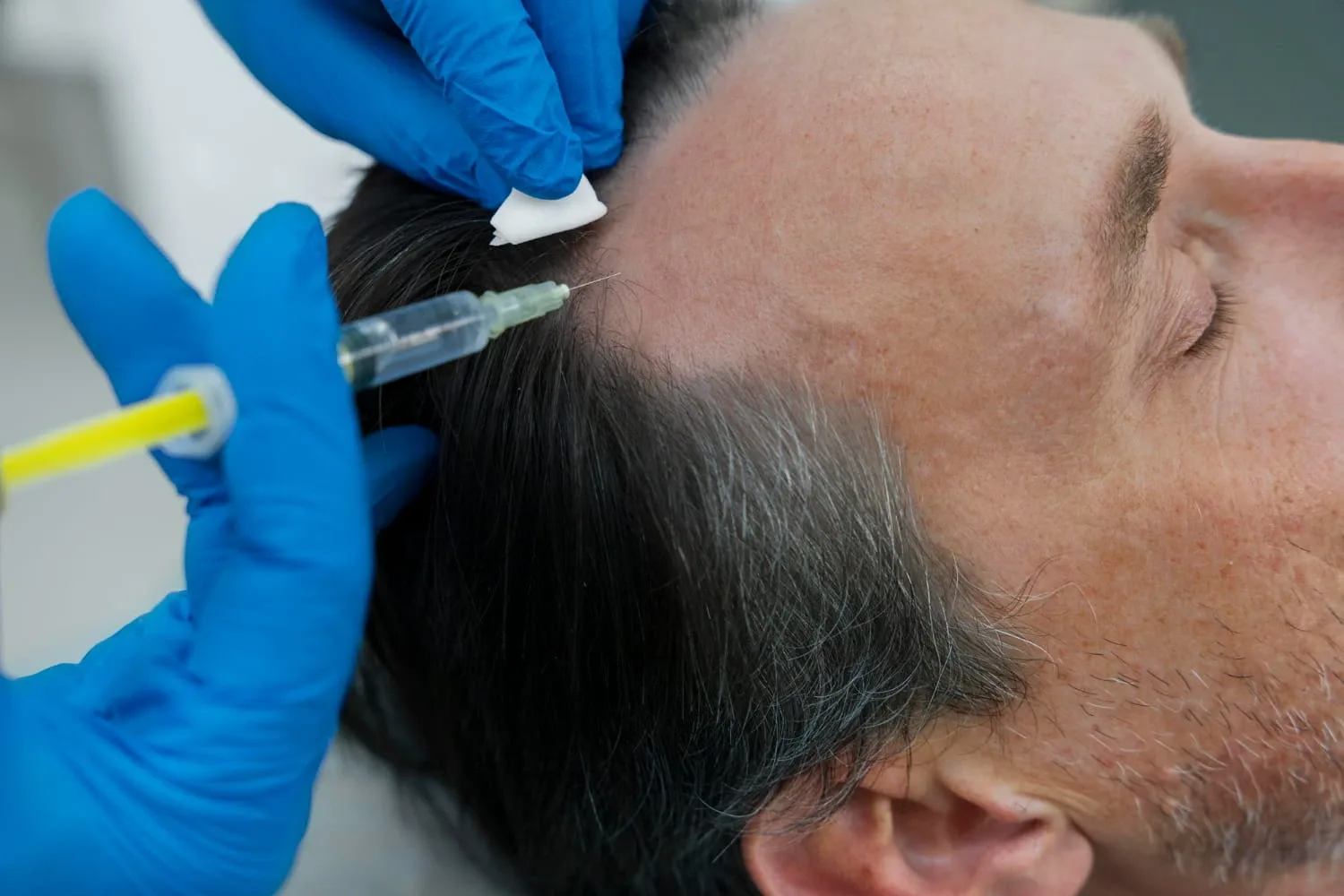
Both therapies have entered the aesthetic market for facial rejuvenation. The evidence base differs significantly.
How Is PRP Used for Skin Rejuvenation?
Clinicians inject PRP intradermally or apply it after microneedling. The growth factors stimulate collagen production and tissue repair. Abuaf et al. conducted a prospective clinical trial on PRP for facial aging. Twenty women aged 40 to 49 received PRP injections on one side of the face and saline on the other. Histopathological analysis showed an 89.05% improvement in collagen optical density on the PRP side. The PRP-to-saline improvement ratio reached 1.93 to 1. No significant side effects occurred. PRP also helps with acne scars when combined with microneedling or fractional laser. The established safety profile and autologous nature make PRP attractive for facial rejuvenation.
How Are Exosomes Used for Skin Rejuvenation?
Exosome products typically arrive as topical serums or injectable solutions. Clinicians apply them after microneedling or laser procedures. The rationale holds that exosomes penetrate the microchannels created by these procedures. They then deliver regenerative signals to skin cells. Some protocols use exosomes alone for anti-aging purposes. Early studies suggest potential effects on skin texture, elasticity, and post-procedure healing. However, clinical evidence for facial rejuvenation remains sparse compared with hair-loss studies. Most skin-rejuvenation claims rely on theoretical mechanisms or small observational reports.
Which Treatment Has Stronger Evidence for Facial Rejuvenation?
PRP currently holds stronger evidence for facial rejuvenation. Multiple clinical trials support its collagen-stimulating effects. Histological data confirm increased dermal collagen after PRP treatment. Exosome therapy for skin rejuvenation lacks comparable RCT evidence. The available studies focus more on hair restoration. Patients should separate cosmetic marketing claims from clinically established outcomes. Exosome products vary widely in composition. This variability undermines any blanket claims about their effectiveness for skin aging.
What Are the Benefits of PRP?
PRP offers several practical and clinical advantages.
What Are the Main Advantages of PRP?
PRP uses autologous blood. This eliminates risks from donor-derived biological material. The procedure requires only a standard blood draw and centrifuge. Most dermatology and aesthetic clinics can perform it. The cost remains relatively accessible compared with exosome products. PRP has broad clinical experience across dermatology, orthopedics, and wound care. Physicians understand its safety profile well. The product complexity stays low because the body manufactures the active components.
What Are the Limitations of PRP?
PRP requires blood collection. Some patients dislike needles or feel anxious about blood draws. Injection causes temporary discomfort. Platelet concentration varies between patients and preparation methods. This variability affects outcomes. Different centrifuge speeds, activation methods, and injection protocols produce different results. Multiple treatment sessions are usually necessary. Results vary between patients based on age, health status, and baseline platelet function.
What Are the Potential Benefits of Exosome Therapy?
Exosome therapy generates excitement in regenerative medicine circles. The theoretical advantages are real. The clinical evidence is catching up.
Why Are Exosomes Considered a Regenerative Therapy?
Exosomes facilitate intercellular communication. They carry bioactive molecular cargo that may influence recipient cell behavior. This cargo includes growth-related proteins, anti-inflammatory molecules, and genetic regulators. Exosomes may promote tissue repair through multiple pathways simultaneously. They may reduce inflammation while stimulating angiogenesis. This dual action appeals to researchers studying complex conditions like hair loss and skin aging.
What Are the Potential Advantages Compared With PRP?
Many exosome protocols do not require a blood draw. This appeals to patients who prefer to avoid needles. Exosome products may contain more concentrated signaling molecules than PRP. A single vial might deliver billions of vesicles. Exosomes show emerging applications in hair and skin regeneration. They may also complement microneedling and other regenerative procedures. The absence of living cells reduces certain risks associated with stem-cell transplantation.
What Are the Limitations of Exosome Therapy?
The limitations are substantial. No standardized products exist. Sources vary from adipose tissue to placental tissue to plant extracts. Optimal dosing remains unclear. No consensus exists on administration schedules. Long-term clinical evidence is limited. Regulatory frameworks differ across countries. In the United States, no FDA-approved exosome products exist for any therapeutic use. Treatment costs typically exceed PRP because of manufacturing complexity.
Is Exosome Therapy Safe?
Safety questions deserve careful attention because exosome products introduce external biological material.
What Side Effects Can Occur After Exosome Treatment?
Reported side effects remain generally mild. Patients may experience temporary redness, swelling, tenderness, or irritation at the treatment site. Injection-related effects include bruising or minor bleeding. Some studies report mild scalp itching or numbness. No serious systemic adverse events have appeared in published clinical studies. However, the long-term safety profile remains under investigation because follow-up durations in most studies are short.
Why Does Exosome Product Quality Matter?
Product quality determines both safety and efficacy. Source material must come from reputable donors or cell lines. The manufacturing process requires strict quality control. Purity testing ensures minimal contamination. Sterility testing prevents infections. Characterization confirms vesicle size, concentration, and surface markers. Proper storage maintains potency. Contamination control protects against bacterial, viral, or endotoxin contamination. Patients should ask providers about these quality parameters before treatment.
What Are the Regulatory Concerns Surrounding Exosome Products?
Regulatory status varies by jurisdiction. In the United States, the FDA has taken a clear position. The agency states that there are currently no FDA-approved exosome products. The FDA issued a public safety notification following reports of serious adverse events from unapproved exosome products. In December 2024, the FDA issued a warning letter to Evolutionary Biologics for marketing exosome products without approval. The agency classified these products as unapproved new drugs and unlicensed biological products. Patients should ask whether any exosome product has FDA review, an Investigational New Drug application, or equivalent regulatory oversight in their country. The only lawful pathway for therapeutic exosome administration in the United States is under an FDA-authorized IND within a clinical trial.
Is PRP Safer Than Exosome Therapy?
Safety comparisons require nuanced analysis rather than simple labels.
Why Does PRP Have a Different Safety Profile?
PRP uses autologous material. The patient receives their own blood components back. This eliminates concerns about donor disease transmission, immune reactions, or genetic incompatibility. PRP has a long clinical history spanning decades. Physicians know the procedural risks well. These risks include temporary pain, bruising, infection, or nerve irritation. These complications are rare and usually minor.
Does "Natural" Automatically Mean "Safer"?
No. The assumption that natural equals safer is scientifically inaccurate. Safety depends on both the biological product and the clinical procedure. PRP preparation requires strict sterility. Contaminated centrifuge tubes or improper handling can introduce infections. Exosome products may carry risks from donor tissue, manufacturing errors, or storage failures. Both therapies demand qualified providers, clean facilities, and proper protocols. Patients should evaluate safety based on evidence, not marketing language.
How Many Sessions Are Needed for PRP vs Exosome Therapy?
Treatment frequency varies for both therapies. No universal schedule applies.
What Is the Typical PRP Treatment Schedule?
Most PRP protocols for hair loss begin with three to four sessions spaced four to six weeks apart. Maintenance treatments follow every three to six months. Some protocols use monthly injections initially. Skin rejuvenation protocols may use one to three sessions. The exact schedule depends on the indication, severity, and patient response. Physicians adjust protocols based on individual progress.
How Many Exosome Treatments May Be Recommended?
Exosome protocols vary substantially. Some studies use a single session. Others use four sessions every two weeks. Some combine exosomes with microneedling monthly. Topical applications may follow different schedules than injections. No standardized protocol exists. Patients should not assume that more sessions always mean better results.
Why Should Treatment Frequency Not Be Used Alone to Compare Effectiveness?
Dose and formulation differences make frequency comparisons misleading. One exosome product may deliver 10 billion vesicles per vial. Another may deliver 100 million. PRP platelet concentrations vary from two-fold to eight-fold baseline. Different biological mechanisms require different dosing strategies. Study protocols differ in injection depth, volume, and adjunctive treatments. Without standardized head-to-head trials, session count alone cannot determine which therapy works better.
How Long Does It Take to See Results With PRP vs Exosomes?
Regenerative treatments require patience. Hair and skin remodeling follow biological timelines.
When Do PRP Hair Results Usually Become Noticeable?
PRP hair results typically appear after three to four months. The hair growth cycle explains this delay. Hair follicles enter anagen, catagen, and telogen phases. PRP aims to prolong anagen and awaken dormant follicles. Early changes may include reduced shedding. Visible density improvements usually require four to six months. Progressive improvement continues with maintenance sessions. Individual variation is significant.
When Might Exosome Results Become Noticeable?
Exosome studies report early biological changes within weeks. Visible hair growth still requires months. One study showed density improvements at four weeks. Others showed peak results at twelve weeks or six months. Hair-cycle limitations apply to exosomes just as they do to PRP. The follicle must transition through its natural phases before new hair becomes visible.
Why Do Regenerative Hair Treatments Require Patience?
Hair biology dictates the timeline. The anagen phase lasts years. The telogen phase lasts months. Follicular miniaturization in androgenetic alopecia occurs gradually. Reversing this process also takes time. Biological remodeling of the follicular microenvironment does not happen overnight. Individual variation in genetics, age, hormone levels, and health status affects response speed. Patients should set realistic expectations for any regenerative treatment.
Which Is More Affordable: Exosome Therapy or PRP?
Cost influences treatment decisions. Patients should understand why prices differ.
Why Does PRP Usually Cost Less?
PRP uses autologous preparation. The clinic needs only a blood draw kit and centrifuge. No external product purchase is necessary. Equipment costs are modest. Processing requirements are lower. These factors keep PRP prices more accessible for most patients.
Why Can Exosome Therapy Cost More?
Exosome products require complex manufacturing. Companies must isolate, purify, characterize, and store the vesicles. Quality control adds cost. Product sourcing from cell cultures or tissues involves laboratory expenses. Specialized formulations command premium prices. Storage and handling require cold chain logistics. These factors drive prices higher than PRP.
Should Cost Determine the Choice Between PRP and Exosomes?
No. Cost should not be the primary deciding factor. Patients should compare cost with evidence, safety, and treatment indication. A higher price does not guarantee greater efficacy. PRP offers established evidence at a lower cost. Exosomes charge more while offering less standardized evidence. The best value comes from the treatment that matches the patient's specific diagnosis and goals.
Who May Be a Candidate for PRP?
PRP suits a broad range of patients.
Which Hair-Loss Patients May Consider PRP?
PRP works best for early androgenetic alopecia. Patients with mild-to-moderate thinning see the best results. Those seeking nonsurgical options find PRP appealing. Patients who prefer autologous treatments also gravitate toward PRP. PRP does not work well for advanced baldness where follicles have disappeared.
Which Skin Concerns May Be Addressed With PRP?
PRP improves skin quality, fine lines, and texture irregularities. It helps with acne scars when combined with resurfacing procedures. It supports overall facial rejuvenation through collagen stimulation.
When Might PRP Be Less Appropriate?
PRP may not help patients with advanced follicular loss. Certain blood-related conditions affect platelet function. Active scalp or skin infections require treatment first. PRP addresses regenerative needs but does not replace diagnosis of underlying medical conditions.
Who May Be a Candidate for Exosome Therapy?
Exosome therapy attracts patients interested in cutting-edge treatments.
Which Patients Are Exploring Exosome Therapy for Hair Loss?
Patients with early-stage thinning or androgenetic alopecia may consider exosomes. Those interested in emerging regenerative approaches often ask about this option. However, patients should verify product quality and regulatory status before proceeding.
Which Patients May Consider Exosome-Based Skin Treatments?
Patients seeking skin rejuvenation or post-procedure recovery may explore exosomes. Those with texture and quality concerns might consider exosome application after microneedling or laser.
What Should Patients Verify Before Choosing an Exosome Product?
Patients must ask critical questions. What is the biological source? Who is the manufacturer? How do they process and purify the product? What sterility testing do they perform? How do they characterize the product? What is the regulatory status? What clinical evidence supports this specific product? What are the physician's qualifications? These questions protect patients from unregulated or substandard products.
Can PRP and Exosome Therapy Be Combined?
Some clinics offer combination treatments. The rationale requires scrutiny.
Why Might Clinicians Combine Regenerative Treatments?
Clinicians may combine PRP and exosomes to exploit complementary mechanisms. PRP provides immediate growth-factor release. Exosomes may provide sustained signaling through molecular cargo. The combination might support hair-follicle activity and skin regeneration more comprehensively. Some protocols use PRP for injection and exosomes for topical application.
Is There Enough Evidence to Recommend Combination Therapy Routinely?
No. Biological plausibility does not establish clinical superiority. No controlled clinical studies have proven that combining PRP and exosomes produces better results than either therapy alone. The need for controlled studies remains clear. Patients should view combination therapy as experimental rather than established.
Exosome vs PRP: Which Treatment Is Right for You?
The right treatment depends on individual circumstances.
When Might PRP Be the More Appropriate Option?
PRP suits patients who prefer autologous treatment. It fits those who value an established evidence base. Patients with budget constraints may find PRP more accessible. Those with mild-to-moderate hair thinning benefit most. Patients should seek experienced PRP providers who follow standardized protocols.
When Might Exosome Therapy Be Considered?
Exosome therapy may appeal to patients interested in emerging regenerative medicine. It requires an appropriate clinical indication. Patients need access to a well-characterized product. The treatment must occur under appropriate medical oversight. Patients should understand that they are participating in an evolving field with less established evidence.
What Factors Should Guide the Final Decision?
The final decision should rest on multiple factors. These include the correct diagnosis, severity and pattern of hair loss, skin condition, age, medical history, treatment goals, budget, evidence quality, product quality, regulatory environment, and physician experience. No single factor determines the best choice. A qualified physician can integrate these factors into a personalized recommendation.
What Questions Should You Ask Before Choosing PRP or Exosome Therapy?
Patients should ask their provider the following questions before committing to treatment. What is causing my hair loss or skin concern? What evidence supports this treatment for my condition? What exactly does the treatment contain? Where does the biological material come from? How is the product processed and stored? How many sessions will I need? What side effects should I expect? What happens if the treatment does not work? Is the product approved, authorized, or being used under an appropriate clinical-study framework in my country? Can you show peer-reviewed clinical evidence for this specific product and protocol?
What Does the Scientific Evidence Currently Tell Us About Exosome vs PRP?
The evidence paints a clear picture. PRP has a more established clinical and research history. Multiple RCTs and systematic reviews support its use for hair loss and skin rejuvenation. Exosomes have a biologically plausible mechanism and promising early clinical findings. Studies show potential improvements in hair density and thickness. But protocols and products vary considerably. Current evidence does not justify declaring exosomes universally superior to PRP. Direct comparative trials remain important. Long-term safety and standardized manufacturing require further investigation. Treatment decisions should prioritize diagnosis, evidence quality, product quality, and qualified medical supervision.
Frequently Asked Questions About Exosome vs PRP
Is Exosome Therapy Better Than PRP?
No current evidence proves that exosome therapy is better than PRP. Both show promise. PRP has stronger clinical evidence. Exosomes represent a newer approach with encouraging but preliminary data.
Is PRP More Proven Than Exosome Therapy?
Yes. PRP has more randomized controlled trials, systematic reviews, and years of clinical use. Exosome therapy is still building its evidence base.
Which Is Better for Hair Loss, PRP or Exosomes?
Neither is definitively better. PRP has more established evidence. Exosomes show promising early results. The best choice depends on the individual patient's situation and the available product quality.
Which Is Better for Skin Rejuvenation, PRP or Exosomes?
PRP currently has stronger evidence for facial rejuvenation and collagen stimulation. Exosome evidence for skin rejuvenation remains limited.
Are Exosomes Safe?
Early studies report mild and temporary side effects. Long-term safety data are limited. Product quality and regulatory oversight vary. Patients should verify these factors before treatment.
Does Exosome Therapy Require a Blood Draw?
Usually no. Most exosome products come from external sources. This eliminates the need for patient blood collection.
How Many PRP Sessions Are Usually Needed?
Most protocols use three to four initial sessions spaced four to six weeks apart. Maintenance sessions follow every three to six months.
How Many Exosome Sessions Are Usually Needed?
Protocols vary widely. Some use one session. Others use multiple sessions. No standard schedule exists yet.
How Long Do PRP Results Last?
PRP results typically require maintenance. Benefits may decline after 12 to 16 months without follow-up treatments.
How Long Do Exosome Results Last?
Long-term durability remains unknown. Most studies have short follow-up periods. More research is needed.
Can PRP and Exosomes Be Used Together?
Some clinics combine them. However, no strong clinical evidence supports routine combination therapy. This approach remains experimental.
Are Exosomes FDA Approved?
No. In the United States, no exosome products have FDA approval for any therapeutic use. The FDA has issued public safety notifications and warning letters about unapproved exosome products.
Which Treatment Has Fewer Side Effects?
Both treatments show generally mild side effects. PRP uses autologous material, which reduces certain risks. Exosome side effects are usually temporary and local. Neither therapy shows a clear safety advantage in published studies.
Which Treatment Costs More, PRP or Exosomes?
Exosome therapy usually costs more due to manufacturing complexity. PRP typically costs less because it uses the patient's own blood.
Can PRP or Exosomes Regrow Completely Lost Hair?
No. Neither treatment can restore hair in areas where follicles have completely disappeared. Both work best for thinning hair where follicles remain viable.
Conclusion: What Should You Know Before Choosing Exosome vs PRP?
PRP and exosomes represent different biological approaches to regeneration. PRP uses the patient's own platelet-derived signaling system. Exosomes use extracellular-vesicle-mediated signaling from external sources. PRP currently holds the more established evidence base. Multiple systematic reviews and randomized trials support its efficacy for hair loss and skin rejuvenation. Exosome therapy represents a promising but still developing field. Early clinical studies show encouraging results. However, heterogeneity in products, protocols, and evidence quality prevents definitive conclusions. Patients should avoid equating marketing claims with clinical evidence. Product quality, regulatory oversight, and qualified medical assessment matter more than trendy labels. The best treatment is the one supported by evidence for the patient's specific diagnosis and delivered through an appropriate medical protocol. Consult a board-certified dermatologist or hair restoration specialist. Ask for peer-reviewed evidence. Verify product sources and regulatory status. Make your decision based on science, not hype.
References
Abuaf, Ozlem Karabudak, et al. "Histological Evidence for Use of Platelet Rich Plasma in Skin Rejuvenation." Journal of Cosmetic and Laser Therapy, vol. 23, no. 3-4, 2021, pp. 158-164.
Donnelly, C., et al. "The Role of Platelet-Rich Plasma in Androgenetic Alopecia: A Systematic Review." Journal of Cosmetic Dermatology, vol. 23, no. 5, 2024, pp. 1551-1559.
"Exosomes and Hair Regeneration: A Systematic Review of Clinical Evidence Across Alopecia Types and Exosome Sources." PMC, 2025, pmc.ncbi.nlm.nih.gov/articles/PMC12433634/.
"From Cells to Strands: A Systematic Review Comparing Exosome Therapy, Platelet-Rich Plasma, and Minoxidil for Androgenetic Alopecia Treatment." PMC, 2025, pmc.ncbi.nlm.nih.gov/articles/PMC12351504/.
Li, M., et al. "Effectiveness of Platelet-Rich Plasma in the Treatment of Androgenetic Alopecia: A Systematic Review and Meta-Analysis." Dermatologic Therapy, vol. 36, no. 4, 2023, p. e14226.
"Public Safety Notification on Exosome Products." U.S. Food and Drug Administration, 6 Dec. 2019, www.fda.gov/vaccines-blood-biologics/safety-availability-biologics/public-safety-notification-exosome-products.
"Regulation of Exosomes as Biologic Medicines." PMC, 2024, pmc.ncbi.nlm.nih.gov/articles/PMC11307316/.
"Warning Letter: Evolutionary Biologics Inc." U.S. Food and Drug Administration, 30 Dec. 2024, www.fda.gov/inspections-compliance-enforcement-and-criminal-investigations/warning-letters/evolutionary-biologics-inc-681586-12302024.