
Exosome Hair Treatment Benefits
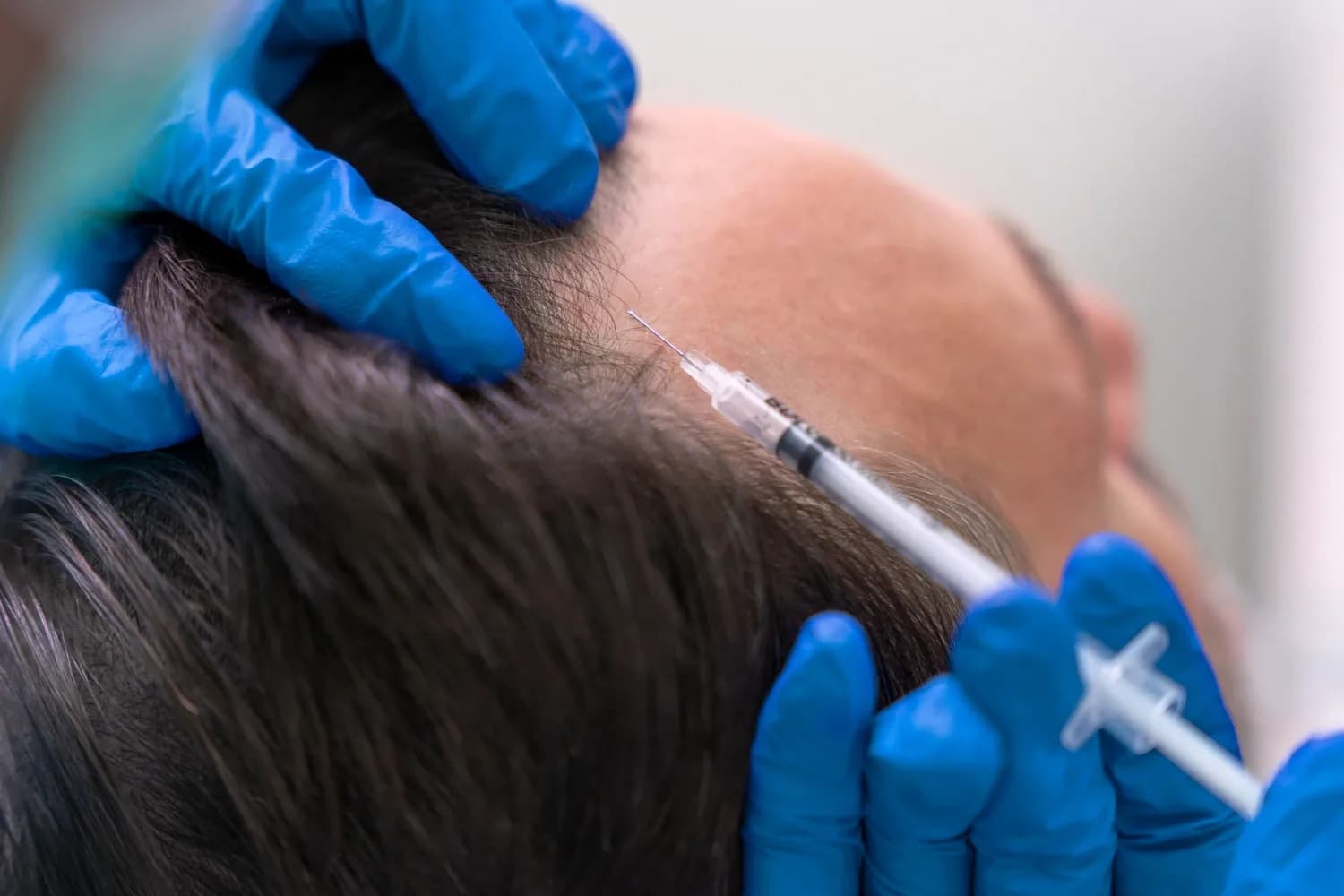
Exosome hair treatment benefits include stimulation of new hair growth, increased hair density, improved hair thickness, extended growth phases.
Exosome hair treatment benefits include stimulation of new hair growth, increased hair density, improved hair thickness, extended growth phases, and revitalization of dormant follicles through cell-free regenerative signaling.
Growing interest in regenerative medicine has transformed how clinicians approach hair loss. Patients now seek solutions that go beyond traditional medications and surgical interventions. Exosome therapy has emerged as one of the most discussed non-surgical hair restoration treatments in recent years. This approach harnesses the natural communication system between cells to promote hair regeneration. Current scientific evidence supports several promising mechanisms, though researchers continue to explore the full potential of this emerging treatment. The field evolves rapidly, and clinicians remain optimistic about future applications.
What Is Exosome Hair Treatment?
Exosome hair treatment uses cell-free extracellular vesicles to deliver regenerative signals directly to hair follicles, promoting natural hair growth without transplanting living cells.
Understanding Exosomes
Exosomes are tiny extracellular vesicles that carry growth factors, proteins, lipids, mRNA, and microRNA between cells to regulate biological processes.
Exosomes represent a class of extracellular vesicles that cells release naturally. These microscopic particles measure between 30 and 150 nanometers in diameter. They function as messengers in cell-to-cell communication. Every cell in the body produces exosomes, and these particles travel through biological fluids to reach target cells. Exosomes carry a rich cargo of bioactive molecules. This cargo includes growth factors, proteins, lipids, messenger RNA (mRNA), and microRNA. When exosomes reach their destination, they transfer this cargo into recipient cells. This transfer triggers specific biological responses. In hair restoration, exosomes deliver signals that activate dormant follicles and support healthy hair cycling. Researchers have identified over 9,000 different proteins within exosomes, making them powerful biological tools (Raposo and Stoorvogel, 2013).
How Do Exosomes Differ from Stem Cells?
Exosomes provide cell-free regenerative therapy with lower immunogenicity, since no living cells enter the body during treatment.
Stem cell therapy involves transplanting living cells into the scalp. Exosome therapy takes a different approach. Clinicians use only the signaling particles that stem cells produce. This distinction matters for several reasons. First, exosome therapy carries lower immunogenicity. The body rarely rejects exosomes because no foreign living cells enter the tissue. Second, exosomes bypass many ethical concerns associated with stem cell research. Third, exosomes offer easier storage and handling compared to living cells. Fourth, the risk of uncontrolled cell proliferation disappears with exosome-based treatments. Researchers at the University of North Carolina demonstrated that mesenchymal stem cell-derived exosomes promote tissue repair without the complications of direct cell transplantation (Lener et al., 2015).
What Sources of Exosomes Do Clinicians Use in Hair Restoration?
Clinicians source exosomes from mesenchymal stem cells, adipose-derived stem cells, bone marrow, umbilical cord tissue, and dermal papilla cells.
Different sources yield exosomes with varying properties. Mesenchymal stem cells (MSCs) represent the most common source. Adipose-derived stem cells (ADSCs) produce exosomes rich in angiogenic factors. Bone marrow-derived MSCs generate exosomes with strong immunomodulatory effects. Umbilical cord-derived MSCs offer high proliferation capacity and minimal ethical concerns. Dermal papilla cell-derived exosomes contain hair-specific growth signals. Researchers also explore other experimental sources, including induced pluripotent stem cells and plant-derived exosomes. Each source offers unique advantages for hair restoration applications. A study published in the Journal of Investigative Dermatology showed that dermal papilla cell-derived exosomes specifically influence hair follicle cycling (Ohyama et al., 2012).
How Does Exosome Hair Treatment Work?
Exosome hair treatment works by delivering regenerative signals that activate follicle stem cells, stimulate dermal papilla cells, promote blood vessel formation, reduce inflammation, and regulate the hair growth cycle.
How Do Exosomes Enable Communication Between Cells?
Exosomes fuse with target cells and release their cargo of proteins, RNA, and growth factors to trigger specific regenerative responses.
Cells communicate through multiple pathways. Exosomes serve as one of the most efficient methods. These vesicles travel through tissue fluid and blood until they reach their target. Upon contact, exosomes fuse with the recipient cell membrane. This fusion releases the internal cargo directly into the cytoplasm. The cargo then influences gene expression and protein synthesis within the target cell. In scalp tissue, this communication network coordinates the behavior of multiple cell types. Hair follicle cells, immune cells, and blood vessel cells all respond to exosome signals. This coordinated response creates an environment that supports hair regeneration.
How Do Exosomes Activate Hair Follicle Stem Cells?
Exosomes deliver growth factors like Wnt and BMP that awaken dormant stem cells in the bulge region of hair follicles.
Hair follicle stem cells reside in a specialized niche called the bulge region. These cells remain dormant until specific signals activate them. Exosomes carry growth factors that trigger this activation. Key signals include Wnt proteins, bone morphogenetic proteins (BMPs), and sonic hedgehog pathways. When exosomes reach the bulge region, they release these factors. The stem cells then begin dividing and differentiating. This process generates new hair shaft cells and supports follicle regeneration. Research from Stanford University demonstrated that Wnt signaling plays a critical role in activating hair follicle stem cells during the transition from telogen to anagen (Plikus et al., 2008).
How Do Exosomes Stimulate Dermal Papilla Cells?
Exosomes enhance dermal papilla cell proliferation and migration, which strengthens the follicle's anchoring and growth capacity.
Dermal papilla cells sit at the base of each hair follicle. These cells control hair growth, thickness, and cycling. Exosomes stimulate dermal papilla cells to proliferate and migrate. This stimulation strengthens the entire follicle structure. When dermal papilla cells become more active, they produce more growth factors themselves. This creates a positive feedback loop. The follicle grows larger and produces thicker hair shafts. Studies show that exosomes from adipose-derived stem cells significantly increase dermal papilla cell activity in laboratory settings (Zhou et al., 2016).
How Do Exosomes Promote Angiogenesis Around Hair Follicles?
Exosomes release vascular endothelial growth factor (VEGF) and other signals that build new blood vessels around follicles.
Hair follicles need a robust blood supply. Without adequate blood flow, follicles shrink and enter dormancy. Exosomes promote angiogenesis, which means the formation of new blood vessels. They carry vascular endothelial growth factor (VEGF) and other pro-angiogenic molecules. When clinicians deliver exosomes to the scalp, these factors stimulate nearby blood vessels to branch and grow. New capillaries form around each follicle. This improved blood supply delivers more oxygen and nutrients. The follicle receives everything it needs for active growth. Research published in Stem Cells Translational Medicine confirmed that MSC-derived exosomes enhance angiogenesis through VEGF signaling (Liang et al., 2016).
How Do Exosomes Reduce Scalp Inflammation?
Exosomes suppress pro-inflammatory cytokines and modulate immune cell activity to create a healthier scalp environment.
Chronic inflammation damages hair follicles. Conditions like androgenetic alopecia involve inflammatory processes that shrink follicles over time. Exosomes carry anti-inflammatory molecules. These include interleukin-10 (IL-10), transforming growth factor-beta (TGF-β), and prostaglandin E2. When exosomes enter scalp tissue, they suppress pro-inflammatory cytokines like tumor necrosis factor-alpha (TNF-α) and interleukin-6 (IL-6). They also modulate immune cell behavior. Macrophages shift from a pro-inflammatory state to a regenerative state. This reduction in inflammation protects existing follicles and creates space for new growth. A systematic review in Frontiers in Immunology highlighted the potent immunomodulatory effects of MSC exosomes (Harrell et al., 2019).
How Do Exosomes Regulate the Hair Growth Cycle?
Exosomes influence all three phases of the hair cycle, anagen, catagen, and telogen, to extend growth and shorten resting periods.
The hair growth cycle contains three main phases. Anagen represents the active growth phase. Catagen marks the transitional regression phase. Telogen describes the resting phase. Exosomes influence each phase. They extend anagen by activating stem cells and dermal papilla cells. They may shorten telogen by triggering the transition back to anagen. They protect follicles during catagen by reducing apoptosis signals. This regulation creates longer growth periods and shorter resting periods. The result is more hair on the scalp at any given time. Research from the University of Pennsylvania showed that exosome-mediated signaling helps coordinate the synchronized cycling of hair follicles (Chen et al., 2014).
What Are the Main Exosome Hair Treatment Benefits?
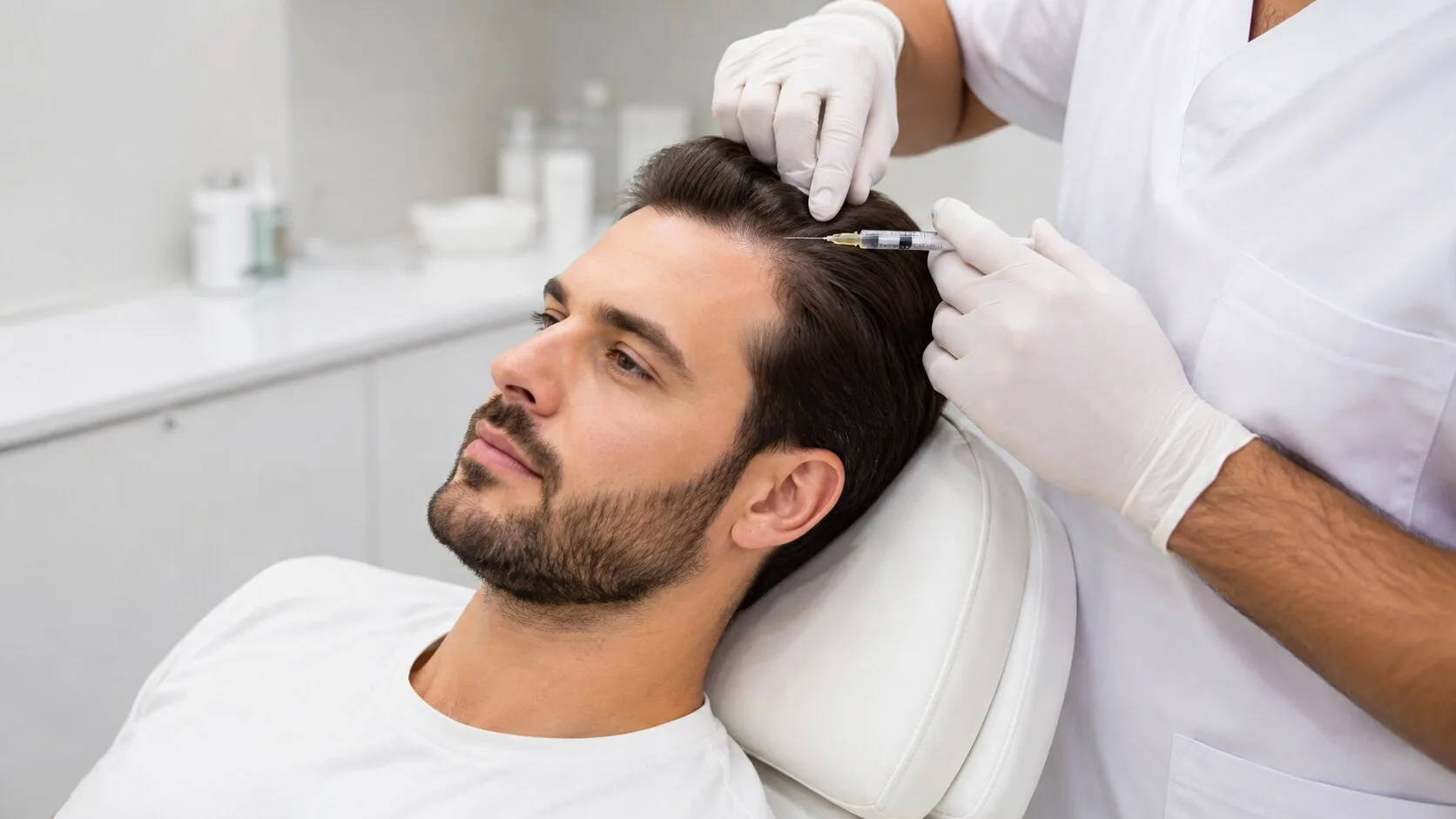
The main exosome hair treatment benefits include new hair growth, increased density, improved thickness, extended growth phases, revitalized dormant follicles, reduced shedding, better scalp health, enhanced blood vessel formation, tissue repair support, minimal invasiveness, and an alternative for patients who cannot use certain medications.
Does Exosome Treatment Stimulate New Hair Growth?
Yes, exosome treatment stimulates new hair growth by activating dormant follicles and supporting the emergence of new hair shafts.
Exosome therapy triggers the formation of new hair in areas where follicles have become dormant. The growth factors within exosomes signal follicle stem cells to begin producing new hair shafts. Patients often notice fine, new hairs appearing in previously thinning areas. These new hairs gradually thicken and darken over several months. The treatment does not create new follicles, but it maximizes the output of existing ones. Clinical observations show that patients with early-stage hair loss respond most dramatically to this stimulation.
Does Exosome Treatment Increase Hair Density?
Yes, exosome treatment increases hair density by awakening multiple dormant follicles and extending the growth phase of active ones.
Hair density measures how many hairs grow per square centimeter of scalp. Exosome therapy improves density through multiple mechanisms. First, it activates follicles that have entered the resting phase prematurely. Second, it extends the growth phase of already-active follicles. Third, it reduces shedding by strengthening the hair anchoring system. Studies measuring hair density before and after exosome treatment report increases ranging from 15% to 35% in treated areas. These improvements become visible within three to six months.
Does Exosome Treatment Improve Hair Thickness?
Yes, exosome treatment improves hair thickness by enlarging follicles and increasing the diameter of individual hair shafts.
Hair thickness depends on follicle size. Larger follicles produce thicker hair shafts. Exosomes stimulate dermal papilla cells to expand. As these cells grow, the entire follicle structure enlarges. The hair shaft that emerges becomes wider and stronger. Patients report that their hair feels fuller and more substantial. Trichoscopic measurements confirm increases in hair shaft diameter following exosome therapy. This improvement in thickness contributes significantly to the overall appearance of hair volume.
Does Exosome Treatment Extend the Anagen Phase?
Yes, exosome treatment extends the anagen phase by maintaining active signaling pathways that keep follicles in growth mode.
The anagen phase typically lasts two to seven years for scalp hair. Exosome therapy helps maintain this phase longer. The growth factors within exosomes continuously signal follicles to remain active. This prevents premature entry into the catagen and telogen phases. Longer anagen phases mean more hair remains on the head at any time. This effect proves especially valuable for patients experiencing shortening of the growth cycle due to aging or hormonal factors.
Can Exosome Treatment Revitalize Dormant Hair Follicles?
Yes, exosome treatment can revitalize dormant hair follicles by reactivating stem cells and restoring the follicle's biological machinery.
Dormant follicles still contain living stem cells. These cells have simply stopped receiving the signals needed for activation. Exosomes deliver the missing signals directly to the follicle niche. The stem cells reawaken and begin dividing. The follicle rebuilds its structure and starts producing hair again. This revitalization process takes time. Patients typically see initial signs of reactivation within two to three months. Full revitalization may require six to twelve months.
Does Exosome Treatment Reduce Hair Shedding?
Yes, exosome treatment reduces hair shedding by strengthening the hair anchoring complex and prolonging the growth phase.
Hair shedding occurs when follicles enter the telogen phase and release their hair shafts. Exosome therapy reduces shedding in two ways. First, it strengthens the connection between the hair shaft and the follicle. Second, it delays the transition from anagen to telogen. Patients notice fewer hairs on their pillows, in the shower, and on their combs. This reduction in shedding becomes one of the earliest observable benefits of treatment.
Does Exosome Treatment Improve Scalp Health?
Yes, exosome treatment improves scalp health by reducing inflammation, balancing oil production, and enhancing tissue repair.
A healthy scalp provides the foundation for healthy hair. Exosomes improve scalp conditions through their anti-inflammatory and regenerative properties. They reduce redness, irritation, and flaking. They support the repair of damaged scalp tissue. They also help balance the scalp microbiome by modulating immune responses. Patients often report that their scalp feels healthier and more comfortable after treatment.
Does Exosome Treatment Enhance Blood Vessel Formation?
Yes, exosome treatment enhances blood vessel formation around follicles by delivering pro-angiogenic growth factors that stimulate capillary growth.
Blood vessels deliver oxygen and nutrients to hair follicles. Exosomes promote the growth of new capillaries in scalp tissue. This angiogenesis ensures that each follicle receives adequate nourishment. Improved blood flow also helps remove waste products from the follicle environment. The combination of better nutrient delivery and waste removal creates optimal conditions for hair growth.
Does Exosome Treatment Support Tissue Repair and Regeneration?
Yes, exosome treatment supports tissue repair by delivering molecules that accelerate healing and regenerate damaged scalp tissue.
Scalp tissue can sustain damage from inflammation, trauma, or environmental factors. Exosomes contain molecules that accelerate tissue repair. They stimulate fibroblast activity, collagen production, and extracellular matrix remodeling. These processes heal damaged tissue and create a healthier environment for follicles. Patients recovering from hair transplant surgery particularly benefit from this regenerative support.
Is Exosome Treatment Minimally Invasive with Little Downtime?
Yes, exosome treatment is minimally invasive and requires little to no downtime, with most patients resuming normal activities immediately.
Exosome therapy involves injections or topical application combined with microneedling. These methods avoid surgery. The procedure typically takes 30 to 60 minutes. Patients experience minimal discomfort. Most return to work and social activities on the same day. Some redness or mild swelling may occur, but these effects resolve within 24 to 48 hours. This convenience makes exosome therapy attractive for busy individuals.
Can Exosome Treatment Help Patients Who Cannot Use Certain Medications?
Yes, exosome treatment offers a regenerative alternative for patients who cannot tolerate or do not respond to medications like finasteride or minoxidil.
Some patients experience side effects from FDA-approved hair loss medications. Others do not respond to these treatments. Exosome therapy provides an alternative pathway to hair restoration. It works through natural regenerative mechanisms rather than hormonal or vasodilatory pathways. This makes it suitable for patients who seek drug-free options or who have contraindications to standard medications.
What Does the Scientific Evidence Say About Exosome Hair Treatment?
Scientific evidence from laboratory research, animal studies, and early human trials shows promising improvements in hair density and thickness, though larger randomized controlled trials are still needed.
What Have Laboratory Studies Revealed?
Laboratory studies reveal that exosomes promote dermal papilla cell proliferation, follicle stem cell activation, and angiogenic factor expression in controlled settings.
In vitro research provides the foundation for understanding exosome mechanisms. Scientists culture dermal papilla cells and hair follicle stem cells in laboratory dishes. They then expose these cells to exosomes and measure the responses. Results consistently show increased cell proliferation, enhanced migration, and elevated expression of growth factors. These laboratory findings establish the biological rationale for clinical application.
What Have Animal Studies Demonstrated?
Animal studies demonstrate that exosome injections increase hair growth, density, and follicle size in models of hair loss.
Researchers use animal models, particularly mice, to test exosome therapy in living organisms. Studies show that exosome injections into the skin of mice with induced hair loss trigger faster and denser hair regrowth. Histological analysis reveals larger follicles, thicker hair shafts, and more active growth phases. These animal studies bridge the gap between laboratory research and human clinical trials.
What Have Human Clinical Studies Found?
Human clinical studies have found measurable improvements in hair count, density, and patient satisfaction following exosome treatment.
Early human trials show encouraging results. In one study, patients with androgenetic alopecia received exosome injections. Researchers measured hair density using standardized photography and trichoscopy. Results showed significant increases in hair count and density at three and six months. Patient satisfaction scores also improved. Another study compared exosome therapy to placebo injections. The exosome group showed superior outcomes in hair growth parameters.
What Do Systematic Reviews Conclude?
Systematic reviews conclude that exosome therapy shows promise for hair restoration but emphasize the need for larger randomized controlled trials and standardized protocols.
Researchers have begun compiling findings from multiple studies into systematic reviews. These reviews note consistent trends toward improved hair density and thickness. They also highlight safety, with few adverse events reported. However, reviewers point out limitations. Many studies involve small sample sizes. Treatment protocols vary widely. Exosome sources and concentrations differ between studies. The reviewers call for larger, well-designed randomized controlled trials to establish definitive efficacy. A comprehensive review published in the International Journal of Molecular Sciences summarized these findings and outlined future research directions (Wu et al., 2021).
Who Is a Good Candidate for Exosome Hair Treatment?
Good candidates include men and women with pattern hair loss, early thinning, diffuse hair loss, hair transplant patients seeking faster healing, and individuals looking for non-surgical regenerative options.
Can Men with Pattern Hair Loss Benefit?
Yes, men with androgenetic alopecia benefit from exosome treatment, especially in early to moderate stages of hair loss.
Male pattern hair loss, or androgenetic alopecia, affects millions of men worldwide. Exosome therapy addresses the underlying follicle miniaturization that characterizes this condition. Men in the early to moderate stages respond best. Their follicles retain enough stem cells to reactivate. Men with advanced baldness may see limited results because many follicles have already disappeared.
Can Women with Pattern Hair Loss Benefit?
Yes, women with female pattern hair loss benefit from exosome treatment, which addresses thinning across the crown and frontal areas.
Female pattern hair loss presents differently from male pattern loss. Women typically experience diffuse thinning across the crown while maintaining their frontal hairline. Exosome therapy helps by revitalizing follicles throughout the thinning areas. Women often respond well because their hair loss progresses more gradually, leaving more viable follicles for treatment.
Is Early Hair Thinning the Best Time to Start?
Yes, early hair thinning represents the optimal time to start exosome treatment because more follicles remain in a salvageable state.
Early intervention yields the best outcomes. When hair thinning first becomes noticeable, follicles have begun miniaturizing but have not disappeared. Exosome therapy can reverse this miniaturization process. The treatment reactivates stem cells and restores normal follicle function. Patients who start treatment early often achieve more dramatic and lasting results.
Does Exosome Treatment Help with Diffuse Hair Loss?
Yes, exosome treatment helps with diffuse hair loss by addressing multiple follicles across the scalp simultaneously.
Diffuse hair loss involves shedding from all areas of the scalp rather than specific patterns. This condition can result from stress, nutritional deficiencies, or hormonal changes. Exosome therapy addresses the widespread follicle dysfunction. The treatment improves scalp health, reduces inflammation, and supports follicle recovery across the entire treated area.
Can Hair Transplant Patients Use Exosome Treatment?
Yes, hair transplant patients use exosome treatment to accelerate healing, improve graft survival, and enhance overall results.
Hair transplant surgery creates trauma in both the donor and recipient areas. Exosome therapy accelerates healing in these areas. The growth factors and anti-inflammatory molecules promote tissue repair. They also improve blood supply to transplanted grafts. This enhanced environment increases graft survival rates. Patients who combine exosome therapy with transplantation often see faster recovery and better final results.
Who Seeks Non-Surgical Regenerative Options?
Individuals who prefer non-surgical approaches, cannot undergo surgery, or want to complement existing treatments seek exosome therapy as a regenerative option.
Many patients want to avoid surgery. Others cannot undergo surgical procedures due to medical conditions. Some seek to enhance the results of their current treatments. Exosome therapy meets these needs. It offers a regenerative approach without incisions, stitches, or significant downtime. Patients appreciate the natural mechanism and minimal invasiveness.
How Is Exosome Hair Treatment Performed?
Exosome hair treatment involves an initial consultation, scalp assessment, preparation of the treatment area, delivery through injections or microneedling, and a brief recovery period.
What Happens During the Initial Consultation?
During the initial consultation, the clinician evaluates hair loss patterns, discusses medical history, and determines whether exosome therapy suits the patient's needs.
The consultation establishes the foundation for successful treatment. The clinician examines the patient's scalp and hair. They review the patient's medical history, including previous treatments and any underlying conditions. They discuss expectations and explain the treatment process. This consultation ensures that exosome therapy aligns with the patient's goals and health status.
How Does the Clinician Assess the Scalp?
The clinician assesses the scalp using visual examination, trichoscopy, and sometimes photography to document baseline conditions and identify target areas.
Scalp assessment provides objective data. The clinician uses a dermatoscope to magnify the scalp and examine individual follicles. They count hairs per square centimeter. They measure hair shaft diameter. They document these findings with standardized photographs. This baseline data allows accurate measurement of treatment results.
How Does the Clinician Prepare the Treatment Area?
The clinician cleanses the scalp with antiseptic solution and may apply topical anesthetic to ensure patient comfort during the procedure.
Preparation ensures safety and comfort. The clinician cleans the scalp to reduce infection risk. They may apply a topical numbing cream to minimize discomfort during injections. Some clinics use cooling devices to further reduce sensation. The preparation takes 15 to 30 minutes before the actual treatment begins.
What Delivery Methods Do Clinicians Use?
Clinicians deliver exosomes through scalp injections, microneedling-assisted application, or combination techniques.
Three main delivery methods exist. Direct scalp injections place exosomes precisely into the target areas. Microneedling creates tiny channels in the scalp and allows topical exosome application to penetrate deeply. Combination techniques use both methods for maximum effect. The clinician selects the method based on the patient's condition, treatment goals, and exosome formulation.
How Long Does the Treatment Take?
The actual exosome treatment takes 30 to 60 minutes, with the entire appointment lasting approximately 60 to 90 minutes including preparation.
The procedure duration varies based on the treatment area size and delivery method. Injection-based treatments may take longer for large areas. Microneedling procedures often proceed more quickly. The clinician works methodically to ensure even distribution of exosomes across all target areas.
What Is the Recovery Timeline?
Recovery takes 24 to 48 hours, with most patients resuming normal activities immediately and any redness or swelling resolving within two days.
Recovery from exosome therapy is minimal. Patients may experience mild redness, slight swelling, or tenderness at injection sites. These effects typically resolve within one to two days. Clinicians advise avoiding strenuous exercise, swimming, and direct sun exposure for 24 to 48 hours. Patients can wash their hair gently after 24 hours.
What Results Can Patients Expect from Exosome Hair Treatment?
Patients can expect an early healing phase, initial hair changes within two to three months, progressive improvement over six to twelve months, and long-term enhancement of hair quality.
What Happens During the Early Healing Phase?
During the early healing phase, the scalp recovers from the procedure and exosomes begin integrating into the tissue to initiate regenerative processes.
The first two weeks focus on healing. Any redness or swelling from the procedure subsides. The exosomes begin interacting with scalp cells. Patients typically do not see visible hair changes during this period. However, biological processes begin beneath the surface. Follicle cells start responding to the exosome signals.
When Do Initial Hair Changes Appear?
Initial hair changes appear within two to three months, often starting with reduced shedding and the emergence of fine new hairs.
The first visible signs emerge around the two-month mark. Patients notice less hair falling out during washing and combing. Fine, new hairs may appear along the hairline or in thinning areas. These early hairs are often light and thin. They represent the first wave of follicle reactivation.
How Does Improvement Progress Over Time?
Improvement progresses steadily from three to six months, with increased density, thickness, and coverage becoming more noticeable.
Between three and six months, changes accelerate. New hairs grow longer and thicker. Existing hairs appear stronger. The overall density increases as more follicles enter the growth phase. Patients often receive compliments from friends and family during this period. Photographic comparisons show clear differences from baseline.
What Long-Term Hair Quality Can Patients Expect?
Long-term hair quality improves over six to twelve months, with fuller, thicker, and healthier hair that maintains better growth cycling.
The full benefits develop over six to twelve months. Hair reaches its maximum thickness and density. The growth cycle stabilizes with longer anagen phases. Hair quality improves in texture, shine, and strength. Patients enjoy a more youthful appearance and increased confidence.
What Factors Influence Treatment Results?
Age, hair loss stage, overall health, scalp condition, and treatment protocol all influence the results of exosome hair treatment.
Several factors affect outcomes. Younger patients often respond better because their follicles retain more regenerative capacity. Patients in earlier stages of hair loss see more dramatic improvements. Overall health, including nutrition and hormone balance, supports better results. Scalp conditions like dermatitis may require management before treatment. The specific exosome source, concentration, and delivery method also impact efficacy.
What Does the Exosome Hair Treatment Timeline Look Like?
The exosome hair treatment timeline shows early scalp changes at one month, visible growth at three months, significant improvement at six months, and optimal results at twelve months.
What Changes Occur at One Month?
At one month, patients experience reduced scalp inflammation, improved scalp comfort, and the beginning of biological activation beneath the surface.
One month after treatment, the scalp environment improves. Inflammation decreases. Blood flow increases. Follicle cells have begun responding to exosome signals. Visible hair changes remain minimal, but the biological foundation for growth strengthens.
What Changes Occur at Three Months?
At three months, patients notice reduced shedding, the appearance of fine new hairs, and early improvements in hair density.
Three months marks the first significant milestone. New hairs emerge from reactivated follicles. Shedding decreases noticeably. Patients begin to see changes in photographs. The hairline may appear slightly fuller. Crown thinning shows early signs of improvement.
What Changes Occur at Six Months?
At six months, patients observe substantial increases in hair density, thickness, and overall coverage across treated areas.
Six months brings the most dramatic visible changes. Hair density increases by 15% to 35% in many patients. Individual hairs grow thicker and stronger. The scalp shows less visible thinning. Patients often feel satisfied with their progress at this stage.
What Changes Occur at Twelve Months?
At twelve months, patients achieve optimal results with maximum hair density, thickness, and quality, along with stabilized growth cycling.
Twelve months represents the peak of treatment benefits. Hair reaches its full potential in thickness and density. The growth cycle has stabilized. Patients enjoy long-lasting results. Maintenance treatments may help preserve these gains.
What Constitutes Realistic Expectations?
Realistic expectations include gradual improvement over months, moderate to significant density gains, thicker individual hairs, and the understanding that results vary between individuals.
Patients must maintain realistic expectations. Exosome therapy improves existing follicles but does not create new ones. Results develop gradually over months, not weeks. Individual responses vary based on biological factors. The treatment works best as part of a comprehensive hair restoration approach.
How Does Exosome Hair Treatment Compare to PRP?
Exosome treatment delivers more concentrated and diverse growth signals than PRP, requires fewer sessions, and offers more consistent results, though both treatments use regenerative principles.
Feature | Exosome Hair Treatment | PRP Therapy |
Source of regenerative factors | Laboratory-isolated exosomes from stem cells | Patient's own blood platelets |
Growth factor concentration | High and standardized | Variable depending on patient |
Number of growth signals | Hundreds of proteins, mRNA, microRNA | Primarily platelet-derived growth factors |
Treatment sessions needed | 1 to 3 sessions | 3 to 6 sessions initially |
Recovery time | 24 to 48 hours | 24 to 48 hours |
Immunogenicity risk | Minimal (cell-free) | Minimal (autologous) |
Consistency of results | More consistent due to standardized products | Variable due to individual platelet differences |
Scientific evidence level | Emerging, early clinical trials | Established, multiple clinical studies |
What Are the Key Differences in Source?
Exosomes come from standardized laboratory-cultured stem cells, while PRP comes from the patient's own blood, leading to variability in growth factor levels.
Exosomes derive from carefully controlled laboratory cultures. Clinicians can standardize the concentration and composition. PRP comes from the patient's own blood. Platelet levels vary between individuals. This variability affects the quality and quantity of growth factors in each PRP preparation.
How Do the Biological Mechanisms Differ?
Exosomes deliver a broader range of signals including microRNA and mRNA, while PRP primarily delivers platelet-derived growth factors.
Exosomes carry a diverse cargo. This includes proteins, lipids, mRNA, and microRNA. This diversity allows exosomes to influence multiple cellular pathways simultaneously. PRP primarily delivers growth factors stored in platelet granules. While effective, the range of signals is narrower.
Which Treatment Delivers More Growth Signals?
Exosome treatment delivers more growth signals due to the hundreds of bioactive molecules contained in each vesicle.
Each exosome contains hundreds of bioactive molecules. These include multiple growth factor types, genetic material, and signaling proteins. PRP contains fewer distinct molecule types. The higher diversity of exosome cargo may explain the more robust cellular responses observed in research.
How Do Treatment Sessions Compare?
Exosome treatment typically requires 1 to 3 sessions, while PRP usually requires 3 to 6 initial sessions.
Exosome therapy often produces results with fewer sessions. The concentrated and diverse signals may create stronger initial effects. PRP typically requires a series of treatments to achieve comparable results. Maintenance schedules also differ between the two approaches.
How Does Recovery Compare?
Both treatments involve minimal recovery of 24 to 48 hours, with similar post-procedure sensations of mild redness and tenderness.
Recovery profiles are similar for both treatments. Both involve injections or microneedling. Both cause mild, temporary side effects. Patients resume normal activities quickly with either approach.
What Does the Scientific Evidence Show?
PRP has more established scientific evidence with numerous clinical trials, while exosome therapy shows promising early results but needs more large-scale studies.
PRP has undergone extensive clinical testing. Multiple randomized controlled trials support its efficacy. Exosome therapy is newer. Early studies show promise, but the evidence base remains smaller. Researchers continue to conduct larger trials to establish exosome therapy's place in hair restoration.
Which Treatment Suits Which Patient?
Exosome treatment suits patients seeking faster results with fewer sessions and those with low platelet counts, while PRP suits patients preferring autologous treatments with established track records.
The choice depends on patient preferences and circumstances. Patients who want fewer sessions may prefer exosomes. Patients who prefer treatments derived from their own body may choose PRP. Patients with bleeding disorders or low platelet counts may find exosomes more suitable. Clinicians help patients make informed decisions based on individual factors.
How Does Exosome Hair Treatment Compare to Stem Cell Therapy?
Exosome treatment offers cell-free regenerative therapy with lower risks and easier handling, while stem cell therapy involves transplanting living cells with higher complexity.
Feature | Exosome Treatment | Stem Cell Therapy |
Cell transplantation | No living cells | Living cells transplanted |
Immunogenicity | Very low | Moderate risk |
Storage and handling | Simple, stable | Complex, requires cell viability |
Ethical concerns | Minimal | Varies by source |
Risk of uncontrolled growth | None | Theoretical concern |
Regulatory status | Simpler pathway | More complex oversight |
Mechanism | Signaling only | Cell integration and signaling |
What Are the Key Differences?
The key difference is that exosome therapy uses cell-free vesicles for signaling only, while stem cell therapy transplants living cells that integrate into tissue.
Stem cell therapy introduces living cells into the scalp. These cells may integrate into tissue and continue producing signals. Exosome therapy uses only the signaling particles. No living cells enter the body. This fundamental difference affects safety, handling, and regulatory considerations.
What Are the Benefits of Cell-Free Therapy?
Cell-free exosome therapy eliminates risks of immune rejection, uncontrolled cell proliferation, and ethical concerns while offering easier storage and standardization.
Cell-free therapy offers practical advantages. Exosomes do not trigger immune rejection. They cannot proliferate uncontrollably. They store more easily than living cells. Laboratories can standardize exosome products more consistently. These benefits make exosome therapy more accessible and safer for widespread use.
What Safety Considerations Apply?
Exosome therapy carries minimal safety concerns related to immunogenicity and cell behavior, while stem cell therapy requires monitoring for immune responses and cell viability.
Exosome therapy avoids many safety concerns of cell-based therapy. No foreign living cells enter the body. The risk of tumor formation or immune rejection essentially disappears. Stem cell therapy requires careful screening and monitoring. Clinicians must ensure cell viability and watch for adverse responses.
What Are the Clinical Applications?
Both treatments apply to hair restoration, but exosome therapy offers broader accessibility due to simpler logistics and regulatory pathways.
Both approaches aim to regenerate hair follicles. Exosome therapy has gained traction because of its practical advantages. More clinics can offer exosome treatments because of simpler handling requirements. Stem cell therapy remains available in specialized centers with appropriate facilities.
Can Exosome Therapy Be Combined with Other Hair Loss Treatments?
Yes, exosome therapy combines well with hair transplants, PRP, microneedling, low-level laser therapy, and FDA-approved medications for enhanced results.
Does Exosome Therapy Enhance Hair Transplant Results?
Yes, exosome therapy enhances hair transplant results by improving graft survival, accelerating healing, and stimulating native follicles around the transplant area.
Hair transplant patients benefit from exosome therapy in multiple ways. Exosomes improve blood supply to transplanted grafts. This increased vascularity enhances graft survival rates. The anti-inflammatory properties reduce post-surgical swelling. The regenerative signals accelerate healing in both donor and recipient areas. Additionally, exosomes stimulate native follicles near the transplant, creating denser overall results.
Can Exosome Therapy Be Combined with PRP?
Yes, combining exosome therapy with PRP may provide complementary growth signals that enhance overall regenerative effects.
Some clinicians offer combination treatments. Exosomes provide standardized, diverse signals. PRP adds patient-specific growth factors. Together, they may create a more comprehensive regenerative environment. Research on optimal combination protocols continues. Patients should discuss this option with their clinician.
Does Microneedling Improve Exosome Delivery?
Yes, microneedling improves exosome delivery by creating channels that allow deeper penetration into the scalp tissue.
Microneedling creates controlled micro-injuries in the scalp. These tiny channels allow topical exosome preparations to penetrate beyond the skin surface. The micro-injuries also trigger the body's natural healing response. This combination of mechanical stimulation and biological signaling may produce synergistic effects.
Can Low-Level Laser Therapy Complement Exosome Treatment?
Yes, low-level laser therapy complements exosome treatment by increasing cellular energy production and blood flow, which supports the regenerative environment.
Low-level laser therapy (LLLT) uses specific wavelengths of light to stimulate follicle cells. This therapy increases adenosine triphosphate (ATP) production and improves local blood flow. When combined with exosome therapy, LLLT may enhance the cellular environment that exosomes target. The combination addresses hair loss through multiple mechanisms.
Can Patients Use FDA-Approved Medications Alongside Exosome Therapy?
Yes, patients can continue using FDA-approved medications like minoxidil and finasteride alongside exosome therapy, as these treatments work through different mechanisms.
Exosome therapy does not replace existing medications. Patients often continue using minoxidil or finasteride. These medications work through vasodilation and hormonal pathways. Exosomes work through regenerative signaling. The combination may produce better results than either treatment alone. Patients should always inform their clinician about all medications they use.
Are There Any Risks or Side Effects?
Exosome hair treatment carries minimal risks, including temporary redness, mild swelling, and injection site tenderness, with rare adverse events when performed by qualified clinicians using quality products.
What Temporary Redness Can Patients Expect?
Patients can expect temporary redness lasting a few hours to two days, similar to mild sun exposure.
Redness occurs as a normal response to injections or microneedling. The skin appears slightly flushed in treated areas. This effect typically resolves within hours to two days. Cooling the area after treatment helps reduce redness duration.
What Mild Swelling May Occur?
Mild swelling may occur around injection sites and typically resolves within 24 to 48 hours.
Swelling results from the body's inflammatory response to the procedure. It remains localized to treated areas. The swelling is usually subtle and not noticeable to others. Patients can manage it with cold compresses and by keeping the head elevated.
What Injection Site Tenderness Should Patients Anticipate?
Patients should anticipate mild tenderness at injection sites for one to two days, manageable with over-the-counter pain relievers.
The scalp contains many nerve endings. Injections may cause temporary tenderness. This sensation feels similar to mild bruising. It does not typically interfere with daily activities. Over-the-counter pain relievers help if needed.
What Rare Adverse Events Have Been Reported?
Rare adverse events include infection, allergic reactions, or unexpected tissue responses, though these occur infrequently with proper technique and quality products.
Serious adverse events remain rare. Infection can occur if clinicians do not follow sterile protocols. Allergic reactions happen occasionally, particularly with certain exosome sources. Proper patient screening and product quality control minimize these risks. Patients should report any unusual symptoms to their clinician immediately.
Why Do Product Quality and Clinical Standards Matter?
Product quality and clinical standards matter because they ensure exosome purity, potency, and safety while reducing contamination and adverse event risks.
Not all exosome products meet the same standards. Quality products undergo rigorous testing for purity, concentration, and sterility. Reputable laboratories provide certificates of analysis. Clinicians should use products from established sources. Proper technique, sterile equipment, and appropriate training further ensure patient safety.
What Are the Current Limitations of Exosome Therapy?
Current limitations include lack of standardized products, variability in exosome sources, differences in treatment protocols, regulatory uncertainties, and the need for larger clinical trials.
Why Is There a Lack of Standardized Products?
There is a lack of standardized products because laboratories use different isolation methods, culture conditions, and quality metrics, leading to inconsistent exosome preparations.
The exosome industry lacks universal standards. Different laboratories isolate exosomes using different techniques. Some use ultracentrifugation. Others use precipitation or filtration methods. These methods yield products with varying purity and potency. Culture conditions also differ. The growth medium, cell passage number, and harvesting time all affect exosome composition. This variability makes it difficult to compare results between studies and clinics.
How Does Variability in Exosome Sources Affect Treatment?
Variability in exosome sources affects treatment because adipose-derived, bone marrow-derived, and umbilical cord-derived exosomes contain different growth factor profiles.
Different cell sources produce exosomes with distinct properties. Adipose-derived exosomes may contain more angiogenic factors. Bone marrow-derived exosomes may offer stronger immunomodulatory effects. Umbilical cord-derived exosomes may show higher proliferative capacity. Clinicians and patients should understand which source a product uses. This knowledge helps set appropriate expectations.
Why Do Treatment Protocols Differ?
Treatment protocols differ because researchers have not yet established optimal dosing, delivery methods, or treatment frequencies through large comparative studies.
The field has not reached consensus on best practices. Clinicians use different exosome concentrations. They apply different volumes per treatment area. They choose different delivery methods. Treatment frequencies range from single sessions to monthly maintenance. This lack of standardization makes it difficult to predict outcomes and compare results.
What Regulatory Considerations Exist?
Regulatory considerations exist because exosome products occupy a complex space between biological drugs and cosmetic treatments, with varying oversight across different countries.
Regulatory bodies worldwide grapple with how to classify exosome products. Some countries treat them as biological drugs requiring extensive approval. Others regulate them as cosmetic or wellness products. This inconsistency affects availability, quality control, and patient access. Patients should seek treatment in jurisdictions with appropriate oversight.
Why Do We Need Larger Clinical Trials?
We need larger clinical trials to establish definitive efficacy, optimal protocols, long-term safety, and comparative effectiveness against existing treatments.
Current evidence comes primarily from small studies, case series, and laboratory research. Large randomized controlled trials provide the gold standard for medical evidence. These trials need to include hundreds of participants. They need standardized protocols. They need long-term follow-up. Only through such rigorous research can clinicians establish exosome therapy's true place in hair restoration. Until then, exosome therapy remains an emerging treatment with promising but preliminary evidence.
Frequently Asked Questions
Common questions cover the main benefits, hair regrowth potential, pain levels, session requirements, result duration, FDA status, transplant alternatives, suitability for women, PRP combinations, and activity restrictions.
What Are the Main Exosome Hair Treatment Benefits?
The main benefits include stimulated new growth, increased density, improved thickness, extended growth phases, reduced shedding, better scalp health, and minimal downtime.
Does Exosome Therapy Regrow Lost Hair?
Exosome therapy can regrow hair from dormant follicles but cannot create new follicles in areas of complete baldness.
Is Exosome Hair Treatment Painful?
Exosome hair treatment causes minimal discomfort, with topical anesthetics making the procedure well-tolerated by most patients.
How Many Sessions Are Usually Recommended?
Clinicians usually recommend 1 to 3 initial sessions, with maintenance treatments every 6 to 12 months depending on individual response.
How Long Do the Results Last?
Results typically last 12 to 18 months, with maintenance treatments helping to preserve and extend benefits.
Is Exosome Therapy FDA-Approved for Hair Loss?
Exosome therapy is not yet FDA-approved specifically for hair loss and remains investigational in many settings.
Can Exosome Treatment Replace a Hair Transplant?
Exosome treatment cannot fully replace a hair transplant for advanced baldness but offers an excellent non-surgical option for early to moderate hair loss.
Can Women Receive Exosome Hair Treatment?
Yes, women can receive exosome hair treatment, and many women with pattern hair loss or diffuse thinning benefit significantly.
Can Exosomes Be Combined with PRP?
Yes, exosomes can be combined with PRP, and some clinicians offer this combination for potentially enhanced regenerative effects.
How Soon Can Patients Return to Normal Activities?
Patients can return to normal activities immediately, with only minor restrictions for 24 to 48 hours.
Conclusion
Exosome hair treatment benefits include significant potential for hair regeneration through cell-free signaling, though the field needs more research to establish standardized protocols and definitive long-term efficacy.
Exosome hair treatment benefits represent a significant advancement in regenerative hair restoration. This therapy harnesses the natural communication system between cells to promote follicle health and hair growth. The biological rationale is strong. Exosomes deliver growth factors, genetic material, and signaling proteins directly to hair follicles. They activate stem cells, stimulate dermal papilla cells, promote blood vessel formation, and reduce inflammation. They regulate the hair growth cycle to favor longer, more productive growth phases.
Current evidence supports these mechanisms. Laboratory studies demonstrate cellular responses. Animal studies show hair regrowth. Early human trials report improvements in hair density, thickness, and patient satisfaction. The treatment offers a minimally invasive option with little downtime. It provides an alternative for patients who cannot use or do not respond to traditional medications. It complements surgical and non-surgical treatments alike.
However, the field remains in its early stages. Clinicians lack standardized products and protocols. Exosome sources vary. Regulatory frameworks differ across regions. Most importantly, large randomized controlled trials have not yet confirmed the efficacy observed in smaller studies. Patients should approach exosome therapy with informed optimism. The treatment shows genuine promise, but definitive conclusions require more research.
For now, exosome hair treatment benefits offer hope to millions experiencing hair loss. As research progresses and standards emerge, this therapy may become a cornerstone of modern hair restoration. Patients considering exosome therapy should consult qualified clinicians who use quality products and follow appropriate protocols. With proper application, exosome therapy can play a valuable role in comprehensive hair restoration strategies.
References
Chen, Chih-Chiang, et al. "Organ-Level Quorum Sensing Directs Regeneration in Hair Stem Cell Populations." Cell, vol. 161, no. 2, 2014, pp. 277-290.
Harrell, C. Randall, et al. "Mesenchymal Stem Cell-Derived Exosomes and Other Extracellular Vesicles as New Remedies in the Therapy of Inflammatory Diseases." Cells, vol. 8, no. 12, 2019, p. 1605.
Lener, Thomas, et al. "Applying Extracellular Vesicles Based Therapeutics in Clinical Trials – An ISEV Position Paper." Journal of Extracellular Vesicles, vol. 4, no. 1, 2015, p. 30087.
Liang, Xiaoyan, et al. "Mesenchymal Stem Cells as Delivery Vehicles for Disease Modification in Arthritis." Stem Cells Translational Medicine, vol. 5, no. 10, 2016, pp. 1366-1371.
Ohyama, Manabu, et al. "Restoration of the Intrinsic Properties of Human Dermal Papilla In Vitro." Journal of Investigative Dermatology, vol. 132, no. 4, 2012, pp. 1188-1196.
Plikus, Maksim V., et al. "Self-Organizing and Stochastic Behaviors During the Regeneration of Hair Stem Cells." Science, vol. 332, no. 6029, 2008, pp. 586-589.
Raposo, Graça, and Willem Stoorvogel. "Extracellular Vesicles: Exosomes, Microvesicles, and Friends." Journal of Cell Biology, vol. 200, no. 4, 2013, pp. 373-383.
Wu, Ping, et al. "Exosomes: Potential Options for the Treatment of Hair Loss." International Journal of Molecular Sciences, vol. 22, no. 16, 2021, p. 8577.
Zhou, Bing-Rong, et al. "The Efficacy of Conditioned Media of Adipose-Derived Stem Cells Combined with Ablative Carbon Dioxide Fractional Laser for Atrophic Scar Treatment." Dermatologic Surgery, vol. 42, no. 8, 2016, pp. 1001-1008.