
What Is Exosome Hair Treatment?
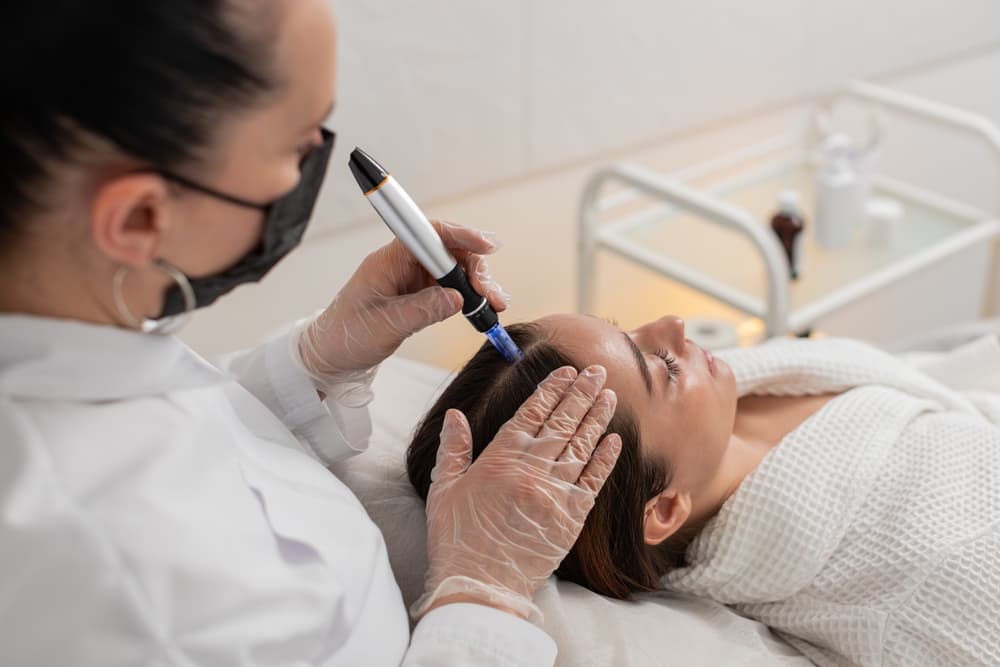
Exosome hair treatment uses cell-free regenerative particles to stimulate hair follicles and promote natural hair growth.
Exosome hair treatment uses cell-free regenerative particles to stimulate hair follicles and promote natural hair growth. This therapy represents a growing branch of regenerative medicine in hair restoration. Scientists and clinicians worldwide have paid increasing attention to exosome therapy because early research shows promising results for hair density and thickness. Current scientific evidence supports the potential of exosome hair treatment, but researchers still classify this field as evolving rather than universally standardized. Patients should maintain realistic expectations because doctors continue to refine protocols, sources, and delivery methods.
What Are Exosomes?
Exosomes are tiny particles that cells release to communicate with each other. These particles carry proteins, genetic material, and growth factors that influence how nearby cells behave. In hair restoration, exosomes act as messengers that can awaken dormant follicles and support scalp health.
What Are Extracellular Vesicles?
Extracellular vesicles are natural communication particles that cells release into surrounding fluid. Exosomes belong to this family. These nano-sized membrane vesicles measure between 30 and 150 nanometers in diameter. Cells use exosomes for cell-to-cell signaling across tissues and organs. Zhang and Chen (2024) explain that extracellular vesicles play critical roles in tissue repair and regeneration through direct molecular transfer.
What Do Exosomes Contain?
Exosomes contain powerful bioactive cargo that drives cellular repair. This cargo includes growth factors that stimulate tissue development, cytokines that regulate inflammation, messenger RNA (mRNA) that carries genetic instructions, microRNA that controls gene expression, proteins that support cell structure, and lipids that maintain membrane stability. Gupta et al. (2023) note that this concentrated payload distinguishes exosomes from other cell-free therapies.
Where Do Therapeutic Exosomes Come From?
Laboratories isolate therapeutic exosomes from several biological sources. Mesenchymal stem cells (MSCs) serve as the most common source because these cells secrete high concentrations of regenerative vesicles. Researchers also harvest exosomes from adipose tissue, umbilical cord tissue, placental tissue, bone marrow, and hair follicle-derived sources. Mathen and Dsouza (2022) confirmed that umbilical cord-derived mesenchymal stromal cells produce conditioned media rich in hair-regenerative factors. Different sources yield exosomes with slightly different protein profiles, which may influence treatment outcomes.
How Does Exosome Hair Treatment Work?
Exosome hair treatment works by delivering regenerative signals directly to hair follicles. These signals reactivate dormant cells, improve blood supply, and shift follicles from resting phase into active growth phase.
What Is Hair Follicle Biology?
Hair follicles cycle through three distinct phases. The anagen phase marks active growth. The catagen phase represents transition. The telogen phase indicates resting. Healthy scalps maintain most follicles in anagen, but genetic factors, hormones, and aging can push follicles into prolonged telogen. Zhang and Chen (2024) describe how the hair follicle stem cell niche controls this cycle through precise molecular signaling.
How Does Exosome Therapy Activate Dormant Follicles?
Exosomes penetrate the scalp and reach dermal papilla cells. These cells sit at the base of each follicle and control hair growth. Exosomes deliver growth factors that wake up sleeping follicles. Yu et al. (2025) demonstrated that human umbilical cord mesenchymal stem cell-derived exosomes enhance follicular regeneration in androgenetic alopecia through direct cellular activation.
How Does Cellular Communication Drive Regeneration?
Exosomes establish cellular communication and regeneration by transferring functional molecules between cells. When doctors apply exosomes to the scalp, these particles fuse with recipient cells and release their cargo. This process triggers repair mechanisms inside the follicle. The cell-free nature of exosome therapy eliminates risks associated with whole-cell transplantation.
Which Growth Factor Signaling Pathways Does Exosome Therapy Activate?
Exosome therapy activates several growth factor signaling pathways that control hair development. The Wnt/β-catenin pathway plays a central role in follicle formation and cycling. VEGF (vascular endothelial growth factor) improves blood vessel formation around follicles. TGF-β (transforming growth factor-beta) regulates cell proliferation and differentiation. Dermal papilla stimulation occurs when exosomes trigger these cascades simultaneously. Zhou et al. (2024) identified Wnt/β-catenin activation as a primary mechanism for exosome-mediated hair regeneration.
How Does Exosome Therapy Transition Hair from Resting to Growth Phase?
Exosome therapy transitions hair from the resting (telogen) phase to the growth (anagen) phase by extending the active period of each follicle. The treatment shortens telogen and prolongs anagen through molecular signaling. This shift produces visible hair growth several months after treatment. Ma et al. (2025) found that specific microRNAs in adipose-derived mesenchymal stem cell exosomes target the TGF-β1/SMAD2 pathway to promote this transition.
Which Hair Loss Conditions May Benefit from Exosome Therapy?
Exosome therapy may benefit several common hair loss conditions. However, the treatment works best when active follicles still exist beneath the scalp surface.
Can Exosome Therapy Treat Androgenetic Alopecia?
Yes, exosome therapy can treat androgenetic alopecia. This hereditary condition affects both men and women. Dihydrotestosterone (DHT) shrinks follicles over time and shortens the anagen phase. Exosomes counteract this process by stimulating dermal papilla cells and supporting follicular regeneration. Ersan et al. (2024) reported significant improvement in hair density among patients with androgenetic alopecia who received exosome treatment.
Can Exosome Therapy Help Female Pattern Hair Loss?
Yes, exosome therapy can help female pattern hair loss. Women experience diffuse thinning across the crown rather than receding hairlines. Exosomes support follicular health in these areas by improving cellular function and reducing miniaturization. Devjani et al. (2023) include exosome-based approaches among emerging therapies for female pattern hair loss.
Can Exosome Therapy Address Telogen Effluvium?
Yes, exosome therapy can address telogen effluvium. This condition pushes large numbers of follicles into the resting phase due to stress, illness, or hormonal changes. Exosomes help reset the follicle cycle and accelerate the return to anagen. The treatment supports natural recovery while improving hair quality during regrowth.
Can Exosome Therapy Treat Alopecia Areata?
Exosome therapy shows potential for alopecia areata, but researchers need more data. This autoimmune condition attacks follicles and causes patchy hair loss. Exosomes may modulate immune responses and reduce inflammation around affected follicles. However, clinicians currently view this application as experimental.
Can Exosome Therapy Reverse Hair Thinning After Stress or Illness?
Yes, exosome therapy can reverse hair thinning after stress or illness. The treatment accelerates the natural recovery process by delivering concentrated regenerative signals. Patients who experience shedding after surgery, infection, or severe stress may see faster regrowth with exosome support.
When Is Exosome Therapy Less Effective?
Exosome therapy becomes less effective when patients have advanced baldness, scarring alopecia, or destroyed follicles. Advanced baldness means most follicles have disappeared. Scarring alopecia replaces follicles with scar tissue. Destroyed follicles cannot regenerate because the underlying structures no longer exist. In these cases, doctors recommend alternative approaches such as hair transplantation.
Who Is an Ideal Candidate for Exosome Hair Treatment?
Ideal candidates for exosome hair treatment share specific characteristics. Doctors evaluate each patient individually before recommending this therapy.
Does Early-Stage Hair Loss Respond Best to Exosome Therapy?
Yes, early-stage hair loss responds best to exosome therapy. Patients who notice recent thinning or a widening part retain more active follicles. Exosomes can preserve these follicles and prevent further miniaturization. Early intervention produces better outcomes than waiting until baldness becomes extensive.
Do Patients Need Active Follicles for Exosome Therapy?
Yes, patients need active follicles for exosome therapy to work. Exosomes regenerate existing structures rather than create new follicles from scratch. Doctors examine the scalp to confirm that dormant but viable follicles remain present. Patients with completely smooth, shiny bald areas typically lack sufficient follicular reserves.
Who Seeks Non-Surgical Hair Restoration Options?
Many individuals seek non-surgical hair restoration options. These patients prefer minimally invasive approaches that avoid incisions, stitches, or lengthy recovery. Exosome therapy fits this preference because doctors deliver the treatment through injections or microneedling without surgery.
Can Patients Combine Exosome Therapy with Other Treatments?
Yes, patients can combine exosome therapy with other treatments for better outcomes. Doctors often recommend multimodal approaches that address hair loss from multiple angles. Combining exosomes with topical solutions, oral medications, or energy-based devices may enhance overall results.
How Is Exosome Hair Treatment Performed?
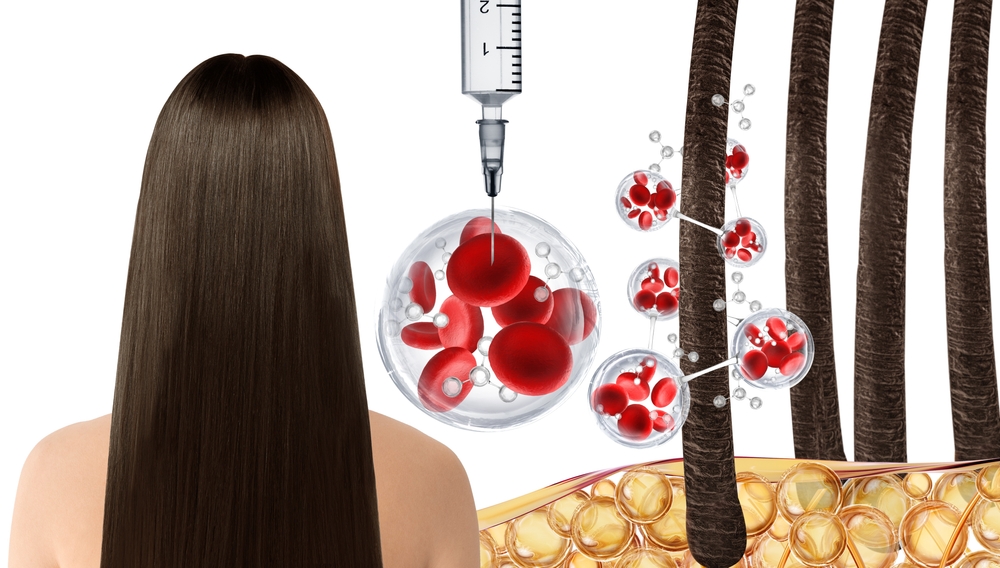 Doctors perform exosome hair treatment through a structured clinical protocol. Each step ensures safety, precision, and optimal results.
What Happens During the Initial Consultation?
During the initial consultation, the doctor reviews the patient's medical history and hair loss pattern. The doctor asks about family history, previous treatments, medications, and lifestyle factors. This evaluation helps determine whether exosome therapy suits the patient's specific condition.
How Does the Doctor Examine the Scalp?
The doctor examines the scalp under magnification or with a trichoscope. This examination reveals follicle density, miniaturization patterns, scalp inflammation, and signs of scarring. The doctor identifies areas with the highest potential for regeneration.
How Do Doctors Assess Hair Density?
Doctors assess hair density using standardized photography, digital scalp analysis, or manual hair counts. These measurements establish a baseline for tracking improvement. Patients typically return for follow-up photography at three-month and six-month intervals.
How Do Doctors Prepare the Scalp?
Doctors prepare the scalp by cleansing the treatment area and applying topical anesthetic if needed. Some protocols include mild exfoliation or antiseptic application to optimize absorption. The preparation phase takes approximately 15 to 20 minutes.
What Delivery Methods Do Doctors Use?
Doctors use several delivery methods to apply exosomes to the scalp. Microneedling creates tiny channels that help exosomes penetrate the skin barrier. Scalp injections place exosomes directly into the dermal layer where follicles reside. Combination approaches use both microneedling and injections during the same session. Gupta et al. (2023) note that delivery method varies by clinic and product type.
How Long Does the Procedure Take?
The procedure takes between 45 and 90 minutes depending on the treatment area and delivery method. Microneedling sessions typically require less time than injection-based protocols. Patients can complete the appointment during a lunch break.
What Is the Recovery Timeline?
The recovery timeline for exosome hair treatment is minimal. Most patients resume normal activities immediately after the procedure. Some patients experience mild redness for 24 to 48 hours. Doctors recommend avoiding strenuous exercise, swimming, and harsh hair products for 48 to 72 hours.
What Does Post-Treatment Care Involve?
Post-treatment care involves gentle scalp cleansing, sun protection, and avoidance of irritants. Doctors may recommend specific shampoos or topical solutions to support healing. Patients should follow all instructions to maximize exosome absorption and follicular response.
What Happens After the Procedure?
Patients experience a predictable sequence of events after exosome hair treatment. Understanding this timeline helps set realistic expectations.
What Is Immediate Recovery Like?
Immediate recovery involves minimal disruption. Patients can drive home and return to work the same day. The scalp may feel slightly warm or tight for a few hours. These sensations resolve quickly without medication.
What Scalp Reactions Should Patients Expect?
Patients should expect mild scalp reactions such as temporary redness, slight swelling, and pinpoint tenderness. These reactions indicate that the scalp has absorbed the exosomes and initiated the healing response. Symptoms typically disappear within two to three days.
Why Does Hair Shedding Occur After Treatment?
Hair shedding occurs after treatment because exosomes push follicles from telogen into anagen. Old hairs fall out to make room for new, stronger growth. This shedding phase lasts two to four weeks and represents a positive sign of follicular activation.
When Will Patients See Visible Improvement?
Patients will see visible improvement within three to six months. Initial changes include reduced shedding and improved hair texture. Noticeable density increases typically appear around the six-month mark. Full results may require 12 months of observation.
How Long Do Maintenance Sessions Last?
Maintenance sessions last indefinitely for most patients. Doctors recommend periodic touch-ups to sustain results. The frequency depends on individual response, hair loss progression, and combination therapies used.
How Many Sessions Are Usually Recommended?
Doctors usually recommend a specific number of sessions based on individual needs. Protocols vary across clinics and products.
What Is the Initial Treatment Protocol?
The initial treatment protocol typically includes two to four sessions spaced four to six weeks apart. This schedule allows exosomes to accumulate their effects and trigger sustained follicular activation. Park et al. (2022) analyzed 39 patients who received adipose-derived stem cell exosomes and documented improvement after structured treatment courses.
What Maintenance Schedule Do Doctors Recommend?
Doctors recommend maintenance schedules every six to twelve months after the initial protocol. These sessions preserve results and counteract ongoing hair loss progression. Some patients with aggressive androgenetic alopecia may need more frequent maintenance.
What Factors Influence Treatment Frequency?
Several factors influence treatment frequency. These include the severity of hair loss, the patient's age, hormonal status, genetic predisposition, and response to initial sessions. Patients who combine exosomes with other therapies often need fewer maintenance visits.
What Are the Benefits of Exosome Hair Treatment?
Exosome hair treatment offers multiple benefits that appeal to patients seeking modern hair restoration solutions.
Why Is Exosome Therapy a Non-Surgical Procedure?
Exosome therapy is a non-surgical procedure because doctors deliver it through injections or microneedling without incisions. Patients avoid operating rooms, general anesthesia, and surgical scars. This approach reduces risk and increases accessibility.
Why Does Exosome Therapy Require Minimal Downtime?
Exosome therapy requires minimal downtime because the treatment causes only superficial scalp irritation. Most patients resume work, exercise, and social activities within 24 to 48 hours. This convenience suits busy professionals and active lifestyles.
What Improvements Can Patients Expect?
Patients can expect improvements in hair density, hair thickness, hair quality, and scalp health. Exosomes strengthen existing follicles and support the growth of thicker, more resilient hair strands. The scalp becomes healthier as blood flow and cellular activity increase.
Why Is Exosome Therapy a Natural Regenerative Approach?
Exosome therapy is a natural regenerative approach because it uses cell-derived particles rather than synthetic chemicals. The body recognizes exosomes as native signaling molecules. This biological compatibility reduces adverse reactions and supports long-term follicular health.
How Does Exosome Therapy Complement Existing Treatments?
Exosome therapy complements existing treatments such as minoxidil, finasteride, PRP, and low-level laser therapy. Doctors can design integrated protocols that address hair loss through multiple mechanisms simultaneously. Combination strategies often yield superior results compared to single therapies.
What Does Current Scientific Evidence Say?
Current scientific evidence supports the potential of exosome hair treatment, but researchers acknowledge the need for larger studies.
What Do Clinical Studies Show?
Clinical studies show that exosome therapy improves hair density and thickness in patients with androgenetic alopecia. Gupta et al. (2023) conducted a systematic review of exosome treatment in hair restoration and found preliminary evidence of efficacy across multiple small trials. Nadeem et al. (2024) reported that mesenchymal stem cell-derived exosomes significantly enhanced hair density in a randomized controlled trial involving 85 patients.
What Improvements Have Researchers Reported?
Researchers have reported improvements in hair density, hair thickness, and patient satisfaction. Ersan et al. (2024) documented measurable increases in hair count among treated patients. Wan et al. (2025) confirmed these findings in a prospective study of exosome therapy for androgenetic alopecia.
What Is the Safety Profile of Exosome Therapy?
The safety profile of exosome therapy appears favorable in short-term studies. Patients report minimal side effects such as temporary redness and mild tenderness. No serious adverse events have emerged in published clinical trials. However, researchers need long-term safety data spanning several years.
What Limitations Exist in Current Research?
Current research has several limitations. Small sample sizes characterize most published studies. Lack of standardized protocols makes comparison difficult across trials. Variable exosome sources and concentrations create inconsistency. Limited long-term evidence prevents definitive conclusions about durability. Gupta et al. (2023) emphasize these gaps in their systematic review.
Why Do Doctors Need More Randomized Clinical Trials?
Doctors need more randomized clinical trials to establish standardized protocols, confirm long-term safety, and compare exosome therapy directly against established treatments. Large, multicenter, placebo-controlled studies will provide the evidence necessary for regulatory approval and clinical guidelines.
Are There Any Risks or Side Effects?
Exosome hair treatment carries some risks and side effects, but most patients tolerate the procedure well.
What Causes Temporary Redness?
Temporary redness occurs because microneedles or injections create minor trauma in the scalp. This inflammation triggers the healing response. Redness typically fades within 24 to 48 hours.
Why Does Mild Swelling Occur?
Mild swelling occurs as the immune system responds to the treatment. Fluid accumulates briefly around treated follicles. Swelling usually resolves within one to two days without intervention.
What Causes Tenderness?
Tenderness develops at injection sites where the needle penetrates the skin. This discomfort feels similar to a mild bruise. Patients can manage tenderness with over-the-counter pain relievers if needed.
What Is Injection-Site Discomfort?
Injection-site discomfort includes brief stinging or pressure during the procedure. Topical anesthetics minimize this sensation. Most patients describe the discomfort as mild and manageable.
What Is the Infection Risk?
The infection risk remains low when doctors follow proper sterile technique. However, any procedure that breaks the skin carries a theoretical risk of bacterial contamination. Patients should keep the scalp clean and follow post-treatment instructions carefully.
Why Does Treatment Quality Matter?
Treatment quality matters because unregulated products may contain inconsistent concentrations or contaminants. Patients should seek treatment from licensed providers who use clinically validated exosome products. Regulatory oversight ensures safety, purity, and potency.
How Does Exosome Hair Treatment Compare to PRP?
Exosome hair treatment and platelet-rich plasma (PRP) both represent regenerative approaches, but they differ in important ways.
What Is the Source of Regenerative Factors?
Exosome therapy derives regenerative factors from mesenchymal stem cell extracellular vesicles. PRP therapy derives regenerative factors from the patient's own blood. This difference means exosomes offer a concentrated, off-the-shelf product while PRP requires blood draws and processing.
What Is the Biological Mechanism?
Exosomes deliver pre-packaged signaling molecules directly into target cells. PRP releases growth factors from platelets into surrounding tissue. Both approaches stimulate follicles, but exosomes provide more targeted cellular communication.
How Many Sessions Does Each Treatment Require?
Exosome therapy typically requires fewer initial sessions than PRP because the product contains higher concentrations of signaling molecules. PRP often requires monthly sessions for three to six months before patients see results.
What Does the Scientific Evidence Show?
PRP has more established scientific evidence with numerous randomized trials. Exosome research is emerging but expanding rapidly. Gupta et al. (2023) note that PRP currently holds stronger evidence, while exosome studies show comparable or superior early results.
What Are the Advantages of Exosome Therapy?
Exosome therapy offers advantages including higher growth factor concentration, cell-free formulation, no blood draw requirement, and potentially fewer sessions. The treatment avoids the variability inherent in patient blood quality.
What Are the Limitations of Exosome Therapy?
Exosome therapy has limitations including higher cost, limited regulatory approval, and less long-term data. Product standardization remains an ongoing challenge.
Comparison Table: Exosome Therapy vs. PRP Therapy
Feature | Exosome Therapy | PRP Therapy |
Source | MSC-derived extracellular vesicles | Patient's own blood |
Growth factor concentration | High | Moderate |
Cell-free formulation | Yes | Yes |
Blood draw required | No | Yes |
Downtime | Minimal | Minimal |
Number of sessions | 2-4 initially | 3-6 initially |
Research maturity | Emerging | More established |
Cost | Higher | Moderate |
How Does Exosome Therapy Compare to Hair Transplant?
Exosome therapy and hair transplantation serve different but complementary roles in hair restoration.
Which Patients Benefit Most from Each Approach?
Patients with early to moderate thinning benefit most from exosome therapy because they retain viable follicles. Patients with advanced baldness or receding hairlines benefit most from hair transplantation because surgery relocates permanent follicles to bald areas.
Can Exosomes Replace Hair Transplantation?
No, exosomes cannot replace hair transplantation for patients with extensive baldness. Exosomes regenerate existing follicles but do not create new ones. Surgery remains the only option for restoring hair in areas with no remaining follicles.
Can Exosomes Improve Transplant Outcomes?
Yes, exosomes can improve transplant outcomes. Doctors apply exosomes before or after transplantation to accelerate healing, reduce inflammation, and enhance graft survival. This combination approach maximizes both density and natural appearance.
What Are Combined Regenerative Strategies?
Combined regenerative strategies integrate exosomes, PRP, microneedling, and transplantation into comprehensive treatment plans. Doctors customize these protocols based on patient goals, hair loss stage, and scalp condition.
Can Exosome Therapy Be Combined with Other Hair Loss Treatments?
Yes, doctors can combine exosome therapy with other hair loss treatments. Multimodal approaches often produce superior results.
Can Doctors Combine Exosomes with PRP?
Yes, doctors can combine exosomes with PRP. This pairing delivers both concentrated exosomal signals and autologous platelet growth factors. The combination may amplify follicular stimulation beyond either therapy alone.
Can Doctors Combine Exosomes with Microneedling?
Yes, doctors can combine exosomes with microneedling. Microneedling creates microchannels that enhance exosome penetration. This synergistic approach increases absorption and triggers stronger regenerative responses.
Can Doctors Combine Exosomes with Minoxidil?
Yes, doctors can combine exosomes with minoxidil. Minoxidil dilates blood vessels and extends the anagen phase. Exosomes support cellular regeneration. Together, they address both vascular and cellular aspects of hair growth.
Can Doctors Combine Exosomes with Finasteride?
Yes, doctors can combine exosomes with finasteride. Finasteride blocks DHT conversion and protects follicles from hormonal damage. Exosomes regenerate follicles at the cellular level. This combination targets both cause and effect in androgenetic alopecia.
Can Doctors Combine Exosomes with Low-Level Laser Therapy?
Yes, doctors can combine exosomes with low-level laser therapy (LLLT). LLLT increases blood flow and cellular energy production. Exosomes deliver regenerative signals. The therapies complement each other through different mechanisms.
Can Doctors Combine Exosomes with Hair Transplantation?
Yes, doctors can combine exosomes with hair transplantation. Exosomes improve graft survival, reduce shock loss, and accelerate healing in the recipient area. This combination supports both transplanted and native follicles.
What Are the Most Common Questions About Exosome Hair Treatment?
Patients frequently ask specific questions about exosome hair treatment. Here are clear answers to the most common concerns.
Is Exosome Therapy FDA-Approved for Hair Loss?
No, exosome therapy is not FDA-approved for hair loss in the United States. The FDA has approved exosome products for certain other investigational uses, but hair restoration remains off-label. Patients should understand this regulatory status before proceeding.
Is the Treatment Painful?
No, the treatment is not painful for most patients. Topical anesthetics numb the scalp before microneedling or injections. Patients feel mild pressure or tingling rather than sharp pain.
How Long Do Results Last?
Results last approximately 12 to 18 months before maintenance becomes necessary. Individual longevity varies based on genetics, ongoing hair loss progression, and lifestyle factors. Maintenance sessions extend results indefinitely.
Can Women Receive Exosome Therapy?
Yes, women can receive exosome therapy. Female pattern hair loss responds well to exosome treatment, particularly when doctors address underlying hormonal or nutritional factors simultaneously.
Can Exosomes Regrow Completely Bald Areas?
No, exosomes cannot regrow completely bald areas. The treatment requires viable follicles to work. Completely bald scalp lacks the cellular structures necessary for regeneration.
Is One Treatment Enough?
No, one treatment is usually not enough. Most patients need an initial series of two to four sessions followed by maintenance. Single sessions may produce temporary improvement but rarely deliver lasting results.
When Will Patients Notice Results?
Patients will notice results within three to six months. Hair grows slowly, and follicular activation takes time. Patience and consistency produce the best outcomes.
Is There Any Downtime?
No, there is minimal downtime. Patients can resume most activities immediately. Doctors recommend avoiding strenuous exercise, saunas, and harsh hair products for 48 to 72 hours after treatment.
What Does the Future Hold for Exosome Hair Restoration?
The future of exosome hair restoration looks promising as research accelerates and technology improves.
Will Personalized Regenerative Medicine Change Exosome Therapy?
Yes, personalized regenerative medicine will change exosome therapy. Scientists are developing patient-specific exosome profiles based on genetic analysis and hair loss type. Customized formulations may deliver better results than one-size-fits-all products.
Will Standardization Improve Exosome Products?
Yes, standardization will improve exosome products. Currently, manufacturers use different isolation methods, concentrations, and sources. Industry standards will ensure consistent quality, potency, and safety across all products.
What Ongoing Clinical Trials Are Exploring?
Ongoing clinical trials are exploring optimal dosing, delivery methods, combination therapies, and long-term outcomes. These studies will define best practices and expand approved indications for exosome hair treatment.
Will Combination Regenerative Therapies Become Standard?
Yes, combination regenerative therapies will likely become standard. Doctors increasingly recognize that hair loss involves multiple biological pathways. Combining exosomes with PRP, microneedling, medications, and laser therapy addresses these pathways simultaneously.
What Role Will Exosomes Play in Future Hair Restoration?
Exosomes will play a central role in future hair restoration as a foundational regenerative therapy. The treatment bridges the gap between topical medications and surgical transplantation. As evidence grows, exosomes may become a first-line option for early to moderate hair loss.
Conclusion
Exosome hair treatment represents a cell-free regenerative therapy that supports hair follicle function through natural cellular signaling. This treatment uses mesenchymal stem cell-derived extracellular vesicles to deliver growth factors, microRNAs, and proteins directly to dormant follicles. The mechanism focuses on reactivating existing follicles rather than creating new ones.
Early clinical findings encourage doctors and patients alike. Research shows particular promise for androgenetic alopecia and other non-scarring hair loss conditions. Studies consistently report improvements in hair density and thickness with a favorable short-term safety profile. Ersan et al. (2024), Wan et al. (2025), and Nadeem et al. (2024) all documented measurable density increases in treated patients.
However, protocols and products vary widely across providers. Exosome sources, concentrations, and delivery methods differ significantly. The field lacks standardized guidelines and long-term data. Gupta et al. (2023) emphasize that larger randomized controlled trials must confirm durability, optimize protocols, and establish regulatory frameworks.
Patients should view exosome therapy as a promising adjunctive treatment with evolving evidence. The therapy does not replace established treatments like minoxidil, finasteride, or hair transplantation. Instead, exosomes complement these options by adding a regenerative dimension to comprehensive hair loss management.
Ideal candidates include patients with early to moderate hair loss who retain active follicles. These individuals seek non-surgical solutions and value minimal downtime. Realistic expectations remain essential because results develop gradually over three to six months.
The future of exosome hair restoration points toward personalized medicine, standardized products, and combination therapies. As science advances, this treatment will likely secure a permanent place in modern hair restoration practice.
References
Devjani, S., et al. "Androgenetic alopecia: Therapy update." Drugs, vol. 83, no. 8, 2023, pp. 701-715.
Ersan, M., et al. "Effectiveness of exosome treatment in androgenetic alopecia: Outcomes of a prospective study." Aesthetic Plastic Surgery, vol. 48, no. 21, 2024, pp. 4262-4271.
Gentile, P., and S. Garcovich. "Advances in regenerative stem cell therapy in androgenic alopecia and hair loss: Wnt pathway, growth-factor, and mesenchymal stem cell signaling impact analysis on cell growth and hair follicle development." Cells, vol. 8, no. 5, 2019, p. 466.
Gupta, Akshay K., et al. "Systematic review of exosome treatment in hair restoration: Preliminary evidence, safety, and future directions." Journal of Cosmetic Dermatology, vol. 22, no. 9, 2023, pp. 2424-2433.
Liang, Y., et al. "Adipose mesenchymal stromal cell-derived exosomes carrying MiR-122-5p antagonize the inhibitory effect of dihydrotestosterone on hair follicles by targeting the TGF-β1/SMAD3 signaling pathway." International Journal of Molecular Sciences, vol. 24, no. 6, 2023, p. 5703.
Ma, C., et al. "miR-574-3p and miR-125a-5p in adipose-derived mesenchymal stem cell exosomes synergistically target TGF-β1/SMAD2 signaling pathway for the treatment of androgenic alopecia." Journal of Investigative Dermatology, vol. 145, no. 11, 2025, pp. 2719-2735.
Mathen, C., and W. Dsouza. "In vitro and clinical evaluation of umbilical cord-derived mesenchymal stromal cell-conditioned media for hair regeneration." Journal of Cosmetic Dermatology, vol. 21, 2022, pp. 740-749.
Nadeem, H., et al. "Exploring the efficacy and therapeutic potential of mesenchymal stem cell-derived exosomes for the treatment of androgenic alopecia." Journal of Population Therapeutics and Clinical Pharmacology, vol. 31, no. 8, 2024, pp. 1752-1760.
Park, B. S., et al. "Effects of exosome from adipose-derived stem cell on hair loss: A retrospective analysis of 39 patients." Journal of Cosmetic Dermatology, vol. 21, no. 5, 2022, pp. 2282-2284.
Wan, J., et al. "A prospective study of exosome therapy for androgenetic alopecia." Aesthetic Plastic Surgery, vol. 49, no. 11, 2025, pp. 3151-3156.
Yu, A., et al. "Human umbilical cord mesenchymal stem cell-derived exosomes enhance follicular regeneration in androgenetic alopecia via activation of Wnt/β-catenin pathway." Stem Cell Research & Therapy, vol. 16, no. 1, 2025, p. 418.
Zhang, B., and T. Chen. "Local and systemic mechanisms that control the hair follicle stem cell niche." Nature Reviews Molecular Cell Biology, vol. 25, 2024, pp. 87-100.
Zhou, Y., et al. "Exosomes for hair growth and regeneration." Journal of Bioscience and Bioengineering, vol. 137, no. 1, 2024, pp. 1-8.