
What Is Hair Mesotherapy Procedure?
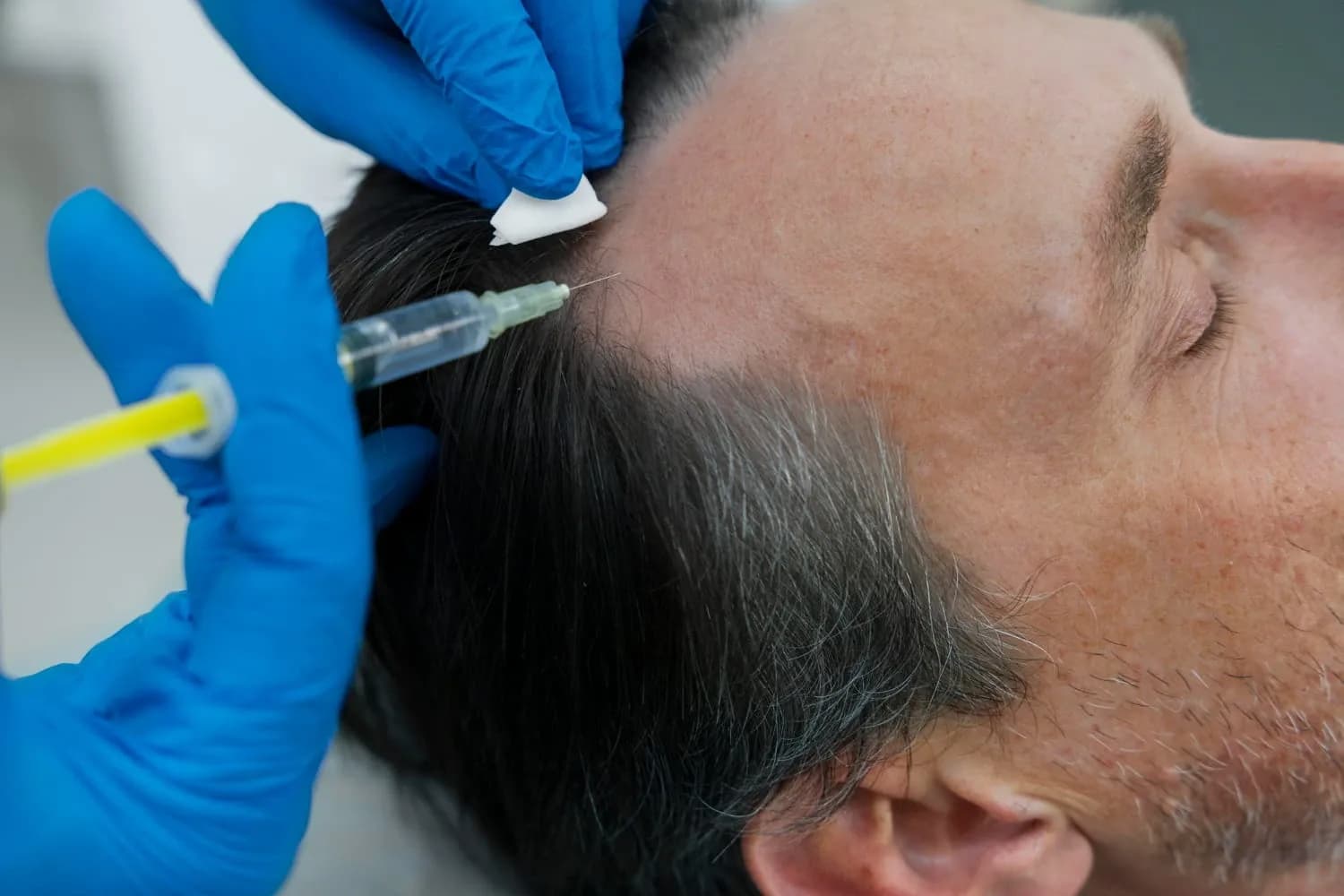
Hair mesotherapy stands as a minimally invasive scalp treatment that delivers active substances directly into the scalp through multiple small intradermal injections.
Hair mesotherapy stands as a minimally invasive scalp treatment that delivers active substances directly into the scalp through multiple small intradermal injections. This procedure attracts growing interest among patients and clinicians who seek localized approaches to hair loss management. Medical literature defines mesotherapy as a drug delivery technique rather than a single standardized medication. Researchers have investigated this method mainly for androgenetic alopecia and other forms of non-scarring hair loss. Current evidence remains developing, and treatment protocols vary substantially between studies. Patients should understand that mesotherapy represents a delivery method that different practitioners adapt with different formulations.
What Is Hair Mesotherapy and How Does It Differ From Topical Treatments?
Hair mesotherapy refers to the practice of injecting therapeutic substances into the scalp at shallow depths using fine needles. This technique aims to place active ingredients closer to the hair follicles than topical applications can achieve. Topical treatments sit on the scalp surface and must penetrate the skin barrier to reach follicular targets. Mesotherapy bypasses this barrier through direct intradermal delivery. The procedure does not refer to one specific drug or formula. Different studies have investigated different substances and combinations. This distinction matters because results from one mesotherapy protocol do not automatically apply to another.
How Does Hair Mesotherapy Work?
Hair mesotherapy works through local intradermal drug delivery. Practitioners inject small volumes of therapeutic solutions directly into the scalp skin. This approach may increase local exposure to active substances at the follicular level. The treatment targets the scalp environment and the immediate surroundings of hair follicles. Researchers propose that this localized delivery may improve the concentration of therapeutic agents where hair growth occurs. However, clinicians must distinguish proposed mechanisms from mechanisms established through strong clinical evidence. Current research supports the concept of enhanced local delivery, but large-scale randomized controlled trials remain limited.
What Does Hair Mesotherapy Contain?
Hair mesotherapy contains different substances depending on the treatment protocol and clinical setting. Researchers have investigated several classes of agents:
Table 1: Common Substances Investigated in Hair Mesotherapy Protocols
Substance Class | Examples | Proposed Role |
Vasodilators | Minoxidil | Improve local blood flow to follicles |
5-Alpha Reductase Inhibitors | Dutasteride | Reduce local androgen activity |
Vitamins and Minerals | Biotin, Zinc, B-Complex | Support follicular metabolism |
Amino Acids | Cysteine, Arginine | Provide building blocks for keratin |
Growth Factors | Various peptide preparations | Signal follicular activity |
Autologous Preparations | PRP components | Utilize patient-derived bioactive factors |
The injected formulation differs according to the practitioner and treatment protocol. Patients should ask about the exact ingredients, concentration, sterility, and regulatory status of any product before treatment. The lack of standardization means that one clinic's mesotherapy solution may differ significantly from another's.
How Is Hair Mesotherapy Performed?
What Happens During the Initial Scalp Assessment?
The clinician conducts a thorough scalp and hair assessment before performing mesotherapy. This evaluation includes taking a detailed medical history and examining the pattern and severity of hair loss. The clinician inspects the scalp for signs of infection, inflammation, or scarring. This step identifies possible underlying causes that may require different treatment approaches. The clinician determines whether mesotherapy represents an appropriate option for the specific diagnosis.
How Does the Clinician Prepare the Scalp?
The clinician cleans and disinfects the scalp thoroughly before injections. This preparation reduces the risk of introducing microorganisms into the skin. The clinician marks the treatment area based on the pattern of hair loss. Some protocols may use local anesthesia to improve patient comfort during the injection process. The preparation phase emphasizes sterile technique and patient safety.
What Occurs During the Intradermal Injection Phase?
The clinician uses a fine needle or specialized injection device to deliver multiple small injections across the affected scalp. The injections distribute the therapeutic solution at intradermal depths. Injection depth, spacing, volume, and technique vary between protocols. No single fixed technique enjoys universal acceptance in the medical literature. The clinician adjusts the approach based on the treatment area, the substance used, and the specific protocol.
What Should Patients Expect During Post-Treatment Care?
Patients may experience temporary redness, sensitivity, swelling, or mild discomfort after the injections. These reactions typically resolve within hours to days. Patients should follow basic scalp care instructions provided by the clinician. They should contact a medical professional if they notice persistent inflammation, severe pain, or signs of infection.
What Are the Potential Benefits of Hair Mesotherapy?
May This Procedure Support Hair Growth?
Some clinical studies suggest that hair mesotherapy may produce improvements in hair density or growth. However, results depend heavily on the injected agent and the underlying cause of hair loss. Researchers have observed positive findings in several investigations, but the heterogeneity of protocols limits broad conclusions. Patients should view potential benefits as possibilities rather than certainties.
Does Intradermal Delivery Improve Local Exposure?
The rationale for intradermal administration centers on placing active substances directly at the target site. This approach may increase local exposure while potentially reducing systemic absorption. The concept appeals to clinicians who want to maximize follicular contact with therapeutic agents. However, the degree of benefit compared to optimized topical delivery remains an active area of research.
Can Treatment Improve Hair Thickness?
Some treatment protocols aim to support miniaturized follicles that characterize pattern hair loss. The goal involves creating conditions that may allow follicles to produce thicker hair shafts. Clinicians should avoid claiming guaranteed thickening because individual responses vary significantly. Current evidence suggests possible benefits in some patients, but no protocol guarantees uniform results.
Does Mesotherapy Complement Other Treatments?
Clinicians may use mesotherapy as an adjunctive treatment rather than an automatic replacement for established therapies. Combination treatment should depend on diagnosis and medical supervision. Current systematic reviews report positive findings with several mesotherapy agents, but they also identify substantial variation between treatment protocols and a need for larger controlled trials (Ramos et al., 2023).
What Conditions Can Hair Mesotherapy Treat?
Is Androgenetic Alopecia the Primary Target?
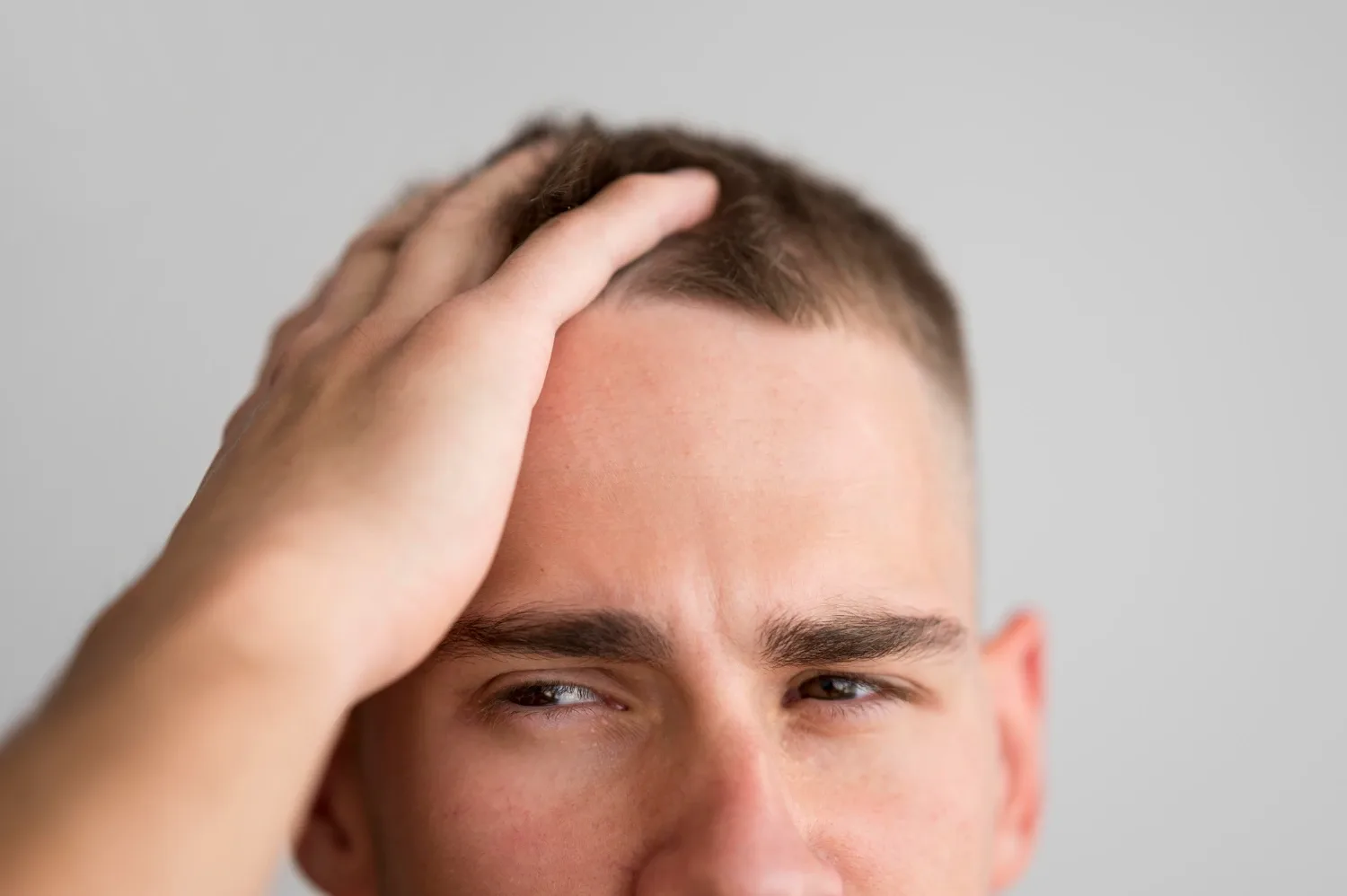
Androgenetic alpecia represents the most frequently investigated indication for hair mesotherapy. This condition includes male pattern hair loss and female pattern hair loss. Both forms involve hair follicle miniaturization driven by genetic and hormonal factors. Current evidence shows promise for mesotherapy in this population, but limitations remain. Researchers continue to call for standardized protocols and larger randomized controlled trials.
Can Other Types of Hair Loss Respond?
Evidence varies considerably between different alopecia types. Clinicians must diagnose the cause of hair loss before recommending mesotherapy. Non-scarring alopecias may offer different therapeutic windows than scarring alopecias. Scarring alopecia involves permanent follicle destruction, which limits the potential for any treatment to restore lost hair. Mesotherapy does not reverse scarring processes.
Does It Address Hair Shedding and Reduced Density?
Increased shedding requires diagnostic evaluation to identify underlying triggers. Clinicians should not present mesotherapy as a universal treatment for unexplained hair loss. Telogen effluvium, nutritional deficiencies, thyroid disorders, and other systemic conditions may cause shedding. These conditions require specific management rather than generic mesotherapy protocols.
Is Hair Mesotherapy Effective for Hair Loss?
Current scientific evidence supports cautious optimism about hair mesotherapy for specific conditions. Clinical studies have evaluated different injectable agents with varying results. Researchers cannot generalize results from one formulation to another because the injected substance drives outcomes. The lack of standardized treatment protocols complicates evidence synthesis. Statistically significant findings in small studies do not automatically translate to proven long-term clinical benefit.
A 2023 systematic review identified 27 eligible studies and found research involving six major classes of agents, including dutasteride, minoxidil, growth factors or autologous preparations, botulinum toxin A, stem cells, and multivitamin-based solutions. However, the review concluded that standardized regimens and stronger clinical trials remain necessary (Ramos et al., 2023).
Is Hair Mesotherapy Safe?
Hair mesotherapy is minimally invasive but not risk-free. Safe practice requires sterile technique and medically appropriate products. Adverse effects can result from both the injection procedure itself and the injected substance. Patients should seek treatment from qualified medical professionals who use regulated products.
What Are Common Side Effects?
Common side effects include temporary redness, swelling, tenderness, itching, bruising, and scalp sensitivity. These reactions typically resolve without intervention. Patients should report persistent symptoms to their clinician.
What Complications Might Occur?
Possible complications include infection, inflammatory reactions, allergic reactions, nodules or localized reactions, scarring, and unwanted hair loss in rare cases. Published literature has reported alopecia following cosmetic injection procedures, including mesotherapy, highlighting the importance of appropriate technique and regulated products (Lee et al., 2020).
Who May Be a Candidate for Hair Mesotherapy?
Patients with diagnosed hair loss who may benefit from localized treatment represent potential candidates. Patients seeking an adjunct to another hair-loss treatment may also consider this option. Appropriate candidates possess good scalp and general health status. The clinician must evaluate each patient individually.
Who Should Avoid or Delay Treatment?
Several situations require caution or medical assessment before mesotherapy:
Active scalp infection
Certain inflammatory scalp conditions
Known allergies to proposed ingredients
Bleeding or clotting problems
Pregnancy or breastfeeding when relevant to the injected substance
Use of medications that may increase bleeding risk
Unexplained or rapidly progressing hair loss
How Does Hair Mesotherapy Compare to Other Treatments?
Table 2: Comparison of Hair Mesotherapy With Other Hair Loss Treatments
Treatment | Mechanism | Evidence Level | Invasiveness | Maintenance Required |
Intradermal injection of active substances | Moderate, heterogeneous | Minimally invasive | Typically yes | |
Minoxidil (Topical) | Topical vasodilator application | High | Non-invasive | Yes |
Autologous platelet-derived growth factors | Moderate | Minimally invasive | Yes | |
Hair Transplantation | Surgical relocation of donor follicles | High | Surgical | Permanent relocated follicles |
Microneedling | Controlled skin injury with topical delivery | Moderate | Minimally invasive | Yes |
How Does It Compare to Minoxidil?
Minoxidil offers topical application versus injection-based local delivery. Minoxidil enjoys stronger evidence from large randomized controlled trials. Treatment frequency differs, with topical minoxidil requiring daily application. Mesotherapy typically involves periodic clinic visits. Both approaches carry potential adverse effects, though the profiles differ.
How Does It Compare to PRP?
Hair mesotherapy uses injected medication or nutrient formulations. PRP uses autologous platelet-based preparations derived from the patient's own blood. These treatments differ in mechanism and evidence base. PRP preparation involves blood draw and centrifugation, while mesotherapy uses pre-formulated or compounded solutions. Both require different protocols and clinical expertise.
How Does It Compare to Hair Transplantation?
Mesotherapy provides a non-surgical injectable treatment. Hair transplantation offers surgical restoration through relocation of donor follicles. Mesotherapy aims to support existing follicles. Transplantation moves healthy follicles to thinning areas. These treatments address different indications and produce different expected outcomes.
How Does It Compare to Microneedling?
Mesotherapy relies on injection-based delivery. Microneedling creates controlled skin injury to enhance topical absorption. These approaches differ in mechanism and treatment objectives. Some protocols combine both techniques.
How Many Hair Mesotherapy Sessions Are Needed?
No universally accepted treatment schedule exists. Session number depends on the formulation, diagnosis, treatment goals, and clinical protocol. Some practitioners recommend weekly sessions initially, followed by maintenance intervals. Others propose monthly treatments. The lack of standardized regimens remains one of the major limitations identified in recent reviews (Ramos et al., 2023). Patients should discuss the proposed schedule with their clinician and understand that adjustments may occur based on response.
When Do Hair Mesotherapy Results Become Visible?
Hair biology makes immediate results unlikely. The normal hair growth cycle includes anagen, catagen, and telogen phases. New hair growth requires time as follicles transition through these phases. Treatment response may require several months before patients notice measurable changes. Early scalp changes may occur before visible hair-growth outcomes. Individual results vary based on the underlying condition, the injected substance, and patient factors.
How Long Do Hair Mesotherapy Results Last?
Results may represent temporary improvement rather than long-term control of hair loss. The underlying condition, particularly androgenetic alopecia, typically continues to progress. Maintenance treatment may sustain benefits in some protocols. Clinicians should avoid promising permanent results because hair loss often represents a chronic condition requiring ongoing management.
What Should You Do Before Hair Mesotherapy?
Patients should obtain a proper diagnosis from a qualified clinician. They should review their medical history and current medications. Patients must discuss the exact substance or combination that the clinician will inject. They should ask about product origin, sterility, and regulatory status. Establishing realistic treatment goals represents an essential step. Patients should discuss expected benefits and potential risks before proceeding.
What Should You Do After Hair Mesotherapy?
Patients should follow the clinician's scalp-care instructions carefully. They should avoid unnecessary manipulation of the treated scalp. Monitoring for persistent inflammation, severe pain, or signs of infection remains important. Patients should attend all follow-up assessments. They must report unexpected hair shedding or other concerning reactions promptly.
Frequently Asked Questions About Hair Mesotherapy
What is hair mesotherapy?
Hair mesotherapy is a minimally invasive procedure that delivers therapeutic substances directly into the scalp through multiple small intradermal injections.
Does hair mesotherapy regrow lost hair?
Outcomes depend on the cause of hair loss, the injected substance, and the patient's response. This procedure may support existing follicles but does not guarantee regrowth of permanently lost hair.
Is hair mesotherapy painful?
Patients may feel sensations associated with multiple small scalp injections. Clinicians may use measures to improve comfort, including topical anesthetics or cooling techniques.
How long does a hair mesotherapy session take?
Duration varies according to the treatment area, technique, and protocol. Sessions typically range from 15 to 45 minutes.
How often should hair mesotherapy be performed?
No single evidence-based schedule applies to every formulation. Clinicians tailor frequency to the specific protocol and patient response.
Can hair mesotherapy stop hair loss?
This procedure may help some patients but should not be presented as a guaranteed way to stop progressive alopecia. Underlying conditions often continue to evolve.
Is hair mesotherapy better than PRP?
These are different injectable approaches. Evidence should be evaluated according to the specific condition and treatment protocol. One is not universally superior to the other.
Are the results of hair mesotherapy permanent?
Mesotherapy does not necessarily provide permanent control of the underlying cause of hair loss. Maintenance treatments may be necessary.
Key Takeaways
Hair mesotherapy involves multiple intradermal injections into the scalp.
It is a delivery method rather than one standardized treatment.
Different protocols use different medications or bioactive substances.
Research suggests potential benefits for some forms of hair loss.
Current evidence remains heterogeneous and requires further study.
Treatment should follow a proper diagnosis and medical assessment.
Safe injection practices and appropriate products are essential.
Patients should have realistic expectations about results.
References
Lee, Seung-Jin, et al. "Alopecia Following Mesotherapy for Hair Loss: A Case Report and Review of the Literature." Journal of Cosmetic Dermatology, vol. 19, no. 8, 2020, pp. 2045-2049.
Ramos, Paulo Müller, et al. "Mesotherapy for Hair Loss: A Systematic Review." Journal of the American Academy of Dermatology, vol. 89, no. 2, 2023, pp. 345-352.