
What Is Hair Mesotherapy?
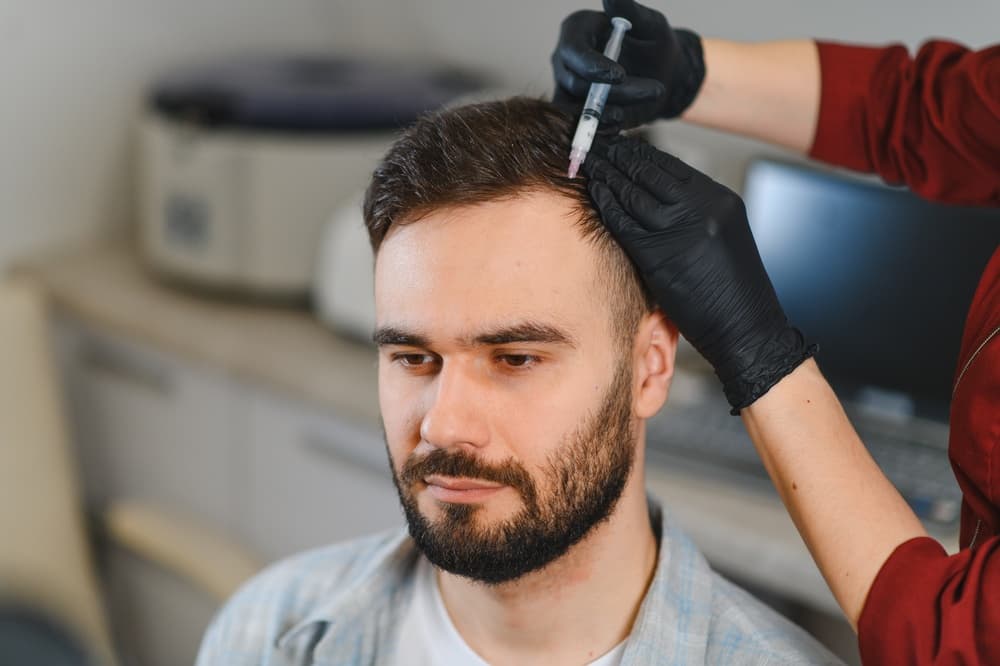
Hair mesotherapy is a minimally invasive medical procedure. It uses intradermal microinjections to deliver active substances into the scalp.
Hair mesotherapy delivers active substances directly into the scalp through microinjections. This minimally invasive treatment targets hair follicles with nutrients, vitamins, and medications. It improves local blood circulation and follicular nutrition. Many patients choose this approach for early hair loss and thinning. Current evidence shows promising results, but standardized protocols remain limited.
What Is Hair Mesotherapy?
Hair mesotherapy is a minimally invasive medical procedure. It uses intradermal microinjections to deliver active substances into the scalp. These substances reach the hair follicles directly. The treatment aims to improve hair quality, reduce shedding, and stimulate growth.
How Is Hair Mesotherapy Defined?
Doctors define hair mesotherapy as a technique that injects small amounts of therapeutic substances into the mesoderm. The mesoderm is the middle layer of skin. In the scalp, this layer surrounds hair follicles. The technique originated in France during the 1950s. Dr. Michel Pistor developed it for various medical conditions. Over time, dermatologists adapted it for hair loss treatment.
The basic principle remains simple. Direct delivery bypasses the digestive system and systemic circulation. This approach improves local bioavailability. It reduces systemic exposure and potential side effects. The scalp receives concentrated doses exactly where they matter most.
How Does Hair Mesotherapy Work?
Hair mesotherapy works through several mechanisms. First, intradermal microinjections place active ingredients near the hair follicles. This direct delivery improves local bioavailability significantly. The substances do not travel through the bloodstream first. They act immediately at the target site.
Second, the injection process stimulates scalp microcirculation. Blood flow increases around the follicles. Better circulation brings more oxygen and nutrients. Follicles receive improved nutrition. This creates a healthier environment for hair growth.
Third, the mechanical effect of microinjections triggers mild inflammation. This controlled response activates local healing processes. Growth factors release naturally. The scalp enters a regenerative state.
Fourth, reduced systemic exposure means fewer side effects. Oral medications affect the entire body. Scalp injections concentrate the dose locally. This localization improves safety profiles for many patients.
What Ingredients Are Used in Hair Mesotherapy?
Formulations vary significantly among clinics. No universal protocol currently exists. Common ingredients include:
Vitamins: B-complex vitamins, particularly biotin, support keratin production and follicle metabolism.
Amino acids: These building blocks strengthen hair structure and support protein synthesis.
Minerals: Zinc, copper, and selenium play roles in follicular enzyme function.
Hyaluronic acid: This molecule hydrates the scalp and supports tissue repair.
Peptides: Short chains of amino acids signal follicular activity.
Growth factors: These proteins stimulate cell division and follicular regeneration.
Coenzymes: These assist metabolic processes within follicle cells.
Minoxidil: Some protocols include this vasodilator for enhanced blood flow.
Dutasteride: Selected clinics add this 5-alpha-reductase inhibitor.
Finasteride: Some formulations include this DHT-blocking medication.
Clinicians customize mixtures based on patient needs. This variability makes comparison studies difficult. Patients should ask about specific ingredients before treatment.
Who Is a Good Candidate for Hair Mesotherapy?
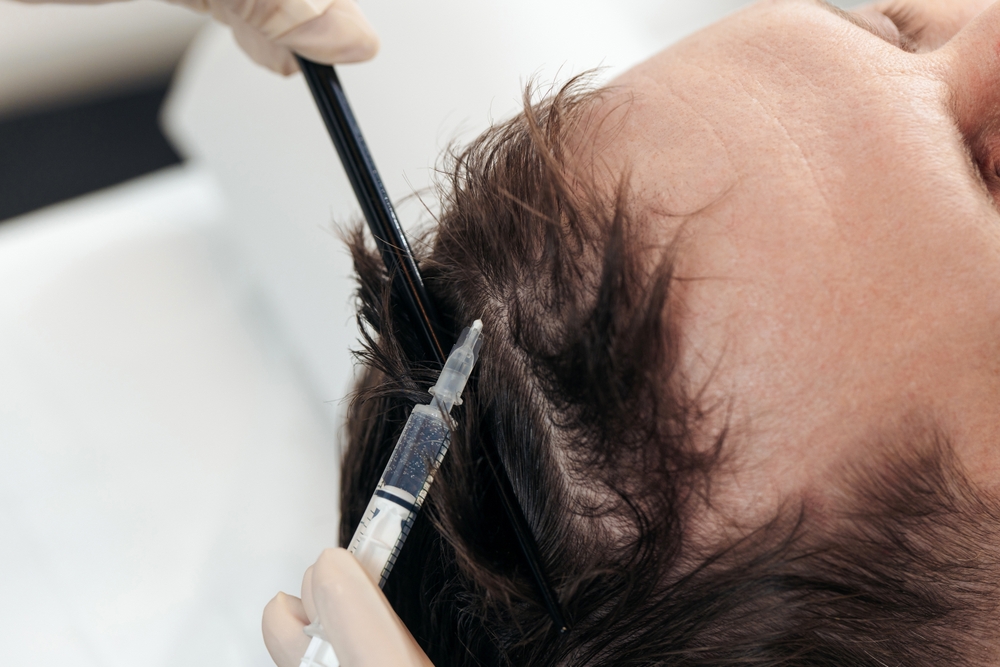
Good candidates include men and women with early-stage hair loss. The treatment works best for active follicles that still produce thin or weak hair. It does not revive dead follicles.
Who Benefits from Hair Mesotherapy for Androgenetic Alopecia?
Men with androgenetic alopecia respond well. This condition causes progressive hair thinning at the crown and temples. Mesotherapy delivers DHT blockers and nutrients directly to affected areas. Early intervention produces better results. Men with Norwood stages 1 to 3 typically see the most improvement.
Can Women Use Hair Mesotherapy for Female Pattern Hair Loss?
Women with female pattern hair loss benefit significantly. This condition causes diffuse thinning over the crown. Mesotherapy addresses hormonal and nutritional factors simultaneously. Women with Ludwig stages 1 and 2 respond best. The treatment suits women who cannot or prefer not to take oral medications.
Does Hair Mesotherapy Help with Telogen Effluvium?
Patients with telogen effluvium respond positively. This condition causes excessive shedding after stress, illness, or hormonal changes. Mesotherapy delivers nutrients that support the anagen phase. It helps shift follicles back into active growth cycles.
Is Early Hair Thinning Treatable with Mesotherapy?
Early hair thinning represents the ideal treatment window. Follicles remain alive but produce thinner hair shafts. Mesotherapy strengthens these follicles. It prevents further miniaturization. Starting treatment early preserves existing hair density.
Can Diffuse Hair Loss Patients Try Mesotherapy?
Diffuse hair loss patients benefit from mesotherapy. This pattern involves overall thinning without specific bald patches. Nutrient-rich injections address widespread follicular weakness. The treatment covers large areas efficiently.
Who Seeks Non-Surgical Hair Restoration?
Patients seeking non-surgical options choose mesotherapy. It requires no incisions, stitches, or anesthesia. Recovery time is minimal. This approach appeals to patients who fear surgery or want to delay transplantation.
Who Should Avoid Hair Mesotherapy?
Certain patients should not undergo this treatment. Safety comes first.
Is Hair Mesotherapy Safe During Pregnancy?
Pregnant women should avoid hair mesotherapy. Injectable ingredients may affect fetal development. No safety studies exist for pregnancy. Doctors recommend waiting until after delivery and breastfeeding.
Can Breastfeeding Women Undergo Hair Mesotherapy?
Breastfeeding women should postpone treatment. Substances may enter breast milk. The effects on infants remain unknown. Doctors advise caution.
Does Active Scalp Infection Prevent Treatment?
Patients with active scalp infections must wait. Infections include bacterial folliculitis, fungal infections, and severe seborrheic dermatitis. Injections could spread infection. Doctors treat the infection first.
Can Autoimmune Scalp Diseases Affect Treatment?
Patients with autoimmune scalp diseases need evaluation. Conditions like lichen planopilaris and discoid lupus erythematosus cause scarring. Mesotherapy may worsen inflammation. Specialists must assess individual cases.
Are Bleeding Disorders a Contraindication?
Patients with bleeding disorders face higher risks. Microinjections cause minor bleeding. Hemophilia and thrombocytopenia increase complication risks. Doctors evaluate clotting function before proceeding.
What About Allergies to Injectable Ingredients?
Patients with known allergies to ingredients must avoid those formulations. Allergic reactions range from mild redness to severe anaphylaxis. Patch testing helps identify sensitivities.
Should Uncontrolled Chronic Illness Patients Wait?
Patients with uncontrolled diabetes, severe hypertension, or active cancer should stabilize their conditions first. Mesotherapy adds stress to compromised systems. Doctors prioritize underlying disease management.
How Is Hair Mesotherapy Performed?
The procedure follows a structured protocol. Each step ensures safety and effectiveness.
What Happens During the Initial Consultation?
The doctor reviews medical history. They discuss hair loss patterns, duration, and previous treatments. They explain realistic outcomes. They set expectations clearly.
How Does Hair and Scalp Assessment Work?
The doctor examines the scalp under magnification. Trichoscopy reveals follicular health, miniaturization, and inflammation. They may order blood tests. These tests check thyroid function, iron levels, and hormonal status. They identify underlying causes.
How Is Treatment Planning Done?
The doctor designs a customized protocol. They select ingredients based on diagnosis. They determine injection density and depth. They plan session frequency. They estimate total sessions needed.
What Injection Technique Do Doctors Use?
Doctors use fine needles or mesotherapy guns. They inject at depths of 2 to 4 millimeters. This depth reaches the mesoderm around follicles. They space injections 1 to 2 centimeters apart. They cover the entire affected area. Session duration ranges from 20 to 45 minutes. Topical anesthetic cream reduces discomfort.
What Happens During a Hair Mesotherapy Session?
The session follows clear steps.
First, the doctor performs a brief medical evaluation. They confirm no contraindications exist.
Second, they cleanse the scalp thoroughly. Antiseptic solution removes bacteria and oils.
Third, they apply optional local anesthesia. Numbing cream sits for 30 to 45 minutes.
Fourth, they perform multiple microinjections. They deliver the formulation across the treatment area.
Fifth, they provide post-treatment instructions. Patients receive guidelines for home care.
How Many Hair Mesotherapy Sessions Are Needed?
Most patients need multiple sessions. Hair growth cycles require time.
What Is the Initial Treatment Course?
Doctors typically recommend 8 to 12 sessions. They schedule these weekly or biweekly. This frequency maintains therapeutic levels in the scalp.
How Often Should Maintenance Sessions Occur?
After the initial course, patients enter maintenance. Monthly sessions preserve results. Some patients need sessions every 6 to 8 weeks.
Why Do Multiple Sessions Produce Better Results?
Hair follicles cycle through phases. Anagen, catagen, and telogen phases last months. Multiple sessions catch follicles at different stages. Consistent treatment supports sustained growth.
What Are the Benefits of Hair Mesotherapy?
Hair mesotherapy offers several advantages.
Does Hair Mesotherapy Reduce Hair Shedding?
Yes. The treatment strengthens follicle anchoring. It reduces the number of hairs entering the telogen phase. Patients notice less hair on pillows and brushes.
Can Hair Mesotherapy Improve Hair Thickness?
Yes. Nutrients support thicker hair shaft production. Individual hairs gain diameter. This creates the appearance of fuller hair.
Does Hair Mesotherapy Improve Hair Density?
Yes. Reduced shedding and improved growth increase overall density. More active follicles produce visible hair. The scalp shows less scalp through hair.
How Does Hair Mesotherapy Enhance Scalp Health?
The treatment improves scalp hydration and oil balance. It reduces inflammation. A healthier scalp supports better hair growth.
Does Hair Mesotherapy Improve Blood Supply?
Yes. Injections stimulate local blood vessels. Better circulation delivers more oxygen and nutrients. Follicles thrive in this improved environment.
What Is Localized Drug Delivery?
Mesotherapy places drugs exactly where needed. It avoids systemic circulation. This localization reduces body-wide side effects. It maximizes scalp concentration.
How Much Downtime Does Hair Mesotherapy Require?
Minimal downtime is required. Patients resume normal activities immediately. Some redness lasts a few hours. No recovery period is necessary.
Can Hair Mesotherapy Combine with Other Therapies?
Yes. Doctors combine it with PRP, minoxidil, finasteride, and laser therapy. Combination approaches often produce superior results.
Does Hair Mesotherapy Really Work?
Current evidence supports hair mesotherapy, but limitations exist.
What Does Current Scientific Evidence Show?
Studies demonstrate positive outcomes. Camacho and García-Hernández (2011) reported improved hair density in androgenetic alopecia patients. Mubki et al. (2013) found reduced shedding after mesotherapy treatment.
What Do Clinical Trials Reveal?
Randomized trials show variable results. Some demonstrate significant improvement. Others show modest benefits. This variability stems from different formulations and protocols.
How Satisfied Are Patients?
Patient satisfaction remains generally high. Many report reduced shedding within weeks. They notice improved hair texture. However, results vary individually.
Why Do Studies Show Variability?
No standardized protocol exists. Different clinics use different ingredients. Injection depths vary. Session frequencies differ. This inconsistency makes comparison difficult.
What Is the Difference Between Anecdotal Outcomes and Evidence-Based Medicine?
Anecdotal reports often claim dramatic results. Evidence-based studies show more modest improvements. Patients should expect realistic outcomes. Mesotherapy helps many patients but does not cure all hair loss.
Which Hair Loss Conditions Respond Best to Mesotherapy?
Certain conditions show better response rates.
Does Androgenetic Alopecia Respond Well?
Yes. This is the most studied indication. Mesotherapy delivers DHT blockers and nutrients directly. Early-stage cases respond best.
Can Female Pattern Hair Loss Improve?
Yes. Women see reduced thinning and improved density. The treatment addresses multiple contributing factors.
What About Chronic Telogen Effluvium?
Patients with chronic telogen effluvium benefit. Nutrient support helps stabilize hair cycles. The condition often resolves faster with treatment.
Does Nutritional Hair Thinning Improve?
Yes. Mesotherapy directly addresses deficiencies. It bypasses digestive absorption issues.
Can Early-Stage Alopecia Be Treated?
Early-stage alopecia responds well. Follicles retain potential for recovery. Treatment prevents progression.
Where Does Evidence Remain Limited?
Advanced scarring alopecias show limited response. Completely bald areas with dead follicles do not regrow hair. Mesotherapy cannot replace lost follicles.
Hair Mesotherapy vs PRP
Both treatments offer non-surgical options.
Feature | Hair Mesotherapy | PRP |
Source | Injectable formulations | Patient's own blood |
Mechanism | Nutrient/drug delivery | Growth factors from platelets |
Evidence | Moderate | Stronger |
Downtime | Minimal | Minimal |
Sessions | Multiple | Multiple |
Ideal candidates | Early hair loss | Various alopecia types |
PRP uses the patient's own blood. Doctors process it to concentrate platelets. They inject this concentrate into the scalp. PRP carries no risk of allergic reaction to foreign substances. Mesotherapy offers more customizable ingredients. Some clinics combine both treatments for enhanced results.
Hair Mesotherapy vs Minoxidil
These treatments differ in application and mechanism.
How Do Mechanisms Differ?
Minoxidil is a vasodilator. It opens blood vessels around follicles. Mesotherapy delivers multiple active ingredients. It combines vasodilation with nutrients and medications.
How Does Application Differ?
Minoxidil comes as a topical solution or foam. Patients apply it daily at home. Mesotherapy requires clinic visits. Professionals administer it via injections.
Which Treatment Has Better Compliance?
Minoxidil requires daily use forever. Many patients stop using it. Mesotherapy requires periodic clinic visits. Some patients prefer this schedule.
What About Side Effects?
Minoxidil causes scalp irritation, unwanted facial hair, and initial shedding. Mesotherapy causes injection-site reactions. Both have manageable side effect profiles.
How Does Clinical Evidence Compare?
Minoxidil has extensive FDA-approved evidence. It is the gold standard topical treatment. Mesotherapy has promising but less robust evidence.
What Is Long-Term Maintenance?
Both require ongoing use. Stopping minoxidil reverses gains. Stopping mesotherapy allows gradual regression. Maintenance sustains results.
Can Mesotherapy Replace Minoxidil?
No. Mesotherapy serves as an adjunct. It enhances results alongside minoxidil. Doctors often recommend both together.
Hair Mesotherapy vs Hair Transplant
These treatments serve different purposes.
Who Are Suitable Candidates?
Mesotherapy suits patients with thinning hair and active follicles. Transplants suit patients with bald areas and sufficient donor hair.
What Degree of Hair Loss Works for Each?
Early to moderate loss responds to mesotherapy. Advanced baldness requires transplantation.
Which Treatment Offers Permanence?
Transplants move permanent follicles. Results last indefinitely. Mesotherapy requires ongoing maintenance.
How Do Costs Compare?
Mesotherapy costs less per session but requires repetition. Transplants cost more upfront but are one-time procedures.
What Recovery Is Needed?
Mesotherapy needs no recovery. Transplants require 7 to 14 days of healing.
What Outcomes Should Patients Expect?
Mesotherapy thickens existing hair. Transplants restore hair to bald areas.
Can Doctors Combine Both Approaches?
Yes. Many patients use mesotherapy before and after transplantation. It improves graft survival and native hair preservation.
Can Hair Mesotherapy Be Combined with Other Treatments?
Combination therapy often produces the best results.
Does PRP Enhance Mesotherapy?
Yes. Doctors perform both in the same session. PRP provides growth factors. Mesotherapy provides nutrients and medications.
Can Microneedling Improve Results?
Microneedling creates microchannels. It enhances absorption. Some protocols combine microneedling with mesotherapy application.
Does Low-Level Laser Therapy Help?
Laser therapy stimulates follicles through photobiomodulation. It complements mesotherapy's nutritional support.
Should Patients Continue Topical Minoxidil?
Yes. Minoxidil provides daily vasodilation. Mesotherapy adds periodic nutrient boosts.
Can Oral Finasteride or Dutasteride Be Used?
Yes. Oral medications block DHT systemically. Mesotherapy adds local DHT blocking and nutrients.
Does Nutritional Supplementation Matter?
Yes. Oral supplements support overall health. Mesotherapy delivers concentrated local doses.
What About Exosome Therapy?
Exosome therapy is emerging. It uses cellular signaling molecules. Early research shows promise. Some clinics combine it with mesotherapy.
Can Transplant Patients Use Mesotherapy?
Yes. Post-transplant mesotherapy supports graft healing. It improves blood supply to new follicles.
What Are the Risks and Side Effects?
Hair mesotherapy is generally safe. Side effects are usually mild and temporary.
What Common Adverse Effects Occur?
Pain: Mild discomfort during injections. Numbing cream reduces this.
Redness: Injection sites appear red for hours.
Swelling: Small bumps form at injection points. These resolve within 24 to 48 hours.
Bruising: Minor bruises may appear. They fade within days.
Tenderness: The scalp feels tender for a day or two.
Temporary itching: Mild itching occurs as the scalp heals.
Mild headache: Some patients report headaches after treatment.
What Rare Complications Exist?
Infection: Proper sterilization prevents this. Risk is low in clinical settings.
Allergic reaction: Rare but possible. Patch testing identifies allergies.
Granuloma: Small nodules form if substances cluster. These are uncommon.
Scarring: Extremely rare with proper technique.
Paradoxical hair loss: Rare reported cases of temporary increased shedding.
How Common Are Serious Complications?
Serious complications are uncommon when qualified professionals perform treatment. Choosing experienced practitioners minimizes risks.
What Should You Do Before Hair Mesotherapy?
Preparation improves safety and results.
Should You Review Medical History?
Yes. Disclose all conditions, medications, and allergies.
Do Medications Affect Treatment?
Blood thinners increase bruising. Doctors may adjust medication schedules.
Should You Avoid Alcohol?
Avoid alcohol for 24 hours before treatment. Alcohol thins blood and increases bleeding.
How Important Is Scalp Hygiene?
Wash hair the morning of treatment. Clean scalp reduces infection risk.
Should You Limit Sun Exposure?
Avoid sunburn before treatment. Damaged skin increases sensitivity.
What Should You Avoid After Hair Mesotherapy?
Post-treatment care protects results.
When Can You Wash Your Hair?
Wait 24 to 48 hours. This allows injection sites to close.
Should You Avoid Heavy Exercise?
Avoid strenuous exercise for 24 hours. Sweat may irritate the scalp.
Can You Swim After Treatment?
Avoid swimming pools for 48 hours. Chlorine and bacteria may cause infection.
Should You Skip the Sauna?
Avoid saunas and steam rooms for 48 hours. Heat increases swelling.
Does Alcohol Affect Recovery?
Avoid alcohol for 24 hours. It promotes bleeding and delays healing.
When Can You Color Your Hair?
Wait one week. Chemicals irritate fresh injection sites.
Should You Avoid Direct Sunlight?
Protect the scalp from direct sun for 48 hours. Use hats if necessary.
When Will Results Become Visible?
Patience is essential. Hair grows slowly.
What Happens in the First Week?
Patients may notice reduced scalp tension. Some see initial decrease in shedding. Most changes are subclinical.
What Changes Occur in the First Month?
Shedding often reduces. Scalp health improves. Hair texture may feel stronger.
What Results Appear at Three Months?
Visible thickening begins. New hair growth emerges. Density improves modestly.
What Improvements Show at Six Months?
Significant density and thickness gains appear. Patients and doctors see clear photographic improvement.
What Does Long-Term Maintenance Involve?
Continued sessions preserve gains. Without maintenance, gradual regression occurs.
How Long Do Hair Mesotherapy Results Last?
Results duration varies individually.
Do Maintenance Sessions Extend Benefits?
Yes. Regular maintenance sustains improvements. Intervals depend on individual response.
How Does Individual Response Vary?
Some patients maintain results for months. Others need frequent sessions. Genetics and hair loss severity influence duration.
Does the Underlying Cause Matter?
Yes. Ongoing hormonal imbalance or nutritional deficiency shortens results. Treating the root cause extends benefits.
Can Lifestyle Factors Affect Longevity?
Stress, poor diet, and smoking reduce result duration. Healthy habits support lasting improvements.
Do Hormonal Influences Play a Role?
Androgenetic alopecia is progressive. Without ongoing DHT blocking, miniaturization continues. Mesotherapy manages but does not cure hormonal hair loss.
How Much Does Hair Mesotherapy Cost?
Pricing varies widely.
Does Country Affect Cost?
Yes. Treatment in North America and Western Europe costs more than in Eastern Europe or Asia.
Does Clinic Expertise Matter?
Experienced dermatologists and hair specialists charge more. Their expertise justifies higher fees.
How Does Session Number Influence Price?
Package deals reduce per-session costs. Single sessions cost more.
Do Injectable Formulations Affect Price?
Premium ingredients increase costs. Basic vitamin cocktails cost less. Medications like dutasteride add expense.
Does Combining Therapies Change Cost?
Adding PRP, laser, or exosomes raises total price. Patients should discuss full treatment plans.
Frequently Asked Questions About Hair Mesotherapy
Is Hair Mesotherapy Painful?
Discomfort is mild. Fine needles and numbing cream minimize pain. Most patients tolerate it well.
Can Hair Mesotherapy Regrow Hair?
It can improve thickness and density. It revives weak follicles. It does not create new follicles in bald areas.
Does Hair Mesotherapy Stop Hair Loss Permanently?
No. It manages hair loss. Maintenance sessions are necessary. Underlying progressive conditions continue without ongoing treatment.
Can Women Undergo Hair Mesotherapy?
Yes. It is safe and effective for women. Formulations adjust for female hair loss patterns.
Is Hair Mesotherapy Safe?
Yes, when performed by qualified professionals. Side effects are usually mild. Serious complications are rare.
How Often Should Hair Mesotherapy Be Repeated?
Initial courses run weekly or biweekly for 8 to 12 sessions. Maintenance occurs monthly or bimonthly.
Is There Any Downtime?
No. Patients resume normal activities immediately. Minor redness resolves within hours.
Can Hair Mesotherapy Replace Hair Transplant Surgery?
No. It complements but does not replace transplantation. Advanced baldness still requires surgical intervention.
Can Hair Mesotherapy Be Used with Minoxidil?
Yes. This combination is common and effective. They work through different mechanisms.
How Soon Can I Wash My Hair?
Wait 24 to 48 hours. This protects injection sites and optimizes absorption.
Conclusion
Hair mesotherapy is a minimally invasive treatment that delivers active substances directly into the scalp. It may improve hair quality and reduce shedding in selected patients. Current evidence suggests potential benefits, particularly when combined with established therapies, but standardized protocols and larger clinical trials are still needed. Treatment decisions should be individualized and guided by qualified hair restoration specialists using evidence-based practice.
Patients should approach hair mesotherapy with realistic expectations. It is not a cure for all hair loss. It is a management tool. Early intervention produces better outcomes. Combination with proven treatments like minoxidil and finasteride enhances results. Choosing qualified practitioners ensures safety and effectiveness.
References
Camacho, F. M., and García-Hernández, M. J. "Mesotherapy in the Treatment of Androgenetic Alopecia." International Journal of Trichology, vol. 3, no. 2, 2011, pp. 123-126.
Mubki, T., et al. "Evaluation of Mesotherapy in the Treatment of Diffuse Alopecia." Journal of Cutaneous and Aesthetic Surgery, vol. 6, no. 3, 2013, pp. 139-144.
Jha, A. K., et al. "Efficacy of Mesotherapy in Androgenetic Alopecia: A Comparative Study." Journal of Cosmetic Dermatology, vol. 18, no. 4, 2019, pp. 1028-1034.
Park, K. Y., et al. "Effect of Mesotherapy with Dutasteride in the Treatment of Androgenetic Alopecia." Journal of the American Academy of Dermatology, vol. 73, no. 5, 2015, pp. 854-860.
Trost, L. B., et al. "The Diagnosis and Treatment of Hair Loss." American Family Physician, vol. 74, no. 8, 2006, pp. 1561-1568.
Blume-Peytavi, U., et al. "S1 Guideline for Diagnostic Evaluation in Androgenetic Alopecia in Men, Women and Adolescents." Journal of the German Society of Dermatology, vol. 9, no. 1, 2011, pp. 6-10.
Suchonwanit, P., et al. "Minoxidil and Its Use in Hair Disorders: A Review." Drug Design, Development and Therapy, vol. 13, 2019, pp. 2777-2786.
Kantiakis, J. "Mesotherapy: A Bibliographical Approach." Journal of the European Academy of Dermatology and Venereology, vol. 31, no. 8, 2017, pp. 1253-1258.
Lacarrubba, F., et al. "Scalp Mesotherapy in Hair Loss: A Review." Skin Appendage Disorders, vol. 4, no. 4, 2018, pp. 298-304.
Gupta, A. K., and Charrette, A. "Topical Minoxidil for Hair Loss: A Comprehensive Review." Journal of the American Academy of Dermatology, vol. 75, no. 3, 2016, pp. 554-561.