
What Does the PRP Hair Treatment London Guide Cover for Patients?
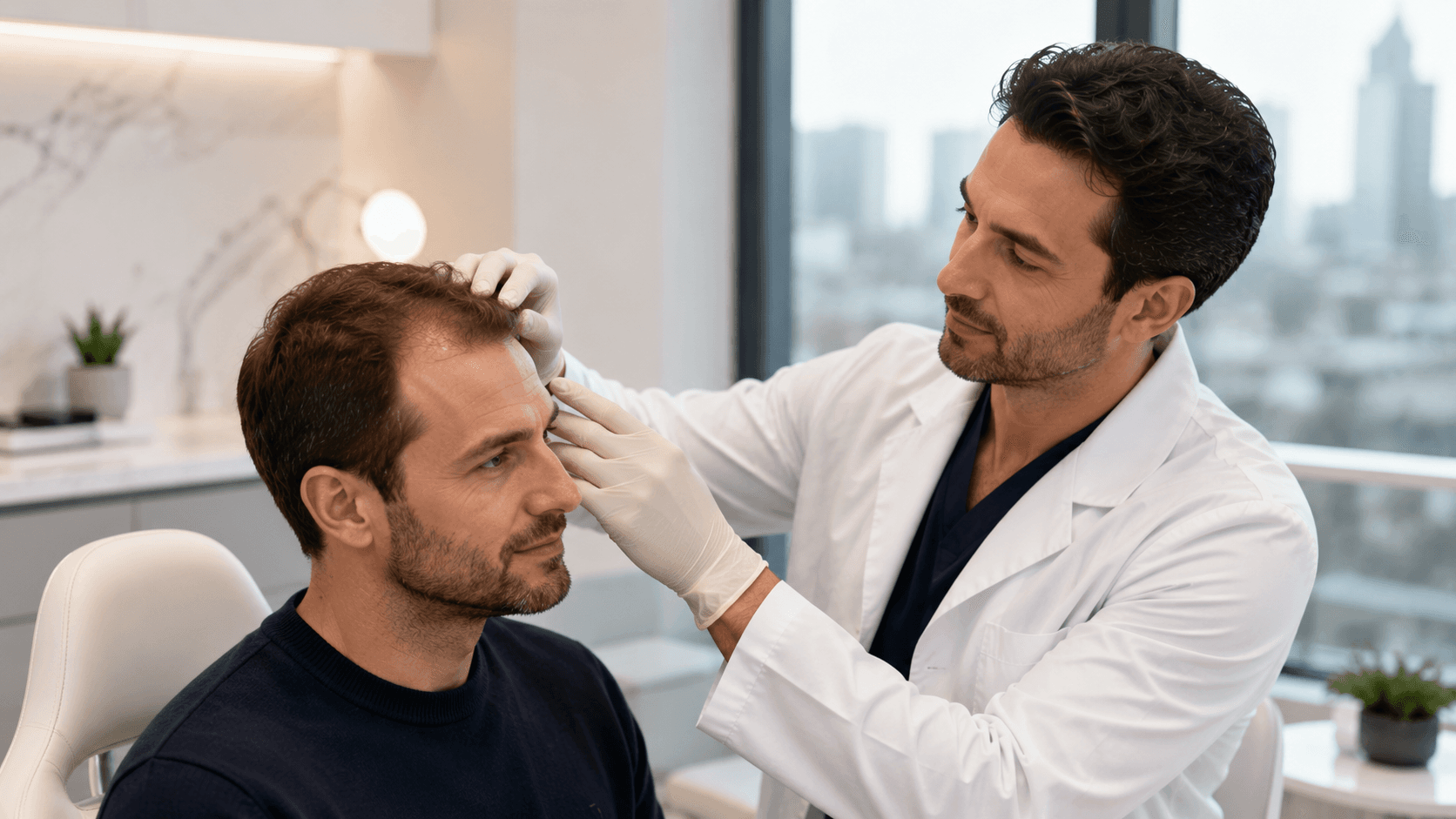
This PRP Hair Treatment London Guide gives you clear, evidence-based answers about platelet-rich plasma therapy for hair loss.
This PRP Hair Treatment London Guide gives you clear, evidence-based answers about platelet-rich plasma therapy for hair loss. PRP stands for Platelet-Rich Plasma. Doctors extract this from your own blood and inject it into your scalp to stimulate natural hair growth. PRP has become one of London's most popular non-surgical hair restoration treatments because it uses your body's own healing power. Scientific research supports PRP for increasing hair density and thickness in patients with early-stage androgenetic alopecia (Gkini et al. 2014). This guide helps anyone who notices thinning hair, shedding, or early pattern baldness. You will learn how PRP works, what the science says, who qualifies, what to expect during treatment, and how to choose a reputable hair clinic in London.
What Is PRP Hair Treatment?
PRP hair treatment is a regenerative procedure that harnesses platelet-derived growth factors to revive thinning hair follicles. Doctors classify PRP as an evidence-based hair therapy because multiple randomized trials support its benefits (Li et al. 2012). This section explains the definition, history, and biological foundation of PRP.
What Is Platelet-Rich Plasma?
Platelet-Rich Plasma is a concentrated portion of your blood that contains three to five times more platelets than normal plasma. Platelets are tiny cell fragments that normally clot blood. They also store powerful proteins called growth factors. These growth factors trigger cell repair, blood vessel formation, and tissue regeneration. Doctors create PRP by spinning your blood in a centrifuge. This process separates platelets from red and white blood cells. The resulting plasma contains a high concentration of bioactive molecules that can stimulate dormant hair follicles (Khatu et al. 2014).
How Did PRP Start in Regenerative Medicine?
Doctors first used PRP in the 1970s. Oral surgeons applied PRP to improve bone healing after jaw reconstruction. Orthopedic surgeons later adopted PRP for tendon injuries and joint repair. Wound care specialists used PRP to speed up skin healing in chronic ulcers. Over the decades, researchers noticed that PRP not only healed tissue but also promoted new cell growth. This observation led dermatologists to test PRP for hair restoration in the early 2000s.
How Did PRP Become a Hair Loss Treatment?
Scientists noticed that PRP growth factors could activate stem cells in the hair follicle bulge. The bulge area houses primitive cells that regenerate follicles. When researchers injected PRP into balding scalp areas, they observed increased hair density and thicker shafts. Early studies by Gkini et al. (2014) showed significant improvements in hair count after one year of PRP treatment. These findings sparked global interest. Today, PRP ranks among the most requested non-surgical hair restoration options in London clinics.
What Is the Science Behind Platelet-Derived Growth Factors?
Platelets release over twenty different bioactive proteins. These proteins bind to receptors on hair follicle cells and trigger specific signaling pathways. The extracellular signal-regulated kinase (ERK) pathway boosts cell proliferation. The protein kinase B (Akt) pathway prevents cell death. Together, these pathways extend the anagen phase and enlarge miniaturized follicles (Li et al. 2012). The most important growth factors for hair include PDGF, VEGF, TGF-β, EGF, and IGF.
What Does PDGF Do for Hair Growth?
PDGF stands for Platelet-Derived Growth Factor. PDGF recruits stem cells to the follicle base. It also triggers the transcription of genes that initiate the anagen phase. Without PDGF, follicles remain dormant. With PDGF, follicles receive the signal to start growing again.
What Does VEGF Do for Hair Growth?
VEGF stands for Vascular Endothelial Growth Factor. VEGF builds new blood vessels around hair follicles. These vessels deliver oxygen, nutrients, and hormones to the follicle root. Yano et al. (2001) proved that VEGF-mediated angiogenesis directly controls hair growth and follicle size. More blood flow means stronger, thicker hair.
What Does TGF-β Do for Hair Growth?
TGF-β stands for Transforming Growth Factor-Beta. TGF-β modulates immune responses in the scalp. It suppresses inflammatory chemicals that attack follicles. TGF-β also helps restore immune tolerance in conditions like alopecia areata. Reduced inflammation creates a healthier environment for hair regeneration.
What Does EGF Do for Hair Growth?
EGF stands for Epidermal Growth Factor. EGF keeps keratinocytes in a proliferative state. It delays premature differentiation and maintains active cell division. EGF also protects follicles from immune-mediated destruction by regulating lymphocyte-recruiting chemokines.
What Does IGF Do for Hair Growth?
IGF stands for Insulin-Like Growth Factor. IGF stimulates the proliferation of basal keratinocytes in the outer root sheath. It also prolongs the anagen phase. IGF works together with EGF to push follicles from the resting telogen phase into the active anagen phase.
How Does PRP Hair Treatment Work?
PRP hair treatment works through a simple four-step process. A doctor draws your blood, spins it in a centrifuge, concentrates the platelets, and injects the PRP into thinning scalp areas. The biological mechanisms then take over. Growth factors trigger increased blood supply, stem cell activation, follicle stimulation, reduced inflammation, and prolonged anagen phase.
What Happens During Blood Collection?
A nurse or doctor draws 20 to 60 milliliters of blood from your arm. This amount equals roughly one to four tablespoons. The process feels like a standard blood test. The clinic uses a sterile needle and collection tube. Good hydration before the draw makes the process faster and improves platelet quality.
What Is the Centrifugation Process?
A centrifuge spins the blood at high speed for 10 to 15 minutes. This spinning separates blood into three layers. Red blood cells sink to the bottom. White blood cells and platelets form a thin middle layer called the buffy coat. Platelet-poor plasma floats on top. Technicians extract the buffy coat and some plasma to create PRP.
How Does Platelet Concentration Work?
The spinning process creates plasma with a platelet concentration three to five times higher than normal blood. Some advanced systems achieve even higher concentrations. Higher platelet counts mean more growth factors per injection. However, Rodrigues et al. (2019) found no direct correlation between platelet count and hair growth. The quality of platelets matters as much as the quantity.
Where Do Doctors Inject PRP?
Doctors inject PRP directly into the thinning areas of the scalp. They use fine needles to deposit small amounts of PRP every one to two centimeters. The doctor maps the treatment area during your consultation. Common target zones include the crown, hairline, and temporal regions.
What Biological Mechanisms Does PRP Trigger?
PRP triggers five core biological mechanisms that restore hair growth. These mechanisms work together to create a regenerative microenvironment.
How Does PRP Increase Blood Supply?
VEGF and other angiogenic factors create new capillaries around hair follicles. Lachgar et al. (1996) showed that VEGF acts as an autocrine growth factor for dermal papilla cells. More vessels mean better nutrient delivery. Better nutrients mean stronger follicles.
How Does PRP Activate Stem Cells?
PRP signals trigger stem cells in the bulge area to differentiate. These stem cells generate new follicular cells. The process requires activation of the Wnt/β-catenin signaling pathway. PRP growth factors upregulate this pathway and stimulate stem cell differentiation.
How Does PRP Stimulate Follicles?
Growth factors wake up dormant follicles. They push follicles from the resting telogen phase into the active anagen phase. PRP also upregulates fibroblast growth factor 7 (FGF-7). FGF-7 stimulates dermal papilla cell proliferation.
How Does PRP Reduce Inflammation?
TGF-β suppresses monocyte chemoattractant protein-1 (MCP-1). MCP-1 normally recruits inflammatory cells to the scalp. By lowering MCP-1, PRP reduces immune cell infiltration. Less inflammation means less follicle damage.
How Does PRP Prolong the Anagen Phase?
IGF and other factors extend the active growth period of each hair strand. The anagen phase normally lasts two to seven years. In androgenetic alopecia, this phase shortens. PRP counteracts this shortening and allows hair to grow longer and thicker.
What Does Scientific Research Say About PRP for Hair Loss?
Multiple clinical studies support PRP for hair loss. However, researchers continue to refine protocols and explore optimal treatment parameters. This section reviews current evidence, meta-analyses, and limitations.
What Does Current Evidence Show?
Randomized controlled trials confirm that PRP improves hair count and density in patients with androgenetic alopecia. Gkini et al. (2014) tracked patients for one year and documented significant increases in hair density. Li et al. (2012) demonstrated that PRP induces dermal papilla cell proliferation through ERK and Akt signaling. These studies establish PRP as a legitimate evidence-based PRP therapy for hair thinning.
What Do Systematic Reviews and Meta-Analyses Conclude?
A systematic review by Stevens and Khetarpal (2018) evaluated all major PRP studies for androgenetic alopecia. The authors concluded that PRP significantly increases hair density and thickness. They also noted minimal adverse effects across all trials. Another meta-analysis confirmed that PRP outperforms placebo in head-to-head comparisons.
How Much Does PRP Improve Hair Density?
Studies report density increases ranging from 15 to 30 percent after three to six months of treatment. Rodrigues et al. (2019) measured hair density using dermoscopy. The PRP group showed significant gains three months after the last injection. These improvements remained stable during follow-up periods.
How Much Does PRP Improve Hair Thickness?
Clinical trials show shaft diameter increases of 10 to 25 percent in treated areas. Thicker shafts create the appearance of fuller hair. Patients often notice this change before they see new hair growth. Thickness improvements typically appear between month three and month six.
What Do Patients Report About Satisfaction?
Most patients report high satisfaction when they complete the full treatment course. Satisfaction depends on realistic expectations. PRP enhances existing follicles. It does not create new ones. Patients who understand this distinction report the highest satisfaction scores (Bayat et al. 2019).
What Are the Limitations of Current Research?
Studies use different preparation methods, injection protocols, and patient groups. Some trials use single-spin centrifugation. Others use double-spin systems. Injection frequencies range from weekly to monthly. This variability makes direct comparisons difficult. Researchers call for standardized protocols to improve reproducibility.
Why Do Treatment Protocols Vary Between Clinics?
No universal standard exists for centrifuge speed, platelet concentration, or injection frequency. Different clinics use different PRP kits. Some activate platelets with calcium chloride. Others use autologous serum. Some doctors add microneedling. Others inject PRP alone. This diversity explains why results differ between providers.
Who Is an Ideal Candidate for PRP Hair Treatment?
PRP works best for men and women with early-stage thinning, pattern hair loss, or diffuse shedding. The ideal candidate has active follicles that need stimulation rather than replacement.
Can Men with Pattern Hair Loss Use PRP?
Yes. Men with androgenetic alopecia represent the largest group of PRP patients. Male pattern baldness typically starts at the temples or crown. PRP stimulates follicles in these areas. Men with Norwood stage two to four see the best results. Early intervention prevents further miniaturization.
Can Women with Pattern Hair Loss Use PRP?
Yes. Women with female pattern hair loss respond well to PRP. Women typically experience diffuse thinning across the crown. PRP addresses this pattern effectively. Women often prefer PRP because it avoids the hormonal side effects associated with some medications.
Does PRP Help Early-Stage Hair Thinning?
Yes. Early intervention produces the best results. At this stage, follicles remain active but shrink. PRP reverses this shrinkage and restores follicle size. Starting treatment early also slows future progression.
Does PRP Treat Diffuse Thinning?
Yes. PRP can address widespread thinning across the entire scalp. Doctors distribute injections evenly to cover all affected areas. Diffuse thinning often signals telogen effluvium or early androgenetic alopecia. PRP helps both conditions.
Can PRP Help After Stress or Illness?
Yes. PRP can accelerate recovery from telogen effluvium. Stress, surgery, illness, or childbirth can push large numbers of follicles into the resting phase. PRP shortens this resting phase and triggers regrowth. Many patients see improvement within two to three months.
Can Hair Transplant Patients Use PRP?
Yes. PRP supports graft survival and speeds healing after transplantation. Uebel et al. (2006) showed that pretreating follicular units with PRP before transplantation improved hair growth and density. Post-transplant PRP also reduces shock loss and accelerates the emergence of new grafts.
Who Seeks Non-Surgical Treatment?
People who want to avoid surgery or medication side effects often choose PRP. PRP offers a middle ground between topical creams and hair transplants. It requires no incisions, no stitches, and no daily pills.
Who May Not Benefit From PRP?
PRP cannot help everyone. People with complete baldness, scarring alopecia, active infections, or certain blood disorders may not see results.
Does PRP Work on Completely Bald Scalp?
No. PRP cannot create new follicles where none exist. If the scalp shows smooth, shiny skin with no visible pores, the follicles have died. PRP stimulates living follicles. It does not generate new ones.
Does PRP Help Advanced Follicle Miniaturization?
No. Once follicles shrink beyond a certain point, PRP cannot reverse the damage. Advanced miniaturization produces vellus hair that is almost invisible. At this stage, only hair transplantation offers a viable solution.
Can PRP Treat Scarring Alopecia?
No. Scar tissue destroys follicles permanently. Conditions like lichen planopilaris or central centrifugal cicatricial alopecia replace follicles with collagen. PRP cannot regenerate destroyed tissue or remove scar tissue.
Should People with Active Scalp Infections Get PRP?
No. Doctors must treat infections first. Injecting PRP through infected skin can spread bacteria and cause complications. Common infections include tinea capitis, folliculitis, and bacterial abscesses.
Can People with Blood Disorders Use PRP?
No. Conditions like thrombocytopenia or clotting disorders make PRP unsafe or ineffective. Low platelet counts produce weak PRP. Clotting disorders increase bleeding risk during injection.
Can People with Autoimmune Diseases Use PRP?
Some autoimmune conditions may contraindicate PRP. Doctors evaluate each case individually. Conditions like lupus or uncontrolled thyroid disease may affect results. However, some patients with alopecia areata respond well to PRP combined with other therapies.
Is PRP Safe During Pregnancy?
No. Most doctors recommend waiting until after pregnancy and breastfeeding. Research has not established PRP safety for pregnant women. Hormonal fluctuations during pregnancy also affect hair growth patterns.
What Happens During a PRP Hair Treatment Appointment in London?
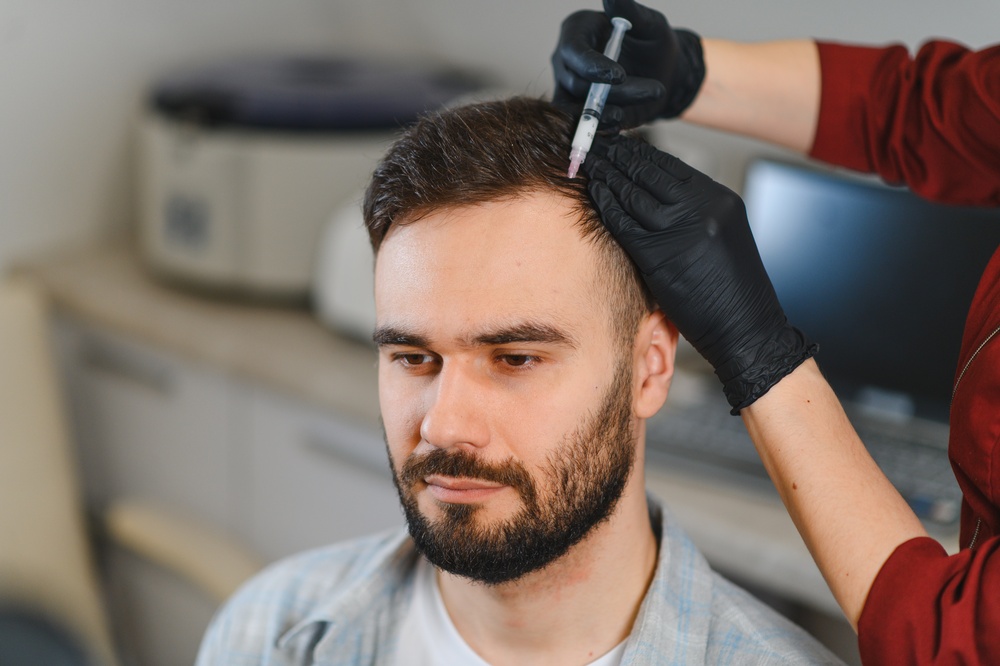
A typical visit includes consultation, diagnosis, photography, blood draw, PRP preparation, and scalp injection. The entire process takes 60 to 90 minutes.
What Happens at the Initial Consultation?
The doctor reviews your medical history, examines your scalp, and discusses your goals. You should mention any medications, allergies, or previous hair treatments. The doctor explains the procedure, expected outcomes, and costs. This consultation ensures PRP suits your specific type of hair loss.
How Do Doctors Diagnose Hair Loss?
Doctors use visual examination, dermoscopy, and sometimes blood tests to identify the cause. Dermoscopy magnifies the scalp 10 to 100 times. It reveals follicle openings, hair shaft diameter, and scalp inflammation. Blood tests check thyroid function, iron levels, and vitamin D. Proper diagnosis prevents inappropriate treatment.
Why Do Clinics Take Photographs?
Photos document your baseline condition. Clinics take standardized images from multiple angles. They repeat these photos at follow-up visits. Comparing before-and-after images provides objective evidence of improvement. Good clinics use consistent lighting and camera settings.
What Happens During the Blood Draw?
A nurse draws 20 to 60 milliliters of blood from your arm. The process takes two to three minutes. The clinic uses a sterile needle and collection tube. Some patients feel mild discomfort. Others feel only a brief pinch.
How Do Clinics Prepare PRP?
Technicians place blood in a centrifuge and spin it for 10 to 15 minutes. They extract the platelet-rich layer using a sterile syringe. Some clinics activate platelets with calcium chloride or autologous serum. Activation releases growth factors immediately before injection.
Do Doctors Use Local Anaesthetic?
Some clinics apply numbing cream or local anaesthetic to minimize discomfort. Numbing cream sits on the scalp for 20 to 30 minutes. Local anaesthetic injections target specific areas. Most patients tolerate PRP injections without any anaesthetic.
What Injection Technique Do Doctors Use?
Doctors use fine needles to deposit small amounts of PRP across the thinning areas. They space injections one to two centimeters apart. Some doctors use a mesotherapy gun for faster delivery. Others prefer manual injection for precise control. The injection phase lasts 10 to 20 minutes.
How Long Does the Treatment Take?
The entire appointment lasts 60 to 90 minutes. Consultation and photography take 15 to 20 minutes. Blood draw takes 5 minutes. Centrifugation takes 15 minutes. Injection takes 15 to 20 minutes. Recovery briefing takes 5 minutes.
What Is Immediate Recovery Like?
Most patients leave the clinic immediately. You can drive yourself home. The scalp may feel tight or tender. Small bumps at injection sites usually disappear within hours. No bandages or dressings are necessary.
How Many PRP Sessions Are Usually Recommended?
Most doctors recommend three to four initial sessions spaced four weeks apart. Maintenance sessions follow every three to six months.
What Is the Initial Treatment Course?
The standard course includes three to four monthly sessions. Some protocols use six sessions for severe thinning. Hausauer and Jones (2018) tested different regimens and found that multiple sessions produce better outcomes than single treatments.
Why Do Doctors Use a Monthly Schedule?
Monthly intervals allow follicles to respond and regenerate between treatments. Hair grows in cycles. Each cycle lasts several weeks. Monthly sessions catch follicles at different stages and ensure comprehensive stimulation.
Do Patients Need Maintenance Sessions?
Yes. Most patients need one session every three to six months to maintain results. Without maintenance, the effects of DHT and aging gradually reverse the gains. Maintenance is essential for long-term hair density improvement.
How Do Doctors Create Individual Treatment Plans?
Doctors adjust the number of sessions based on hair loss severity, response, and patient goals. Younger patients with early thinning may need fewer sessions. Older patients with moderate loss may need more. The doctor reassesses progress at each visit.
What Factors Affect Treatment Frequency?
Genetics, age, hormonal status, and lifestyle all influence how often you need treatment. Patients with rapid hair loss need more frequent sessions. Patients with stable thinning can extend intervals. Stress, poor diet, and smoking may accelerate loss and require more frequent maintenance.
When Will You See Results?
Most patients notice reduced shedding within one month. Visible density improvements appear after three to six months. Full results emerge at twelve months.
What Happens in the First Month?
Shedding usually decreases as follicles stabilize. The growth factors calm inflammation and strengthen the follicle anchor. You may notice less hair on your pillow or in the shower drain. This early change reassures many patients that the treatment is working.
What Changes Occur at Three Months?
Early regrowth and thickening become visible. New hairs emerge as fine, light strands. These vellus hairs gradually thicken into terminal hairs. Patients often notice improved scalp coverage at the hairline or crown.
What Improvements Show at Six Months?
Hair density and thickness reach noticeable levels. Friends and family may comment on your fuller hair. Dermoscopy confirms increased follicular unit density. Shaft diameter measurements show 10 to 25 percent improvement.
What Results Can You Expect at Twelve Months?
Full results become apparent with optimal density and coverage. The hair looks thicker, stronger, and healthier. Gentile and Garcovich (2020) showed that both activated and non-activated PRP produced significant improvements at the one-year mark.
What Specific Improvements Should You Expect?
You can expect less shedding, more density, thicker shafts, and better scalp health. Each improvement contributes to an overall fuller appearance.
How Much Does Shedding Reduce?
Most patients see 30 to 50 percent less shedding within the first two months. Reduced shedding means more hairs remain on the scalp. This alone creates a denser look.
How Much Does Density Increase?
Density typically improves by 15 to 30 percent. This increase translates to thousands of additional hairs per square centimeter. The improvement appears gradual but consistent.
How Much Do Hair Shafts Thicken?
Shaft diameter increases by 10 to 25 percent. Thicker shafts reflect more light and create the illusion of more volume. This optical effect enhances the cosmetic result.
How Does Scalp Quality Improve?
Inflammation drops and oil production normalizes. The scalp feels less itchy and flaky. Improved scalp health supports stronger follicle function.
How Long Do PRP Results Last?
Results typically last 12 to 18 months without maintenance. Regular maintenance extends benefits indefinitely.
How Do Maintenance Treatments Work?
Top-up sessions every three to six months sustain follicle stimulation. These sessions use the same process as initial treatments. Maintenance requires less time because the scalp already responds to the therapy. Many patients schedule maintenance alongside their regular haircuts.
What Factors Influence Longevity?
Genetics, hormones, and lifestyle choices determine how long results last. Understanding these factors helps you set realistic expectations.
How Does Lifestyle Affect Results?
Good nutrition, low stress, and proper sleep support lasting outcomes. Protein provides the building blocks for hair. Vitamins and minerals fuel cellular processes. Stress raises cortisol, which can trigger shedding. Sleep allows repair and regeneration.
How Do Genetics Affect Results?
Your genes determine baseline follicle sensitivity to hormones. Some people carry genes that make follicles highly sensitive to DHT. These patients may need more frequent maintenance. Others have robust follicles that respond well and maintain results longer.
How Do Hormonal Influences Affect Results?
DHT and other hormones continue to miniaturize follicles over time. PRP counteracts this process temporarily. Without ongoing treatment, DHT gradually wins the battle. Maintenance sessions keep follicles in the growth phase despite hormonal pressure.
What Are the Benefits of PRP Hair Treatment?
PRP offers a minimally invasive, natural, low-risk option with minimal downtime and no surgical scars. These benefits attract thousands of patients to hair rejuvenation London clinics every year.
Is PRP Minimally Invasive?
Yes. The procedure uses only needles and your own blood. No scalpels, no stitches, and no general anaesthesia are necessary. You remain awake throughout the treatment.
Does PRP Use Your Own Blood?
Yes. Doctors use autologous blood, which eliminates rejection risk. Your body recognizes its own platelets. This autologous approach makes PRP one of the safest cosmetic procedures available.
Does PRP Leave Surgical Scars?
No. The injections create no visible scars. Needle marks fade within hours. You can wear your hair short without worrying about linear scars.
Does PRP Require Downtime?
No. Most patients return to work the same day. You can schedule treatment during your lunch break. This convenience makes PRP ideal for busy professionals.
Does PRP Carry Allergy Risk?
No. Since PRP comes from your own body, allergic reactions are extremely rare. Synthetic drugs and foreign materials cause most allergic responses. PRP avoids these triggers entirely.
Does PRP Enhance Hair Naturally?
Yes. PRP stimulates your natural follicles rather than adding artificial hair. The result looks and feels completely natural. No one can tell you had treatment.
Can PRP Complement Other Therapies?
Yes. PRP works well with minoxidil, finasteride, and hair transplants. Many doctors recommend combination therapy for optimal results. PRP addresses the biological environment while other treatments target hormones or provide surgical restoration.
Are There Any Risks or Side Effects?
Side effects are mild and temporary. Serious complications are rare. Butt et al. (2019) documented minimal adverse effects in their clinical trial.
Does PRP Cause Temporary Swelling?
Yes. Mild swelling at injection sites usually resolves within 24 to 48 hours. The swelling results from the fluid volume injected. It does not indicate infection or allergy.
Does PRP Cause Mild Discomfort?
Yes. Some patients feel pressure or tenderness during and after injections. The sensation resembles a mild pinch. It fades within hours.
Does PRP Cause Tenderness?
Yes. The scalp may feel tender for one to two days. Gentle hair washing and avoiding tight hats help. Over-the-counter pain relievers reduce tenderness.
Does PRP Cause Bruising?
Occasionally. Small bruises at needle sites fade within a week. People with sensitive skin or blood-thinning medications bruise more easily.
Does PRP Cause Headaches?
Rarely. Some patients report mild headaches that respond to standard pain relievers. Headaches usually result from scalp tension after multiple injections.
What Rare Complications Exist?
Infection, nerve injury, or skin necrosis occur in less than 1 percent of cases. Proper sterile technique virtually eliminates infection risk. Nerve injury is extremely rare because injections target superficial scalp layers.
How Do Clinics Prevent Infection?
Clinics use sterile equipment, skin antiseptics, and proper needle disposal. The doctor cleans the scalp with chlorhexidine or alcohol before injection. Single-use needles prevent cross-contamination.
How Should You Prepare Before PRP Hair Treatment?
Drink water, review medications, avoid alcohol, stop smoking, and wash your hair before the appointment. Proper preparation improves results and reduces side effects.
Why Should You Hydrate?
Good hydration makes blood draw easier and improves platelet quality. Drink at least two liters of water the day before treatment. Dehydration thickens blood and reduces platelet yield.
Why Should You Review Medications?
Blood thinners and anti-inflammatory drugs can reduce platelet function. Aspirin, ibuprofen, and warfarin interfere with clotting. Stop these medications seven days before treatment if your doctor approves. Always consult your prescribing physician before stopping any medication.
Why Should You Avoid Alcohol?
Alcohol dehydrates you and thins your blood. Avoid alcohol for 48 hours before treatment. Alcohol also increases bruising risk.
Why Should You Consider Smoking?
Smoking reduces blood flow and impairs healing. Nicotine constricts blood vessels. Carbon monoxide lowers oxygen delivery. Stop smoking at least one week before treatment. Better yet, use PRP as motivation to quit permanently.
Should You Wash Your Hair?
Yes. Clean hair reduces infection risk. Wash your hair the morning of treatment. Avoid heavy styling products, oils, or dry shampoo. The doctor needs direct scalp access.
What Should You Avoid After PRP Hair Treatment?
Avoid washing hair, intense exercise, heat, swimming, alcohol, hair coloring, and sun exposure for 24 to 48 hours. These precautions protect the injection sites and optimize growth factor absorption.
When Can You Wash Your Hair?
Wait at least 24 hours before washing. Gentle shampooing is fine after the first day. Avoid vigorous scrubbing. Pat the scalp dry with a soft towel.
When Can You Exercise?
Avoid intense exercise for 24 to 48 hours. Sweat and increased blood pressure may irritate injection sites. Light walking is acceptable immediately.
Should You Avoid Heat Exposure?
Yes. Skip saunas, steam rooms, and hot showers for 48 hours. Heat dilates blood vessels and increases swelling. Cool environments promote comfort.
Can You Swim After PRP?
No. Avoid swimming pools and hot tubs for 48 hours. Chlorine and bacteria can irritate the scalp. Salt water also stings fresh injection sites.
Should You Avoid Alcohol?
Yes. Skip alcohol for 24 hours after treatment. Alcohol thins blood and may increase bruising. It also dehydrates the scalp.
When Can You Colour Your Hair?
Wait at least one week before coloring or chemically treating your hair. Hair dyes and relaxers contain harsh chemicals. These chemicals may irritate the scalp and interfere with growth factor activity.
Should You Avoid Sun Exposure?
Yes. Protect your scalp from direct sun for 48 hours. UV radiation can inflame sensitive skin. Wear a loose hat if you must go outside.
Can PRP Be Combined With Other Hair Loss Treatments?
Yes. PRP pairs well with medical, surgical, and nutritional therapies. Combination approaches often produce superior results.
Can You Combine PRP With Minoxidil?
Yes. Studies show the combination produces better results than either treatment alone. Minoxidil dilates blood vessels and opens potassium channels. PRP delivers growth factors directly. Together, they improve blood flow and cellular regeneration.
Can You Combine PRP With Finasteride?
Yes. Finasteride blocks DHT while PRP stimulates follicles. Finasteride addresses the hormonal cause. PRP addresses the biological environment. This dual approach targets hair loss from two angles.
Can You Combine PRP With Dutasteride?
Yes. Dutasteride offers stronger DHT suppression than finasteride. It inhibits both type 1 and type 2 5-alpha reductase. Dutasteride works synergistically with PRP for patients with aggressive hair loss.
Can You Combine PRP With Low-Level Laser Therapy?
Yes. LLLT increases blood flow and complements PRP growth factors. Laser devices use red light wavelengths to stimulate mitochondria. PRP adds growth factors to the equation. Many patients use LLLT caps between PRP sessions.
Can You Combine PRP With Microneedling?
Yes. Microneedling creates microchannels that help PRP penetrate deeper. The tiny needles also trigger collagen production. Some clinics perform microneedling immediately before PRP injection. This combination enhances absorption.
Can You Combine PRP With Hair Transplantation?
Yes. PRP improves graft survival and speeds healing. Doctors may inject PRP into the recipient sites before placing grafts. Post-operative PRP reduces shock loss and accelerates growth.
Can You Combine PRP With Nutritional Optimisation?
Yes. Iron, zinc, and vitamin D support follicle health. Low ferritin levels correlate with increased shedding. Vitamin D deficiency links to alopecia areata. Correcting these deficiencies boosts PRP results.
Can You Combine PRP With Exosome Therapy?
Early research suggests exosomes may enhance PRP results. Exosomes contain signaling molecules and microRNAs. They lack platelets but offer additional regenerative signals. This combination represents an emerging frontier in regenerative hair treatment.
PRP Hair Treatment vs Other Hair Restoration Options
PRP offers a middle ground between topical medications and surgery. This comparison helps you understand where PRP fits in the treatment landscape.
How Does PRP Compare to Minoxidil?
PRP delivers growth factors directly to follicles. Minoxidil works through potassium channels and prostaglandin stimulation. PRP often produces faster visible results. Minoxidil requires daily application. PRP requires monthly sessions.
How Does PRP Compare to Finasteride?
PRP stimulates growth locally. Finasteride blocks DHT systemically. Finasteride can cause sexual side effects in some men. PRP carries no systemic hormonal effects. Many patients use both for maximum benefit.
How Does PRP Compare to Hair Transplant?
PRP is non-surgical and requires no recovery. Transplants move permanent follicles but involve surgery. Transplants cost more upfront. PRP costs less per session but requires ongoing maintenance. Transplants offer permanent results in the donor area. PRP requires ongoing support.
How Does PRP Compare to Exosome Therapy?
Exosomes contain signaling molecules but lack platelets. PRP has stronger clinical evidence. Exosome therapy is newer and more expensive. PRP has decades of research behind it.
How Does PRP Compare to Mesotherapy?
Mesotherapy injects vitamins, drugs, and plant extracts. PRP uses your own biological material. Mesotherapy lacks the concentrated growth factors found in PRP. Results from mesotherapy vary widely.
What Does a Comparison Table Show?
Feature | PRP | Minoxidil | Finasteride | Hair Transplant | Exosome Therapy | Mesotherapy |
Procedure | Injection | Topical | Oral | Surgical | Injection | Injection |
Recovery | Same day | None | None | 7-14 days | Same day | Same day |
Maintenance | Every 3-6 months | Daily | Daily | None | Monthly | Monthly |
Ideal Candidates | Early thinning | Early to moderate | Men mainly | Advanced loss | Early thinning | General thinning |
Evidence Strength | Moderate-Strong | Strong | Strong | Strong | Emerging | Weak |
Typical Outcomes | 15-30% density gain | 10-15% density gain | Halts progression | Permanent coverage | Early data | Variable |
How Much Does PRP Hair Treatment Cost in London?
Single sessions range from £300 to £800. Packages of three to four sessions cost £1,000 to £2,500. Price varies based on location, expertise, and equipment.
What Is the Typical Price Range?
Most London hair clinics charge £300 to £600 per session. Central London clinics may charge £700 to £800. Suburban clinics often offer lower rates. The average three-session package costs £1,200 to £1,800.
What Factors Affect Cost?
Several variables influence the final price. Understanding these factors helps you evaluate quotes.
How Does Clinic Location Affect Price?
Central London clinics charge more than suburban locations. Rent, staff costs, and demand drive these differences. Harley Street clinics typically command premium prices.
How Does Doctor Expertise Affect Price?
Experienced dermatologists and trichologists charge premium rates. Their expertise ensures proper diagnosis and technique. Junior practitioners may offer lower prices but less experience.
How Does Equipment Affect Price?
Advanced centrifuges and activation systems increase costs. Double-spin systems produce higher platelet concentrations. These systems cost more to operate than single-spin alternatives.
How Does Session Count Affect Price?
More sessions mean higher total costs. Most clinics offer package discounts. A six-session package often costs less per session than individual bookings.
How Do PRP Preparation Systems Affect Price?
Double-spin systems and custom kits cost more than single-spin methods. Some clinics use proprietary PRP tubes with special coatings. These tubes improve platelet yield but add expense.
Do Clinics Offer Package Pricing?
Yes. Most clinics offer three-session or six-session packages at reduced per-session rates. Packages help you commit to the full course. They also save money compared to pay-as-you-go pricing.
How Should You Evaluate Value Versus Cost?
Consider the doctor's qualifications, the clinic's reputation, and the preparation protocol rather than price alone. The cheapest option may use inferior equipment. The most expensive option may not deliver better results. Look for transparent pricing and documented outcomes.
How Can You Choose the Right PRP Hair Clinic in London?
Look for medical qualifications, diagnostic expertise, proper protocols, sterile environments, and transparent pricing. A quality hair clinic in London puts patient safety and realistic outcomes first.
What Medical Qualifications Should You Look For?
Choose clinics led by GMC-registered doctors or certified trichologists. The General Medical Council regulates medical practice in the UK. Registration ensures the doctor meets professional standards. Trichologists specialize in hair and scalp disorders.
Why Does Hair Loss Diagnosis Expertise Matter?
Proper diagnosis ensures PRP suits your specific type of hair loss. Androgenetic alopecia, telogen effluvium, and alopecia areata require different approaches. A qualified doctor identifies the correct diagnosis before recommending treatment.
What PRP Preparation Protocols Should Clinics Use?
Reputable clinics use double-spin centrifugation and document platelet concentration. They should explain their activation method. They should also disclose the expected platelet concentration. Ask about their specific PRP preparation system.
Why Does a Sterile Clinical Environment Matter?
Sterile conditions prevent infection and ensure patient safety. The clinic should use single-use needles and autoclaved equipment. Treatment rooms should meet medical hygiene standards.
Should Clinics Provide Before-and-After Documentation?
Yes. Quality clinics show standardized photos with consistent lighting and angles. They should have a portfolio of PRP before and after results. Be wary of clinics that cannot show evidence of their work.
Why Does Transparent Pricing Matter?
Clear pricing helps you budget and avoid hidden fees. The clinic should list session costs, package prices, and maintenance rates upfront. Avoid clinics that pressure you into expensive packages without explanation.
How Important Are Patient Reviews?
Reviews reveal real experiences but should not replace medical credentials. Look for detailed reviews that mention specific outcomes. Ignore overly positive or negative reviews that lack detail. Reviews complement but do not substitute for professional qualifications.
Why Should Clinics Set Realistic Expectations?
Honest clinics explain what PRP can and cannot achieve for your specific case. They should not promise complete restoration from bald scalp. They should explain the need for maintenance. Realistic expectations lead to higher satisfaction.
Frequently Asked Questions About PRP Hair Treatment London Guide
Is PRP Painful?
Most patients feel mild pressure. Numbing cream reduces discomfort significantly. The sensation is less intense than a tattoo or vaccination. Pain levels typically rate two to three out of ten.
Can Women Have PRP?
Yes. PRP works for female hair loss treatment and diffuse thinning. Women often see excellent results because they typically seek treatment earlier than men. PRP offers a non-hormonal option for women who cannot use certain medications.
Is PRP Permanent?
No. You need maintenance sessions to preserve results. PRP stimulates existing follicles. It does not alter your genetics or hormones. Ongoing treatment maintains the benefits.
Can PRP Regrow Completely Bald Areas?
No. PRP cannot create new follicles on bald scalp. It only enhances living follicles. Completely bald areas require hair transplantation.
How Soon Can You Wash Your Hair?
Wait 24 hours before washing. Use gentle shampoo and lukewarm water. Avoid vigorous rubbing. Pat the scalp dry carefully.
Can PRP Stop Hair Loss?
PRP slows progression in many patients but does not permanently stop genetic hair loss. DHT continues to affect follicles over time. Maintenance sessions counteract this ongoing process.
Is PRP Safe?
Yes. PRP uses your own blood and carries minimal risk. Serious complications are extremely rare. The procedure has a strong safety record across thousands of patients worldwide.
Can PRP Replace a Hair Transplant?
No. PRP complements but does not replace surgical restoration. Transplants relocate permanent follicles. PRP enhances existing ones. Many patients use PRP after transplantation.
Does PRP Work for All Types of Alopecia?
No. PRP works best for androgenetic alopecia and telogen effluvium. It does not help scarring alopecia or complete baldness. A proper hair loss consultation London clinic will confirm your diagnosis first.
Is There Any Downtime?
No. You can return to normal activities immediately. Most patients schedule sessions during lunch breaks. Avoid only intense exercise, heat, and hair washing for the first 24 hours.
What Are the Key Takeaways From This PRP Hair Treatment London Guide?
PRP is an evidence-supported regenerative treatment for selected patients with hair thinning rather than complete baldness. Best outcomes are typically achieved in early-stage androgenetic alopecia and when PRP is incorporated into a broader, individualized treatment plan. Multiple treatment sessions followed by maintenance are commonly recommended, though protocols vary across clinics. Proper diagnosis, realistic expectations, and choosing an experienced medical provider are critical for successful outcomes.
References
Bayat, Mehrnaz, et al. "The Effect of Platelet-Rich Plasma Injection in the Treatment of Androgenetic Alopecia." Journal of Cosmetic Dermatology, vol. 18, no. 5, 2019, pp. 1624-1628.
Butt, Ghazala, et al. "Efficacy of Platelet-Rich Plasma in Androgenetic Alopecia Patients." Journal of Cosmetic Dermatology, vol. 18, no. 4, 2019, pp. 996-1001.
Gentile, Pietro, and Simonetta Garcovich. "Autologous Activated Platelet-Rich Plasma (AA-PRP) and Non-Activated (A-PRP) in Hair Growth: A Retrospective, Blinded, Randomized Evaluation in Androgenetic Alopecia." Expert Opinion on Biological Therapy, vol. 20, no. 3, 2020, pp. 327-337.
Gkini, Maria A., et al. "Study of Platelet-Rich Plasma Injections in the Treatment of Androgenetic Alopecia Through an One-Year Period." Journal of Cutaneous and Aesthetic Surgery, vol. 7, no. 4, 2014, pp. 213-219.
Hausauer, Amy K., and Douglas H. Jones. "Evaluating the Efficacy of Different Platelet-Rich Plasma Regimens for Management of Androgenetic Alopecia: A Single-Center, Blinded, Randomized Clinical Trial." Dermatologic Surgery, vol. 44, no. 9, 2018, pp. 1191-1200.
Khatu, Swapna S., et al. "Platelet-Rich Plasma in Androgenic Alopecia: Myth or an Effective Tool." Journal of Cutaneous and Aesthetic Surgery, vol. 7, no. 2, 2014, pp. 107-110.
Lachgar, Saadia, et al. "Vascular Endothelial Growth Factor Is an Autocrine Growth Factor for Hair Dermal Papilla Cells." Journal of Investigative Dermatology, vol. 106, no. 1, 1996, pp. 17-23.
Li, Zhen-Jie, et al. "Autologous Platelet-Rich Plasma: A Potential Therapeutic Tool for Promoting Hair Growth." Dermatologic Surgery, vol. 38, no. 7, 2012, pp. 1040-1046.
Rodrigues, Barbara L., et al. "Treatment of Male Pattern Alopecia with Platelet-Rich Plasma: A Double-Blind Controlled Study with Analysis of Platelet Number and Growth Factor Levels." Journal of the American Academy of Dermatology, vol. 80, no. 3, 2019, pp. 694-700.
Stevens, Joanna, and Shilpi Khetarpal. "Platelet-Rich Plasma for Androgenetic Alopecia: A Review of the Literature and Proposed Treatment Protocol." International Journal of Women's Dermatology, vol. 5, no. 1, 2018, pp. 46-51.
Uebel, Carlos O., et al. "The Role of Platelet Plasma Growth Factors in Male Pattern Baldness Surgery." Plastic and Reconstructive Surgery, vol. 118, no. 6, 2006, pp. 1458-1466.
Yano, Koji, et al. "Control of Hair Growth and Follicle Size by VEGF-Mediated Angiogenesis." Journal of Clinical Investigation, vol. 107, no. 4, 2001, pp. 409-417.