
PRP Recovery Timeline: What to Expect After Hair Treatment
Platelet-rich plasma (PRP) therapy has become one of the most studied non-surgical options for hair thinning.
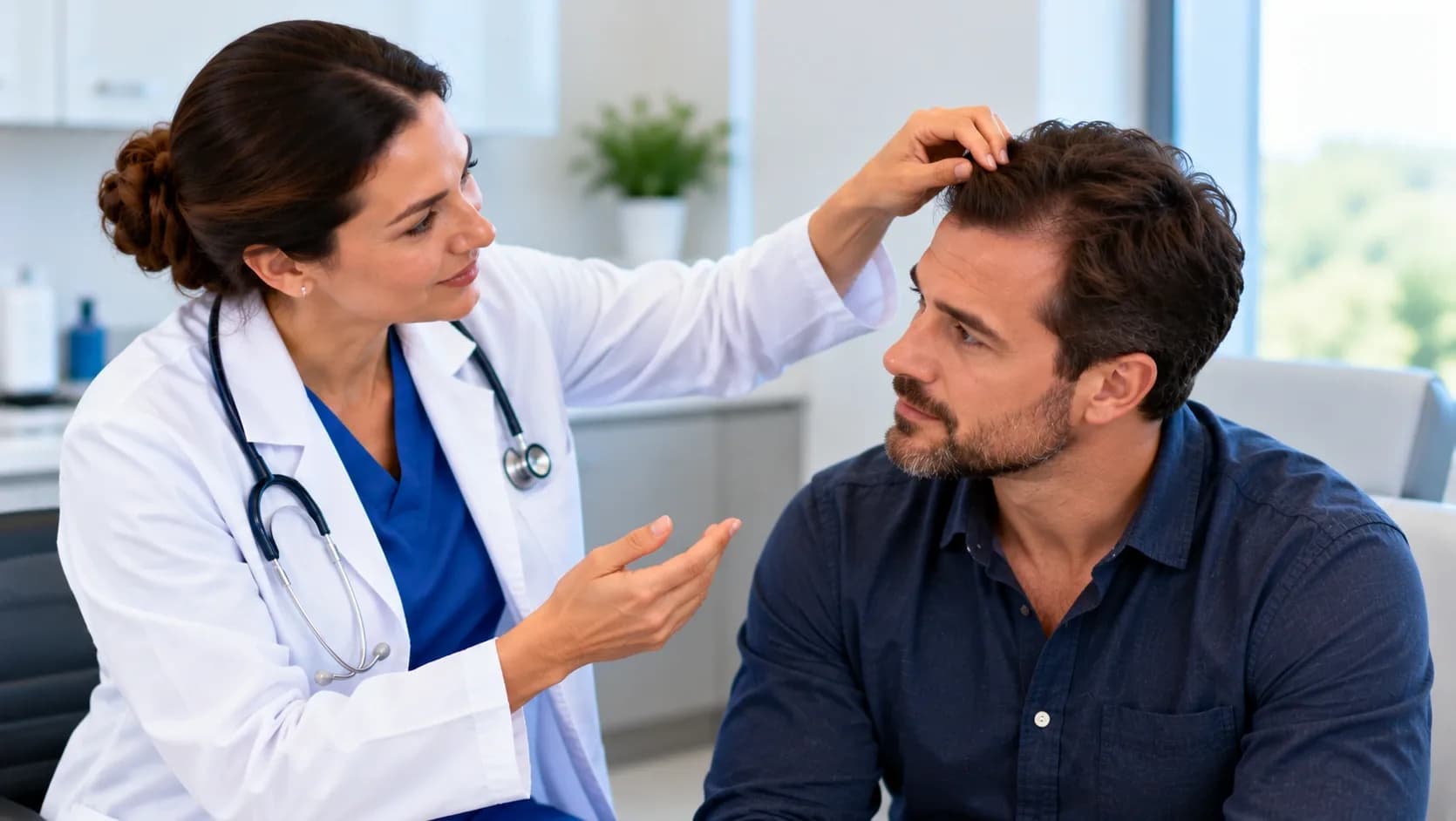
Platelet-rich plasma (PRP) therapy has become one of the most studied non-surgical options for hair thinning. The treatment uses your own blood, so the body tolerates it well. Most patients return to normal routines within one to three days. Visible hair growth, however, follows a much slower path. You may wait three to six months before you can fairly judge the outcome.
This article answers the central question directly: How long does it take to recover from PRP hair treatment? Scalp recovery takes days. Hair growth takes months. These two processes run on separate clocks, and confusing them causes most patient anxiety. Below, you will find a day-by-day recovery guide, a month-by-month growth calendar, activity restrictions, warning signs, and the factors that shape your personal timeline.
Phase | Timeframe | What Happens |
Injection-site recovery | 0–3 days | Redness, tenderness, mild swelling |
Return to full activity | 3–7 days | Exercise, swimming, normal hair care |
Early follicle response | 1–2 months | Possible reduction in shedding |
Visible density changes | 3–4 months | Thickness and coverage become assessable |
Treatment evaluation | 4–6 months | Clinical photos and assessment |
This table separates physical healing from biological response. Keep that distinction in mind as you read each section.
What Happens During Recovery After PRP Hair Treatment?
Recovery begins with a blood draw, continues with scalp injections, and triggers a healing response driven by platelet-derived growth factors. Most side effects fade within three days.
A clinician draws a small volume of your blood and spins it in a centrifuge. This process concentrates the platelets into plasma. The clinician then injects this plasma into targeted areas of your scalp. Platelets release growth factors such as platelet-derived growth factor, vascular endothelial growth factor, and insulin-like growth factor. These proteins signal dormant hair follicles to re-enter the growth phase (Gentile et al., 2015).
Your scalp responds to the injections the same way it responds to any minor wound. Blood flow increases to the area. Immune cells clean the injection sites. Mild redness and tenderness appear and then resolve. This local response explains the short recovery window. The follicle-level response, in contrast, requires months because hair grows in cycles.
What Is the PRP Recovery Timeline Day by Day?
Day one brings the most sensitivity. Days two and three bring settling. By day seven, most patients resume every normal activity, subject to their clinician's instructions.
First 24 hours. Expect the most noticeable symptoms now. Injection sites may look red and feel tender. Avoid touching, scratching, or massaging the scalp. Skip washing your hair. Sleep with your head slightly elevated if swelling bothers you.
24 to 48 hours. Tenderness and swelling typically begin to fade. Many clinicians permit a gentle wash with mild shampoo after the first 24 hours. Use lukewarm water. Pat the scalp dry instead of rubbing it.
Days 3 to 7. Most patients return to light exercise and normal hair care. You can usually resume styling products and dry shampoo toward the end of this window. Follow your own clinician's timing, because protocols differ.
After the first week. Transition fully to your usual routine. Keep monitoring scalp comfort. If your treatment plan includes combined procedures, your restrictions may last longer.
Which Side Effects Are Normal During PRP Recovery?
Redness, mild swelling, pinpoint marks, and temporary soreness are expected. Worsening pain, spreading redness, fever, or discharge are not.
Normal reactions include:
Normal Reaction | Typical Duration | Cause |
Scalp redness | 1–3 days | Injection trauma |
Tenderness at injection sites | 1–3 days | Needle entry and platelet release |
Mild swelling | 1–2 days | Local inflammatory response |
Pinpoint marks or minor bleeding | Hours | Superficial capillary puncture |
Watch for warning signs instead. Increasing pain after day two, redness that spreads beyond the treated area, fever, or any discharge suggests infection or another complication. Contact your clinician promptly if any of these appear (Alam et al., 2018).
When Can You Wash Your Hair After PRP Treatment?
Wait approximately 24 hours. Then wash gently with a mild shampoo and lukewarm water.
Clinics recommend this pause for a practical reason. The injection channels need time to close. Premature washing can irritate the sites and introduce bacteria. Once your clinician permits washing, use your fingertips rather than nails. Avoid vigorous rubbing for at least three days. Resume your regular shampoo, conditioner, and styling routine after the first week, or sooner if your clinician approves. Instructions vary with injection technique, so follow the guidance you receive, not a generic timeline.
When Can You Exercise After PRP Injections?
Postpone strenuous exercise for 24 to 72 hours. Avoid swimming pools, saunas, and hot tubs during the first week.
Strenuous workouts raise your heart rate and scalp blood flow. Sweat carries salt and bacteria into open injection channels. Both can increase irritation and swelling. Light walking is safe almost immediately. Reintroduce moderate exercise after 48 hours if your scalp feels comfortable. Add high-intensity training after 72 hours. Stay out of pools, hot tubs, saunas, and steam rooms for about a week, because heat and shared water raise infection risk (Cervelli et al., 2014).
Activity | Earliest Safe Return |
Walking | Same day |
Light cardio | 48 hours |
Heavy lifting, HIIT | 72 hours |
Swimming, sauna, hot tub | 7 days |
When Does Hair Growth Begin After PRP Treatment?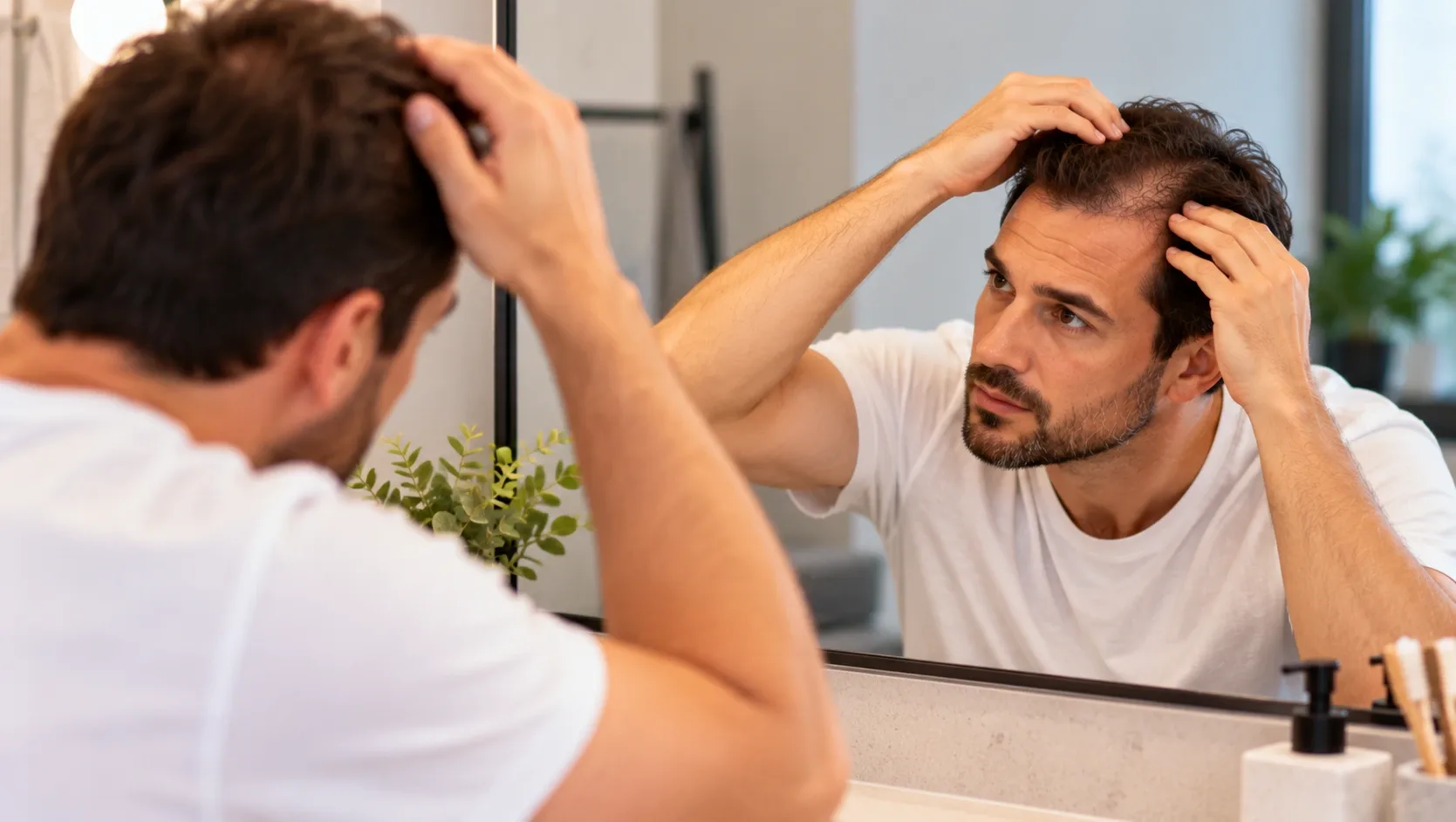
Visible growth usually appears between months three and six. Early shedding changes may show within the first two months.
Weeks 1 to 4. Do not judge results yet. Follicles need time to respond to growth-factor signaling. Any visible change now reflects healing, not growth.
Months 1 to 2. Some patients notice reduced shedding. Hair may feel slightly stronger. These early signs indicate follicle activation.
Months 3 to 4. Density and thickness changes become measurable. Standardized photographs taken at baseline and month four often reveal differences the patient cannot see in the mirror.
Months 4 to 6. This is the standard evaluation window. Clinicians compare photographs, measure density, and decide whether to continue the series. Results remain individual. Some patients respond earlier, some later, and some show minimal change (Khatri et al., 2014).
Can Hair Shedding Increase After PRP Therapy?
Yes, temporary shedding can increase after treatment. It usually reflects a normal hair-cycle shift, not failure.
Hair follicles cycle through growth, transition, and rest phases. PRP can push resting follicles into growth. Old hairs shed to make room for new ones. This shift may look alarming in the shower drain. It typically resolves within weeks. Persistent, severe, or worsening shedding beyond two months deserves a dermatological review. Document your shedding with weekly photos so your clinician can track the pattern (Li et al., 2018).
Which Factors Influence the PRP Recovery Timeline?
Baseline hair condition, individual healing, PRP preparation, the cause of hair loss, treatment consistency, and complementary therapies all shape your timeline.
Baseline hair condition. Patients with mild to moderate thinning respond better than those with long-standing baldness. Follicles must remain alive to respond.
Individual healing response. Scalp sensitivity varies. Some patients feel normal after 24 hours. Others need five days.
PRP preparation and administration. Platelet concentration, centrifuge protocol, and injection depth differ between clinics. These variables influence both recovery comfort and outcomes.
Underlying cause of hair loss. Androgenetic alopecia responds well to PRP. Scarring alopecias and autoimmune conditions require different strategies.
Treatment consistency. A single session rarely delivers a fair test. Complete the recommended series before judging results.
Complementary treatments. Your clinician may combine PRP with minoxidil or low-level laser therapy. Combination plans can alter both the timeline and the outcome.
How Can You Support Recovery With Proper PRP Aftercare?
Follow your clinic's instructions, protect the scalp from friction and heat, maintain healthy habits, and never adjust medications without medical guidance.
Cleanse the scalp as instructed. Avoid scratching and tight hairstyles. Limit sun exposure during the first week. Eat a balanced diet and stay hydrated; these habits support healing, though they do not guarantee better growth. Discuss every medication and supplement with your clinician. Do not stop prescribed blood thinners or anti-inflammatory drugs on your own. Attend every scheduled review so your clinician can assess healing and adjust the plan.
What Should You Do If PRP Recovery Is Taking Longer Than Expected?
Mild symptoms beyond a week warrant a call to your clinic. Worsening symptoms warrant an urgent visit.
Distinguish healing delay from complication. Slow visible growth is normal; follicles take months. Prolonged injection-site pain is not. Contact your clinician if pain intensifies, redness spreads, swelling increases, or fever appears. Your clinician can reassess the diagnosis, the protocol, and other causes of hair loss. Do not self-diagnose a failed treatment inside the first month.
How Does PRP Recovery Differ After a Hair Transplant?
Standalone PRP involves days of downtime. A hair transplant involves weeks. PRP after a transplant follows the surgeon's schedule, not the standard PRP timeline.
Standalone PRP injections create no wounds beyond needle punctures. A transplant creates hundreds of recipient sites and donor-strip or follicular-unit wounds. After a transplant, PRP may serve as an adjunct to support healing. Evidence does not guarantee improved graft survival. Your surgeon controls the timing of washing, exercise, and subsequent PRP sessions. Follow that surgeon, not generic advice (Gentile et al., 2015).
How Many PRP Sessions Are Needed to See Lasting Results?
Most clinicians recommend three initial sessions spaced about one month apart, followed by maintenance every six to twelve months.
A single session rarely produces a measurable outcome. The standard series allows cumulative growth-factor stimulation. After the initial series, your clinician evaluates photographic evidence before recommending maintenance. Some patients hold results with one session per year. Others need two. Benefits fade without maintenance in many cases, because androgenetic alopecia is a progressive condition (Alam et al., 2018).
What Questions Do Patients Commonly Ask About the PRP Recovery Timeline?
Below are the seven questions clinicians hear most, with direct answers for each.
How long does scalp tenderness last after PRP?
Most tenderness fades within three days. Some sensitivity may linger for a week.
Can I return to work immediately after PRP?
Yes, most patients work the same day. Desk jobs carry no restrictions.
Can I sleep normally after PRP injections?
Sleep on your back for the first two nights if possible. Avoid pressure on treated areas.
Can I use minoxidil after PRP treatment?
Resume only when your clinician approves, typically after 24 to 72 hours.
How long does it take to see PRP hair growth results?
Expect a fair assessment between months three and six.
Does PRP work after one session?
Some patients see early change. Most need the full series for a reliable answer.
When should I contact my doctor after PRP?
Call for worsening pain, spreading redness, fever, or discharge.
What Should You Remember About the PRP Recovery Timeline?
Scalp healing takes days. Hair growth takes months. Follow your aftercare plan, protect the injection sites during the first week, and judge results only after the four-to-six-month evaluation window.
Recovery and regrowth run on separate tracks. Respect both clocks. Keep your follow-up appointments. Document changes with photographs. A qualified hair-loss specialist can tailor the protocol to your pattern, your response, and your goals, because no single timeline fits every patient.
References
Alam, Murad, et al. "Effect of Platelet-Rich Plasma Injection for Rejuvenation of Photoaged Facial Skin." JAMA Dermatology, vol. 154, no. 12, 2018, pp. 1447–1452.
Cervelli, Valerio, et al. "The Effect of Autologous Activated Platelet Rich Plasma (AA-PRP) Injection on Pattern Hair Loss: Clinical and Histomorphometric Evaluation." BioMed Research International, vol. 2014, 2014.
Gentile, Pietro, et al. "Autologous Platelet-Rich Plasma, Widely Used in Regenerative Medicine, Can It Be a New Hope in Hair Loss Management?" Journal of Dermatological Treatment, vol. 26, no. 6, 2015, pp. 522–526.
Khatri, M., et al. "Platelet-Rich Plasma for Androgenetic Alopecia: A Review of the Literature." Journal of Cutaneous and Aesthetic Surgery, vol. 7, no. 4, 2014, pp. 246–250.
Li, ZhengJie, et al. "Platelet-Rich Plasma for the Treatment of Hair Loss." Dermatologic Surgery, vol. 44, no. 1, 2018, pp. 117–123.