
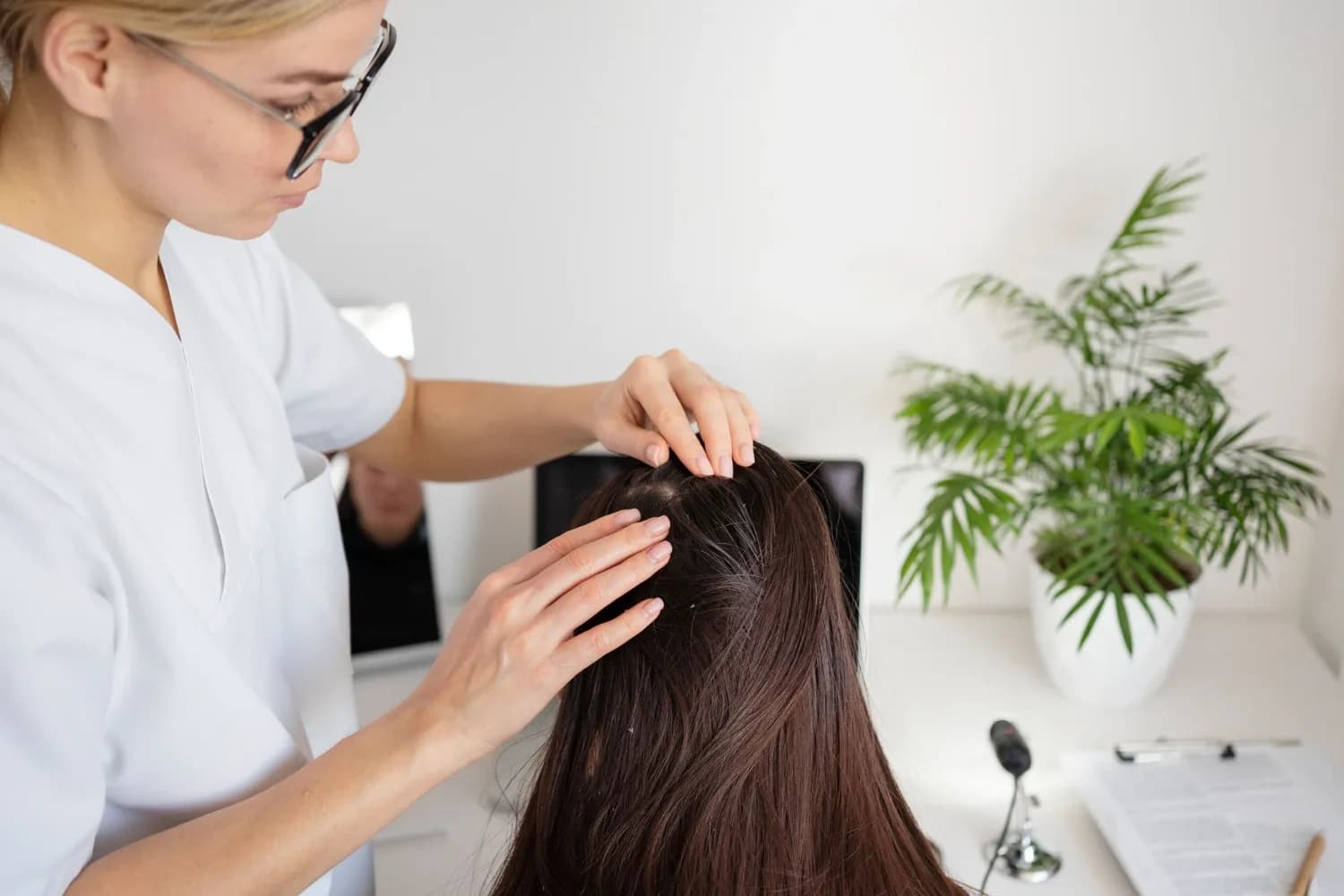
PRP for Hair Thinning: How Does Platelet-Rich Plasma Support Hair Growth?
Platelet-rich plasma supports hair growth by delivering concentrated growth factors from your own blood directly to hair follicles.
Platelet-rich plasma supports hair growth by delivering concentrated growth factors from your own blood directly to hair follicles. These growth factors may stimulate follicular cells, extend the active growth phase, and improve blood supply around miniaturized follicles.
Hair thinning affects millions of men and women worldwide. Many people seek solutions that avoid surgery or daily medications. Platelet-rich plasma has emerged as a promising regenerative approach. This article examines the science behind PRP for hair thinning. We explore how it works, who qualifies, what the procedure involves, and what evidence supports its use. We focus on scientific mechanisms, clinical data, and practical considerations. The goal is to provide clear, authoritative information that helps you understand this treatment option.
What Is PRP for Hair Thinning?
PRP for hair thinning is an autologous treatment that uses concentrated platelets from your own blood to potentially stimulate hair follicles and improve hair density.
PRP stands for platelet-rich plasma. It is a biological preparation that clinicians create from a small sample of your own blood. The treatment harnesses natural healing components that your body already produces. Researchers have studied PRP for various medical applications, including wound healing and tissue repair. In recent years, clinicians have applied PRP to hair-loss management with growing interest.
What Does Platelet-Rich Plasma Contain?
PRP contains concentrated platelets, plasma, and growth factors including PDGF, VEGF, EGF, TGF-β, IGF-1, and FGFs.
Platelets are small blood cells that normally help with clotting. They also store hundreds of proteins called growth factors in tiny sacs called alpha granules. These growth factors act as chemical messengers. They tell cells when to grow, divide, or repair tissue.
The main growth factors in PRP include:
Growth Factor | Primary Function | Relevance to Hair |
PDGF | Stimulates cell division | Activates dermal papilla cells |
VEGF | Promotes blood vessel formation | Improves follicular blood supply |
EGF | Stimulates epithelial cell growth | Supports follicular regeneration |
TGF-β | Regulates cell differentiation | Modulates follicular development |
IGF-1 | Promotes cell survival and growth | Extends anagen phase duration |
FGFs | Stimulates fibroblast activity | Supports follicular signaling |
These signaling molecules may influence follicular activity. They can potentially awaken dormant follicles and support the health of active ones. Researchers believe these growth factors create a favorable environment for hair regeneration (Gentile et al. 2015).
How Is PRP Prepared From the Patient's Blood?
Clinicians draw your blood, spin it in a centrifuge to separate components, and extract the platelet-rich plasma for scalp injection.
The preparation process follows several steps. First, a clinician draws a small volume of blood from your arm. This usually requires 10 to 60 milliliters, depending on the protocol. Next, the clinician places the blood sample in a centrifuge. This machine spins the blood at high speed. The spinning separates blood into layers: red blood cells sink to the bottom, platelet-poor plasma rises to the top, and platelet-rich plasma settles in the middle layer. The clinician then extracts the PRP layer. Some systems use a second spin to further concentrate the platelets. Finally, the clinician prepares the PRP for injection into the scalp.
PRP composition differs between patients. Your baseline platelet count, the centrifuge settings, and the preparation system all influence the final concentration. This variation matters because higher platelet concentrations may produce different biological effects (Alves and Grimalt 2018).
Is PRP for Hair Thinning an FDA-Approved Hair-Loss Treatment?
The FDA has cleared PRP preparation devices for general medical use, but PRP specifically for hair loss remains an off-label application.
The FDA has cleared certain PRP preparation systems for producing platelet-rich plasma from autologous blood. These clearances apply to the devices themselves, not to the specific treatment of hair loss. When clinicians use PRP for hair thinning, they apply it off-label. Off-label use means doctors employ an approved medical product for a purpose that the FDA has not specifically reviewed.
This distinction is important. Patients should understand that PRP for hair growth does not carry the same regulatory approval as drugs like minoxidil or finasteride. Informed counseling remains essential. Your doctor should explain the evidence, benefits, limitations, and uncertainties before you proceed (Gupta et al. 2019).
How Does PRP Work for Hair Thinning?
PRP delivers growth factors that may stimulate follicular cells, extend the growth phase, improve blood supply, and activate hair-growth signaling pathways.
The biological rationale for PRP rests on the known functions of platelet-derived growth factors. These molecules interact with hair follicles at multiple levels. They may influence cell behavior, tissue repair, and vascular support around follicles.
How Do PRP Growth Factors Affect Hair Follicles?
Growth factors in PRP bind to receptors on follicular cells and stimulate dermal papilla cells, which regulate hair growth.
Hair follicles contain specialized cells called dermal papilla cells. These cells sit at the base of the follicle and control hair growth. They send signals that determine whether a follicle stays in the active growth phase or enters resting. Growth factors from PRP may bind to receptors on these cells. This binding can trigger cellular responses that promote proliferation and survival. Some research suggests PRP may also interact with follicular stem cells, which maintain the regenerative capacity of the follicle (Takikawa et al. 2011).
Can PRP Prolong the Anagen Phase of the Hair Cycle?
Evidence suggests PRP may extend the anagen phase, which is the active growth period of the hair cycle.
Your hair follows a continuous cycle with three main phases:
Phase | Duration | What Happens |
Anagen | 2 to 7 years | Active hair growth; cells divide rapidly |
Catagen | 2 to 3 weeks | Transitional phase; growth stops |
Telogen | 3 to 4 months | Resting phase; hair sheds and follicle resets |
PRP may support the anagen phase by providing growth signals that keep follicles actively producing hair. Some studies show increased anagen hairs and reduced telogen hairs after PRP treatment. This shift suggests that PRP may help follicles remain in the productive growth phase longer (Khatu et al. 2014).
Can PRP Improve Blood Supply Around Hair Follicles?
VEGF in PRP may stimulate angiogenesis, which creates new blood vessels and improves nutrient delivery to follicles.
Hair follicles need a rich blood supply. They require oxygen, nutrients, and waste removal to function properly. VEGF, one of the key growth factors in PRP, promotes angiogenesis. Angiogenesis is the formation of new blood vessels. Improved vascularization around follicles may enhance their biological activity. Better blood flow means more resources reach the follicle. This improved support may contribute to stronger, healthier hair growth (Li et al. 2018).
Does PRP Influence Wnt/β-Catenin and Other Hair-Growth Pathways?
Research indicates PRP may activate Wnt/β-catenin and related signaling pathways that control follicular cell proliferation.
Scientists have identified several molecular pathways that control hair growth. The Wnt/β-catenin pathway plays a central role in follicular development and regeneration. PRP growth factors may influence this pathway. They may also affect FGF-7, ERK, and Akt signaling. These pathways regulate how cells divide, differentiate, and survive. By activating these signals, PRP may create conditions that favor follicular health and activity (Cervelli et al. 2014).
Which Types of Hair Thinning May Respond to PRP?
PRP shows the most promise for androgenetic alopecia in both men and women, but it may not help conditions where follicles are permanently destroyed.
Not all hair loss responds to the same treatments. PRP appears most effective for certain types of thinning. Understanding your specific diagnosis matters before starting any treatment.
Is PRP Effective for Androgenetic Alopecia?
Clinical studies suggest PRP can improve hair density and thickness in androgenetic alopecia, though it does not cure the underlying hormonal cause.
Androgenetic alopecia, or pattern hair loss, affects both men and women. In this condition, hormones called androgens gradually shrink hair follicles. This process is follicular miniaturization. The follicles produce thinner, shorter hairs over time. Eventually, they may stop producing visible hair altogether.
PRP does not eliminate the hormonal or genetic cause of androgenetic alopecia. However, it may support the remaining follicles. Studies show that PRP can increase hair count and density in patients with this condition. The treatment may help miniaturized follicles produce thicker, stronger hairs (Puig et al. 2016).
Can Women With Female Pattern Hair Loss Benefit From PRP?
Women with female pattern hair loss may experience improved density and thickness with PRP, based on available clinical evidence.
Female pattern hair loss presents as diffuse thinning, often widening at the part line. Women may notice reduced ponytail volume or more visible scalp. Clinical studies specifically examining women show positive results. PRP treatment may increase hair density in the crown and frontal areas. Women may also notice improved hair caliber, which creates the appearance of fuller hair. The cosmetic improvements can significantly impact confidence and satisfaction (Gkini et al. 2014).
Can PRP Help With Other Forms of Hair Loss?
PRP may not help alopecia areata, scarring alopecia, or stress-related shedding as effectively as pattern hair loss, and diagnosis must come first.
Different hair-loss conditions require different approaches:
Condition | Characteristics | PRP Suitability |
Androgenetic alopecia | Pattern thinning, miniaturized follicles | Most studied; shows promise |
Alopecia areata | Autoimmune patchy loss | Limited evidence; may help some cases |
Stress-related shedding | Diffuse temporary loss | Usually resolves without PRP |
Scarring alopecia | Permanent follicle destruction | Generally not suitable |
PRP may not help when follicles are permanently destroyed. Scarring alopecia damages the follicle structure beyond repair. In these cases, PRP cannot regenerate lost follicles. A proper diagnosis must always precede treatment. Your doctor should rule out inflammatory, nutritional, or systemic causes before recommending PRP (Trink et al. 2013).
Who Is a Good Candidate for PRP for Hair Thinning?
Good candidates have early to moderate thinning with viable miniaturized follicles; advanced baldness with permanent follicle loss responds poorly.
Patient selection significantly influences PRP outcomes. Not everyone with hair loss qualifies for this treatment. Understanding candidacy helps set realistic expectations.
Is PRP Better for Thinning Hair Than Advanced Baldness?
Yes, PRP works better for thinning hair because it requires viable follicles to stimulate; it cannot create new follicles on bald scalp.
PRP supports existing follicles. It cannot reliably regenerate follicles that have permanently stopped functioning. Early or moderate thinning represents the ideal treatment window. At this stage, follicles are miniaturized but still alive. PRP may help these weakened follicles recover some function. Advanced baldness, where the scalp is smooth and shiny, usually indicates permanent follicle loss. PRP cannot reverse this stage effectively (Gentile et al. 2015).
What Should Be Evaluated Before PRP Treatment?
Your doctor should review your medical history, examine your scalp, possibly use trichoscopy, and rule out other causes before starting PRP.
A thorough evaluation includes several components:
Medical and hair-loss history: When did thinning start? How fast has it progressed? What treatments have you tried?
Scalp examination: Your doctor inspects the scalp for inflammation, scaling, or scarring.
Trichoscopy or dermoscopy: These tools magnify the scalp and reveal follicle health, miniaturization patterns, and hair shaft characteristics.
Laboratory tests: Blood tests may identify thyroid problems, iron deficiency, hormonal imbalances, or other systemic causes.
Baseline documentation: Photographs and measurements establish a starting point for comparison.
This evaluation ensures PRP is appropriate for your specific situation. It also helps your doctor track progress objectively (Alves and Grimalt 2018).
Who May Not Be an Ideal Candidate for PRP?
People with advanced baldness, active scalp disorders, bleeding disorders, or undiagnosed hair loss may not qualify for PRP.
Certain conditions make PRP unsuitable:
Advanced baldness with extensive follicular loss
Active scalp infections or severe dermatitis
Bleeding disorders or platelet dysfunction
Blood-thinning medications that cannot be paused
Unidentified underlying causes of hair loss
Individual suitability requires professional medical assessment. Your doctor will weigh your specific health status, hair-loss pattern, and treatment goals before recommending PRP (Gupta et al. 2019).
What Happens During a PRP Treatment for Hair Thinning?
The procedure involves drawing your blood, processing it in a centrifuge, and injecting the PRP into thinning areas of your scalp.
PRP treatment is an office-based procedure. It typically requires no general anesthesia and involves minimal disruption to your day.
How Is Blood Collected for PRP?
A clinician draws a small volume of blood from your arm using a standard needle, similar to a routine blood test.
The blood draw takes only a few minutes. The clinician uses a sterile technique to collect blood into specialized tubes. These tubes often contain anticoagulants that prevent the blood from clotting during processing. The entire procedure uses your own blood, which eliminates the risk of allergic reactions or disease transmission from donor materials.
How Is the Blood Processed?
The clinician spins your blood in a centrifuge to separate red blood cells from platelet-rich plasma.
The centrifugation process separates blood into distinct layers based on density. Red blood cells, being the heaviest, settle at the bottom. The platelet-rich plasma layer collects above them. Some protocols use a single spin, while others use a double-spin technique for higher concentration. The preparation method directly affects platelet concentration and may influence treatment outcomes. Different systems produce different results, which partly explains why studies report varying degrees of success (Khatu et al. 2014).
How Is PRP Injected Into the Scalp?
The clinician injects small amounts of PRP superficially into the scalp across areas of thinning, including the hairline, part, and crown.
The injection process involves multiple tiny injections distributed across the treatment area. The clinician targets areas where thinning is most apparent. Common sites include the frontal hairline, mid-scalp part, and crown or vertex. Some protocols also use microneedling before injection to enhance absorption. The technique aims to place PRP near the follicles without causing unnecessary trauma. Most patients tolerate the procedure well, though some experience mild discomfort.
How Long Does a PRP Hair Treatment Take?
A typical session takes 45 to 90 minutes, including blood draw, processing, injection, and brief observation.
The total time varies depending on the specific protocol. Blood collection requires about 5 to 10 minutes. Centrifugation takes 10 to 20 minutes. Injection takes 15 to 30 minutes. After the procedure, you may rest briefly while the clinic monitors you for any immediate reactions. You can usually resume normal activities the same day.
How Many PRP Sessions Are Needed for Hair Thinning?
Most protocols involve monthly sessions for 3 to 4 months initially, followed by maintenance treatments every 3 to 6 months.
Treatment frequency varies significantly between clinics and studies. No universal standard exists. Your doctor will design a schedule based on your response and the specific protocol they follow.
How Often Are PRP Treatments Usually Performed?
Initial treatments commonly occur monthly for 3 to 4 sessions, though schedules vary by clinic and individual response.
Clinical studies have tested various frequencies. The most common pattern involves an initial series of treatments spaced 2 to 4 weeks apart. This intensive phase aims to build up growth factor levels around the follicles. After the initial series, many patients move to a maintenance phase. The exact timing depends on how you respond and whether your doctor observes measurable improvement (Takikawa et al. 2011).
Does PRP Require Maintenance Treatments?
Yes, most patients need maintenance treatments because hair loss is a chronic condition and PRP effects may gradually diminish.
Hair loss is not a one-time event. Pattern hair loss continues over time. The growth factors from PRP do not permanently alter the underlying genetic and hormonal drivers of hair loss. Over time, the effects may gradually decrease. Maintenance sessions help sustain the benefits. Some patients require touch-ups every 3 to 6 months. Others may space treatments further apart if they maintain good results. Your doctor will adjust the schedule based on your individual progress (Li et al. 2018).
Why Do PRP Treatment Protocols Differ?
Protocols differ because of variations in platelet concentration, preparation methods, activation techniques, injection volume, and patient characteristics.
Multiple factors create protocol heterogeneity:
Factor | Variation Range | Impact |
Platelet concentration | 2x to 8x baseline | Higher concentration may increase effect |
Spin technique | Single vs. double | Affects purity and concentration |
Activation | Activated vs. non-activated | Changes growth factor release timing |
Injection volume | 2 to 10 mL per session | Affects coverage and dosing |
Injection depth | 1 to 5 mm | Influences follicular targeting |
Treatment interval | 2 to 6 weeks | Affects cumulative effect |
This variation is one of the major limitations in the current evidence base. It makes direct comparison between studies difficult and complicates efforts to establish optimal treatment parameters (Cervelli et al. 2014).
How Effective Is PRP for Hair Thinning?
Clinical evidence suggests PRP can increase hair density and thickness, particularly in androgenetic alopecia, though results vary between individuals.
The scientific literature contains promising findings, but also acknowledges significant limitations. Understanding both the positive evidence and its constraints helps set realistic expectations.
Can PRP Increase Hair Density?
Randomized studies show PRP can increase hair count per square centimeter compared to control treatments.
Researchers measure hair density by counting hairs in a defined scalp area, typically per square centimeter. Randomized controlled trials report measurable increases in hair density after PRP treatment. One randomized placebo-controlled study found significant improvements in hair number after three monthly treatments. The treated areas showed more hairs per square centimeter than placebo areas. However, individual results vary widely. Some patients experience dramatic improvement, while others see modest or minimal changes (Gentile et al. 2015).
Can PRP Make Thinning Hair Thicker?
PRP may improve hair shaft thickness, which creates the appearance of fuller hair, separate from increasing the number of hairs.
Hair density and hair thickness are two different measures. Density refers to how many hairs grow in an area. Thickness, or caliber, refers to the diameter of each individual hair. PRP may affect both. Miniaturized hairs are thin, weak hairs produced by shrinking follicles. PRP may help these follicles produce thicker, stronger hairs. Studies using trichoscopy have documented increased hair shaft diameter after treatment. This improvement in caliber contributes significantly to the cosmetic appearance of fullness (Puig et al. 2016).
How Strong Is the Scientific Evidence for PRP?
Meta-analyses support PRP's effectiveness for increasing hair density, but they also note substantial heterogeneity between studies and call for more standardized research.
A recent meta-analysis examined multiple randomized controlled trials. It found that PRP produced significantly greater hair density than control treatments. However, the analysis also identified substantial heterogeneity between studies. This means the studies differed in methods, populations, and results. Positive findings should be interpreted alongside limitations such as small sample sizes, short follow-up periods, and inconsistent protocols. The evidence is promising but not yet definitive (Gupta et al. 2019).
What Did Randomized Clinical Trials Show?
Randomized trials using placebo controls and split-scalp designs show improvements in hair density, count, shaft characteristics, and patient satisfaction.
Clinical trials employ rigorous designs to test PRP effectiveness:
Study Design | Description | Findings |
Placebo-controlled | PRP vs. saline or inactive solution | PRP groups show greater improvement |
Split-scalp | PRP on one side, control on other | Treated sides show better results |
Objective endpoints | Hair count, density, dermoscopy | Measurable improvements documented |
Patient satisfaction | Self-reported outcomes | Most patients report positive experience |
The 2015 randomized placebo-controlled study by Gentile and colleagues serves as a key example. It demonstrated significant increases in hair count and density after three monthly PRP sessions. These findings support the biological rationale for PRP in hair-loss management (Gentile et al. 2015).
When Can You Expect Results From PRP for Hair Thinning?
Visible results typically appear after 3 to 6 months, though biological changes begin earlier; evaluation should occur over months, not days.
Hair growth follows a biological timeline. You cannot rush this process. Understanding the timeline helps you maintain realistic expectations and avoid premature disappointment.
When Do Early Changes in Hair Growth Appear?
Biological changes begin within weeks, but visible cosmetic improvement requires months because hair grows slowly.
Your follicles begin responding to growth factors soon after treatment. Cellular activity increases. Blood supply improves. However, these microscopic changes do not immediately produce visible new hair. Hair grows approximately 1 centimeter per month. A new hair must complete part of its growth cycle before it becomes noticeable. Most patients need patience. The biological groundwork happens first. The cosmetic results follow later.
When Is PRP Hair Growth Usually Evaluated?
Doctors typically evaluate results after 3 to 6 months using standardized photographs and trichoscopic measurements.
Clinical assessment should occur over months rather than days. Your doctor will likely schedule evaluations at specific intervals:
3 months: Early assessment for initial changes
6 months: Primary evaluation point for measurable improvement
12 months: Long-term assessment of sustained benefits
Standardized photographs ensure consistent comparison. Trichoscopy provides objective measurements of hair density and caliber. These tools remove subjective bias and document real change. Do not judge results based on daily mirror checks. Objective measurement provides the true picture (Alves and Grimalt 2018).
How Long Can PRP Results Last?
Results may last 6 to 12 months or longer with maintenance, but pattern hair loss is chronic and may recur without ongoing treatment.
Longer follow-up studies show that benefits can persist for months after the initial treatment series. However, pattern hair loss is a progressive condition. Without maintenance, thinning may gradually resume. Some studies document recurrent thinning after treatment discontinuation. This pattern confirms that PRP manages but does not cure hair loss. Maintenance treatments help sustain the improvements over time. Your doctor will monitor your progress and recommend an appropriate long-term plan (Khatu et al. 2014).
What Are the Benefits of PRP for Hair Thinning?
PRP may improve hair density, thickness, and reduce shedding, while offering the advantages of being autologous and minimally invasive.
PRP offers several appealing characteristics as a hair-loss treatment. These benefits attract patients who want to avoid surgery or daily medications.
Can PRP Improve Hair Density?
Studies suggest PRP can increase the number of hairs per square centimeter in treated areas.
Increased density means more hairs covering the scalp. This improvement reduces the visibility of thinning areas. Clinical measurements confirm this benefit in many patients.
Can PRP Improve Hair Thickness?
PRP may increase individual hair shaft diameter, creating fuller-looking hair.
Thicker hairs reflect light better and create more visual volume. Even without increasing hair count, improved thickness enhances cosmetic appearance.
Can PRP Reduce Hair Shedding?
Some patients report reduced daily hair shedding after PRP treatment, possibly due to prolonged anagen phase.
Less shedding means more hairs remain on your head. This reduction can stabilize the appearance of thinning and prevent further visible loss.
Is PRP an Autologous Treatment?
Yes, PRP uses your own blood, which eliminates allergy risks and avoids foreign substances.
Because PRP comes from your own body, it carries no risk of allergic reaction or rejection. This safety profile appeals to patients concerned about synthetic chemicals or donor tissues.
Does PRP Require Significant Downtime?
No, PRP involves minimal downtime; most patients return to normal activities the same day.
The office-based procedure requires no general anesthesia. You can typically resume work and social activities immediately. This convenience makes PRP accessible for busy lifestyles.
What Are the Side Effects and Risks of PRP for Hair Thinning?
PRP has a favorable safety profile with mostly temporary, mild side effects; serious complications are rare but possible with any injection procedure.
Understanding risks helps you make an informed decision. PRP generally causes fewer side effects than many pharmaceutical or surgical alternatives.
Is PRP Safe for the Scalp?
Published studies report a generally favorable safety profile for PRP scalp injections.
Clinical literature consistently describes PRP as well-tolerated. The autologous nature reduces infection and rejection risks. Most patients complete treatment without significant problems.
What Temporary Side Effects Can Occur?
Common temporary side effects include injection-site discomfort, tenderness, redness, swelling, itching, and mild headache.
These effects typically resolve within hours to days:
Side Effect | Typical Duration | Severity |
Injection-site discomfort | 1 to 3 days | Mild to moderate |
Tenderness | 2 to 5 days | Mild |
Redness | Hours to 2 days | Mild |
Swelling | 1 to 3 days | Mild |
Itching | 1 to 2 days | Mild |
Headache | Hours to 1 day | Mild |
Severity and duration vary between patients. Most people manage these symptoms with over-the-counter pain relievers and ice packs. Your doctor may provide specific aftercare instructions.
Can PRP Cause Serious Complications?
Serious complications are rare, but infection, bleeding, or nerve injury remain possible with any injection-based procedure.
Published studies report a relatively low incidence of serious adverse events. However, any injection carries inherent risks. Infection can occur if bacteria enter the injection site. Bleeding may happen, especially if you take blood thinners. Nerve injury, though extremely rare, is theoretically possible. Choosing a qualified, experienced provider minimizes these risks. Sterile technique and proper anatomical knowledge are essential (Trink et al. 2013).
When Should a Patient Contact a Doctor After PRP?
Contact your doctor if you experience persistent or worsening pain, significant swelling, signs of infection, unusual bleeding, or unexpected symptoms.
Seek medical attention for:
Pain that worsens after 48 hours
Swelling that spreads or increases
Fever, warmth, or pus at injection sites
Excessive bleeding or bruising
Numbness or tingling
Any symptom that concerns you
Prompt communication with your provider ensures timely intervention if complications arise.
How Does PRP Compare With Other Treatments for Hair Thinning?
PRP may serve as an adjunct to established treatments like minoxidil and finasteride, rather than replacing them; it differs fundamentally from hair transplantation.
Understanding how PRP fits into the broader treatment landscape helps you choose the right approach. PRP is not necessarily superior to other options. It may complement them.
PRP vs. Minoxidil: Which Is More Appropriate?
Minoxidil has stronger long-term evidence and FDA approval; PRP may offer a different mechanism and fewer daily compliance issues.
Feature | PRP | Minoxidil |
Mechanism | Growth factor stimulation | Vasodilation and follicular activation |
Evidence | Moderate, growing | Extensive, long-established |
Treatment frequency | Monthly initially, then maintenance | Daily application |
Side effects | Mild injection effects | Scalp irritation, unwanted hair growth |
FDA status | Off-label for hair | Approved for hair loss |
Cost | Higher per session | Lower ongoing cost |
PRP may serve as an adjunct rather than automatically replacing minoxidil. Some patients use both. Minoxidil offers proven long-term benefits. PRP may provide additional stimulation through different biological pathways. Your doctor can help determine the best combination for your situation (Gkini et al. 2014).
PRP vs. Finasteride for Pattern Hair Loss
Finasteride directly suppresses androgen-driven mechanisms; PRP works through growth factors. They target different aspects of hair loss.
Finasteride is an oral medication that blocks the conversion of testosterone to dihydrotestosterone. DHT is the hormone that drives follicular miniaturization in androgenetic alopecia. Finasteride directly addresses this hormonal cause. PRP does not suppress androgens. It works through local growth factor stimulation. These different biological targets mean the treatments can potentially complement each other. Finasteride addresses the root hormonal cause. PRP supports follicular health through regenerative signals. Do not view PRP as a direct substitute for prescription therapy without medical guidance (Puig et al. 2016).
Can PRP Be Combined With Conventional Hair-Loss Treatments?
Yes, PRP can complement minoxidil, finasteride, and other treatments, but combination therapy requires medical supervision.
Combination treatment should depend on your diagnosis, medical history, and contraindications. Your doctor will assess whether multiple treatments are appropriate. Some patients benefit from combining PRP with topical or oral medications. The synergistic effects may produce better results than any single treatment alone. However, adding treatments also adds complexity, cost, and potential side effects. Professional assessment ensures safe, effective combination therapy.
PRP vs. Hair Transplantation: What Is the Difference?
PRP supports existing follicles; hair transplantation redistributes permanent donor follicles to bald areas.
Feature | PRP | Hair Transplantation |
Goal | Stimulate existing follicles | Relocate viable follicles |
Best for | Thinning with viable follicles | Advanced baldness |
Invasiveness | Minimally invasive | Surgical procedure |
Recovery | Minimal | Several days to weeks |
Results | Gradual over months | Immediate graft placement |
Permanence | Requires maintenance | Permanent in donor areas |
PRP does not function as a replacement for transplantation in advanced permanent hair loss. Transplantation remains the only option for restoring hair in areas with no viable follicles. PRP may, however, support transplanted grafts and improve their survival rate. Some surgeons use PRP during or after transplantation to enhance outcomes.
What Factors Can Affect the Success of PRP for Hair Thinning?
Success depends on platelet concentration, preparation method, stage of hair loss, and individual biological factors.
Multiple variables influence how well PRP works for you. Understanding these factors helps explain why results vary between patients.
Does Platelet Concentration Affect PRP Results?
Yes, higher platelet concentrations may produce stronger biological effects, though optimal concentration remains undefined.
Your baseline platelet count varies naturally. Some people have higher platelet levels than others. The preparation system also affects final concentration. Research suggests that very low platelet concentrations may produce minimal effects. However, extremely high concentrations do not necessarily guarantee better results. The optimal concentration for hair treatment remains under investigation. Your doctor may adjust the preparation to maximize your specific platelet yield.
Does the PRP Preparation Method Matter?
Yes, single-spin versus double-spin systems, activated versus non-activated PRP, and leukocyte content all influence results.
Preparation variations create significant differences:
Preparation Variable | Options | Potential Effect |
Spin technique | Single-spin vs. double-spin | Affects platelet concentration and purity |
Activation | Activated vs. non-activated | Changes growth factor release kinetics |
Leukocyte content | Leukocyte-rich vs. leukocyte-poor | May influence inflammatory response |
These protocol differences complicate comparisons between studies. One clinic's PRP may differ substantially from another's. This heterogeneity is one of the major limitations of the current evidence base. Standardization would help establish optimal parameters (Gupta et al. 2019).
Does the Stage of Hair Loss Affect Treatment Response?
Yes, early-stage thinning with viable follicles responds better than advanced miniaturization or permanent follicle loss.
The treatment window matters significantly. Early intervention catches follicles before they become too damaged. Moderate thinning offers the best balance: enough viable follicles to stimulate, but not so advanced that permanent loss has occurred. Late-stage baldness with smooth, shiny scalp indicates irreversible follicle destruction. PRP cannot reverse this stage.
Can Individual Biology Influence the Response?
Yes, genetics, inflammatory signaling, platelet characteristics, and disease severity all contribute to individual variation.
Every patient is unique. Your genetic makeup influences how your follicles respond to growth factors. Your platelets may contain different levels of growth factors. Your inflammatory status may affect the scalp environment. Disease severity and duration also play roles. Reliable predictors of response remain incompletely established. Research continues to identify which patient characteristics best predict success. Until then, treatment involves some uncertainty, and doctors cannot guarantee specific outcomes for any individual.
What Are the Limitations of PRP for Hair Thinning?
PRP has limitations including protocol heterogeneity, variable individual response, incomplete evidence, and the need for ongoing maintenance.
Honest discussion of limitations is essential for informed decision-making. PRP is not a miracle cure. It has real constraints that patients must understand.
Why Are PRP Studies Difficult to Compare?
Studies use different preparation protocols, platelet concentrations, injection techniques, treatment schedules, outcome measures, and follow-up periods.
The research landscape is fragmented:
Limitation | Impact |
No standardized preparation | Different PRP compositions across studies |
Different platelet concentrations | Variable biological potency |
Different injection techniques | Inconsistent delivery methods |
Different treatment schedules | Hard to compare efficacy |
Different outcome measures | Results measured differently |
Short follow-up periods | Long-term durability unknown |
This lack of standardization makes it difficult to pool data or draw definitive conclusions. Future research must address these methodological gaps.
Does PRP Work Equally Well for Everyone?
No, treatment response varies significantly between individuals, and statistical improvement in studies does not guarantee personal results.
Clinical trials report average improvements across groups. Some individuals in those studies improved dramatically. Others improved modestly. Some did not improve at all. You cannot assume you will experience the average result. Your individual outcome depends on your specific biology, hair-loss stage, and treatment protocol. Avoid absolute claims regarding efficacy. Distinguish statistical trends from guaranteed personal outcomes.
Is More Research Needed?
Yes, researchers need larger, well-controlled trials with standardized protocols and longer follow-up periods.
The current evidence base, while promising, has gaps. Future research should:
Include larger patient populations
Use standardized PRP preparation and administration
Employ consistent outcome measures
Extend follow-up to 12 months or longer
Compare PRP directly with established treatments
Identify predictors of treatment response
This research will help clarify PRP's true role in hair-loss management and establish optimal treatment parameters.
How Should Patients Prepare for PRP for Hair Thinning?
Tell your doctor about all medications, supplements, bleeding disorders, scalp conditions, and previous treatments; ensure your hair loss is properly diagnosed first.
Proper preparation improves safety and outcomes. Do not hide relevant health information from your provider.
What Should You Tell Your Doctor Before PRP?
Disclose all current medications, supplements, bleeding or platelet disorders, scalp conditions, previous hair-loss treatments, and relevant medical history.
Your doctor needs complete information to assess suitability and minimize risks. Specifically mention:
Blood thinners or antiplatelet medications
Supplements that affect bleeding, such as fish oil or vitamin E
Any history of bleeding disorders
Active scalp conditions like psoriasis or seborrheic dermatitis
Previous hair-loss treatments and their results
Any medical conditions that might affect healing
This information helps your doctor tailor the treatment and avoid complications.
Should Hair-Loss Causes Be Diagnosed Before PRP?
Yes, diagnosis must come before treatment because different causes require different approaches.
PRP is not appropriate for all types of hair loss. Your doctor must identify the underlying cause before recommending treatment. Androgenetic alopecia, alopecia areata, telogen effluvium, and scarring alopecia all require different management. A scalp examination, and sometimes blood tests or biopsy, establishes the correct diagnosis. Treating the wrong condition wastes time and money. It may also delay appropriate care for the real underlying problem.
What Should You Expect After PRP Treatment?
Expect minimal downtime with temporary scalp sensitivity; follow your clinician's specific aftercare instructions; monitor results with photographs and trichoscopy.
Knowing what to expect after treatment helps you manage the recovery and track progress effectively.
Is There Downtime After PRP?
Downtime is minimal; most patients experience only temporary scalp sensitivity and redness that resolves quickly.
You can typically return to work and social activities immediately. Some patients prefer to schedule treatment at the end of the day to avoid any cosmetic concerns from mild redness. The scalp may feel tender for a day or two. This tenderness is normal and indicates the treatment reached the target area.
What Should Be Avoided Immediately After Treatment?
Follow your clinician's individualized instructions regarding activity, hair products, and washing rather than applying universal rules.
Aftercare varies by protocol. Your doctor may recommend:
Avoiding strenuous exercise for 24 hours
Avoiding harsh hair products for a short period
Waiting before washing your hair
Avoiding direct sun exposure or excessive heat
Follow the specific protocol your doctor provides. Do not apply generic aftercare advice from the internet if it conflicts with your clinician's instructions.
How Should PRP Results Be Monitored?
Monitor results using standardized clinical photographs, trichoscopy, hair density measurements, hair shaft caliber assessment, and patient-reported improvement.
Objective monitoring is essential:
Monitoring Method | Purpose | Frequency |
Standardized photographs | Visual comparison over time | Baseline, 3, 6, 12 months |
Trichoscopy | Objective density and caliber measurement | Baseline, 6, 12 months |
Hair density measurements | Quantitative count per area | At clinical evaluations |
Hair shaft caliber | Diameter of individual hairs | At clinical evaluations |
Patient-reported improvement | Subjective experience and satisfaction | Ongoing |
Monitoring continued hair shedding is also important. Some increased shedding early in treatment can be normal as the hair cycle adjusts. Persistent or increased shedding beyond the initial period should be discussed with your doctor.
Frequently Asked Questions About PRP for Hair Thinning
Does PRP Really Work for Thinning Hair?
Clinical evidence suggests PRP can improve hair density and thickness in many patients, particularly those with androgenetic alopecia, but results vary.
How Many PRP Sessions Are Needed for Hair Thinning?
Most protocols start with 3 to 4 monthly sessions, followed by maintenance treatments every 3 to 6 months.
How Soon Does PRP Show Results?
Visible results typically appear after 3 to 6 months, though biological changes begin earlier.
Can PRP Regrow Hair on a Completely Bald Scalp?
No, PRP cannot reliably regrow hair on completely bald scalp where follicles are permanently lost.
Is PRP Better Than Minoxidil?
PRP and minoxidil work differently; minoxidil has stronger long-term evidence, while PRP may offer complementary benefits through growth factor stimulation.
Can PRP Stop Hair Shedding?
PRP may reduce shedding in some patients by prolonging the anagen phase, but it does not stop the underlying progressive nature of pattern hair loss.
Is PRP Safe for Women With Thinning Hair?
Yes, studies show PRP is safe for women and may effectively improve female pattern hair loss.
Does PRP Work for Male Pattern Hair Loss?
Yes, clinical trials demonstrate that PRP can improve hair density and thickness in men with androgenetic alopecia.
How Long Do PRP Hair Results Last?
Results may last 6 to 12 months or longer with maintenance treatments; discontinuation may lead to gradual recurrence of thinning.
Can PRP Be Combined With Minoxidil or Other Hair-Loss Treatments?
Yes, PRP can be combined with minoxidil, finasteride, and other treatments under medical supervision.
Conclusion: Is PRP a Useful Treatment for Hair Thinning?
PRP is a promising autologous, minimally invasive treatment that may improve hair density and thickness, particularly in androgenetic alopecia, but it is not a guaranteed cure and works best as part of an individualized treatment plan.
PRP for hair thinning represents an exciting development in regenerative medicine. It uses your body's natural healing mechanisms to potentially support follicular health. The biological rationale is sound: concentrated growth factors may stimulate follicular cells, extend the active growth phase, improve blood supply, and activate hair-growth signaling pathways.
Current clinical evidence supports potential improvements in hair density and thickness, particularly in androgenetic alopecia. Randomized controlled trials and meta-analyses document measurable benefits. However, the evidence also reveals significant limitations. Protocol heterogeneity, small study sizes, and variable individual responses prevent definitive conclusions.
PRP cannot cure hair loss. It does not eliminate the genetic and hormonal drivers of androgenetic alopecia. It cannot regenerate permanently lost follicles. It requires maintenance treatments to sustain benefits. These limitations are real and important.
Despite these constraints, PRP offers valuable advantages. It is autologous, minimally invasive, and generally well-tolerated. It may complement established treatments like minoxidil and finasteride. It may help patients who cannot or prefer not to use daily medications. For early to moderate thinning with viable follicles, PRP may provide meaningful cosmetic improvement.
The key to success lies in proper patient selection, realistic expectations, and professional medical guidance. Diagnosis must precede treatment. A qualified provider should evaluate your specific condition, discuss evidence and limitations honestly, and design an individualized plan. PRP is not a one-size-fits-all solution. It is a potential component of a comprehensive, personalized approach to hair-loss management.
If you are considering PRP for hair thinning, consult a qualified hair-restoration specialist. Ask about their specific protocol, expected outcomes, and monitoring plan. Understand the commitment to maintenance treatments. Make an informed decision based on science, not hype. With appropriate candidacy and realistic expectations, PRP may help you achieve fuller, healthier-looking hair.
References
Alves, Rubina, and Ramon Grimalt. "Randomized Placebo-Controlled, Double-Blind, Half-Head Study to Assess the Efficacy of Platelet-Rich Plasma on the Treatment of Androgenetic Alopecia." Dermatologic Surgery, vol. 44, no. 8, 2018, pp. 1012-1019.
Cervelli, Valerio, et al. "The Effect of Autologous Activated Platelet Rich Plasma (AA-PRP) Injection on Pattern Hair Loss: Clinical and Histomorphometric Evaluation." BioMed Research International, vol. 2014, 2014, pp. 1-9.
Gentile, Pietro, et al. "The Effect of Platelet-Rich Plasma in Hair Regrowth: A Randomized Placebo-Controlled Trial." Stem Cells Translational Medicine, vol. 4, no. 11, 2015, pp. 1317-1323.
Gkini, Maria-Angeliki, et al. "Study of Platelet-Rich Plasma Injections in the Treatment of Androgenetic Alopecia Through an One-Year Period." Journal of Cutaneous and Aesthetic Surgery, vol. 7, no. 4, 2014, pp. 213-219.
Gupta, Aditya K., et al. "Efficacy of Platelet-Rich Plasma in Androgenetic Alopecia: A Systematic Review and Meta-Analysis." Journal of the American Academy of Dermatology, vol. 81, no. 4, 2019, pp. 1034-1045.
Khatu, Swapna S., et al. "Platelet-Rich Plasma in Androgenic Alopecia: Myth or an Effective Tool." Journal of Cutaneous and Aesthetic Surgery, vol. 7, no. 2, 2014, pp. 107-110.
Li, Zheng-Jie, et al. "Platelet-Rich Plasma for the Treatment of Androgenetic Alopecia: A Systematic Review and Meta-Analysis." Aesthetic Plastic Surgery, vol. 42, no. 5, 2018, pp. 1261-1270.
Puig, Carlos J., et al. "Platelet-Rich Plasma in Androgenetic Alopecia: Indications, Technique, and Potential." Facial Plastic Surgery Clinics of North America, vol. 24, no. 4, 2016, pp. 461-466.
Takikawa, Megumi, et al. "Enhanced Effect of Platelet-Rich Plasma Containing a New Carrier on Hair Growth." Dermatologic Surgery, vol. 37, no. 12, 2011, pp. 1721-1729.
Trink, Adam, et al. "A Randomized, Double-Blind, Placebo-Controlled Clinical Trial to Investigate the Safety and Efficacy of Platelet-Rich Plasma in the Treatment of Androgenetic Alopecia." Journal of the American Academy of Dermatology, vol. 68, no. 4, 2013, pp. AB14.