
PRF for Hair Loss: How Does Platelet-Rich Fibrin Support Hair Growth?
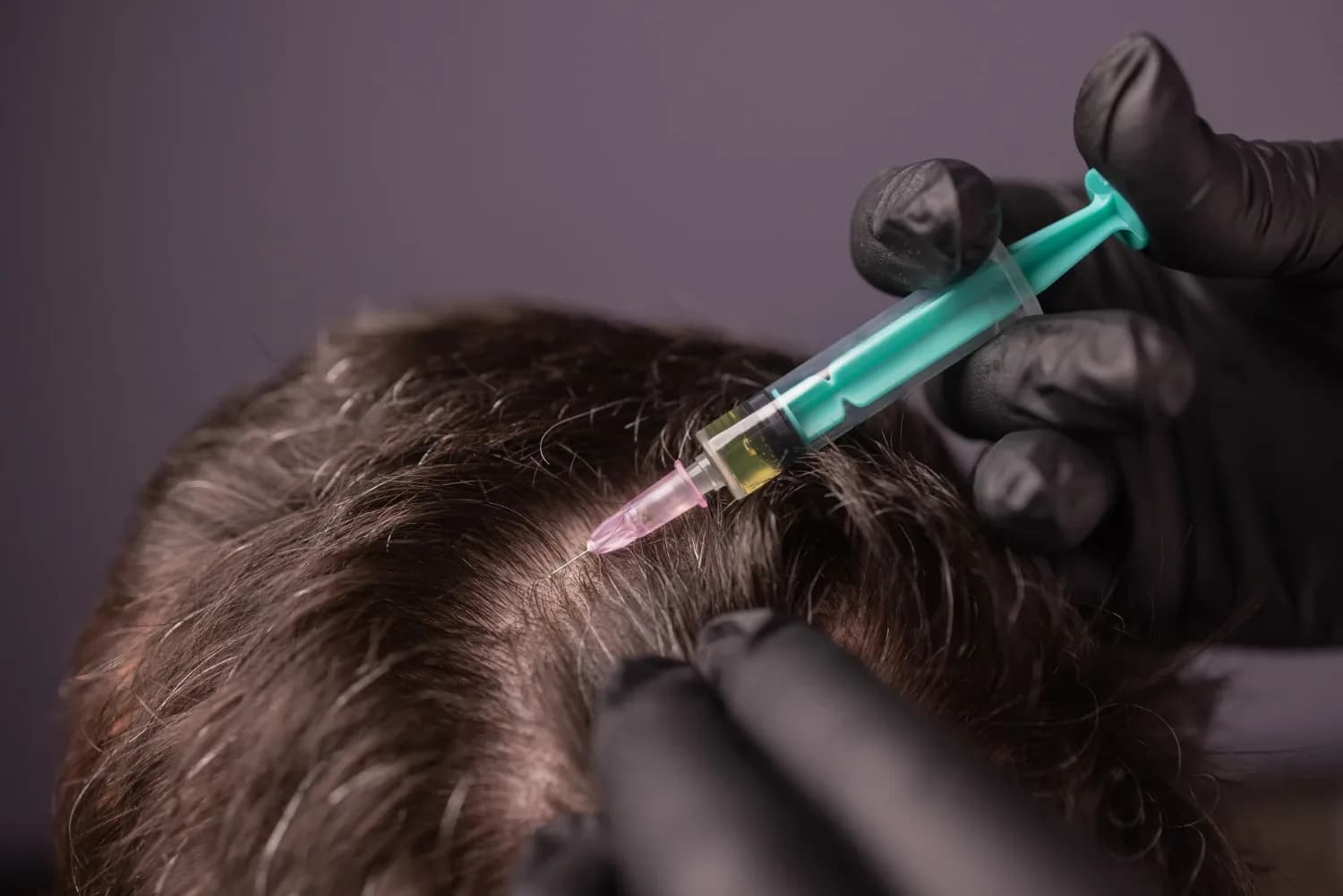
Platelet-rich fibrin (PRF) is an autologous blood concentrate that clinicians inject into the scalp to support hair follicle activity.
Platelet-rich fibrin (PRF) is an autologous blood concentrate that clinicians inject into the scalp to support hair follicle activity. It contains platelets, leukocytes, growth factors, and a natural fibrin matrix. Early clinical evidence suggests PRF may improve hair density in some patients with androgenetic alopecia. However, the research base remains smaller than that for platelet-rich plasma (PRP), and treatment protocols are not yet standardized.
Hair loss affects millions of men and women worldwide. Androgenetic alopecia alone impacts up to 50 percent of adults (Gupta et al. 2025). Patients increasingly seek regenerative therapies that use the body's own healing mechanisms rather than pharmaceuticals alone. Platelet-rich fibrin (PRF) has emerged as one such option. Dermatologists and hair restoration specialists now investigate whether PRF injections can support follicular health and improve hair density.
PRF belongs to the family of autologous platelet concentrates. Clinicians draw a small volume of the patient's own blood, process it through centrifugation, and inject the resulting concentrate into areas of thinning. Unlike PRP, PRF forms a natural fibrin scaffold without anticoagulants. This scaffold may allow a more gradual release of growth factors into the scalp microenvironment.
This article examines what PRF is, how it may affect hair follicles, what the current scientific literature shows, and how it compares to PRP. The goal is to provide an evidence-based, balanced perspective. PRF shows genuine promise, but it remains an emerging therapy. Larger randomized controlled trials with longer follow-up periods are necessary before clinicians can establish standardized protocols.
What Is PRF for Hair Loss?
PRF for hair loss is an autologous regenerative treatment. Clinicians prepare it from the patient's own blood without anticoagulants. The resulting concentrate contains platelets, white blood cells, cytokines, growth factors, and a fibrin matrix. Doctors inject this material into the scalp to potentially support hair follicle function.
What Does Platelet-Rich Fibrin Mean?
Platelet-rich fibrin means a blood-derived concentrate rich in platelets and trapped within a natural fibrin clot. It contains no synthetic additives. The fibrin matrix acts as a three-dimensional scaffold that may slowly release bioactive molecules.
Platelet-rich fibrin is a second-generation platelet concentrate. Dohan and colleagues first described PRF in 2006 as an evolution beyond earlier platelet preparations (Arora and Shukla 128). The preparation uses the patient's own whole blood. Clinicians collect blood in plain tubes without anticoagulants. Centrifugation separates the blood into layers. The upper layer forms a fibrin-rich clot containing concentrated platelets and leukocytes.
PRF contains several key biological components. Platelets release growth factors such as platelet-derived growth factor (PDGF), vascular endothelial growth factor (VEGF), and transforming growth factor-beta (TGF-β). Leukocytes contribute cytokines and modulate the local inflammatory response. The fibrin matrix provides structural support and may function as a reservoir for these bioactive substances. This matrix allows PRF to differ fundamentally from liquid platelet preparations.
How Is PRF Different From PRP?
PRF differs from PRP in several ways. PRF uses no anticoagulants. It forms a fibrin matrix. It undergoes lower-speed centrifugation. It contains leukocytes and stem cells within the fibrin scaffold. Its growth factor release may be more sustained compared to the relatively rapid release from PRP.
Factor | PRF | PRP |
Full name | Platelet-Rich Fibrin | Platelet-Rich Plasma |
Anticoagulant | Generally not used | Often used during preparation |
Fibrin matrix | Present | Limited or absent |
Growth factor release | Proposed sustained release | Generally more rapid |
Evidence in hair loss | Emerging | More extensively studied |
Protocol standardization | Limited | More established but still variable |
Cellular content | Platelets, leukocytes, stem cells | Primarily platelets |
The table above summarizes the core distinctions. PRP preparation typically uses anticoagulants such as citrate or acid citrate dextrose. These agents prevent blood clotting during processing. PRF preparation deliberately avoids anticoagulants. This allows the blood's natural fibrinogen to convert into fibrin during centrifugation. The result is a gel-like matrix rather than a liquid plasma suspension.
Centrifugation parameters also differ. PRF protocols often use lower relative centrifugal force (RCF) values. For example, injectable PRF (i-PRF) may use 60 g for 3 minutes, while advanced PRF+ uses 200 g for 8 minutes (Dashore et al. 60). PRP protocols frequently employ higher speeds to maximize platelet concentration. The lower-speed PRF approach preserves more leukocytes and may achieve a more even cellular distribution within the fibrin clot (Miron et al. 2024).
The fibrin matrix in PRF may provide a scaffold that retains growth factors at the injection site. Dohan Ehrenfest and colleagues examined whether fibrin architecture influences growth factor release. They found that leukocyte- and platelet-rich fibrin demonstrates different release kinetics compared to pure platelet-rich plasma gel (Dohan Ehrenfest et al. 1145). This biological rationale suggests PRF may offer sustained bioactivity. However, this theoretical advantage does not automatically translate into proven superior clinical outcomes for hair loss.
How Does PRF Work for Hair Loss?
PRF may support hair growth by delivering growth factors that promote angiogenesis, modulate the hair cycle, and improve the follicular microenvironment. The fibrin matrix may help retain these factors near the follicles. PRF does not create new follicles. It aims to support existing ones.
How Do Growth Factors Affect Hair Follicles?
Growth factors from platelets signal surrounding cells to support tissue repair and blood vessel formation. VEGF promotes angiogenesis around follicles. PDGF supports cell signaling. These molecules may improve the microenvironment where follicles reside.
Hair follicles depend on a rich vascular network. Yano and colleagues demonstrated that vascular endothelial growth factor (VEGF) controls hair growth and follicle size through angiogenesis. Their research showed that VEGF mRNA expression increases in follicular keratinocytes during the anagen growth phase. Transgenic overexpression of VEGF accelerated hair regrowth and increased hair shaft thickness by more than 30 percent. Conversely, blocking VEGF with antibodies caused hair growth retardation and reduced follicle size (Yano et al. 409).
Platelet-derived growth factor (PDGF) also plays a critical role. It binds to receptors on endothelial cells and dermal stem cells. This binding promotes new blood vessel formation and helps maintain hair follicle structural stability. TGF-β contributes to follicle morphogenesis by activating signaling pathways that coordinate cellular communication within the follicle. Insulin-like growth factor (IGF) extends the anagen phase through anti-apoptotic properties. Fibroblast growth factors (FGFs) help transition resting follicles into active growth (Gupta et al. 2025).
PRF delivers these growth factors directly into the scalp. The concentrated platelets release their granule contents upon activation. The leukocytes present in PRF may further modulate the local environment. Together, these components may enhance blood flow and cellular activity around miniaturized follicles.
Can PRF Influence the Hair Growth Cycle?
PRF may help shift miniaturized follicles toward a more active growth state. It does not create entirely new follicles. It supports existing ones that have become dormant or weakened.
Human hair grows in cycles. The anagen phase is the active growth period. The catagen phase is a brief transitional stage. The telogen phase is the resting period. In androgenetic alopecia, follicles progressively miniaturize. They spend less time in anagen and more time in telogen. The result is thinner, shorter hairs and reduced density.
Regenerative therapies like PRF aim to interrupt this miniaturization process. Growth factors may signal follicles to prolong anagen or re-enter anagen from telogen. Sharma and colleagues observed that patients treated with i-PRF for female pattern hair loss showed improved hair follicle counts per unit area at 3- and 6-month follow-ups (Sharma et al. 17). Yao and colleagues reported that i-PRF improved hair density and reduced scalp symptoms in androgenetic alopecia patients over six months (Yao et al. 493).
However, PRF cannot reverse scarring alopecias or restore follicles that have completely ceased functioning. It works best when viable but miniaturized follicles remain present in the scalp.
What Role Does the Fibrin Matrix Play?
The fibrin matrix acts as a three-dimensional scaffold. It may retain platelets and growth factors at the injection site. It may enable a gradual release of bioactive molecules rather than an immediate burst.
The fibrin component distinguishes PRF from other platelet concentrates. This natural scaffold forms when fibrinogen converts to fibrin during blood processing. The resulting meshwork traps platelets, leukocytes, and circulating cells within its structure.
Masuki and colleagues compared growth factor contents in various platelet concentrates. They found that advanced platelet-rich fibrin (A-PRF) contains higher concentrations of white blood cells and platelets than some PRP preparations. They concluded that A-PRF functions as both a scaffold and a reservoir for growth factors (Masuki et al. 19). The three-dimensional network mimics the extracellular matrix. This may create an environment where cells can function optimally.
The gradual release hypothesis is central to PRF's proposed mechanism. Rather than releasing all growth factors immediately upon injection, the fibrin matrix may hold them in place. This could theoretically provide longer-lasting stimulation to nearby follicles. However, the optimal PRF formulation for hair restoration remains unresolved. Different centrifugation speeds and times produce clots with varying cellular compositions and release profiles.
Which Types of Hair Loss May Respond to PRF?
PRF has been studied most for androgenetic alopecia in men and women. It may also help some cases of diffuse thinning. PRF does not treat every cause of hair loss. Clinicians must diagnose the underlying condition first.
Can PRF Help With Androgenetic Alopecia?
Early studies suggest PRF may improve hair density in mild-to-moderate androgenetic alopecia. Evidence exists for both male and female pattern hair loss. Early intervention appears important.
Androgenetic alopecia is the most common form of hair loss. It affects men and women differently. Men typically experience recession at the temples and thinning at the crown. Women usually notice diffuse thinning over the top of the scalp with a widening part.
The current PRF literature focuses heavily on this condition. Bhoite and colleagues treated 15 patients with androgenetic alopecia using injectable PRF combined with microneedling. They observed significant clinical improvement. Dermoscopy confirmed visible changes. Patient satisfaction scores were positive (Bhoite et al. 398). The 2024 systematic review by Mohale and colleagues identified three studies specifically investigating PRF for androgenetic alopecia. These studies collectively reported noticeable improvements in hair density and growth (Mohale et al. e62198).
For both men and women, early treatment seems to yield better results. Once follicles advance beyond a certain stage of miniaturization, regenerative therapies have less to work with.
Is PRF Suitable for Diffuse Hair Thinning?
PRF may help some patients with diffuse thinning, but only after proper diagnosis. Diffuse thinning can stem from many causes. Doctors must identify the root problem before recommending PRF.
Diffuse hair thinning describes a uniform reduction in hair density across the scalp. It can occur in female pattern hair loss. It can also result from telogen effluvium, nutritional deficiencies, thyroid disorders, or other medical conditions.
PRF should not be used as a blanket treatment for all diffuse thinning. A thorough evaluation is essential. Blood tests may reveal iron deficiency, thyroid dysfunction, or hormonal imbalances. Treating these underlying issues often resolves the thinning without injections. PRF may serve as an adjunct in select cases where androgenetic alopecia coexists with other factors.
Can PRF Treat Every Cause of Hair Loss?
No. PRF does not treat every cause of hair loss. It is not appropriate for scarring alopecias, active autoimmune hair loss, or hair shedding caused by untreated medical disorders.
Hair loss has many triggers. Androgenetic alopecia results from genetic and hormonal factors. Telogen effluvium follows stress, illness, or medication changes. Alopecia areata is an autoimmune condition. Nutritional deficiencies, hormonal disorders, and inflammatory scarring alopecias each require specific management.
PRF cannot replace proper diagnosis. A patient with thyroid disease needs hormone correction first. Someone with alopecia areata may require corticosteroids or other immunomodulatory treatments. Scarring alopecias destroy follicles permanently. PRF cannot regenerate destroyed follicles. Regenerative treatment should complement, not replace, investigation of underlying medical disorders.
What Does the Scientific Evidence Say About PRF for Hair Loss?
Early clinical studies report improvements in hair density after PRF treatment. A 2024 systematic review found promising results but emphasized limited study numbers, heterogeneous protocols, and the need for larger controlled trials.
What Did Early PRF Studies Report?
Early studies reported visible improvements in hair growth following intradermal PRF injections. Case series documented better hair density, positive patient satisfaction, and minimal side effects.
The earliest PRF hair loss studies were small case series. Arora and Shukla reported three patients with androgenetic alopecia treated with injectable PRF. After four sessions, two patients were satisfied with hair growth and declined additional treatment. The third experienced moderate improvement and wanted to continue (Arora and Shukla 128).
Bhoite and colleagues published a case series of 15 patients in 2022. They used injectable PRF with microneedling at two-week intervals for four sessions. Clinical photographs and dermoscopy showed improvement. The mean patient satisfaction score was 7.42 out of 10. The authors concluded that injectable PRF is a safe, easy, and cost-effective adjuvant modality for managing androgenetic alopecia (Bhoite et al. 398).
Shashank and Bhushan also documented injectable PRF use in androgenetic alopecia within a broader dermatological case series. They found it useful for hair regeneration among other applications (Shashank and Bhushan 1421).
What Did the 2024 Systematic Review Find?
The 2024 systematic review analyzed seven studies with 130 patients. Three studies focused on alopecia. Most patients showed noticeable improvements in hair density and growth. The review called for larger trials and standardized protocols.
Mohale and colleagues conducted a systematic review of injectable PRF therapy for alopecia and facial rejuvenation. They searched PubMed, Scopus, and Web of Science for studies published up to 2023. Seven studies met inclusion criteria, encompassing 130 patients total. For alopecia, three studies reported noticeable improvement in hair density and growth. Bhoite and colleagues reported that 73 percent of their subjects showed clinically noticeable improvements. The review concluded that injectable PRF shows promise for treating androgenetic alopecia. However, the authors explicitly stated that further research involving larger sample sizes, control groups, and longer follow-ups is required to validate findings and establish standardized treatment protocols (Mohale et al. e62198).
What Are the Main Limitations of Current PRF Research?
Current PRF research faces several limitations. These include small sample sizes, few randomized controlled trials, different centrifugation protocols, varying injection schedules, short follow-up periods, and lack of standardized outcome measures.
The limitations are substantial. Most published studies are case series or small prospective cohorts. Randomized controlled trials comparing PRF to placebo or active treatments remain scarce. Preparation protocols vary widely. Some clinicians use i-PRF at 60 g for 3 minutes. Others use A-PRF+ at 200 g for 8 minutes. Still others employ different parameters entirely (Dashore et al. 60). This heterogeneity makes it impossible to compare results across studies.
Injection schedules also differ. Some protocols use weekly sessions. Others space treatments monthly. The number of sessions ranges from three to six or more. Follow-up periods are often brief, typically 3 to 6 months. Long-term durability remains unknown. Objective outcome measures such as standardized photography, trichoscopy, and hair count per square centimeter are not uniformly applied. These gaps underscore why clinicians must view current PRF evidence as promising but preliminary.
How Is PRF Treatment for Hair Loss Performed?
PRF treatment involves an initial consultation, blood collection, centrifugation, and scalp injection. The entire procedure typically takes 45 to 60 minutes. It is minimally invasive and uses only the patient's own blood.
What Happens During the Initial Consultation?
The doctor reviews medical history, examines the scalp, assesses hair density, diagnoses the alopecia type, and determines whether PRF is appropriate.
The first step is always evaluation. The clinician takes a detailed medical history. They ask about the pattern and duration of hair loss, family history, previous treatments, medications, and supplements. A scalp examination follows. The doctor may use dermoscopy or trichoscopy to evaluate follicle health. They look for signs of miniaturization, inflammation, or scarring. In some cases, blood tests help rule out nutritional or hormonal causes. Only after confirming a suitable diagnosis does the clinician discuss PRF as an option.
How Is Blood Collected for PRF?
The clinician draws a small venous blood sample, usually 10 to 20 milliliters, using standard sterile collection techniques. No anticoagulants are added to the tubes.
Blood collection is straightforward. The clinician draws whole blood from a vein in the arm, similar to a routine blood test. The blood goes into plain glass or plastic tubes without additives. The absence of anticoagulants is critical. It allows the natural clotting cascade to begin, which is necessary for fibrin matrix formation.
How Is PRF Prepared?
The blood undergoes centrifugation to separate components. The fibrin-rich concentrate forms in the upper layer. Preparation technique affects the final biological composition.
Centrifugation begins quickly after collection, ideally within 90 to 120 seconds (Dashore et al. 60). The centrifuge spins the blood at a specific relative centrifugal force and duration. Different protocols yield different products. Lower speeds like 200 g for 8 minutes produce A-PRF+ with high platelet and leukocyte counts. Higher speeds like 700 g for 8 minutes produce liquid PRF variants (Miron et al. 2024). The clinician extracts the upper fibrin layer or liquid concentrate for injection. Preparation technique directly affects platelet yield, leukocyte content, and growth factor concentration.
How Is PRF Injected Into the Scalp?
The clinician injects PRF into areas of thinning using fine needles. Injections target the dermal or superficial scalp level. Distribution covers all affected areas. Local anesthetic may enhance comfort.
The injection phase requires precision. The clinician maps out the thinning areas. Using a fine needle, they deposit small aliquots of PRF intradermally or superficially across the scalp. The spacing and depth aim to place growth factors near the hair follicles. Some clinicians use a mesotherapy gun for more uniform distribution. Local anesthetic or cooling devices may reduce discomfort. The procedure typically concludes within minutes.
How Many PRF Hair Loss Sessions Are Needed?
Treatment schedules vary. Most protocols use multiple sessions spaced weeks apart. Three to six sessions are common. Individualized planning is essential.
How Frequently Are PRF Treatments Performed?
Clinicians typically perform treatments at intervals ranging from two weeks to one month. Repeated sessions build on each other. No universal schedule exists.
Published studies use different frequencies. Bhoite and colleagues performed sessions at two-week intervals (Bhoite et al. 398). Sharma and colleagues used monthly intervals for three sessions (Sharma et al. 17). Yao and colleagues administered six monthly injections (Yao et al. 493). The ideal interval remains undefined. Some practitioners believe more frequent early sessions may provide better stimulation. Others prefer monthly spacing to allow the follicles time to respond. The treating physician should tailor the schedule to the individual patient.
Does PRF Require Maintenance Treatments?
Maintenance sessions may help sustain results. Long-term durability is not well defined. PRF does not provide permanent hair restoration.
Because the hair growth cycle continues, and androgenetic alopecia is a progressive condition, maintenance may be necessary. Some clinicians recommend touch-up sessions every 6 to 12 months after the initial series. The biological response to PRF is not permanent. Without ongoing support, follicles may eventually resume miniaturization. Patients should understand that PRF is a management strategy, not a one-time cure.
When Can You See Results From PRF for Hair Loss?
Visible results typically take 3 to 6 months. Early changes may include reduced shedding. Objective improvements in density require time for the hair cycle to progress.
What Happens During the First Few Weeks?
Patients may notice mild injection-site reactions such as tenderness, redness, or swelling. Some report reduced shedding within the first month. New visible growth does not appear immediately.
The immediate post-treatment period involves minor scalp reactions. Tenderness, redness, swelling, and pinpoint bleeding are common. These effects are temporary and usually resolve within days. Some patients notice less hair falling out during washing or brushing within the first few weeks. This early reduction in shedding suggests follicles may be stabilizing. However, visible new growth is not expected at this stage.
When Does Hair Density Begin to Change?
Meaningful density changes typically appear after 3 to 6 months. Doctors assess results using clinical photographs, trichoscopy, and hair counts.
Hair grows slowly. The anagen phase lasts years, but the transition from telogen to anagen takes time. After PRF injection, follicles need weeks to shift into a more active state. The new hairs must then grow long enough to become visible. Sharma and colleagues noted that participants reported new hair growth approximately 6 to 8 weeks after the first treatment, especially in previously sparse areas (Sharma et al. 17). However, objective density improvements are best assessed at 3- and 6-month intervals. Standardized photographs, trichoscopy, and hair shaft diameter measurements provide objective data.
How Long Can PRF Hair Results Last?
The duration of results is uncertain. Initial improvements may last several months. Sustained response likely requires ongoing treatment. PRF does not produce permanent results.
Long-term data on PRF for hair loss is limited. Most studies follow patients for 6 months or less. The biological effects of growth factor release may diminish over time. Androgenetic alopecia continues to progress if left unmanaged. Therefore, patients should view PRF as part of a long-term hair maintenance plan rather than a permanent solution. Maintenance sessions may extend the benefits.
What Are the Benefits of PRF for Hair Loss?

PRF offers a minimally invasive, autologous option that may improve hair density and thickness. It uses the patient's own blood, minimizing allergy risk. It can combine with other treatments.
Is PRF a Minimally Invasive Hair-Loss Treatment?
Yes. PRF requires no surgery. It involves only blood draw and scalp injections. Downtime is minimal.
PRF is a non-surgical procedure. There are no incisions, stitches, or scars. The blood draw takes minutes. The injections take additional minutes. Most patients resume normal activities the same day or the next day. This makes PRF attractive to patients who want to avoid hair transplantation or cannot use certain medications.
Can PRF Improve Hair Density and Thickness?
Early evidence suggests PRF may increase hair density and shaft diameter in some patients. Response varies between individuals.
The 2024 systematic review found that most patients in the included studies experienced noticeable improvements in hair density and growth (Mohale et al. e62198). Yao and colleagues reported significant improvements in hair density, vellus hair percentage, and hair shaft diameter after six monthly i-PRF sessions. They achieved an 80 percent response rate at 6 months (Yao et al. 493). Sharma and colleagues documented improved hair volume, thickness, and patient-reported outcomes in women with female pattern hair loss (Sharma et al. 17). However, not all patients respond equally. Factors such as age, degree of miniaturization, and overall health influence outcomes.
Does PRF Use the Patient's Own Blood?
Yes. PRF is entirely autologous. This minimizes the risk of immune reactions or disease transmission. However, autologous does not mean risk-free.
Because PRF comes from the patient's own blood, there is virtually no risk of allergic reaction or rejection. This is a significant advantage over treatments involving foreign substances. However, the procedure still involves needles and injections. Sterile technique is essential to prevent infection. Patients with blood disorders or active infections may not be suitable candidates.
Can PRF Be Combined With Other Hair-Loss Treatments?
Yes. Clinicians may combine PRF with minoxidil, finasteride, hair transplantation, or microneedling. Combination approaches require individualized medical assessment.
PRF may work synergistically with other therapies. Bhoite and colleagues used PRF alongside minoxidil, finasteride, and multivitamins (Bhoite et al. 398). Some hair transplant surgeons use PRF or PRP to support graft survival. Low-level laser therapy and microneedling are other potential adjuncts. However, evidence for specific combination protocols is still developing. Patients should not assume that combining treatments automatically yields better results without clinical guidance.
PRF vs PRP for Hair Loss: Which Is Better?
Neither treatment is universally superior. PRP has a larger evidence base. PRF offers theoretical advantages through its fibrin matrix. The choice depends on individual factors, clinician expertise, and availability.
Factor | PRF | PRP |
Full name | Platelet-Rich Fibrin | Platelet-Rich Plasma |
Anticoagulant | Generally not used | Often used during preparation |
Fibrin matrix | Present | Limited/absent depending on preparation |
Growth-factor release | Proposed sustained release | Generally more rapid |
Evidence in hair loss | Emerging | More extensively studied |
Protocol standardization | Limited | More established but still variable |
Clinical role | Promising regenerative option | Better-established platelet-based option |
Does PRF Have More Regenerative Potential Than PRP?
PRF contains more cellular components and a fibrin scaffold. This suggests higher regenerative potential. However, clinical superiority over PRP is not yet proven.
The biological rationale favors PRF in some respects. PRF contains leukocytes, circulating stem cells, and a fibrin matrix that PRP typically lacks. Masuki and colleagues found that A-PRF contains higher amounts of growth factors compared to some PRP preparations (Masuki et al. 19). The fibrin scaffold may prolong local growth factor availability. However, biological rationale does not equal clinical proof. More comparative studies are needed.
Does PRP Have Stronger Evidence Than PRP?
Yes. PRP has been studied more extensively in androgenetic alopecia. The clinical literature for PRP is substantially larger than for PRF.
PRP has been investigated in hair loss for over a decade. Multiple randomized controlled trials, meta-analyses, and systematic reviews support its use. The evidence for PRP in androgenetic alopecia is robust enough that many clinicians consider it a standard regenerative option. PRF research is newer and less voluminous. The 2024 systematic review on PRF included only seven total studies, with just three focused on alopecia (Mohale et al. e62198). This gap in evidence maturity is real and meaningful.
Should Patients Choose PRF Instead of PRP?
There is no definitive answer. The choice depends on diagnosis, severity, treatment history, cost, availability, and the clinician's expertise. Evidence-based individualized decision-making is essential.
Some patients may prefer PRF because it uses no anticoagulants and no additives. Others may choose PRP because it has more published data behind it. A recent prospective multicenter randomized trial in 74 women with female pattern hair loss compared PRP, i-PRF, and concentrated growth factors (CGF). The i-PRF group showed a 26.54 percent increase in target area hair count, compared to 14.53 percent for PRP. The i-PRF group also had the fewest adverse events. However, the study authors emphasized that more comparative evidence is still needed. Cost and clinic availability also factor into the decision. A qualified hair restoration specialist can help patients weigh these variables.
What Are the Side Effects and Risks of PRF for Hair Loss?
PRF is generally well tolerated. Short-term side effects include scalp tenderness, redness, swelling, bruising, and headache. Infection is uncommon but possible. Certain medical conditions require caution or exclusion.
What Short-Term Side Effects Can Occur?
Common short-term effects include tenderness, redness, swelling, bruising, pinpoint bleeding, and temporary discomfort. These are usually mild and resolve within days.
The injection process inevitably causes minor trauma to the scalp. Most patients experience some degree of tenderness or soreness afterward. Redness and swelling at injection sites are typical. Small bruises may appear. A mild headache can occur in some individuals. These effects generally do not require medication beyond over-the-counter pain relievers. The 2024 systematic review noted that PRF therapy was well-tolerated with minimal reported side effects across the included studies (Mohale et al. e62198).
Can PRF Cause Infection?
Infection is uncommon but possible with any injection procedure. Strict sterile technique minimizes this risk.
Because PRF is autologous, there is no risk of disease transmission from donor material. However, the skin surface harbors bacteria. If sterile technique is compromised during blood draw or injection, infection could occur. Proper skin cleansing, sterile needles, and appropriate aftercare reduce this risk to very low levels.
Who Should Avoid or Delay PRF?
Patients with active scalp infections, certain blood disorders, platelet disorders, poor wound healing, or those on blood thinners may need to avoid or delay PRF. Pregnancy requires individualized assessment.
Not everyone is a candidate for PRF. Active scalp infections such as folliculitis or tinea capitis must be treated first. Bleeding disorders or thrombocytopenia may contraindicate treatment. Patients on anticoagulant medications may have increased bruising or bleeding risk. Conditions that impair wound healing, such as uncontrolled diabetes, may affect outcomes. Pregnant women should consult their physician before proceeding. A thorough medical evaluation identifies these issues before treatment.
What Should You Do Before PRF Hair Treatment?
Patients should obtain a proper diagnosis, disclose their full medical history, and follow their clinician's pre-procedure instructions.
Should You Diagnose the Cause of Hair Loss First?
Yes. A dermatological evaluation is essential. Scalp examination and laboratory testing when indicated must precede any regenerative treatment.
Self-diagnosing hair loss is risky. Many conditions mimic androgenetic alopecia. A dermatologist or trichologist can perform dermoscopy, hair pull tests, and scalp biopsies if needed. Blood work may reveal anemia, thyroid disease, or hormonal imbalances. Treating the true underlying cause is always the first priority. PRF should never be used as a substitute for proper diagnosis.
What Should You Tell Your Doctor Before PRF?
Disclose all medications, supplements, bleeding disorders, previous scalp treatments, allergies, and relevant medical history.
Full disclosure ensures safety. Blood thinners, aspirin, and certain supplements like fish oil or ginkgo biloba may increase bleeding risk. Previous hair transplant surgery, scalp infections, or keloid scarring history are relevant. The clinician needs this information to assess candidacy and plan the procedure safely.
How Should You Prepare for the Procedure?
Follow your clinician's specific instructions. This may include avoiding certain medications, arriving with a clean scalp, and staying hydrated.
Preparation varies by clinic. Some clinicians ask patients to wash their hair the morning of treatment. Others may advise avoiding alcohol or specific supplements for a few days beforehand. Patients should not stop prescribed medications without consulting their doctor first. Hydration before blood draw can make the process smoother.
What Is PRF Recovery Like?
Recovery is generally quick. Most patients resume routine activities soon after. Minor scalp sensitivity may last a day or two.
Is There Downtime After PRF?
Downtime is minimal. Most patients return to work and normal activities the same day or the next day.
PRF is not a surgical procedure. There are no sutures or significant wounds. The tiny injection sites heal rapidly. Some patients prefer to schedule treatment on a day when they can rest afterward, but this is for comfort rather than medical necessity. Individual recovery depends on injection technique and personal response.
What Should You Avoid After PRF?
Patients should avoid strenuous exercise, excessive heat, direct sun exposure, irritating hair products, and aggressive scalp manipulation for the period recommended by their clinician.
Post-treatment care protects the injection sites and allows optimal healing. Strenuous exercise may increase blood flow and swelling. Heat and sun exposure may irritate the scalp. Harsh chemicals or vigorous scrubbing should be avoided. Sleeping with the head slightly elevated may reduce swelling on the first night.
When Can You Wash Your Hair After PRF?
Timing varies by clinician protocol. Some allow washing the same evening. Others recommend waiting 24 hours. Follow your provider's specific instructions.
There is no universal rule for post-PRF hair washing. Some clinics permit gentle washing after 8 hours. Others advise waiting until the next morning. The key is to avoid harsh scrubbing or very hot water initially. Patients should follow the specific aftercare protocol provided by their treating clinician.
How Is PRF for Hair Loss Different From Hair Transplantation?
PRF supports existing follicles. Hair transplantation relocates viable follicles from one area to another. They are fundamentally different approaches.
Does PRF Create New Hair Follicles?
No. PRF does not create new follicles. It aims to improve the health and activity of existing miniaturized follicles.
This distinction is critical. PRF is a regenerative supportive therapy. It delivers growth factors to follicles that are still alive but underperforming. It cannot generate brand new follicles where none exist. Hair transplantation, by contrast, physically moves healthy follicles from a donor area to a recipient area. Transplanted follicles are permanent and grow naturally.
Can PRF Be Used Before or After a Hair Transplant?
Yes. Some surgeons use PRF as an adjunctive treatment around the time of transplantation. Evidence for combination protocols is still developing.
PRF may support graft survival when applied during or after hair transplant surgery. The growth factors could enhance vascularization of the recipient sites. Some surgeons also use PRF pre-operatively to improve scalp health. However, high-quality evidence specifically for PRF in combination with hair transplantation is limited. Most adjunctive research has focused on PRP rather than PRF.
Who May Benefit More From PRF Than Hair Transplantation?
Patients with early thinning, adequate viable follicles, and those seeking a non-surgical approach may prefer PRF. Advanced follicular loss may require transplantation.
PRF suits patients in the early stages of hair loss. If follicles are miniaturized but still present, PRF may help improve their output. Patients who are not ready for surgery, who want to avoid scars, or who cannot undergo transplantation for medical reasons may choose PRF. However, patients with extensive baldness and few remaining follicles will likely see limited benefit from PRF alone. These individuals may need hair transplantation or a combination approach.
What Factors Affect the Results of PRF for Hair Loss?
Multiple factors influence PRF outcomes. These include the cause and severity of hair loss, patient age, viable follicle count, preparation technique, treatment protocol, and combination with other therapies.
Does the Cause and Severity of Hair Loss Matter?
Yes. PRF works best for androgenetic alopecia in mild-to-moderate stages. Advanced loss or non-androgenetic causes may respond poorly.
The underlying diagnosis determines whether PRF is appropriate. Androgenetic alopecia is the most studied indication. Early-stage disease with miniaturized but viable follicles offers the best chance of response. Advanced baldness with fibrosed or absent follicles will not respond. Other causes like scarring alopecia or active alopecia areata require different primary treatments.
Does Age Affect Treatment Response?
Age may influence results. Younger patients with earlier-stage loss often respond better. Older patients with long-standing advanced thinning may see more limited improvement.
Younger patients typically have more viable follicles and better vascular supply. Their hair loss is often less advanced. Older patients may have more extensive miniaturization and slower healing responses. However, age alone does not exclude candidacy. Individual assessment matters more than chronological age.
Does the Number of Viable Hair Follicles Matter?
Yes. PRF requires viable follicles to work with. The more miniaturized but living follicles present, the greater the potential for improvement.
PRF is not follicle genesis. It is follicle support. A scalp with thousands of miniaturized follicles has more potential for density improvement than a scalp with extensive bare areas. This is why candidacy assessment is crucial. Trichoscopy helps clinicians count viable follicles and estimate treatment potential.
Does PRF Preparation Technique Affect Outcomes?
Yes. Centrifugation speed, duration, tube type, and timing all influence the final product. Protocol heterogeneity is a major unresolved issue in PRF research.
Preparation technique is critical. Miron and colleagues systematically investigated 24 different protocols. They found that centrifugation at 700 RCF for 8 minutes best distributed cells in the upper plasma layer. For liquid PRF, 2000 RCF for 8 minutes produced concentrated PRF (Miron et al. 2024). The IADVL taskforce recommends A-PRF+ at 200 g for 8 minutes for solid PRF and C-PRF at 700 g for 8 minutes for liquid PRF (Dashore et al. 60). However, no consensus exists across the field. Different clinics use different protocols. This heterogeneity makes it difficult to compare study results or establish optimal treatment parameters.
Does the Treatment Protocol Influence Results?
Yes. The number of sessions, interval between sessions, injection depth, and volume injected may all affect outcomes. No standardized protocol yet exists.
Some studies use three sessions. Others use four, five, or six. Intervals range from two weeks to two months. Injection techniques vary from manual needles to mesotherapy guns. Until researchers identify the optimal protocol through comparative trials, clinicians must rely on their own experience and the limited published data.
Does Combining PRF With Other Therapies Change Outcomes?
Combination therapy may enhance results, but stronger evidence is needed before claiming superiority. Individualized medical assessment is required.
Theoretically, combining PRF with minoxidil, finasteride, or low-level laser therapy could produce synergistic effects. Each modality targets hair loss through different mechanisms. PRF provides growth factors. Minoxidil improves vascularization and potassium channel function. Finasteride blocks dihydrotestosterone. Together, they might address multiple pathways simultaneously. However, robust clinical trials comparing monotherapy to combination therapy are lacking.
What Does the Future of PRF Hair Restoration Look Like?
The future depends on standardization, larger trials, and combination research. PRF may become a more established regenerative option if the evidence base strengthens.
Could PRF Become a More Standardized Regenerative Treatment?
Yes, but only if researchers establish standardized preparation methods, cellular concentrations, injection protocols, and objective outcome measures.
Standardization is the biggest hurdle. Current PRF literature is fragmented across multiple preparation protocols. The field needs consensus on centrifugation parameters, tube materials, and injection techniques. Objective outcomes such as hair count per square centimeter, shaft diameter, and standardized photography must become universal. The IADVL recommendations represent a step forward, but global adoption is necessary (Dashore et al. 60).
Could PRF Be More Effective in Combination With Other Therapies?
Combination approaches are promising but require controlled comparative research. PRF plus pharmacological treatment, transplantation, or other regenerative modalities needs rigorous study.
Future research should compare PRF alone versus PRF plus minoxidil, finasteride, or hair transplantation. Multi-arm randomized trials could identify the most effective combinations. Cost-effectiveness analyses would help determine whether combination therapy justifies the additional expense.
What Do Recent Comparative Studies Suggest?
A recent randomized multicenter trial in female pattern hair loss reported greater hair-count increases with i-PRF than PRP. However, the authors emphasized that more comparative evidence is still needed.
The trial of 74 women compared PRP, i-PRF, and concentrated growth factors. The i-PRF group achieved a 26.54 percent increase in non-vellus target area hair count over 24 weeks, compared to 14.53 percent for PRP. Hair diameter improvements were similar across groups. The i-PRF group experienced the fewest adverse events. VEGF levels correlated positively with hair count increases. While these results favor i-PRF, the study authors cautioned that more comparative evidence is necessary before drawing definitive conclusions.
Frequently Asked Questions About PRF for Hair Loss
What is PRF for hair loss?
PRF is an autologous platelet concentrate prepared without anticoagulants. It contains platelets, leukocytes, growth factors, and a fibrin matrix. Clinicians inject it into the scalp to potentially support hair follicle activity and improve density.
Is PRF effective for androgenetic alopecia?
Early studies suggest PRF may improve hair density and thickness in mild-to-moderate androgenetic alopecia. A 2024 systematic review found promising results but called for larger controlled trials (Mohale et al. e62198).
Is PRF better than PRP for hair loss?
Neither is universally better. PRP has stronger evidence. PRF offers theoretical advantages through sustained release and additional cellular components. A recent trial showed i-PRF outperformed PRP in hair count increases for female pattern hair loss, but more research is needed.
How does PRF stimulate hair growth?
PRF delivers growth factors like VEGF and PDGF to the scalp. These factors promote angiogenesis and cellular signaling around hair follicles. The fibrin matrix may help retain these factors near the follicles for gradual release.
How many PRF sessions are needed for hair loss?
Most protocols use 3 to 6 sessions. Intervals range from 2 weeks to 1 month. Maintenance sessions every 6 to 12 months may help sustain results.
When do PRF hair results become visible?
Patients may notice reduced shedding within weeks. Visible density improvements typically take 3 to 6 months. Full assessment should occur at 6-month follow-up.
How long do PRF hair results last?
Results are not permanent. Long-term durability is unknown. Maintenance treatments may extend benefits. Without ongoing management, androgenetic alopecia may continue to progress.
Is PRF safe for hair loss?
PRF is generally safe. It uses the patient's own blood, minimizing allergy risk. Common side effects include temporary tenderness, redness, swelling, and bruising. Infection is uncommon with proper sterile technique.
Does PRF work for female pattern hair loss?
Yes, early evidence supports PRF for female pattern hair loss. Sharma and colleagues reported improved follicle density and patient satisfaction after three i-PRF sessions (Sharma et al. 17). Yao and colleagues also documented positive results (Yao et al. 493).
Can PRF stop hair shedding?
PRF may reduce shedding by stabilizing follicles and supporting the transition from telogen to anagen. However, it does not cure the underlying progressive nature of androgenetic alopecia.
Can PRF regrow completely lost hair?
No. PRF cannot restore areas where follicles have been completely lost or destroyed. It supports existing viable follicles. Advanced baldness may require hair transplantation.
Can PRF be combined with minoxidil or other treatments?
Yes. Clinicians often combine PRF with minoxidil, finasteride, or other modalities. Combination therapy may address multiple pathways of hair loss simultaneously.
Is PRF suitable after a hair transplant?
Some surgeons use PRF as an adjunct to hair transplantation. It may support graft survival and recipient site healing. Evidence specifically for PRF in this context is still developing.
Key Takeaways About PRF for Hair Loss
PRF is an autologous platelet-based regenerative treatment that uses no anticoagulants and forms a natural fibrin matrix.
The fibrin scaffold may provide sustained release of growth factors such as VEGF, PDGF, and TGF-β.
Early clinical evidence suggests potential benefits for hair density, thickness, and follicular activity in androgenetic alopecia.
The strongest evidence currently concerns mild-to-moderate pattern hair loss in both men and women.
PRF research remains less extensive than PRP research. The evidence base is growing but still preliminary.
Preparation and treatment protocols are not yet standardized. Centrifugation parameters vary widely between studies and clinics.
PRF should complement, rather than replace, proper diagnosis and evidence-based management of the underlying cause of hair loss.
Side effects are generally mild and temporary. Serious complications are rare with proper technique.
Larger randomized controlled trials, longer follow-up periods, and standardized protocols are needed to fully define PRF's role in hair restoration.
Patients should seek evaluation from qualified hair restoration specialists who can provide individualized, evidence-based recommendations.
References
Arora, R., and Shukla, S. "Injectable-Platelet-Rich Fibrin-Smart Blood with Stem Cells for the Treatment of Alopecia: A Report of Three Patients." International Journal of Trichology, vol. 11, no. 3, 2019, pp. 128-131.
Bhoite, K. S., et al. "Injectable Platelet Rich Fibrin Therapy for Androgenetic Alopecia: A Series of 15 Cases." International Journal of Research in Dermatology, vol. 8, no. 4, 2022, pp. 398-402.
Dashore, S., et al. "Platelet-Rich Fibrin, Preparation and Use in Dermatology." Indian Dermatology Online Journal, vol. 12, 2021, pp. 60-65.
Dohan Ehrenfest, D. M., et al. "Do the Fibrin Architecture and Leukocyte Content Influence the Growth Factor Release of Platelet Concentrates?" Current Pharmaceutical Biotechnology, vol. 13, 2012, pp. 1145-1152.
Gupta, A. K., et al. "Promises and Pitfalls of Regenerative Therapies for Androgenetic Alopecia: Platelet-Rich Plasma, Photobiomodulation, Stem Cells, and Exosomes." Dermatology and Therapy, vol. 14, no. 1, 2025.
Masuki, H., et al. "Growth Factor and Pro-Inflammatory Cytokine Contents in Platelet-Rich Plasma (PRP), Plasma Rich in Growth Factors (PRGF), Advanced Platelet-Rich Fibrin (A-PRF), and Concentrated Growth Factors (CGF)." International Journal of Implant Dentistry, vol. 2, 2016, p. 19.
Miron, R. J., et al. "Optimization of Platelet-Rich Fibrin." Periodontology 2000, 2024.
Mohale, S. A., et al. "Effectiveness of Injectable Platelet-Rich Fibrin Therapy in Alopecia and Facial Rejuvenation: A Systematic Review." Cureus, vol. 16, no. 6, 2024, e62198.
Sharma, S., et al. "Injectable Platelet-Rich Fibrin for Treatment of Female Pattern Hair Loss." Journal of Cosmetic and Laser Therapy, vol. 26, no. 1-4, 2024, pp. 17-25.
Shashank, B., and Bhushan, M. "Injectable Platelet-Rich Fibrin (PRF): The Newest Biomaterial and Its Use in Various Dermatological Conditions in Our Practice: A Case Series." Journal of Cosmetic Dermatology, vol. 20, 2021, pp. 1421-1426.
Yano, K., et al. "Control of Hair Growth and Follicle Size by VEGF-Mediated Angiogenesis." Journal of Clinical Investigation, vol. 107, no. 4, 2001, pp. 409-417.
Yao, S., et al. "New Tool in Our Arsenal: Efficacy of Injectable Platelet-Rich Fibrin (i-PRF) in Androgenetic Alopecia Treatment." Archives of Dermatological Research, vol. 317, 2025, p. 493.