
Laser Hair Therapy for Hair Thinning: How Does It Work and Does It Really Help?
Hair thinning affects millions of people worldwide, and it differs from normal daily hair shedding. You lose about 50 to 100 hairs every day as part of the natural cycle.
Hair thinning affects millions of people worldwide, and it differs from normal daily hair shedding. You lose about 50 to 100 hairs every day as part of the natural cycle. Hair thinning means your strands become finer, your scalp becomes more visible, or your overall density drops over time. Laser hair therapy offers a non-invasive, device-based approach to hair restoration. You do not need surgery, injections, or medications to try this treatment. The field uses several interchangeable terms. Low-Level Laser Therapy (LLLT) refers to the clinical use of low-energy lasers. Low-Level Light Therapy expands this to include LED sources. Photobiomodulation (PBM) describes the biological process where light stimulates cellular activity. Red Light Therapy highlights the visible wavelength range. Cold Laser Therapy emphasizes that the light does not heat or burn tissue. These terms overlap heavily, but devices differ substantially in wavelength, energy delivery, and design. Androgenetic alopecia remains the principal condition researchers have studied. Clinical evidence suggests that laser hair therapy may improve hair density for some patients. However, outcomes vary widely, and researchers continue to investigate the best treatment parameters.
What Is Laser Hair Therapy for Hair Thinning?
Laser hair therapy uses low-energy light to stimulate hair follicles and potentially increase hair density in people with pattern hair loss.
Laser hair therapy applies low-energy light to the scalp. The goal is to stimulate biological activity within hair follicles rather than destroy them. This approach stands in sharp contrast to high-energy medical lasers used in dermatology. You might encounter this therapy in clinics, or you might purchase a home-use device such as a laser cap, helmet, or comb. The treatment targets the roots of thinning hair. It aims to improve follicle function, increase blood flow, and extend the growth phase of the hair cycle. Researchers have studied this method primarily for androgenetic alopecia, though some investigations explore other conditions.
How Is LLLT Different From Conventional Laser Hair Removal?
LLLT uses low energy to stimulate follicles, while hair removal lasers use high energy to destroy them.
Conventional laser hair removal and low-level laser therapy share the word "laser," but they pursue opposite goals. Laser hair removal aims to destroy hair follicles permanently. It uses high-energy pulses that heat the follicle enough to damage it. LLLT uses low-energy light that does not generate destructive heat. The wavelengths differ too. Hair removal often employs 755 nm, 808 nm, or 1064 nm lasers at high fluences. LLLT typically uses 600–850 nm wavelengths at much lower energy levels. The biological effects diverge completely. Hair removal triggers thermal damage. LLLT triggers photochemical reactions. You cannot use a hair removal device to grow hair, and you cannot use a hair-growth device to remove hair. The science behind each approach operates on entirely different principles.
Is Laser Hair Therapy the Same as Red Light Therapy?
They overlap, but LLLT can include both laser and LED sources, while red light therapy typically refers to visible red wavelengths.
Red light therapy and LLLT share significant overlap, but they are not identical. LLLT traditionally referred to coherent laser light. Modern usage includes LED arrays because LEDs can deliver similar wavelengths at therapeutic doses. Red light therapy usually describes treatment with visible red light in the 620–700 nm range. Some LLLT devices use near-infrared light at 800–850 nm, which you cannot see. The light source matters less than the wavelength and the dose. A laser delivers coherent, monochromatic light. An LED delivers non-coherent light over a broader spectral band. Both can trigger photobiomodulation if they deliver the right wavelength at the right intensity for the right duration. You should evaluate a device based on its specific wavelength, irradiance, and treatment protocol rather than on whether the manufacturer calls it a "laser" or "red light" product.
What Types of Hair Loss Can Laser Therapy Address?
LLLT works best for androgenetic alopecia and some non-scarring alopecias, but it cannot treat all types of hair loss.
Researchers have studied LLLT most extensively for androgenetic alopecia, also called pattern hair loss. This condition includes male pattern hair loss and female pattern hair loss. Both involve follicular miniaturization driven by genetic and hormonal factors. Some studies also examine LLLT for other non-scarring alopecias, such as alopecia areata, though evidence remains more limited. LLLT does not work for scarring alopecias such as lichen planopilaris or discoid lupus erythematosus. In these conditions, inflammation destroys the follicle permanently. Light cannot regenerate tissue that no longer exists. You should not view LLLT as a universal treatment for every cause of hair loss. A correct diagnosis determines whether you are a suitable candidate.
How Does Laser Hair Therapy Stimulate Hair Growth?
LLLT stimulates mitochondria in follicle cells, potentially prolonging the growth phase and improving local blood flow.
The biological mechanisms behind laser hair therapy center on photobiomodulation. When low-energy light reaches the scalp, it penetrates the skin and interacts with cells in the hair follicle. This interaction triggers a cascade of cellular events. Scientists have proposed several pathways, and research continues to refine our understanding of exactly how light influences hair biology.
How Does Light Interact With Hair Follicle Cells?
Light activates cytochrome c oxidase in mitochondria, boosting cellular energy production.
Photobiomodulation begins at the cellular level. Scientists believe that cytochrome c oxidase, an enzyme in the mitochondrial electron transport chain, acts as the primary photoacceptor. When red or near-infrared light reaches the mitochondria, cytochrome c oxidase absorbs the photons. This absorption increases electron transport and adenosine triphosphate (ATP) production. More ATP means more cellular energy. Hair follicle cells use this energy to perform their normal functions more efficiently. The light also influences reactive oxygen species signaling and nitric oxide release. These changes create a more favorable environment for follicular activity. The process does not involve heat damage. It works through photochemistry, not thermodynamics.
Can LLLT Help Hair Follicles Enter the Anagen Phase?
Evidence suggests LLLT may prolong the anagen phase and help shift follicles from resting to growth.
Your hair moves through three main phases. Anagen is the active growth phase. Catagen is the transitional phase. Telogen is the resting phase. In androgenetic alopecia, follicles spend less time in anagen and more time in telogen. They also produce thinner, shorter hairs. LLLT may help follicles re-enter anagen or remain in anagen longer. Some researchers propose that light stimulates follicular stem cells in the bulge region of the hair follicle. These stem cells contribute to follicle regeneration and cycling. If LLLT activates these cells, it could explain why treated follicles produce thicker, longer hairs over time. The exact molecular triggers remain under investigation, but the clinical observation of increased hair counts supports this mechanism.
Can Laser Therapy Improve Blood Flow Around Hair Follicles?
LLLT may increase local blood flow through nitric oxide release, delivering more oxygen and nutrients to follicles.
Photobiomodulation affects blood vessels as well as cells. Light exposure can trigger the release of nitric oxide from cells and hemoglobin. Nitric oxide is a potent vasodilator. It relaxes blood vessel walls and increases local circulation. Better blood flow means more oxygen, more amino acids, and more growth factors reach the hair follicle. Follicles are highly metabolic structures. They need substantial energy and raw materials to produce hair. Improved circulation supports this demand. Some researchers compare this effect to the mechanism of minoxidil, which also dilates blood vessels around follicles. The vascular hypothesis remains an important part of how scientists explain LLLT's benefits.
Can LLLT Reduce Inflammation Around Hair Follicles?
LLLT shows anti-inflammatory effects in some contexts, but evidence for androgenetic alopecia specifically is still developing.
Photobiomodulation can reduce inflammatory markers in various tissues. Light therapy modulates cytokine production and reduces oxidative stress. These effects may benefit follicles surrounded by low-grade inflammation. However, androgenetic alopecia is not primarily an inflammatory disease. Its main drivers are genetics and dihydrotestosterone. So while anti-inflammatory effects might help some patients, they probably do not explain the primary mechanism in pattern hair loss. You should not assume that LLLT will reverse inflammatory or autoimmune alopecias. Conditions like alopecia areata involve immune attacks on follicles. LLLT might play an adjunctive role, but it does not replace immunomodulatory treatments. Scarring alopecias involve destructive inflammation that permanently obliterates follicles. Light cannot restore what inflammation has destroyed.
Which Wavelengths Are Used for Laser Hair Therapy?
Most devices use red light at 650–680 nm or near-infrared light at 800–850 nm.
Wavelength determines how deeply light penetrates tissue and which chromophores it activates. Not all wavelengths stimulate hair follicles equally. Device manufacturers select wavelengths based on penetration depth and photobiomodulation research.
Why Does Wavelength Matter in Photobiomodulation?
Different wavelengths penetrate to different depths and activate different cellular targets.
Light follows basic physical laws as it travels through tissue. Shorter wavelengths scatter more and penetrate less. Longer wavelengths penetrate deeper. The optical window for photobiomodulation generally spans 600–1000 nm. Within this range, tissue absorption and scattering balance in a way that allows sufficient photon delivery to target cells. If the wavelength is too short, most light bounces off or gets absorbed by superficial tissue. If the wavelength is too long, water absorption reduces the available energy. The ideal wavelength also depends on the target chromophore. Cytochrome c oxidase absorbs light across a broad spectrum, but its absorption peaks influence which wavelengths work best. Different wavelengths may also trigger different biological responses. Some researchers suggest that red light primarily enhances metabolism, while near-infrared light may better support tissue repair and circulation.
Which Red-Light Wavelengths Have Been Studied for Hair Growth?
The 650–680 nm range has received the most research attention for hair growth.
Clinical studies have heavily investigated wavelengths in the 600–700 nm range. The 650–680 nm band appears frequently in peer-reviewed trials. For example, the HairMax LaserComb studies used 655 nm light. Many laser caps and helmets also employ diodes in this range. These wavelengths penetrate the scalp sufficiently to reach the upper portions of hair follicles. They also align well with cytochrome c oxidase absorption characteristics. However, wavelength alone does not guarantee results. The power density, treatment duration, and total energy dose all matter. A device with the right wavelength but insufficient power may deliver no benefit.
Can Near-Infrared Light Also Support Hair Growth?
Yes, wavelengths around 800–850 nm show promise, though research is less extensive than for red light.
Near-infrared light penetrates deeper than visible red light. Some researchers hypothesize that this deeper penetration might better reach the entire follicle structure, including the bulb and dermal papilla. Studies have explored 808 nm and 830 nm wavelengths for hair growth. These wavelengths may also stimulate mitochondrial activity through similar mechanisms. However, the evidence base for near-infrared hair therapy is smaller than for red light. More comparative studies would help clarify whether near-infrared offers advantages. For now, both ranges appear viable, and some devices combine red and near-infrared LEDs to cover multiple penetration depths.
What Does Scientific Research Say About Laser Therapy for Hair Thinning?
Multiple clinical trials and meta-analyses support that LLLT can increase hair density in people with androgenetic alopecia.
The scientific literature on LLLT for hair loss has grown substantially over the past two decades. Early observations in the 1960s noted that low-energy laser exposure caused unexpected hair growth in animal models. This serendipitous finding launched decades of targeted research. Today, randomized controlled trials, systematic reviews, and meta-analyses provide a robust evidence base.
What Did Early Clinical Research Show?
Early studies in the 2000s showed that LLLT increased hair counts in both men and women with pattern hair loss.
Pioneering clinical trials established proof of concept. Leavitt and colleagues conducted controlled studies using handheld laser combs. They found statistically significant increases in terminal hair counts compared with sham devices. Jimenez and colleagues published early trials on both men and women. These studies used standardized photography and hair counts to measure outcomes. Participants treated with active devices showed more hair growth than those using placebo devices. These early results prompted larger investigations and device development. The field moved from laboratory curiosity to clinical application. Researchers refined protocols, standardized outcome measures, and explored different device formats.
Does LLLT Increase Hair Density?
Yes, systematic reviews confirm that LLLT increases hair density in most well-designed studies.
A systematic review of 11 studies involving 680 patients evaluated LLLT for hair loss. Avci and colleagues found that most studies measuring hair count or density reported statistically significant improvements. Patients using active devices showed greater increases in hair density than those using sham treatments. The review included both men and women. It covered various device types, including combs, helmets, and caps. The consistency of positive findings across different study designs strengthens confidence in the effect. However, the review also noted heterogeneity in devices and protocols. Not every study showed dramatic results, and individual responses varied.
What Does Meta-Analysis Evidence Show?
Meta-analyses demonstrate significant hair density improvement with LLLT compared to sham, though device differences create variability.
Meta-analyses pool data from multiple randomized controlled trials to increase statistical power. Zarei and colleagues conducted a meta-analysis of LLLT for androgenetic alopecia. They found that LLLT produced a statistically significant increase in hair density compared with sham devices. The effect size was meaningful but modest. Patients should not expect dramatic transformation. The meta-analysis also highlighted heterogeneity among studies. Different wavelengths, treatment durations, and device types made direct comparisons difficult. This variability means that some devices may work better than others. It also means that treatment parameters matter. A poorly designed device or inconsistent use may yield minimal results.
Does Laser Therapy Work for Both Men and Women?
Yes, clinical trials show benefits for both male and female pattern hair loss.
Androgenetic alopecia affects men and women differently in pattern, but the underlying mechanism involves similar follicular miniaturization. Studies have included male participants with vertex thinning and female participants with diffuse thinning. Both groups showed measurable improvements. Lanzafame and colleagues published trials on female pattern hair loss using a helmet-style device. Women in the active treatment group demonstrated increased hair density compared with the sham group. Similar studies in men showed comparable benefits. However, diagnosis remains essential. Women with hair thinning should rule out thyroid disorders, iron deficiency, and hormonal imbalances before starting LLLT. Men should confirm that their thinning is truly androgenetic rather than due to other causes.
How Strong Is the Evidence for Long-Term Hair Regrowth?
Short- and medium-term evidence is solid, but long-term data beyond 12–24 months remains limited.
Most clinical trials follow patients for 16 to 26 weeks. A few extend to one year. Very few studies track patients for multiple years. This creates a gap in our understanding of durability. We know that LLLT can increase hair density during active treatment. We know less about whether these gains persist if treatment stops. The biological rationale suggests that continued treatment may be necessary. Hair follicles cycle continuously. If LLLT stimulates anagen entry, stopping treatment might allow follicles to return to their previous pattern. Anecdotal reports suggest that benefits diminish after cessation, but high-quality long-term trials are needed. For now, clinicians generally recommend ongoing maintenance therapy.
Who Is a Good Candidate for Laser Hair Therapy?
People with early to moderate androgenetic alopecia and viable follicles respond best to LLLT.
Not everyone with hair thinning will benefit equally from laser therapy. Your specific diagnosis, the stage of your hair loss, and the health of your follicles all influence outcomes. A dermatologist can help you determine whether you fit the profile of a good candidate.
Is LLLT Suitable for Male Pattern Hair Loss?
Yes, men with early to moderate androgenetic alopecia are good candidates.
Male pattern hair loss typically begins with recession at the temples or thinning at the crown. In these early stages, follicles have miniaturized but remain structurally intact. LLLT can stimulate these viable follicles to produce thicker, longer hairs. Men with advanced baldness, where the scalp has become smooth and shiny, have fewer remaining follicles to stimulate. LLLT cannot create new follicles. It can only activate existing ones. Men with Norwood stages II through IV generally see better results than those with stage VI or VII. The earlier you start treatment, the more follicles you have available for stimulation.
Is LLLT Suitable for Female Pattern Hair Loss?
Yes, women with diffuse thinning and Ludwig stage I or II pattern hair loss may benefit.
Female pattern hair loss presents as diffuse thinning over the crown with preservation of the frontal hairline. Women in the early stages of this pattern may respond well to LLLT. However, women experience hair thinning from many causes. Hormonal changes, thyroid disease, iron deficiency, and polycystic ovary syndrome can all contribute. You should identify and address these underlying factors before or alongside LLLT. A woman with hair thinning from iron deficiency might see better results by correcting her iron levels and using LLLT together. LLLT alone cannot compensate for systemic deficiencies or hormonal disorders.
Does Laser Therapy Work Better When Hair Follicles Are Still Active?
Yes, LLLT requires viable follicles. It cannot regenerate follicles that have been permanently destroyed.
This point deserves emphasis. LLLT is a stimulatory treatment. It works on follicles that still exist but function below their potential. It does not perform follicle neogenesis. It does not transplant new follicles. If a follicle has been destroyed by scarring, autoimmune attack, or long-standing baldness, no amount of light will bring it back. This is why early intervention matters. When you notice thinning, your follicles are likely still present. They have simply miniaturized. LLLT may reverse miniaturization or slow its progression. It cannot reverse destruction.
Who Should Avoid Relying on Laser Therapy Alone?
People with scarring alopecias, sudden unexplained hair loss, or active scalp disorders need medical diagnosis first.
You should not use LLLT as a substitute for proper medical evaluation. Scarring alopecias such as lichen planopilaris and discoid lupus erythematosus require immunosuppressive or anti-inflammatory treatment. Delaying proper care to try laser therapy risks permanent hair loss. Sudden or patchy hair loss may signal alopecia areata, telogen effluvium, or infection. These conditions need different treatments. Active scalp disorders such as severe seborrheic dermatitis, psoriasis, or tinea capitis require targeted therapy. A dermatologist should identify the underlying cause before you invest in a laser device.
What Types of Laser Hair Therapy Devices Are Available?
Options include laser combs, caps, helmets, and in-office systems, each with different coverage and convenience levels.
The device market has expanded dramatically. You can choose from handheld combs, wearable caps, full helmets, and professional clinic systems. Each format offers distinct advantages and limitations. Understanding these differences helps you make an informed choice.
How Do Laser Combs Work?
Laser combs require manual movement across the scalp and direct contact with hair-parted sections.
Laser combs contain a row of laser diodes. You move the comb slowly across your scalp, parting the hair as you go. The teeth of the comb help separate hair strands so that light reaches the scalp surface. Direct contact ensures consistent distance from the follicles. However, coverage depends entirely on your thoroughness. If you miss areas, those follicles receive no stimulation. Treatment sessions can take 15 to 20 minutes because you must cover the entire scalp methodically. Combs offer portability and lower cost. They demand more active participation than wearable devices. Some users find the process tedious, which affects adherence.
How Do Laser Caps and Helmets Work?
Laser caps and helmets cover larger scalp areas hands-free, improving convenience and consistency.
Laser caps fit like baseball caps. Helmets cover more of the head. Both contain multiple laser diodes arranged to cover the thinning areas. You wear the device for a set duration, usually 15 to 30 minutes. The treatment happens hands-free. You can read, watch television, or work at a desk during the session. This convenience improves adherence. Caps and helmets vary in the number of diodes, wavelength, and total power output. Some cover only the crown. Others cover the entire scalp. More diodes generally mean better coverage, but diode count alone does not determine efficacy. The arrangement, wavelength, and power density matter too.
How Do In-Office LLLT Systems Differ From Home Devices?
In-office systems offer professional supervision and often higher-powered devices, while home devices prioritize convenience.
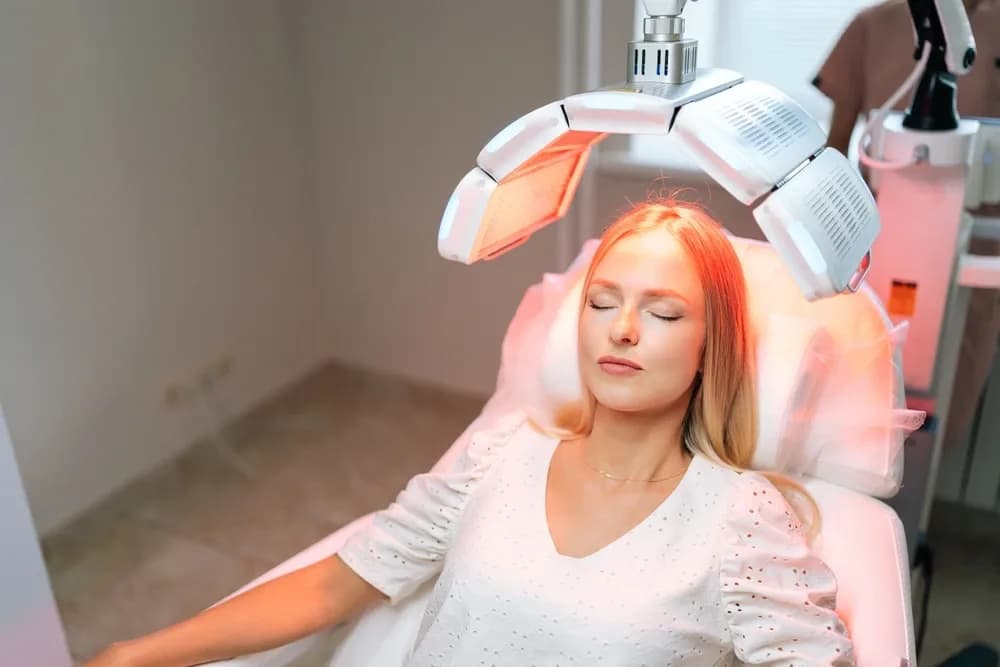
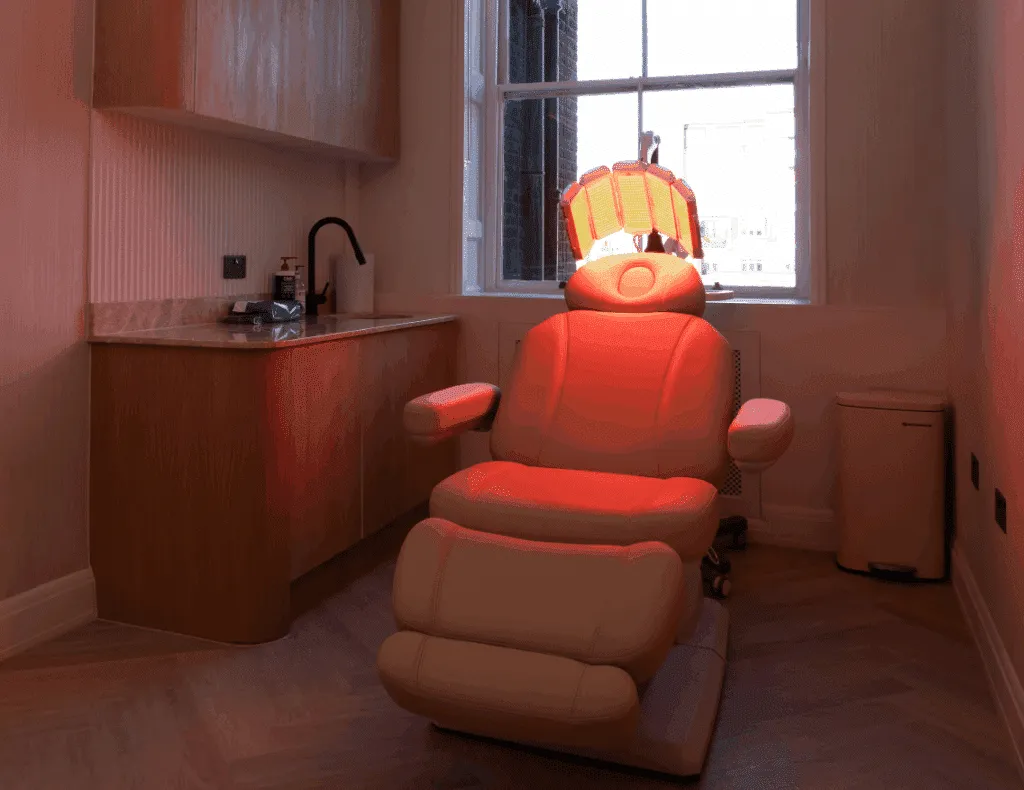
Clinics may use laser hoods or panels positioned over your head. A technician administers the treatment. These sessions often use devices with specifications similar to home units, though some clinics invest in higher-powered systems. The main advantage of in-office treatment is professional oversight. A clinician can monitor your progress, adjust protocols, and combine LLLT with other therapies. The disadvantage is cost and time. You must travel to the clinic for each session. Home devices require a larger upfront purchase but offer unlimited treatments. Many patients choose home devices for maintenance after an initial clinic protocol.
Does a Higher Number of Diodes Mean Better Results?
Not necessarily. Energy fluence, irradiance, wavelength, and treatment consistency matter more than diode count alone.
Manufacturers often market their devices based on the number of diodes. A cap with 300 diodes sounds more impressive than one with 100. However, more diodes do not automatically produce better outcomes. The total energy delivered depends on irradiance (power per unit area), treatment duration, and wavelength. A device with fewer diodes but higher irradiance might deliver more effective energy. Similarly, a device with many weak diodes spread too far apart might create gaps in coverage. You should evaluate the complete specification sheet. Look for wavelength, irradiance in milliwatts per square centimeter, recommended treatment time, and frequency. Evidence suggests that device and treatment parameters influence outcomes, while diode number alone is not necessarily predictive.
How Often Should You Use Laser Therapy for Hair Thinning?
Most protocols recommend several sessions per week, but you should follow your specific device's guidelines.
Treatment frequency varies by device and protocol. Clinical studies have used schedules ranging from three times weekly to daily. The manufacturer's instructions reflect the specific design and dose calculations for that device. You should follow these instructions rather than assuming that more frequent use will speed results.
How Frequently Is LLLT Usually Performed?
Most home devices recommend 3 to 5 sessions per week.
Research protocols often employ three to five sessions weekly. Some studies used every-other-day schedules. Others allowed daily use. The key is consistency over time. Sporadic use will not produce reliable results. You should integrate LLLT into your routine just as you would with any ongoing health practice. Set a schedule and stick to it. Missing occasional sessions will not ruin your progress, but frequent gaps reduce cumulative energy delivery. The follicles need repeated stimulation to shift their behavior.
Can You Use Laser Hair Therapy Every Day?
Daily use may not improve results and could potentially be less effective due to the biphasic dose response.
Photobiomodulation follows a biphasic dose-response curve. Low doses stimulate. Moderate doses stimulate more. Very high doses inhibit. This phenomenon means that more light does not always produce better results. If you exceed the optimal dose, you might actually reduce the biological response. This is why researchers caution against excessive treatment. Some devices are designed for daily use at a specific low dose. Others are designed for less frequent use at a higher per-session dose. You should not assume that doubling your sessions will double your hair growth. Stick to the protocol designed for your device.
How Long Does Each LLLT Session Take?
Sessions typically last 15 to 30 minutes depending on the device.
Treatment duration varies based on device power and design. Lower-power devices may require 25 to 30 minutes to deliver a therapeutic dose. Higher-power devices may achieve the same dose in 15 minutes. Distance from the scalp also matters. Devices that sit directly on the head deliver energy more efficiently than those held at a distance. Some in-office systems use higher irradiance and shorter durations. Home caps and helmets usually require 20 to 30 minutes per session. You should not shorten the recommended time. Incomplete sessions deliver suboptimal energy and may not trigger the desired cellular response.
How Long Does Laser Hair Therapy Take to Show Results?
Most patients notice changes after 3 to 6 months of consistent use.
Hair growth is biologically slow. A single hair grows approximately 1 centimeter per month. Follicles do not shift cycles overnight. You must set realistic expectations and commit to months of consistent treatment before evaluating results.
When Can You Expect the First Signs of Improvement?
Early signs typically appear around 12 to 16 weeks.
Some users report reduced shedding within the first month. However, visible increases in density usually take longer. By the third month, you might notice that hairs feel thicker or that your scalp appears less visible. Photographic comparison helps because daily mirror checks make gradual changes hard to detect. Standardized photos taken under consistent lighting reveal improvements that you might otherwise miss. You should not expect dramatic transformation in the first month. The follicles need time to shift from telogen to anagen and to produce longer, thicker shafts.
When Are Maximum Results Usually Evaluated?
Clinical trials typically assess maximum results at 24 to 26 weeks.
Most rigorous studies evaluate outcomes at 6 months. By this point, follicles that responded to treatment have had time to complete a growth cycle. Hair density measurements, photographic analysis, and patient self-assessment all converge around this timeframe. Some patients continue to improve beyond 6 months with ongoing treatment. However, the rate of improvement often slows after the initial response. The first 6 months capture the majority of measurable change. After that, LLLT primarily maintains the gains.
What Happens If You Stop Laser Hair Therapy?
Benefits typically diminish over time if you stop treatment, similar to other hair loss therapies.
LLLT does not cure androgenetic alopecia. It manages it. If you stop treatment, the underlying genetic and hormonal drivers continue to affect your follicles. Over months, you may lose the density gains you achieved. This pattern mirrors minoxidil and finasteride. These treatments also require ongoing use to maintain results. No high-quality long-term studies have tracked patients for years after stopping LLLT. However, the biological rationale suggests that continued stimulation is necessary. You should view LLLT as a long-term commitment, not a short-term fix.
Can Laser Hair Therapy Be Combined With Other Hair Loss Treatments?
Yes, LLLT combines well with minoxidil, finasteride, PRP, and post-transplant care for potentially enhanced results.
Combination therapy is common in hair loss management. Different treatments target different aspects of follicular biology. Combining them may produce synergistic effects. You should always consult a physician before starting multiple therapies.
Can You Use LLLT With Minoxidil?
Yes, combining LLLT with minoxidil is supported by some studies and makes mechanistic sense.
Minoxidil dilates blood vessels and opens potassium channels. LLLT improves mitochondrial function and local circulation. These mechanisms complement each other. Some randomized studies suggest potential benefit from combining LLLT and minoxidil, although findings are not uniformly superior across all studies. One trial found that patients using both minoxidil and LLLT showed greater improvement than those using minoxidil alone. However, not all combination studies reach statistical significance. The theoretical rationale remains strong. If you use both, apply minoxidil as directed and use LLLT at a separate time to avoid any interaction or interference.
Can LLLT Be Combined With Finasteride?
Yes, men often combine LLLT with finasteride for a multi-mechanism approach.
Finasteride blocks the conversion of testosterone to dihydrotestosterone. This addresses the hormonal driver of male pattern hair loss. LLLT addresses the cellular energy and vascular aspects. Together, they target both cause and symptom. Women should not use finasteride unless specifically prescribed by a specialist, and pregnant women must avoid any contact with the medication. Men combining finasteride with LLLT should maintain realistic expectations. Finasteride slows or halts progression. LLLT may stimulate regrowth. The combination offers a comprehensive strategy.
Can Laser Therapy Be Combined With PRP?
PRP and LLLT are increasingly used together, though high-quality comparative evidence is still emerging.
Platelet-rich plasma injections deliver growth factors directly to the scalp. LLLT stimulates cellular activity through light. Some clinicians offer both treatments in combination protocols. The rationale is that PRP provides biochemical signals while LLLT provides photonic energy. Early clinical use shows promise, but established evidence from large randomized trials remains limited. You should distinguish emerging clinical use from proven standard of care. If you choose this combination, seek a qualified physician who can administer PRP safely and monitor your response.
Can LLLT Support Hair Transplant Recovery?
Some clinicians use LLLT after transplants to support healing, though this application requires more research.
Hair transplantation redistributes follicles from donor areas to thinning areas. The grafts need to survive the trauma of extraction and implantation. Photobiomodulation may reduce inflammation, improve circulation, and support healing in the postoperative period. Some surgeons recommend LLLT beginning a few days after the procedure. However, this is an area requiring additional high-quality research rather than a guaranteed postoperative benefit. The evidence for transplant recovery is less robust than the evidence for androgenetic alopecia treatment. You should follow your surgeon's specific recommendations.
Is Laser Hair Therapy Safe for Hair Thinning?
LLLT has a favorable safety profile with generally mild and rare side effects.
Safety is one of LLLT's strongest selling points. Unlike medications that circulate through your body, LLLT acts locally. Unlike surgery, it requires no incisions or anesthesia. Most users tolerate it well.
What Side Effects Can LLLT Cause?
Side effects are usually mild and may include warmth, dryness, itching, or slight tenderness.
Reported adverse effects are limited and generally mild. Some users feel slight warmth during or after treatment. Others notice temporary scalp dryness or mild itching. A small number report tenderness at the treatment site. These effects typically resolve quickly and do not require discontinuation. Serious adverse events are rare. Unlike oral medications, LLLT does not cause systemic side effects such as sexual dysfunction, blood pressure changes, or hormonal disruption. However, individual responses vary. If you experience persistent discomfort, you should stop treatment and consult a clinician.
Is Low-Level Laser Therapy Non-Ionizing?
Yes, LLLT uses non-ionizing visible and near-infrared light.
This distinction matters for safety. Ionizing radiation, such as X-rays and gamma rays, carries enough energy to damage DNA and potentially cause cancer. Non-ionizing light does not. LLLT uses visible red and near-infrared wavelengths. These photons lack the energy to ionize atoms or break chemical bonds in DNA. The light works through photochemical pathways, not thermal destruction. You should not overstate cancer-safety conclusions beyond the available evidence, but the non-ionizing nature of this light provides a strong theoretical safety foundation.
Are There People Who Should Not Use LLLT?
People taking photosensitizing medications or with certain medical conditions should seek medical advice first.
Photosensitizing medications increase your skin's reaction to light. These include certain antibiotics, diuretics, and acne medications. If you take these drugs, light exposure might cause unexpected skin reactions. You should review your medication list with a physician. People with active skin cancers on the scalp should also consult a dermatologist before using LLLT. Pregnant women lack specific safety data for LLLT on the scalp, so caution is warranted. Always follow device-specific safety instructions. Do not stare directly into laser diodes, as they can damage your eyes. Most caps and helmets include safety features that prevent direct eye exposure during normal use.
What Are the Limitations of Laser Hair Therapy?
LLLT does not work for everyone, device variability complicates comparisons, and long-term data remains incomplete.
Despite promising evidence, LLLT has clear boundaries. Understanding these limitations helps you maintain realistic expectations and make informed decisions.
Why Does LLLT Not Work Equally Well for Everyone?
Outcomes vary based on diagnosis, severity, follicle health, device quality, adherence, and individual biology.
Several factors influence your response. Different causes of hair loss respond differently. Androgenetic alopecia has the best evidence. Other conditions may not respond at all. Disease severity matters. Advanced miniaturization leaves fewer viable follicles to stimulate. Follicular viability is essential. If your follicles are gone, light cannot help. Device characteristics play a huge role. A weak or poorly designed device may deliver insufficient energy. Treatment adherence determines cumulative dose. Skipping sessions reduces effectiveness. Finally, individual biological response varies. Some people's cells may be more responsive to photobiomodulation than others. Genetics, age, and overall health all contribute.
Why Is It Difficult to Compare Different Laser Devices?
Devices vary in wavelength, irradiance, fluence, pulse pattern, diode arrangement, and scalp coverage, making direct comparisons challenging.
The LLLT device market lacks standardization. One device might use 650 nm light at 5 mW/cm² for 20 minutes. Another might use 808 nm at 15 mW/cm² for 15 minutes. These differences make it impossible to declare one device universally superior. Wavelength, irradiance, fluence, exposure duration, pulse pattern, number and arrangement of diodes, scalp coverage, and contact distance all influence outcomes. A study on one device does not automatically apply to another. This heterogeneity frustrates both clinicians and consumers. Until more head-to-head comparative trials exist, you must evaluate each device on its own specifications and evidence.
What Are the Main Gaps in Current Research?
Researchers need more long-term follow-up, standardized protocols, larger samples, and comparative device trials.
The existing literature has limitations. Most studies follow patients for 6 months or less. We need data on 2-year, 5-year, and 10-year outcomes. Treatment protocols vary widely. Standardization would help clinicians replicate positive results. Different device technologies make meta-analysis challenging. Some studies have small sample sizes, reducing statistical power. We need larger, multi-center trials. Outcome measures also differ. Some studies count hairs. Others measure density. Still others rely on patient satisfaction. Standardized photography and trichoscopy would improve comparability. Finally, we need direct comparative trials between devices and treatment parameters. These gaps do not invalidate existing evidence, but they do leave questions unanswered.
How Does Laser Hair Therapy Compare With Other Hair-Thinning Treatments?
LLLT offers a non-invasive option with a strong safety profile, but medications and surgery may provide more robust results for some patients.
Choosing a hair loss treatment requires comparing mechanisms, evidence, convenience, and side effects. LLLT occupies a specific niche in the treatment landscape.
LLLT vs. Minoxidil
Minoxidil has stronger long-term evidence and FDA approval for hair growth, but LLLT offers fewer systemic side effects.
Feature | LLLT | Minoxidil |
Mechanism | Photobiomodulation, mitochondrial stimulation | Vasodilation, potassium channel opening |
Evidence | Moderate, growing | Extensive, decades of use |
Administration | Device-based, time commitment | Topical application twice daily |
Side Effects | Mild warmth, dryness | Scalp irritation, initial shedding, rare systemic effects |
Long-term Maintenance | Required | Required |
Cost | Device purchase, then minimal | Ongoing purchase |
Minoxidil remains the first-line topical treatment for both men and women. It has more extensive evidence and established FDA approval for hair growth. However, some users experience irritation, unwanted facial hair, or compliance challenges with twice-daily application. LLLT avoids systemic exposure but requires session time. Some patients use both.
LLLT vs. Finasteride
Finasteride targets hormonal causes in men with strong evidence, while LLLT offers a non-hormonal, non-systemic alternative.
Feature | LLLT | Finasteride |
Mechanism | Cellular energy stimulation | DHT reduction |
Patient Eligibility | Men and women | Men primarily; women with caution |
Safety | Local effects only | Potential sexual side effects, mood changes |
Evidence | Moderate | Strong for men |
Prescription Needed | No | Yes |
Long-term Use | Ongoing | Ongoing |
Finasteride works well for men but carries a risk of sexual and psychological side effects that concern some patients. LLLT offers a side-effect profile that many find more acceptable. However, finasteride addresses the root hormonal cause, while LLLT addresses the cellular symptom.
LLLT vs. PRP
PRP involves injections and clinic visits with emerging evidence, while LLLT is non-invasive and more convenient.
Feature | LLLT | PRP |
Method | Light exposure | Blood draw, centrifugation, injection |
Invasiveness | Non-invasive | Minimally invasive |
Evidence | Moderate, more established | Emerging, less standardized |
Treatment Burden | Home use possible | Clinic visits, repeated blood draws |
Cost | One-time device or clinic fees | Recurring procedure costs |
Side Effects | Minimal | Injection pain, bruising, infection risk |
PRP delivers growth factors directly but requires needles and clinical expertise. LLLT offers convenience and comfort. Evidence favors LLLT for home use, while PRP remains primarily a clinic-based option.
LLLT vs. Hair Transplantation
Transplants redistribute permanent follicles surgically, while LLLT stimulates existing follicles non-surgically.
Feature | LLLT | Hair Transplantation |
Approach | Non-surgical stimulation | Surgical redistribution |
Existing Follicles | Stimulates them | Relies on donor follicles |
New Follicles | No | Redistributes existing ones |
Recovery | None | Several days to weeks |
Scarring | None | Donor scar (FUT) or tiny scars (FUE) |
Cost | Lower | Higher |
Permanence | Requires maintenance | Transplanted hair is permanent |
Hair transplantation offers the only permanent solution for advanced baldness. It moves follicles from the back of the head to thinning areas. LLLT cannot replace transplantation for someone with extensive hair loss. However, LLLT can complement transplants by maintaining native hair and supporting graft healing.
How Can Patients Choose a Laser Hair Therapy Device?
Evaluate wavelength, irradiance, fluence, treatment time, coverage, light source, and regulatory status rather than marketing claims alone.
The device market overflows with options. Making an informed choice requires looking past flashy advertising and focusing on technical specifications and evidence.
Which Device Specifications Should You Check?
Check wavelength, irradiance, energy fluence, treatment duration, frequency, coverage, light source type, and regulatory status.
Before purchasing any device, review these specifications:
Specification | Why It Matters | What to Look For |
Wavelength | Determines penetration and target activation | 650–680 nm or 800–850 nm |
Irradiance | Power density affects biological response | Typically 5–20 mW/cm² |
Energy Fluence | Total energy delivered per session | Should match effective clinical doses |
Treatment Duration | Determines convenience and adherence | 15–30 minutes per session |
Treatment Frequency | Affects cumulative dose | 3–5 times weekly typical |
Scalp Coverage | Ensures all thinning areas receive light | Full coverage preferred |
Light Source Type | Laser vs. LED affects coherence and cost | Both can work if parameters are right |
Regulatory Status | Indicates manufacturing standards | FDA-cleared or equivalent |
A device that lists none of these specifications should raise red flags. Reputable manufacturers provide detailed technical data.
Does FDA Clearance Prove That a Laser Device Will Regrow Hair?
No. FDA clearance confirms regulatory compliance and safety, not guaranteed efficacy for every user.
This distinction confuses many consumers. FDA clearance for a laser hair device means the FDA has reviewed the device for safety and substantial equivalence to previously cleared devices. It does not mean the FDA has conducted independent clinical trials proving that the device will regrow your hair. Nebraska Medicine specifically notes that FDA clearance confirms regulatory status but does not itself establish rigorous proof that every device will be effective. Clearance is a necessary but not sufficient condition for choosing a device. You should also look for peer-reviewed clinical studies on that specific device model. Marketing that shouts "FDA Cleared!" without supporting efficacy data should not sway your decision alone.
Should You Choose a Laser Comb, Cap, Helmet, or Band?
Choose based on convenience, coverage, and your ability to adhere to the protocol, not just price or features.
Device Type | Best For | Advantages | Limitations |
Laser Comb | Targeted areas, budget-conscious users | Lower cost, portable | Requires manual use, risk of missed spots |
Laser Cap | Daily home use, discretion | Hands-free, fits under hats | Variable coverage, battery dependence |
Laser Helmet | Full scalp coverage | Comprehensive coverage, hands-free | Bulkier, higher cost |
Laser Band | Flexible positioning | Adjustable coverage | Requires holding or securing |
Your choice should prioritize adherence. A helmet you will wear consistently beats a comb that sits in your drawer. A cap you can wear while working beats a helmet that feels cumbersome. Coverage matters too. If you have diffuse thinning, you need broad coverage. If you have a small thinning patch, targeted treatment might suffice.
What Should You Expect During a Laser Hair Therapy Program?
Expect an initial consultation, regular light-exposure sessions, and periodic progress assessments over several months.
Understanding the treatment journey helps you commit to the process. LLLT is not a one-time fix. It is a program that requires planning and patience.
What Happens Before Treatment?
A clinician takes your history, examines your scalp, diagnoses your condition, and assesses your candidacy.
Before starting LLLT, you should undergo a proper evaluation. A dermatologist or hair specialist will take a detailed hair-loss history. They will ask about onset, pattern, family history, and associated symptoms. They will examine your scalp with dermoscopy to assess hair density, miniaturization, and scalp health. They may order blood tests to rule out thyroid disease, iron deficiency, or hormonal disorders. They will review your medications and medical conditions. This evaluation determines whether LLLT is appropriate for you. It also establishes a baseline for measuring progress. Photographic documentation under standardized conditions provides a reference point.
What Happens During an LLLT Session?
You position the device on your scalp and receive light exposure for the recommended duration with no pain or downtime.
During a session, you position the device according to the instructions. For a cap or helmet, you simply wear it. For a comb, you slowly move it across your scalp. You typically feel nothing more than mild warmth or no sensation at all. The treatment requires no surgical incisions, no injections, and no anesthesia. You can resume normal activities immediately. In-office sessions might involve a technician placing a hood or panel over your head. Home sessions allow you to multitask. The experience is entirely non-invasive.
How Should Progress Be Measured?
Use standardized photographs, hair-density measurements, and consistent self-assessment over 6 months.
Objective measurement prevents placebo-driven optimism or unnecessary discouragement. Standardized photographs taken at the same angle, distance, and lighting reveal gradual changes. Trichoscopy measures hair density and shaft diameter quantitatively. Some clinics use phototrichogram analysis. Patient-reported outcomes matter too, but they are subjective. You might feel your hair is thicker while photos show minimal change, or vice versa. Combining objective and subjective measures gives the clearest picture. You should schedule assessments at 3 months, 6 months, and 12 months.
What Are the Most Important Myths About Laser Hair Therapy?
LLLT does not cure hair loss permanently, more energy does not mean faster growth, and results do not appear immediately.
Misinformation surrounds laser hair therapy. Debunking these myths protects you from unrealistic expectations and poor purchasing decisions.
Does Laser Therapy Permanently Cure Hair Loss?
No. LLLT manages hair loss but does not permanently cure it.
Androgenetic alopecia is a chronic, progressive condition. LLLT can slow progression and stimulate regrowth, but it does not alter your genetics or hormones permanently. If you stop treatment, the underlying process resumes. Think of LLLT like brushing your teeth or exercising. The benefits last only with continued effort. Any claim that LLLT offers a permanent cure is false.
Does More Laser Energy Produce Faster Hair Growth?
No. The biphasic dose response means excessive energy can inhibit rather than stimulate growth.
Some consumers assume that cranking up the power or doubling session time will accelerate results. Photobiomodulation does not work this way. The Arndt-Schulz curve and biphasic dose response demonstrate that low doses stimulate, moderate doses stimulate optimally, and high doses inhibit. More energy can overwhelm cellular mechanisms and shut down the response. Follow the recommended protocol. Do not improvise.
Can LLLT Regrow Hair on Completely Scarred Follicles?
No. Destroyed follicles cannot be stimulated back to life.
This myth causes real harm. Patients with scarring alopecias sometimes waste months or years on LLLT while their condition progresses. If a follicle has been destroyed by inflammation, surgery, or long-standing baldness, it is gone. LLLT stimulates living follicles. It does not perform miracles. A dermatologist can tell you whether your follicles are still viable.
Are All Red-Light Devices Equally Effective?
No. Wavelength, power, dosage, delivery method, and treatment schedule all determine effectiveness.
The market floods with cheap red-light devices claiming hair-growth benefits. A $30 red LED panel from an online marketplace is not equivalent to a clinically tested laser cap. Wavelength accuracy, power stability, and dose consistency vary enormously. A device that emits red light at the wrong wavelength or insufficient power will not trigger photobiomodulation. You should choose devices with documented specifications and clinical evidence.
Does Laser Hair Therapy Work Immediately?
No. Hair growth cycles require months to show visible change.
Some marketing materials imply results within weeks. This is biologically impossible. Hair grows slowly. Follicles must shift phases and produce new shafts. You should expect 3 to 6 months before visible improvement. Anyone promising immediate results is misleading you.
Is Laser Hair Therapy for Hair Thinning Worth Considering?
Yes, for people with early to moderate androgenetic alopecia who want a non-invasive, evidence-supported option with a strong safety profile.
Laser hair therapy rests on a solid biological rationale. Photobiomodulation stimulates mitochondrial activity, potentially prolongs the anagen phase, and improves local circulation. Clinical evidence from randomized trials, systematic reviews, and meta-analyses supports a potential increase in hair density for selected patients with pattern hair loss. However, outcomes depend on multiple factors. Your diagnosis must be correct. Your follicles must remain viable. Your device must deliver appropriate wavelength, irradiance, and dose. You must adhere to the treatment protocol consistently.
LLLT is not a universal cure. It will not restore hair to someone with advanced baldness. It will not treat scarring alopecias. It will not replace hair transplantation for severe cases. But it offers a genuine non-invasive option for millions of people in the early to middle stages of androgenetic alopecia. Its safety profile compares favorably to medications. Its convenience appeals to those who prefer device-based therapy over pills or topicals.
You should seek professional diagnosis before purchasing a home-use device. A dermatologist can confirm that you have androgenetic alopecia, rule out reversible causes, and help you integrate LLLT into a broader treatment plan if appropriate. Set realistic expectations. Expect gradual improvement over months, not days. Expect to continue treatment to maintain results. With the right approach, laser hair therapy can be a valuable tool in your hair restoration journey.
Frequently Asked Questions About Laser Hair Therapy for Hair Thinning
Does laser hair therapy really work for thinning hair?
Yes, clinical studies show that LLLT can increase hair density in people with androgenetic alopecia, though individual results vary.
Multiple randomized controlled trials support the efficacy of LLLT for pattern hair loss. Meta-analyses confirm statistically significant improvements compared with sham devices. However, it does not work for all types of hair loss, and results depend on device quality and consistent use.
How long does laser hair therapy take to work?
Most users see initial results after 3 to 6 months of consistent treatment.
Hair grows slowly. Follicles need time to shift from resting to growth phases. Clinical trials typically evaluate outcomes at 24 weeks. You should commit to at least 6 months before judging effectiveness.
How often should you use LLLT for hair loss?
Most protocols recommend 3 to 5 sessions per week, but follow your specific device's instructions.
Treatment frequency varies by device design and power output. Some devices are designed for daily use at lower doses. Others recommend every-other-day sessions. Consistency matters more than exact frequency.
Can laser therapy regrow miniaturized hair?
LLLT may help miniaturized follicles produce thicker, longer hairs, but it cannot regenerate destroyed follicles.
Miniaturized follicles in androgenetic alopecia remain structurally intact. LLLT can stimulate them to function better. However, once a follicle has been permanently destroyed, no therapy can bring it back.
Is red light therapy the same as LLLT?
They overlap, but LLLT is a broader term that includes both laser and LED sources across red and near-infrared wavelengths.
Red light therapy usually refers to visible red light. LLLT includes both red and near-infrared wavelengths and encompasses both laser and non-laser light sources.
Does laser hair therapy work for women?
Yes, clinical trials demonstrate benefits for women with female pattern hair loss.
Women with Ludwig stage I or II pattern hair loss have shown measurable improvements in hair density. However, women should rule out other causes of thinning, such as thyroid disease or iron deficiency, before starting LLLT.
Does laser hair therapy work for male pattern baldness?
Yes, men with early to moderate androgenetic alopecia show increased hair counts in clinical studies.
Men with Norwood stages II through IV typically respond better than those with advanced baldness. The key is having viable follicles available for stimulation.
Can I use a laser cap with minoxidil?
Yes, combining LLLT with minoxidil is common and supported by some clinical evidence.
The two treatments work through different mechanisms. Some studies suggest combination therapy outperforms minoxidil alone. Apply minoxidil and use LLLT at different times of day for best results.
Are laser caps safe?
Yes, laser caps have a favorable safety profile with generally mild and rare side effects.
Reported adverse effects include mild warmth, dryness, or itching. LLLT uses non-ionizing light. Follow manufacturer safety instructions and consult a physician if you take photosensitizing medications.
What wavelength is best for hair growth?
The 650–680 nm range has the strongest evidence, though 800–850 nm near-infrared also shows promise.
Wavelength matters, but it is not the only factor. Irradiance, treatment duration, and total energy dose also determine effectiveness.
Can laser therapy restore permanently lost hair?
No. LLLT cannot regenerate follicles that have been permanently destroyed by scarring or long-standing baldness.
It only stimulates existing, viable follicles. Advanced baldness with smooth, shiny scalp has no remaining follicles to treat.
What happens when you stop laser hair therapy?
Benefits typically diminish over several months after stopping, similar to minoxidil.
LLLT manages hair loss rather than curing it. Continued treatment is necessary to maintain results. Without maintenance, the underlying condition progresses.
Is LLLT better than minoxidil for hair thinning?
Neither is universally better. Minoxidil has stronger evidence, but LLLT offers fewer systemic side effects.
Some patients prefer LLLT for convenience and safety. Others prefer minoxidil for its established track record. Many use both.
Should I see a dermatologist before using a laser hair-growth device?
Yes. A dermatologist can confirm your diagnosis, rule out reversible causes, and ensure LLLT is appropriate for you.
Self-diagnosing hair loss is risky. Conditions like scarring alopecia, thyroid disease, or iron deficiency require different treatments. Professional evaluation protects you from wasting time and money on inappropriate therapy.
References
Avci, Parviz, et al. "Low-Level Laser (Light) Therapy (LLLT) for Treatment of Hair Loss." Lasers in Surgery and Medicine, vol. 46, no. 2, 2014, pp. 144–151.
Jimenez, Joaquin J., et al. "Efficacy and Safety of a Low-Level Laser Device in the Treatment of Male and Female Pattern Hair Loss: A Multicenter, Randomized, Sham Device-Controlled, Double-Blind Study." American Journal of Clinical Dermatology, vol. 15, no. 2, 2014, pp. 115–127.
Lanzafame, Raymond J., et al. "The Growth of Human Scalp Hair Mediated by Visible Red Light Laser and LED Sources in Males." Lasers in Surgery and Medicine, vol. 45, no. 8, 2013, pp. 487–495.
Leavitt, Matt, et al. "HairMax LaserComb Laser Phototherapy Device in the Treatment of Male Androgenetic Alopecia: A Randomized, Double-Blind, Sham Device-Controlled, Multicentre Trial." Clinical Drug Investigation, vol. 29, no. 5, 2009, pp. 283–292.
Zarei, Mina, et al. "Low Level Laser Therapy for Hair Loss: A Systematic Review and Meta-Analysis." Journal of Cosmetic and Laser Therapy, vol. 18, no. 3, 2016, pp. 147–153.
Gupta, Aditya K., et al. "Low-Level Laser Therapy as a Treatment for Androgenetic Alopecia." Archives of Dermatological Research, vol. 310, no. 4, 2018, pp. 271–278.
Egger, Annette, et al. "Examining the Safety and Efficacy of Low-Level Laser Therapy for Male and Female Pattern Hair Loss: A Review of the Literature." Journal of Cosmetic Dermatology, vol. 19, no. 5, 2020, pp. 1089–1095.
Munck, Amanda, et al. "Photobiomodulation and Hair Regrowth: An Evidence-Based Review." Dermatologic Therapy, vol. 33, no. 6, 2020, e14223.
Papaleo, Elizabeth, et al. "Low-Level Laser Therapy for Androgenetic Alopecia: A Review." Skin Appendage Disorders, vol. 7, no. 4, 2021, pp. 268–274.
Gentile, Pietro, and Simone Garcovich. "Systematic Review of Platelet-Rich Plasma Use in Androgenetic Alopecia Compared with Minoxidil, Finasteride, and Adult Stem Cell-Based Therapy." International Journal of Molecular Sciences, vol. 21, no. 8, 2020, 2702.