
Laser Hair Therapy Cost, Treatment Options, and Value?
Laser hair therapy cost ranges from two hundred dollars for basic at-home devices to over four thousand dollars for full in-clinic treatment packages.
Laser hair therapy cost ranges from two hundred dollars for basic at-home devices to over four thousand dollars for full in-clinic treatment packages. Patients seeking non-invasive hair restoration often ask about pricing first. This guide explains every factor that influences laser hair therapy cost. It covers Low-Level Laser Therapy cost, LLLT hair treatment price, and the value patients receive for their investment. Readers will learn about in-clinic laser hair therapy, at-home laser hair devices, and how treatment choices affect total expenses.
What Is Laser Hair Therapy?
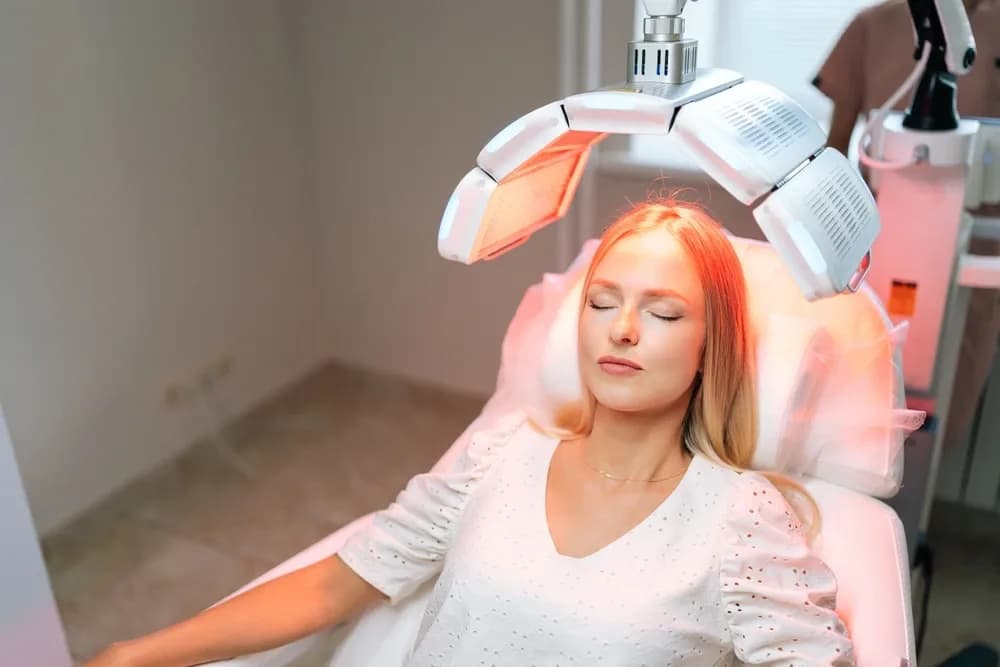
Laser hair therapy uses medical-grade light energy to stimulate hair follicles and promote natural hair regrowth. This treatment offers a non-surgical path to better hair density.
What Does Low-Level Laser Therapy (LLLT) Mean?
Low-Level Laser Therapy (LLLT) uses red light wavelengths between six hundred and fifty nanometers and nine hundred nanometers to penetrate the scalp. This light triggers photobiomodulation in hair follicle cells. Photobiomodulation increases cellular energy through ATP production. Higher ATP levels give follicles more fuel to enter the anagen phase. The anagen phase represents the active growth stage of the hair cycle. LLLT also improves blood circulation around the follicle. Better blood flow delivers more oxygen and nutrients. Reduced inflammation creates a healthier environment for growth. Avci et al. (2014) reviewed clinical data and confirmed that LLLT promotes hair regrowth through these cellular mechanisms.
How Does Laser Hair Therapy Work?
Laser hair therapy works through photobiomodulation. Red light photons absorb into mitochondrial chromophores within follicle cells. This absorption boosts ATP production and cellular metabolism. The treatment supports the natural hair growth cycle. It stimulates the anagen phase and shortens the telogen phase. The telogen phase represents the resting stage where shedding occurs. LLLT provides a non-invasive treatment mechanism. Patients sit under a laser device or wear a laser cap. The light reaches the scalp without cutting, burning, or injecting anything. Jimenez and Wikramanayake (2014) demonstrated that this mechanism produces measurable improvements in hair density.
What Does FDA Clearance and Clinical Evidence Show?
FDA-cleared laser devices have passed rigorous safety and efficacy testing. The FDA has cleared multiple laser caps, laser helmets, and laser combs for treating androgenetic alopecia. Clinical studies show expected improvements in hair count and thickness after twelve to twenty-six weeks of consistent use. Leavitt et al. (2009) found that patients using FDA-cleared laser devices showed significant hair growth compared to control groups. However, treatment limitations exist. LLLT cannot restore hair on completely bald areas where follicles have died. It works best for early-stage thinning and active follicle stimulation.
How Much Does Laser Hair Therapy Cost Overall?
Laser hair therapy cost varies widely based on treatment setting, device quality, and location. In-clinic sessions cost between fifty and one hundred fifty dollars each. At-home laser hair devices range from two hundred to nine hundred dollars. Full treatment packages at medical clinics often cost between one thousand and four thousand dollars. Patients must consider both upfront investment and long-term maintenance expenses.
What Is the Average Cost of In-Clinic Laser Hair Therapy?
In-clinic laser hair therapy costs fifty to one hundred fifty dollars per session. Most clinics sell treatment packages of ten to twenty sessions. These packages typically cost eight hundred to two thousand dollars. Monthly expenses for ongoing maintenance range from two hundred to six hundred dollars. Annual treatment costs for regular in-clinic care can reach two thousand to four thousand dollars. Dermatologists and hair restoration specialists often include scalp analysis and progress tracking in these packages.
What Is the Cost of At-Home Laser Hair Devices?
At-home laser hair devices offer a lower entry point for patients. Laser caps cost between three hundred and nine hundred dollars. Laser helmet price points range from four hundred to one thousand two hundred dollars. Laser combs cost one hundred to three hundred dollars. Laser bands fall between two hundred and five hundred dollars. These devices provide convenience but require patient discipline. Patients must use them three to four times per week for several months.
How Do Professional Treatments Compare to Home Devices?
Professional treatments and home devices differ in cost structure and supervision. The table below shows key differences.
Factor | In-Clinic Treatment | At-Home Device |
Upfront Investment | $800–$2,000 | $200–$1,200 |
Long-Term Costs | $2,000–$4,000/year | $0–$500/year |
Maintenance Expenses | $200–$600/month | $0 (after purchase) |
Convenience | Requires appointments | Use anytime at home |
Supervision | Medical professional monitors | Self-administered |
In-clinic treatments offer expert guidance and medical-grade equipment. At-home devices provide flexibility and lower hair restoration cost over time.
What Factors Affect Laser Hair Therapy Cost?
Several factors determine the final price patients pay for laser hair therapy. Device type, clinic location, provider experience, treatment frequency, and hair loss severity all play roles.
How Does the Type of Laser Device Influence Price?
Medical-grade equipment costs more than home-use devices. Professional clinics use machines with higher laser diode counts. More diodes cover larger treatment areas. A device with two hundred seventy-two diodes costs more than one with eighty-two diodes. Treatment coverage area also affects price. Full-scalp systems cost more than partial-coverage bands. FDA-cleared laser hair devices with advanced technology command higher prices.
How Does Clinic Location Affect Pricing?
Geographic pricing differences create significant cost variation. Urban clinics in major cities charge more than rural clinics. Country-specific pricing also matters. Clinics in the United States often charge more than clinics in other regions. High-rent districts pass location costs to patients. Patients should compare local options before committing.
How Does Provider Experience Impact Cost?
A board-certified dermatologist charges more than a technician at a cosmetic center. Hair restoration specialists with years of LLLT experience often price packages higher. Medical clinics with full diagnostic capabilities cost more than basic cosmetic centers. However, experienced providers deliver better patient candidacy assessments and treatment customization.
How Does Treatment Frequency Change the Total Price?
Most protocols require two to three sessions per week during the initial phase. The number of weekly sessions directly multiplies total cost. Total treatment duration typically spans three to six months. Some patients need twelve months for optimal results. Maintenance schedule requirements add ongoing expenses. Patients who need long-term therapy face higher cumulative costs.
How Does Severity of Hair Loss Affect Treatment Cost?
Early thinning requires fewer sessions and lower total investment. Moderate hair loss needs more intensive protocols. Advanced hair loss often demands combination treatment with PRP or medications. Combination therapy increases overall hair loss treatment cost. Patients with early-stage androgenetic alopecia spend less than patients with advanced male pattern baldness or female pattern hair loss.
What Does a Typical Laser Hair Therapy Treatment Plan Include?
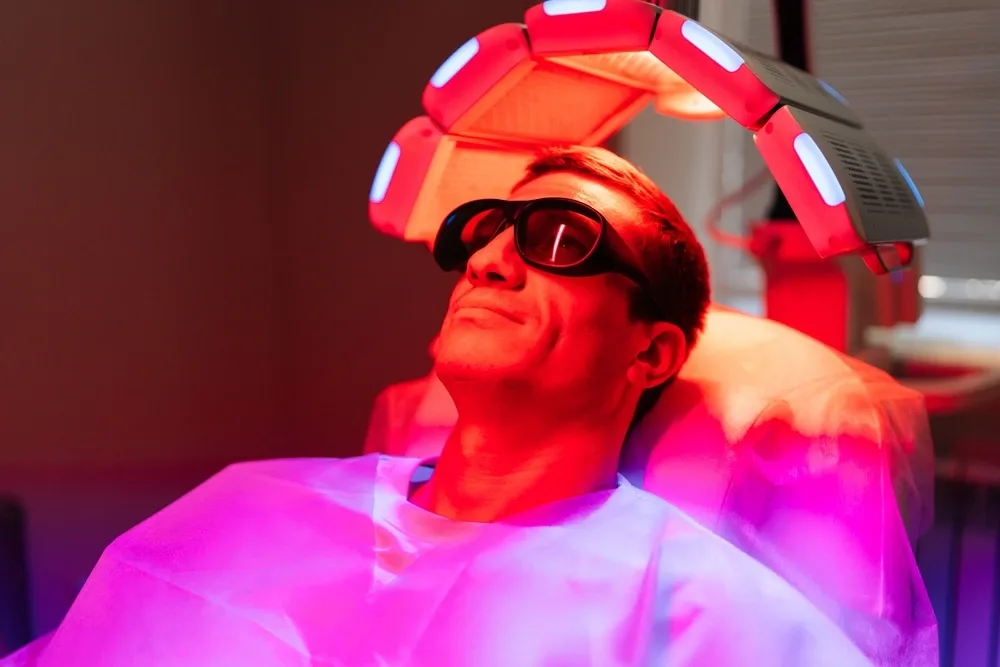
A standard plan includes an intensive start phase followed by long-term maintenance. Most patients see initial results within twelve to sixteen weeks.
What Happens During the Initial Treatment Phase?
The initial treatment phase lasts three to six months. Patients attend sessions two to three times per week. Each session lasts fifteen to thirty minutes. Most patients notice reduced shedding within eight to twelve weeks. Visible new growth typically appears after sixteen weeks. Kim et al. (2011) confirmed that patients following this schedule showed significant improvement in a sixteen-week randomized trial.
What Do Maintenance Treatments Involve?
Maintenance treatments prevent future shedding and sustain results. Patients transition to one or two sessions per month. Long-term therapy continues indefinitely for most patients. Preventing future shedding requires consistency. Annual maintenance costs range from five hundred to two thousand dollars depending on the setting.
Is Laser Hair Therapy Worth the Cost?
Laser hair therapy offers strong value for the right patients. It provides non-surgical hair restoration with minimal risk.
What Benefits Does Laser Hair Therapy Offer Beyond Hair Growth?
This treatment delivers a non-surgical approach to hair loss. Patients experience no recovery time. They return to normal activities immediately after each session. Minimal discomfort occurs during treatment. Most patients feel only gentle warmth. The approach is safe for repeated use. Patients can undergo LLLT for years without cumulative damage.
Who Gets the Best Results from Laser Hair Therapy?
Patients with androgenetic alopecia respond best. Male pattern hair loss in early stages shows excellent outcomes. Female pattern hair loss also improves with consistent treatment. Early-stage thinning produces the strongest results. Patients with active follicles see better hair density than patients with dormant scalp areas. Suchonwanit et al. (2019) confirmed that LLLT effectively treats androgenetic alopecia in both men and women.
When Might Results Be Limited?
Advanced baldness limits success. LLLT cannot revive dead follicles. Scar-related hair loss from burns or surgery rarely responds. Certain medical conditions like autoimmune disorders may reduce effectiveness. Untreated nutritional deficiencies undermine results. Patients should correct iron, vitamin D, and thyroid issues before starting LLLT.
How Does Laser Hair Therapy Compare to Other Hair Loss Treatments?
Patients should compare laser hair therapy cost against alternatives. Each option carries different pricing, commitment, and outcomes. The table below summarizes key differences across major treatment categories.
Treatment | Upfront Cost | Ongoing Cost | Invasive | Recovery Time | Best For |
Laser Hair Therapy | $200–$4,000 | $0–$600/month | No | None | Early thinning |
PRP | $500–$2,000/session | $500–$1,000/year | Minimally | None | Mild to moderate loss |
Hair Transplant | $4,000–$15,000 | Minimal | Yes | 1–2 weeks | Advanced loss with donor hair |
Medications | $20–$50/month | $20–$50/month | No | None | Ongoing maintenance |
How Does Laser Hair Therapy Compare to PRP?
PRP vs laser therapy cost shows clear differences. PRP injections cost five hundred to two thousand dollars per session. Most patients need three to six sessions initially. Laser therapy costs less per session but requires more frequent visits. PRP demands blood draws and injections. LLLT offers a painless alternative. Both treatments show effectiveness for hair regrowth. Maintenance for both requires ongoing sessions. Some patients choose combination therapy for enhanced results.
How Does Laser Hair Therapy Compare to Hair Transplant?
Hair transplant vs laser therapy cost differs dramatically. Hair transplants cost four thousand to fifteen thousand dollars for a single procedure. Laser therapy costs a fraction of that amount. However, transplants offer permanent follicle relocation. LLLT requires ongoing maintenance. Candidate suitability varies. Transplants suit patients with sufficient donor hair. Laser therapy suits patients with thinning who want to avoid surgery. Recovery differences are stark. Transplants need one to two weeks of downtime. LLLT needs zero recovery time.
How Does Laser Hair Therapy Compare to Medications?
Minoxidil costs thirty to fifty dollars monthly. Finasteride costs twenty to sixty dollars monthly. Laser devices require higher upfront investment but lower ongoing costs. Combination therapy using LLLT plus Minoxidil often produces better clinical outcomes than either treatment alone. Zarei et al. (2016) noted that combination approaches improve results. Ongoing expenses for medications accumulate over years. A one-time laser device purchase may offer better cost-effectiveness for long-term use.
What Hidden Costs Should Patients Consider?
The advertised price rarely tells the full story. Patients should budget for additional expenses.
How Much Do Consultation Fees Add?
Initial consultation fees range from zero to three hundred dollars. Some clinics waive this fee with package purchase. Others charge separately for scalp analysis and treatment planning.
What Do Follow-Up Appointments Cost?
Follow-up appointments track progress and adjust protocols. These visits cost fifty to one hundred fifty dollars each. Most packages include two to four follow-ups. Additional visits add to total expense.
What Do Maintenance Treatments Cost Long-Term?
Maintenance treatments continue for years. Monthly maintenance sessions cost fifty to one hundred fifty dollars each. Annual maintenance costs accumulate significantly. Patients should calculate five-year totals before starting.
How Much Does Combination Therapy Cost?
Many patients combine LLLT with PRP, medications, or supplements. PRP adds five hundred to two thousand dollars per session. Minoxidil adds thirty to fifty dollars monthly. Supplements like biotin cost ten to thirty dollars monthly. Scalp treatments at clinics add twenty to fifty dollars per visit. These additions raise total hair restoration cost substantially.
What Device Replacement or Warranty Costs Exist?
At-home devices may need replacement after three to five years. Some manufacturers offer warranties. Extended warranties cost fifty to one hundred dollars. Device replacement represents a hidden long-term expense.
Can Insurance Cover Laser Hair Therapy?
Insurance coverage for LLLT remains limited. Most insurers classify hair loss treatment as cosmetic.
How Do Insurance Companies View Cosmetic vs Medical Treatment?
Insurance companies typically deny claims for laser hair therapy. They classify it as cosmetic treatment rather than medically necessary care. Some exceptions exist for hair loss caused by chemotherapy or trauma. Patients should verify coverage with their specific provider.
Can Patients Use Flexible Spending Accounts?
Some Flexible Spending Accounts reimburse laser hair therapy. Patients need a letter of medical necessity from a doctor. Conditions like alopecia areata may qualify. Patients should check FSA guidelines before purchasing.
Can Patients Use Health Savings Accounts?
Health Savings Accounts offer more flexibility than FSA plans. Some HSA administrators allow LLLT purchases with pre-tax dollars. Again, medical necessity documentation helps. Patients should contact their HSA administrator for confirmation.
What Financing Options Exist?
Many clinics offer payment plans. Third-party medical financing companies provide loans for hair restoration. Monthly payments range from fifty to three hundred dollars. Interest rates vary. Patients should compare financing terms before committing.
How Can Patients Choose the Right Laser Hair Therapy Provider?
Selecting the right provider ensures safety and results. Patients should research credentials and device quality.
What Questions Should Patients Ask Before Treatment?
Patients should prepare specific questions for their consultation. Clear answers build confidence and prevent surprises.
Is the Device FDA-Cleared?
FDA-cleared devices meet safety standards. Patients should verify clearance on the FDA website. Uncleared devices carry unknown risks.
How Many Treatments Are Included?
Packages vary widely. Some include ten sessions. Others include twenty or more. Patients need clarity on session count.
Are Maintenance Sessions Required?
Most patients need ongoing maintenance. Providers should explain the maintenance schedule upfront. Patients should know long-term commitment requirements.
What Results Are Realistic?
Honest providers explain treatment limitations. They show before-and-after photos from actual patients. They explain that LLLT improves existing follicles but cannot create new ones.
Are Combination Therapies Recommended?
Some patients benefit from combining LLLT with PRP or Minoxidil. Providers should explain if combination therapy suits the patient's specific case.
How Can Patients Maximize Their Investment?
Smart strategies improve results and protect the financial investment.
Why Should Patients Follow the Recommended Treatment Schedule?
Consistency drives results. Skipping sessions slows progress. Patients who follow protocols see faster improvements. Lanzafame et al. (2013) showed that regular light exposure produces better hair growth than sporadic use.
How Does Healthy Hair Care Support Results?
Gentle shampoos and conditioners protect scalp health. Harsh chemicals damage follicles. Patients should avoid excessive heat styling. A healthy diet supports hair regrowth from within.
Why Should Patients Address Underlying Medical Causes?
Hormonal imbalances, thyroid issues, and nutritional gaps undermine LLLT. Patients should complete blood work before starting. Correcting these issues improves clinical outcomes.
How Can Photo Monitoring Help Track Progress?
Monthly photos reveal subtle improvements. Patients should take pictures from the same angles under consistent lighting. Photos provide objective evidence of hair density changes.
What Are the Risks, Safety Concerns, and Side Effects?
LLLT carries an excellent safety profile. Serious complications remain rare.
What Common Mild Side Effects Occur?
Some patients report mild scalp warmth or redness. These effects fade within hours. Rarely, patients experience temporary headaches. Dry scalp may occur in sensitive individuals.
Who Should Avoid Laser Hair Therapy?
Pregnant women should avoid LLLT due to limited safety data. Patients with photosensitive conditions should consult a dermatologist first. Those taking photosensitizing medications need medical clearance. Patients with scalp cancer or active infections should not use laser therapy.
How Does the Safety Profile Compare with Other Treatments?
LLLT offers a safer profile than surgery or systemic medications. Hair transplants carry infection and scarring risks. Finasteride may cause sexual side effects. Minoxidil can irritate the scalp. LLLT produces only mild, temporary effects. Satino and Markou (2003) confirmed the excellent safety record of laser devices for hair restoration.
What Do Patients Frequently Ask About Laser Hair Therapy?
Patients often ask practical questions about cost, results, and convenience.
How Much Does Laser Hair Therapy Cost?
Laser hair therapy cost ranges from two hundred dollars for home devices to four thousand dollars for full clinic packages. Individual in-clinic sessions cost fifty to one hundred fifty dollars.
Is Laser Hair Therapy Cheaper Than a Hair Transplant?
Yes. Laser therapy costs significantly less upfront. Hair transplants require four thousand to fifteen thousand dollars. LLLT offers a budget-friendly alternative for early-stage thinning.
How Many Sessions Will Patients Need?
Most patients need twenty to forty sessions during the initial phase. Maintenance requires one to two sessions monthly thereafter.
Can Patients Buy a Laser Cap Instead of Visiting a Clinic?
Yes. FDA-cleared laser caps offer effective at-home treatment. Patients save travel time and clinic fees. However, self-discipline becomes essential.
Does Laser Hair Therapy Permanently Restore Hair?
No. LLLT requires ongoing maintenance. Stopping treatment allows hair loss to resume. It maintains and improves existing follicles but does not cure baldness permanently.
How Long Does It Take to See Results?
Most patients notice reduced shedding within eight to twelve weeks. Visible regrowth typically appears after sixteen to twenty-six weeks. Full results may take six months.
Is Laser Hair Therapy Painful?
No. Patients feel gentle warmth or nothing at all. The treatment causes no pain. No anesthesia or numbing agents are necessary.
Can Laser Hair Therapy Combine with PRP or Minoxidil?
Yes. Combination therapy often produces superior results. Many clinics offer bundled packages. Patients should ask providers about combined protocols.
Are Home Laser Devices as Effective as Professional Treatments?
High-quality home devices with sufficient diode counts match clinical results. However, professional supervision ensures proper use. Patients must commit to regular home use for comparable outcomes.
Is Laser Hair Therapy Worth the Money?
For patients with early-stage androgenetic alopecia, yes. The treatment offers non-invasive hair follicle stimulation with minimal risk. Cost-effectiveness improves when patients choose the right device and follow protocols consistently.
Conclusion
Laser hair therapy cost depends on multiple factors. Device quality, treatment setting, provider expertise, and patient commitment all influence total investment. Patients with early-stage thinning gain the most value. They experience real hair regrowth through consistent photobiomodulation. The treatment supports scalp health and extends the anagen phase without surgery or drugs.
Patients should compare in-clinic laser hair therapy against at-home laser hair devices. They should evaluate PRP vs laser therapy cost and hair transplant vs laser therapy cost. They should ask providers about FDA-cleared laser hair devices and realistic outcomes. Total value depends on treatment consistency and proper patient selection rather than price alone.
Smart patients research providers, calculate hidden costs, and commit to maintenance schedules. They address underlying health issues and combine LLLT with healthy hair care. With the right approach, laser hair therapy delivers strong clinical outcomes and justifies its cost for suitable candidates.
References
Avci, Parviz, et al. "Low-Level Laser (Light) Therapy (LLLT) for Treatment of Hair Loss." Lasers in Surgery and Medicine, vol. 46, no. 2, 2014, pp. 144-151.
Jimenez, Joaquin J., and Tongyu C. Wikramanayake. "Efficacy of a New Low-Level Laser Therapy Device in the Treatment of Androgenetic Alopecia." American Journal of Clinical Dermatology, vol. 15, no. 6, 2014, pp. 625-630.
Kim, Hyung-Seok, et al. "A 16-Week Randomized, Double-Blind, Placebo-Controlled Study to Evaluate the Safety and Efficacy of a Low-Level Laser Device for the Treatment of Androgenetic Alopecia." Dermatologic Therapy, vol. 24, no. 6, 2011, pp. 595-601.
Lanzafame, Raymond J., et al. "The Growth of Human Scalp Hair Mediated by Visible Red Light Laser and LED Sources in Males and Females." Lasers in Surgery and Medicine, vol. 45, no. 8, 2013, pp. 487-495.
Leavitt, Matt, et al. "HairMax LaserComb Laser Phototherapy Device in the Treatment of Male Androgenetic Alopecia." Clinical Drug Investigation, vol. 29, no. 5, 2009, pp. 283-292.
Satino, John L., and Michael Markou. "Hair Regrowth and Increased Hair Tensile Strength Using the HairMax LaserComb for Low-Level Laser Therapy." International Journal of Cosmetic Surgery and Aesthetic Dermatology, vol. 5, no. 2, 2003, pp. 113-117.
Suchonwanit, Poonkiat, et al. "Low-Level Laser Therapy for the Treatment of Androgenetic Alopecia." Journal of Cosmetic and Laser Therapy, vol. 21, no. 5, 2019, pp. 245-250.
Zarei, Mina, et al. "Low Level Laser Therapy for Hair Loss." Journal of Lasers in Medical Sciences, vol. 7, no. 2, 2016, pp. 45-48.