
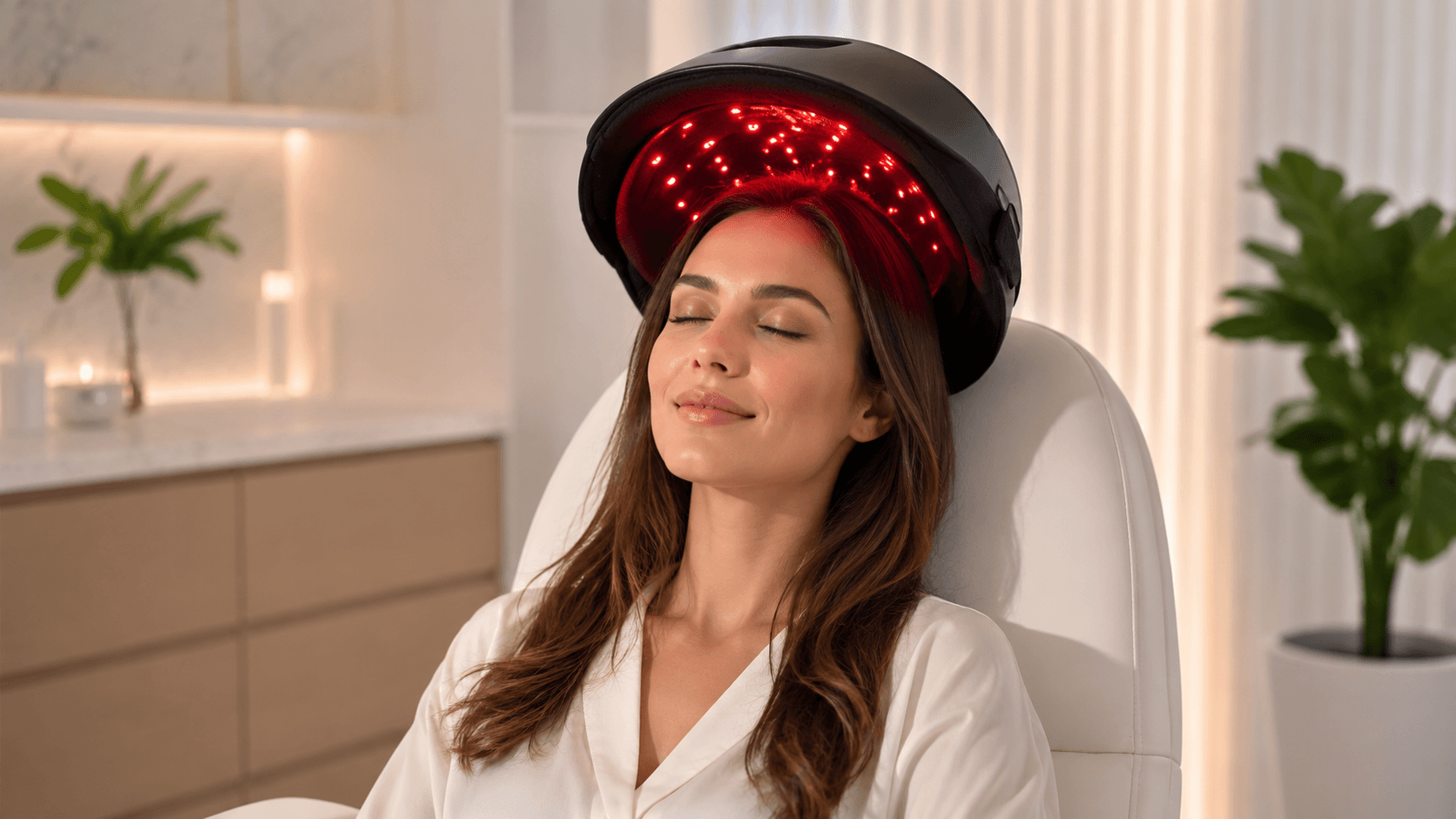
Laser Hair Growth Treatment London: Complete Scientific Guide to Non-Surgical Hair Restoration
Laser hair growth treatment in London offers a scientifically proven, non-surgical method to stimulate hair follicles and promote regrowth using low-level laser therapy (LLLT).
Laser hair growth treatment in London offers a scientifically proven, non-surgical method to stimulate hair follicles and promote regrowth using low-level laser therapy (LLLT). This guide covers everything from how the technology works to what results patients can realistically expect.
London stands at the forefront of medical innovation. The city now offers some of the most advanced non-surgical hair restoration options available anywhere in the world. Laser hair growth treatment has emerged as a leading solution for men and women who want to address hair loss without surgery or medication. This comprehensive guide explores the science, the technology, the results, and everything else patients need to know before choosing laser hair therapy in London.
What Is Laser Hair Growth Treatment?
Laser hair growth treatment uses low-level laser light to stimulate hair follicles, increase cellular energy, and promote natural hair regrowth without surgery or drugs.
How Does Laser Hair Growth Therapy Work?
Laser hair growth therapy uses medical-grade light energy to treat the scalp and hair follicles. The treatment relies on a process called photobiomodulation. This process uses specific wavelengths of red or near-infrared light to trigger biological changes at the cellular level. Unlike high-energy lasers that cut or burn tissue, low-level lasers deliver gentle energy that cells absorb and convert into fuel for repair and growth.
The primary mechanism involves stimulating mitochondria within hair follicle cells. Mitochondria act as the power plants of cells. When laser light reaches these structures, cells produce more adenosine triphosphate (ATP). This extra energy helps dormant or weakened follicles re-enter the active growth phase. Over time, this process can increase hair density, improve hair shaft thickness, and reduce excessive shedding.
How Does Low-Level Laser Therapy Differ from High-Energy Lasers?
Low-level laser therapy (LLLT) and high-energy lasers serve completely different purposes. High-energy lasers, such as those used in surgery or skin resurfacing, generate heat and destroy tissue. These devices operate at much higher power densities and can cut skin, remove tissue, or ablate surfaces.
LLLT devices operate at much lower power densities. They do not generate heat that damages tissue. Instead, they deliver photons that cells absorb and use for metabolic processes. This makes LLLT completely non-invasive and safe for regular use on the scalp. Patients feel no pain, experience no burning, and require no recovery time after treatment sessions.
What Is the Science Behind Photobiomodulation?
Photobiomodulation describes the use of light to modulate cellular function. When red or near-infrared light penetrates the scalp, it reaches the hair follicle bulbs located in the dermis. The light energy interacts with cytochrome c oxidase, an enzyme inside mitochondria. This interaction increases electron transport chain activity, which boosts ATP production.
Increased ATP levels give follicle cells more energy to perform their normal functions. These functions include protein synthesis, cell division, and the production of growth factors. Additionally, photobiomodulation increases nitric oxide release, which improves blood flow to the scalp. Better circulation means follicles receive more oxygen, nutrients, and growth signals.
How Does Laser Therapy Stimulate Hair Follicles?
Laser therapy stimulates hair follicles through multiple pathways. First, it increases cellular metabolism in the follicle bulb. Second, it improves microcirculation around each follicle. Third, it reduces inflammatory cytokines that can damage follicles. Fourth, it extends the anagen phase, which is the active growth period of the hair cycle.
When follicles receive consistent laser energy, they shift from a dormant or miniaturized state back toward normal function. Miniaturized follicles, which produce thin vellus hairs in androgenetic alopecia, can gradually increase in size. This allows them to produce thicker, stronger terminal hairs.
Which FDA-Cleared and CE-Marked Technologies Exist?
Several laser hair growth devices have received regulatory approval. The FDA has cleared multiple LLLT devices for treating androgenetic alopecia in both men and women. These include laser combs, laser caps, and laser helmets. CE marking in Europe confirms that these devices meet safety and performance standards for medical use in the European Union.
In-clinic systems often use more powerful and sophisticated technology than home devices. Some clinics in London now offer Fotona HAIRestart, a specialized erbium laser system designed specifically for hair restoration. This technology combines laser energy with a unique delivery method to maximize follicle stimulation.
How Does Laser Hair Growth Treatment Work?
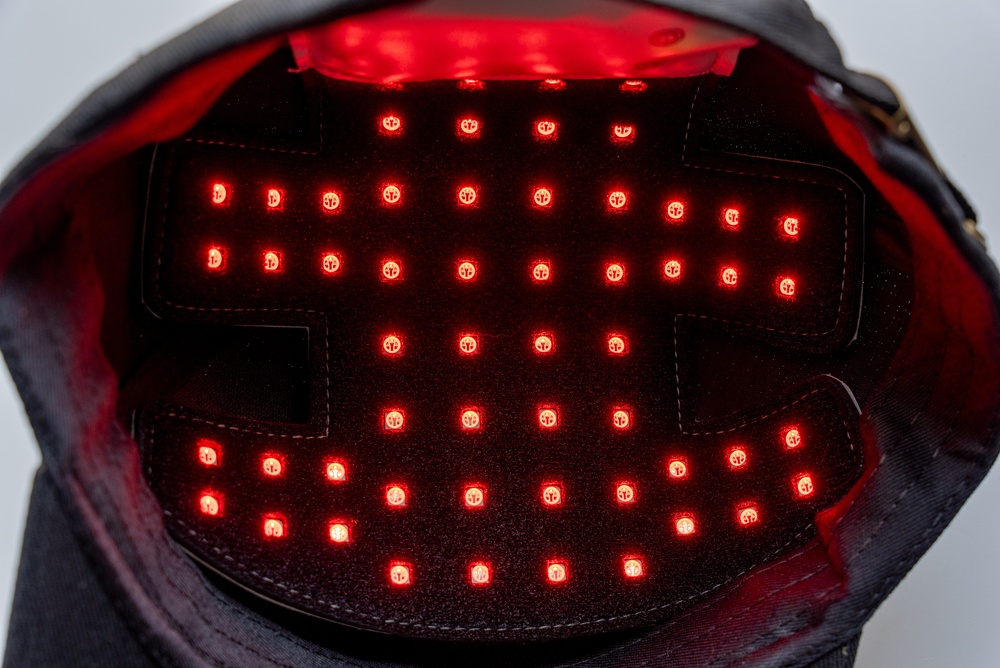
Laser treatment works by increasing blood flow to the scalp, boosting cellular energy production, reducing inflammation, and activating dormant follicles to extend the hair growth phase.
How Does Laser Therapy Improve Scalp Microcirculation?
Laser therapy increases blood flow to the scalp through a process called vasodilation. The light energy stimulates the release of nitric oxide from blood vessels. Nitric oxide relaxes the smooth muscle walls of small blood vessels, causing them to widen. This allows more blood to reach the hair follicles.
Improved microcirculation delivers more oxygen and nutrients to the follicle bulbs. Hair follicles are among the most metabolically active tissues in the body. They need a constant supply of energy and building blocks to produce healthy hair. Better blood flow supports this demand and helps remove metabolic waste products that can accumulate around follicles.
How Does Laser Therapy Boost Cellular Energy Production?
The primary cellular effect of LLLT involves ATP stimulation. Mitochondria absorb photons from laser light and convert this energy into chemical fuel. Studies show that LLLT can increase ATP production by up to 200% in treated tissues. This surge in cellular energy helps follicle cells function at optimal levels.
With more ATP available, follicle cells can increase their production of proteins, enzymes, and growth factors. They can also repair damage more effectively and resist the effects of stress hormones like dihydrotestosterone (DHT). This energy boost forms the foundation of laser-induced hair regrowth.
How Does Laser Therapy Reduce Scalp Inflammation?
Chronic low-grade inflammation contributes to hair loss in many patients. Inflammatory cytokines can damage follicle stem cells and accelerate the miniaturization process. Laser therapy reduces inflammation by modulating the immune response in the scalp tissue.
LLLT decreases pro-inflammatory cytokines such as interleukin-6 and tumor necrosis factor-alpha. At the same time, it increases anti-inflammatory mediators. This creates a healthier environment where follicles can thrive rather than deteriorate. Reduced inflammation also decreases scalp sensitivity, itching, and discomfort that some hair loss patients experience.
How Does Laser Therapy Activate Dormant Hair Follicles?
Many hair follicles on a balding scalp are not dead. They have entered a prolonged resting phase or have miniaturized to the point where they produce barely visible hairs. Laser therapy can reactivate these dormant follicles by restoring their metabolic activity.
The increased ATP, improved blood flow, and reduced inflammation create conditions that signal follicles to re-enter the anagen phase. Once in anagen, follicles begin producing new hair shafts. This process takes time because hair grows slowly, but consistent treatment can gradually transform a thinning area into one with denser coverage.
How Does Laser Therapy Extend the Anagen Phase?
The hair growth cycle consists of three phases: anagen (growth), catagen (transition), and telogen (resting). In healthy scalps, most follicles remain in anagen for several years. In androgenetic alopecia, the anagen phase shortens progressively. This means hairs fall out sooner and new hairs grow back thinner.
Laser therapy helps extend the anagen phase by counteracting the effects of DHT and other factors that shorten the growth period. Longer anagen phases mean hairs have more time to grow longer and thicker before shedding. This directly translates to increased hair density and improved appearance.
What Effects Does Laser Therapy Have on Hair Density and Hair Shaft Thickness?
Clinical studies consistently show that LLLT increases both hair density and hair shaft thickness. Hair density refers to the number of hairs per square centimeter of scalp. Hair shaft thickness refers to the diameter of individual hair strands.
In a landmark study, researchers found that patients treated with LLLT experienced a significant increase in terminal hair density compared to control groups (Avci et al. 2014). Another study demonstrated that laser therapy increased hair shaft diameter, meaning individual hairs became thicker and stronger (Jimenez et al. 2014). These improvements combine to create a fuller, more natural-looking head of hair.
Which Types of Laser Hair Growth Treatments Are Available in London?
London clinics offer LLLT through medical laser caps, helmets, combs, in-clinic systems like Fotona HAIRestart, and combination treatments paired with PRP or exosomes.
What Is Low-Level Laser Therapy (LLLT)?
LLLT forms the foundation of all laser hair growth treatments. It uses coherent light in the red to near-infrared spectrum, typically between 630 and 680 nanometers. This wavelength range penetrates the scalp effectively and reaches the hair follicle bulbs without causing thermal damage.
Clinics in London offer LLLT as a standalone treatment or as part of a comprehensive hair restoration program. The therapy works best when patients receive consistent, properly dosed treatments over several months.
What Are Medical Laser Caps?
Medical laser caps are wearable devices that contain multiple laser diodes arranged inside a baseball cap or similar head covering. Patients wear the cap for a specified duration, usually 20 to 30 minutes per session. The diodes emit laser light that covers the entire scalp evenly.
These devices offer convenience for home use. However, clinical-grade caps available through London hair restoration clinics typically contain more diodes and deliver higher energy doses than over-the-counter versions. Medical supervision ensures patients use the correct settings and treatment schedule.
What Are Laser Helmets?
Laser helmets function similarly to laser caps but cover more of the scalp surface. They contain a larger number of laser diodes and often include LED lights in addition to lasers. The helmet design ensures consistent positioning and light delivery across the entire treatment area.
Some advanced helmets used in London clinics feature programmable settings, progress tracking, and combination light wavelengths. These features allow practitioners to customize treatments based on each patient's specific needs.
What Are Laser Combs?
Laser combs are handheld devices that patients move slowly through their hair. The comb contains laser diodes that deliver light energy directly to the scalp as the teeth part the hair. While effective, laser combs require more active participation from the user and may provide less consistent coverage than caps or helmets.
Laser combs work well for targeting specific areas or for patients who prefer a more hands-on approach. However, most London clinics now recommend cap or helmet systems for full-scalp treatment because they deliver more uniform energy distribution.
What Are In-Clinic Medical Laser Systems?
In-clinic systems offer the most powerful and sophisticated laser hair growth treatments available. These devices use medical-grade lasers with higher energy outputs than home devices. Trained technicians or medical professionals operate the equipment and can adjust parameters based on individual patient needs.
In-clinic treatments often produce faster results than home devices because they deliver higher energy doses in a controlled environment. Patients typically visit the clinic two to three times per week for sessions lasting 15 to 30 minutes.
What Is Fotona HAIRestart Technology?
Fotona HAIRestart represents a newer approach to laser hair restoration. This system uses an erbium laser with a specialized handpiece that delivers non-ablative laser energy to the scalp. The treatment creates controlled thermal effects in the dermis while protecting the epidermis.
The Fotona system stimulates hair follicles through a different mechanism than traditional LLLT. It triggers a wound-healing response that releases growth factors and increases blood flow. Some London clinics now offer Fotona HAIRestart as a standalone treatment or in combination with other therapies.
What Are Combination Laser Systems with Regenerative Treatments?
Many London hair restoration clinics now combine laser therapy with regenerative treatments for enhanced results. Common combinations include LLLT plus platelet-rich plasma (PRP), LLLT plus exosome therapy, and LLLT plus mesotherapy.
These combination approaches address hair loss from multiple angles. Laser therapy improves cellular energy and circulation. Regenerative treatments provide growth factors and signaling molecules that further stimulate follicle activity. Research suggests that combining therapies may produce better outcomes than any single treatment alone (Gkini et al. 2014).
What Hair Loss Conditions Can Laser Therapy Treat?
Laser therapy effectively treats androgenetic alopecia, diffuse thinning, early hair loss, postpartum shedding, stress-related hair loss, and supports recovery after hair transplant surgery.
Can Laser Therapy Treat Male Pattern Hair Loss?
Male pattern hair loss, also called androgenetic alopecia, affects the majority of men experiencing hair thinning. This condition results from genetic sensitivity to dihydrotestosterone (DHT), which miniaturizes hair follicles over time. Laser therapy treats male pattern hair loss by increasing follicle energy, improving circulation, and reducing inflammation.
Multiple clinical trials confirm that LLLT produces measurable improvements in men with androgenetic alopecia. A systematic review found that LLLT significantly increased hair density in men with this condition (Zarei et al. 2016). The treatment works best in men who still have viable follicles in the thinning areas.
Can Laser Therapy Treat Female Pattern Hair Loss?
Female pattern hair loss also stems from androgenetic factors, though the pattern differs from male hair loss. Women typically experience diffuse thinning across the crown rather than receding hairlines or bald patches. Laser therapy effectively addresses female pattern hair loss by treating the entire scalp.
Studies show that women respond well to LLLT. One study demonstrated that women using laser devices experienced significant increases in hair count and thickness compared to placebo groups (Leavitt et al. 2009). The non-invasive nature of laser therapy makes it particularly appealing to women who want to avoid medications or surgery.
Can Laser Therapy Treat Diffuse Hair Thinning?
Diffuse hair thinning refers to widespread hair loss across the entire scalp rather than in specific patterns. This can result from nutritional deficiencies, hormonal imbalances, or chronic stress. Laser therapy helps diffuse thinning by improving the overall scalp environment and supporting follicle health throughout the treatment area.
Because laser therapy does not target a specific cause like DHT, it can support hair growth regardless of the underlying trigger. However, patients with diffuse thinning should also address any contributing factors through medical evaluation and appropriate treatment.
Can Laser Therapy Treat Early Hair Loss?
Early intervention produces the best results with laser therapy. When hair loss has just begun, follicles remain largely intact and responsive to stimulation. Laser therapy can halt or slow progression and may reverse some of the early miniaturization.
Patients who notice increased shedding, widening part lines, or receding temples should seek evaluation promptly. Starting laser treatment early maximizes the chance of preserving existing hair and regrowing lost density.
Can Laser Therapy Treat Postpartum Hair Loss?
Many women experience significant hair shedding after childbirth due to hormonal fluctuations. This condition, called telogen effluvium, typically resolves on its own within several months. However, laser therapy can accelerate recovery and reduce the duration of noticeable thinning.
By stimulating follicles to re-enter anagen more quickly, laser therapy helps new hair growth begin sooner. This provides both physical and psychological benefits for new mothers dealing with postpartum hair changes.
Can Laser Therapy Treat Stress-Related Hair Shedding?
Stress triggers hair loss through multiple mechanisms. Acute stress can push large numbers of follicles into the telogen phase, causing diffuse shedding. Chronic stress elevates cortisol levels, which can damage follicles and exacerbate androgenetic alopecia.
Laser therapy helps stress-related hair loss by improving scalp circulation, reducing inflammation, and supporting follicle recovery. However, patients should also address the underlying stress through lifestyle changes, stress management techniques, or professional support.
Can Laser Therapy Support Hair Transplant Recovery?
Laser therapy plays a valuable role in hair transplant recovery. After transplantation, follicles need optimal conditions to establish blood supply and begin growing in their new location. LLLT improves circulation, reduces inflammation, and accelerates healing in the recipient area.
Many hair transplant surgeons now recommend laser therapy as part of post-operative care. The treatment can help transplanted grafts survive and thrive while also supporting the health of existing native hair. Some clinics in London include laser sessions in their transplant packages.
When Does Laser Therapy Have Limited Effectiveness?
Laser therapy cannot regrow hair in areas where follicles have completely died. If a scalp area has been bald for many years and the skin has become smooth and shiny, follicles have likely atrophied beyond recovery. In these cases, hair transplantation remains the only option for restoring coverage.
Laser therapy also has limited effectiveness for scarring alopecias, where inflammation destroys the follicle stem cells. Conditions like lichen planopilaris or central centrifugal cicatricial alopecia cause permanent follicle loss that laser therapy cannot reverse.
Who Is an Ideal Candidate for Laser Hair Growth Treatment in London?
Ideal candidates include men and women with mild to moderate hair loss, those seeking drug-free options, patients wanting to delay surgery, and individuals looking to maintain results after hair transplantation.
Are Patients with Mild to Moderate Hair Loss Good Candidates?
Patients with mild to moderate hair loss achieve the best results from laser therapy. At these stages, follicles have miniaturized but remain alive and responsive. Laser energy can reactivate these follicles and restore them to more productive states.
Patients with advanced baldness, where large areas have no visible hair, typically see limited benefit. These individuals may require hair transplantation or may choose to combine transplant surgery with laser therapy for maintenance.
Do Individuals Seeking Drug-Free Restoration Benefit from Laser Therapy?
Many patients prefer to avoid medications like minoxidil or finasteride due to concerns about side effects or the need for daily application. Laser therapy offers a completely drug-free alternative. It produces no systemic side effects and requires no daily pills or topical applications.
This makes laser therapy especially attractive to patients who cannot tolerate medications or who prefer natural approaches to hair restoration.
Can Men and Women Use Laser Therapy to Delay Hair Transplant Surgery?
Younger patients who are not yet ready for hair transplantation can use laser therapy to maintain their existing hair and slow progression. This strategy preserves donor hair and may allow patients to delay surgery until they are older and their hair loss pattern has stabilized.
Laser therapy also suits patients who want to avoid surgery altogether. While it cannot produce the dramatic results of transplantation, it can significantly improve hair density and appearance without any surgical intervention.
Do Patients Benefit from Laser Therapy After Hair Transplantation?
Patients who have undergone hair transplantation benefit greatly from ongoing laser therapy. The treatment supports the health of both transplanted and native hair. It can reduce shock loss, accelerate graft growth, and help maintain the non-transplanted hair that might otherwise continue to thin.
Many London clinics recommend laser therapy as a long-term maintenance strategy following transplant surgery. This combination approach maximizes the overall result and helps patients preserve their investment.
When Is a Consultation Necessary Before Treatment?
Every patient should undergo a professional consultation before starting laser hair growth treatment. A qualified hair restoration specialist needs to evaluate the type and extent of hair loss, examine the scalp condition, review medical history, and determine whether laser therapy suits the individual case.
During consultation, the practitioner may use trichoscopy to examine follicles, measure hair density, and identify any underlying conditions that require treatment. This assessment ensures that patients receive appropriate care and have realistic expectations about potential results.
What Happens During a Laser Hair Growth Treatment Session?
A typical session includes scalp assessment, hair density evaluation, medical history review, treatment preparation, 15-30 minutes of laser application, and post-treatment care instructions.
What Does the Initial Hair and Scalp Assessment Involve?
The first step in any laser hair growth treatment involves a thorough assessment of the hair and scalp. The practitioner examines the pattern and extent of hair loss, checks for signs of inflammation or scalp conditions, and evaluates the quality of existing hair.
This assessment helps determine whether laser therapy is appropriate and establishes a baseline for measuring future progress. The practitioner may take photographs from multiple angles to document the starting condition.
How Do Clinics Evaluate Hair Density?
Hair density evaluation provides objective data about the number of hairs per square centimeter. Clinics may use digital trichoscopy, which involves a specialized camera that magnifies the scalp surface. This technology counts hairs, measures shaft diameter, and assesses follicle health.
Some clinics also perform hair pull tests or use phototrichogram analysis. These measurements allow practitioners to track changes over time and adjust treatment protocols as needed.
Why Do Clinics Review Medical History?
A comprehensive medical history review identifies any factors that might affect treatment or results. The practitioner asks about family history of hair loss, current medications, medical conditions, nutritional status, and lifestyle factors.
Certain medications can cause hair loss or interact with treatment. Medical conditions like thyroid disorders or autoimmune diseases may require management alongside laser therapy. Understanding the full picture allows the practitioner to create a safe and effective treatment plan.
How Does Treatment Preparation Work?
Before laser application, the practitioner prepares the scalp. This typically involves cleansing the treatment area to remove oils, styling products, and debris that might block light penetration. In some cases, the practitioner may apply a light serum or solution to enhance laser absorption.
Patients do not need to shave their heads or make any special preparations at home. The treatment works through existing hair, though shorter hair may allow slightly better light penetration.
How Long Does Each Session Last?
Treatment duration varies depending on the device and protocol. In-clinic sessions typically last 15 to 30 minutes. Home device sessions usually require 20 to 30 minutes. The practitioner determines the optimal duration based on the device specifications and the patient's specific needs.
Sessions are relatively short, making it easy for patients to fit treatments into their schedules. Many patients read, use their phones, or simply relax during the session.
How Comfortable Is the Treatment for Patients?
Laser hair growth treatment causes no pain. Patients feel no heat, no burning, and no discomfort during or after the session. Some people report a mild warming sensation, while others feel nothing at all.
The non-invasive nature of LLLT makes it one of the most comfortable hair loss treatments available. Patients can resume normal activities immediately after each session.
What Post-Treatment Care Is Required?
After a laser session, patients can return to normal activities immediately. No downtime exists. The practitioner may recommend avoiding harsh hair products or excessive heat styling for a few hours after treatment.
Some clinics suggest using gentle, nourishing scalp products to support the treatment effects. Patients should also follow any specific instructions regarding home device use if they have a take-home system.
How Many Laser Hair Growth Sessions Are Needed?
Most protocols require 2-3 sessions per week for 3-6 months, followed by maintenance sessions every 1-2 weeks to sustain results.
What Is the Recommended Treatment Protocol?
Standard treatment protocols typically involve two to three sessions per week for an initial period of three to six months. This frequency provides consistent stimulation to the follicles without overwhelming the tissues.
After the initial phase, patients transition to a maintenance schedule. Maintenance sessions usually occur once or twice per week. This ongoing treatment prevents follicles from returning to their previous dormant state.
How Often Should Patients Receive Treatment Weekly?
During the active treatment phase, patients should receive laser therapy two to three times per week. Sessions need spacing to allow follicles time to respond and recover between stimulations. Daily sessions are not necessary and may not provide additional benefit.
Consistency matters more than intensity. Missing occasional sessions will not ruin results, but frequent gaps reduce effectiveness. Patients should commit to a regular schedule for optimal outcomes.
How Important Are Maintenance Sessions?
Maintenance sessions play a crucial role in sustaining results. Hair loss is a chronic condition. Without ongoing treatment, the underlying factors that caused hair loss continue to affect follicles. Maintenance laser therapy counteracts these effects and preserves the gains achieved during initial treatment.
Most patients find that one or two maintenance sessions per week keep their hair looking its best. This long-term commitment is similar to maintaining results with minoxidil or other ongoing treatments.
Which Individual Factors Influence Treatment Duration?
Several factors affect how long treatment takes and how many sessions a patient needs. These include the severity of hair loss, the underlying cause, the patient's age, overall health, and how consistently they follow the treatment schedule.
Younger patients with early-stage hair loss often see faster results. Patients with diffuse thinning may need longer treatment than those with small areas of loss. Individual response to laser therapy varies, so practitioners adjust protocols based on progress.
When Do Results Typically Become Noticeable?
Most patients notice reduced shedding within the first 4 to 8 weeks of treatment. This happens because laser therapy strengthens the anchoring of existing hairs and extends the anagen phase.
Visible regrowth typically appears after 3 to 6 months of consistent treatment. Hair grows slowly, at approximately 1 centimeter per month, so new growth takes time to become noticeable. Maximum results usually develop after 6 to 12 months of treatment.
What Results Can Patients Expect?
Patients can expect increased hair density, reduced shedding, thicker hair shafts, a healthier scalp, and visible improvements within 3-6 months of consistent treatment.
How Does Laser Therapy Increase Hair Density?
Laser therapy increases hair density by reactivating dormant follicles and extending the growth phase of active follicles. As more follicles enter anagen simultaneously, the overall number of visible hairs increases.
Clinical studies report density increases ranging from 15% to 40% depending on the patient and protocol. These improvements create visibly fuller hair that looks natural and healthy.
How Does Laser Therapy Reduce Hair Shedding?
Excessive shedding often distresses hair loss patients the most. Laser therapy reduces shedding by strengthening the hair bulb and improving the anchoring of hairs in the follicle. It also extends the anagen phase, meaning hairs remain in place longer before naturally shedding.
Many patients report that their shower drains and hairbrushes show noticeably less hair within the first two months of treatment. This early benefit provides psychological relief while waiting for visible regrowth.
How Does Laser Therapy Improve Hair Thickness?
Laser therapy increases hair shaft thickness by enlarging miniaturized follicles. As follicles regain their normal size and function, they produce thicker, stronger hairs instead of fine vellus hairs.
Thicker individual hairs create the appearance of fuller coverage even before new follicles activate. This improvement in hair quality complements the increase in hair quantity.
How Does Laser Therapy Create a Healthier Scalp Environment?
A healthy scalp supports healthy hair growth. Laser therapy improves scalp health by increasing circulation, reducing inflammation, and balancing the local immune response. Many patients notice less scalp itching, flaking, and oiliness after starting treatment.
A well-nourished, low-inflammation scalp provides the ideal foundation for follicle function. This environmental improvement benefits all hairs, not just those in treated areas.
What Is the Timeline of Clinical Improvements?
Timeframe | Expected Improvement |
0-4 weeks | Reduced shedding, possible increase in scalp comfort |
4-8 weeks | Early signs of reduced hair fall, subtle texture changes |
3-6 months | Visible new growth, increased density, thicker shafts |
6-12 months | Maximum density improvement, mature new hairs |
12+ months | Sustained results with maintenance, continued thickening |
What Are Long-Term Maintenance Expectations?
Long-term maintenance keeps results stable. Without maintenance, the natural progression of hair loss eventually resumes. Patients who commit to ongoing laser therapy can maintain their improved density for years.
Some patients continue to see gradual improvements even after the first year. Others reach a plateau where laser therapy preserves their current state. Either outcome represents success, as the alternative is continued hair loss.
Can Laser Hair Growth Treatment Be Combined with Other Hair Loss Treatments?
Yes, laser therapy combines safely with PRP, exosomes, mesotherapy, minoxidil, finasteride, nutritional support, and hair transplant surgery for enhanced results.
How Does Laser Therapy Combine with Platelet-Rich Plasma (PRP)?
PRP therapy involves injecting concentrated platelets from the patient's own blood into the scalp. These platelets release growth factors that stimulate follicle activity. Combining PRP with laser therapy creates a powerful synergistic effect.
Laser therapy improves circulation and cellular energy, which helps PRP growth factors reach and activate follicles more effectively. Many London clinics now offer combination packages that alternate PRP sessions with laser treatments.
How Does Laser Therapy Combine with Exosome Therapy?
Exosome therapy uses signaling molecules derived from stem cells to trigger regeneration in the scalp. These extracellular vesicles carry proteins, RNA, and growth factors that communicate with follicle cells.
When combined with laser therapy, exosomes may penetrate more effectively into the scalp tissue. The laser-induced increase in circulation and metabolic activity helps distribute exosome signals throughout the treatment area.
How Does Laser Therapy Combine with Mesotherapy?
Mesotherapy involves injecting vitamins, minerals, and other nutrients directly into the scalp. This delivery method bypasses the digestive system and ensures high local concentrations of hair-supporting compounds.
Laser therapy complements mesotherapy by improving the absorption and utilization of these nutrients. The increased blood flow helps distribute injected substances, while the metabolic boost helps follicles use them effectively.
Can Patients Use Minoxidil with Laser Therapy?
Minoxidil remains one of the most widely used topical hair loss treatments. It works by dilating blood vessels and opening potassium channels in follicle cells. Laser therapy enhances these effects through its own vasodilation and metabolic stimulation.
Patients can safely use minoxidil alongside laser therapy. Some practitioners recommend applying minoxidil after laser sessions, as the improved circulation may enhance absorption. However, patients should follow their clinician's specific instructions.
Can Patients Use Finasteride with Laser Therapy?
Finasteride blocks the conversion of testosterone to DHT, addressing the hormonal cause of androgenetic alopecia. Men using finasteride can add laser therapy for additional benefit without increased side effect risk.
The combination attacks hair loss from two angles. Finasteride reduces the hormonal trigger, while laser therapy improves follicle function and scalp health. This dual approach often produces better results than either treatment alone.
How Does Nutritional Support Enhance Laser Therapy?
Hair follicles need adequate nutrition to produce healthy hair. Deficiencies in iron, zinc, vitamin D, biotin, and protein can impair hair growth. Nutritional support ensures follicles have the building blocks they need.
Laser therapy increases metabolic demand in follicles. Well-nourished follicles can respond more robustly to this stimulation. Patients should maintain a balanced diet and consider supplementation if blood tests reveal deficiencies.
How Does Laser Therapy Support Hair Transplant Surgery?
Laser therapy supports hair transplantation in multiple ways. Before surgery, it improves scalp health and may increase the viability of existing hair. After surgery, it accelerates healing, reduces shock loss, and helps transplanted grafts establish quickly.
Ongoing laser therapy after transplantation maintains native hair and supports the overall result. Many surgeons now view laser therapy as a valuable adjunct to surgical hair restoration.
How Do Clinics Create Personalized Combination Treatment Plans?
The best hair restoration clinics create individualized plans based on each patient's specific needs. A young man with early male pattern baldness might receive laser therapy plus finasteride. A woman with diffuse thinning might receive laser therapy plus PRP and nutritional support.
The practitioner considers the type and extent of hair loss, the patient's goals, their medical history, and their preferences when designing a combination approach. This personalization maximizes results while minimizing unnecessary treatments.
What Are the Benefits of Laser Hair Growth Treatment?
Benefits include non-invasive application, no drugs, no downtime, minimal discomfort, suitability for both men and women, compatibility with other therapies, and improved overall scalp health.
Why Is Laser Therapy a Non-Invasive Procedure?
Laser therapy requires no incisions, injections, or penetration of the skin. The light energy passes through the scalp surface and reaches the follicles without breaking the skin barrier. This eliminates risks associated with invasive procedures like infection, scarring, or nerve damage.
Patients appreciate the gentle nature of laser therapy. They can undergo treatment without any preparation or recovery period.
Why Is Laser Therapy a Drug-Free Treatment Option?
Many patients worry about the side effects of hair loss medications. Finasteride can cause sexual side effects in some men. Minoxidil can cause scalp irritation, unwanted facial hair, or cardiovascular effects in rare cases.
Laser therapy produces no systemic side effects. It does not alter hormones, affect blood pressure, or interact with medications. This safety profile makes it suitable for patients who cannot or choose not to use drugs.
Why Does Laser Therapy Require No Downtime?
After a laser session, patients immediately return to work, exercise, social activities, or any other normal routine. No redness, swelling, or visible signs of treatment occur. This convenience appeals to busy professionals who cannot afford downtime.
The lack of downtime also means patients can maintain consistent treatment schedules without disrupting their lives.
Why Does Laser Therapy Cause Minimal Discomfort?
Most patients feel absolutely nothing during laser treatment. Some describe a mild warmth or tingling sensation. No pain, burning, or stinging occurs. This comfort level exceeds that of many other aesthetic and medical treatments.
Patients who fear needles, dislike the greasy feel of topical solutions, or worry about procedure pain find laser therapy especially appealing.
Why Is Laser Therapy Suitable for Both Men and Women?
Unlike some treatments that target male-specific hormones, laser therapy works through universal biological mechanisms. It improves cellular energy, circulation, and scalp health regardless of gender.
Both men and women experience androgenetic alopecia, and both respond to laser stimulation. Clinics in London treat approximately equal numbers of male and female patients with LLLT.
Why Can Laser Therapy Be Used Alongside Other Therapies?
Laser therapy does not interact negatively with medications, supplements, or other procedures. It actually enhances the effectiveness of many complementary treatments by improving scalp conditions and follicle responsiveness.
This compatibility allows practitioners to create comprehensive treatment plans that address multiple aspects of hair loss simultaneously.
How Does Laser Therapy Support Overall Scalp Health?
Even patients who do not experience dramatic hair regrowth benefit from improved scalp health. Laser therapy reduces inflammation, increases circulation, and supports tissue repair. These effects create a healthier environment for all scalp functions.
Many patients report that their scalps feel less tight, itchy, or irritated after starting laser therapy. This comfort improvement alone provides significant quality-of-life benefits.
Are There Any Risks or Side Effects?
Laser therapy has an excellent safety profile with minimal risks. Temporary scalp sensitivity rarely occurs. Contraindications include certain medications, photosensitivity conditions, and active scalp infections.
What Is the Safety Profile of Medical Laser Therapy?
LLLT has an extensive safety record spanning decades of clinical use. The low energy levels used in hair restoration cannot burn tissue or cause DNA damage. Regulatory bodies like the FDA and European CE marking authorities have cleared multiple devices for home and clinical use.
Millions of treatment sessions have occurred worldwide with virtually no serious adverse events reported. This safety record exceeds that of most pharmaceutical hair loss treatments.
What Is Temporary Scalp Sensitivity?
A small percentage of patients report mild scalp sensitivity after initial laser sessions. This sensation feels similar to mild sun exposure and resolves within hours. It indicates that the scalp tissue is responding to the treatment.
This sensitivity is temporary and typically disappears after the first few sessions as the scalp adjusts. It does not require any special treatment or interruption of the protocol.
What Are Rare Adverse Effects?
Truly rare adverse effects include temporary headaches in sensitive individuals or mild scalp redness that fades quickly. These effects occur in less than 1% of patients and resolve without intervention.
The non-thermal nature of LLLT prevents burns, blisters, or pigment changes that can occur with higher-energy laser systems.
What Are the Contraindications?
Patients should avoid laser therapy if they have active scalp infections, open wounds, or certain photosensitivity disorders. Patients taking photosensitizing medications should consult their physician before starting treatment.
Pregnant women should seek medical advice before beginning any new treatment, including laser therapy, though no evidence suggests harm to pregnancy.
Why Is Professional Assessment Important?
A professional assessment ensures that laser therapy is appropriate and safe for each individual. The practitioner can identify contraindications, set realistic expectations, and design a proper treatment protocol.
Self-diagnosis and unsupervised treatment with home devices may lead to disappointment if the underlying cause of hair loss requires different management. Professional guidance maximizes safety and effectiveness.
How Does Laser Hair Growth Treatment Compare with Other Hair Loss Treatments?
Laser therapy offers a non-invasive middle ground between topical medications and surgical transplantation. It produces fewer side effects than drugs and requires no recovery like surgery.
How Does Laser Therapy Compare with PRP?
Factor | Laser Therapy | PRP Therapy |
Invasiveness | Non-invasive | Minimally invasive (injections) |
Downtime | None | Mild scalp tenderness for 1-2 days |
Frequency | 2-3x weekly | Monthly sessions typically |
Cost per session | Lower | Higher |
Mechanism | Light energy stimulation | Growth factor delivery |
Best for | Maintenance, early loss | Moderate loss, combination therapy |
Both treatments work well and many clinics combine them. Laser therapy offers more frequent, less expensive sessions while PRP provides concentrated growth factors (Gkini et al. 2014).
How Does Laser Therapy Compare with Hair Transplant?
Factor | Laser Therapy | Hair Transplant |
Invasiveness | Non-invasive | Surgical procedure |
Recovery | Immediate | 7-14 days |
Results timeline | 3-6 months | 6-12 months |
Coverage | Improves existing follicles | Moves follicles to bald areas |
Permanence | Requires maintenance | Permanent in transplanted areas |
Cost | Lower overall | Higher upfront |
Best for | Early to moderate loss | Advanced baldness |
Laser therapy preserves and improves native hair. Transplant surgery relocates permanent follicles. Many patients benefit from both.
How Does Laser Therapy Compare with Minoxidil?
Factor | Laser Therapy | Minoxidil |
Application | Clinic or device sessions | Daily topical application |
Side effects | Virtually none | Scalp irritation, unwanted facial hair |
Convenience | Scheduled sessions | Daily commitment required |
Mechanism | Cellular energy boost | Vasodilation, potassium channel opening |
Effectiveness | Comparable for many patients | Well-established but modest |
Both treatments show similar efficacy in clinical studies for appropriate candidates. Laser therapy avoids the daily application burden and side effects of minoxidil.
How Does Laser Therapy Compare with Finasteride?
Factor | Laser Therapy | Finasteride |
Gender suitability | Men and women | Men only (typically) |
Systemic effects | None | Possible hormonal side effects |
Mechanism | Cellular stimulation | DHT reduction |
Prescription required | No | Yes |
Best for | All early-stage patients | Men with DHT-driven loss |
Finasteride addresses the hormonal cause in men. Laser therapy supports follicle health regardless of cause. They complement each other well.
How Does Laser Therapy Compare with Microneedling?
Factor | Laser Therapy | Microneedling |
Comfort | Painless | Mild discomfort |
Mechanism | Light energy | Mechanical stimulation |
Scalp trauma | None | Controlled micro-injuries |
Combination potential | Excellent | Excellent |
Evidence base | Extensive | Growing |
Both treatments stimulate follicles through different mechanisms. Many protocols now combine them for enhanced results.
How Does Laser Therapy Compare with Exosome Therapy?
Factor | Laser Therapy | Exosome Therapy |
Availability | Widely available | Emerging, limited availability |
Cost | Moderate | Higher |
Evidence | Extensive clinical data | Promising but newer research |
Invasiveness | Non-invasive | Typically involves injections |
Best use | Established maintenance | Cutting-edge combination |
Exosome therapy represents the newest frontier. Laser therapy offers proven, accessible treatment while exosome research continues to expand.
How Much Does Laser Hair Growth Treatment Cost in London?
Costs vary based on technology, clinic reputation, and package size. Single sessions range from £75-£150, while packages offer better value. Home devices cost £300-£800, and in-clinic treatments provide superior results.
What Factors Affect Treatment Cost?
Several factors influence the cost of laser hair growth treatment in London. The type of technology matters significantly. In-clinic medical lasers cost more than home devices. Fotona HAIRestart sessions typically command premium pricing due to the advanced technology involved.
Clinic location and reputation also affect pricing. Central London clinics with experienced medical teams generally charge more than suburban or non-medical establishments. The inclusion of additional services like trichoscopy, consultation, or combination therapies increases package costs.
How Do Single Sessions Compare with Treatment Packages?
Single sessions typically cost between £75 and £150 depending on the clinic and technology. Most patients need multiple sessions over several months. Clinics offer treatment packages that reduce the per-session cost significantly.
A typical 6-month package might include 24-36 sessions plus assessments and progress tracking. Package prices often range from £1,500 to £3,500. Patients committed to long-term treatment usually save money by purchasing packages rather than paying per session.
How Do Home Devices Compare with Clinical Treatments?
Home laser devices cost between £300 and £800 for a quality medical-grade unit. While this seems cheaper than clinic treatment, home devices deliver lower energy doses and lack professional oversight.
Clinical treatments use more powerful equipment operated by trained staff who can adjust protocols and monitor progress. For patients serious about results, in-clinic treatment generally provides better value despite the higher cost.
How Does Cost Compare with Hair Transplant Surgery?
Hair transplant surgery in London typically costs between £3,000 and £10,000 depending on the number of grafts. Laser therapy costs significantly less than surgery.
However, these treatments serve different purposes. Surgery relocates permanent follicles to bald areas. Laser therapy preserves and improves existing hair. Many patients eventually invest in both, using laser therapy for maintenance after surgery.
What Is the Long-Term Value of Maintenance Therapy?
Maintenance laser therapy preserves hair density and delays or prevents the need for more expensive interventions. When viewed over several years, the cost of maintaining hair with laser therapy often compares favorably to the cost of progressive hair loss followed by surgical correction.
Patients who start laser therapy early and maintain consistent treatment often avoid the need for large transplant procedures later. This proactive approach provides excellent long-term value.
How Should You Choose a Laser Hair Growth Clinic in London?
Look for clinics with medically qualified staff, evidence-based protocols, advanced technology, personalized plans, proper follow-up, and documented before-and-after results.
Why Do Medical Qualifications Matter?
Hair loss often signals underlying medical conditions. Thyroid disorders, autoimmune diseases, nutritional deficiencies, and hormonal imbalances can all cause hair loss. A clinic with medically qualified staff can identify these conditions and ensure patients receive appropriate treatment.
Qualified practitioners also understand the science behind laser therapy. They can set realistic expectations, adjust protocols based on response, and recognize when a patient needs referral to a specialist.
Why Does Hair Loss Diagnosis Matter Before Treatment?
Not all hair loss responds to laser therapy. A proper diagnosis determines whether laser treatment will help or whether the patient needs different management. Clinics that treat all patients with the same protocol regardless of diagnosis provide inferior care.
Look for clinics that perform thorough assessments including medical history, scalp examination, and possibly blood tests or trichoscopy before recommending treatment.
Why Should Clinics Use Evidence-Based Protocols?
The best clinics base their treatment protocols on published clinical research. They use devices at the wavelengths, power densities, and treatment durations shown effective in studies. They do not make exaggerated claims or promise guaranteed results.
Ask potential clinics about the research supporting their specific protocols. Reputable providers welcome these questions and can cite relevant studies.
Why Does the Type of Laser Technology Matter?
Different laser devices produce different results. Clinics using outdated or underpowered equipment cannot deliver optimal outcomes. The best clinics invest in modern, medical-grade systems with proven track records.
Ask about the specific devices the clinic uses. Research these devices independently to verify their regulatory approvals and clinical evidence.
Why Do Personalized Treatment Plans Matter?
Every patient's hair loss is unique. A one-size-fits-all approach ignores individual differences in hair loss pattern, severity, scalp condition, and treatment goals. The best clinics customize treatment plans based on thorough individual assessment.
Personalization may involve adjusting session frequency, combining laser therapy with other treatments, or modifying the protocol based on progress.
Why Do Follow-Up and Progress Monitoring Matter?
Hair restoration takes months. Without regular follow-up, patients cannot know whether their treatment works or whether adjustments are needed. Quality clinics schedule periodic reassessments to track progress and modify treatment as necessary.
Digital photography, trichoscopy, and hair count measurements provide objective evidence of improvement. Clinics that do not monitor progress cannot optimize outcomes.
Why Does Before-and-After Documentation Matter?
Reputable clinics document patient results with standardized photographs taken under consistent lighting and angles. This documentation demonstrates the clinic's track record and helps prospective patients understand realistic outcomes.
Be wary of clinics that show only stock photos or that promise results that seem too good to be true. Authentic, documented results tell the real story.
Frequently Asked Questions About Laser Hair Growth Treatment London
Laser therapy works for most hair loss types, requires ongoing maintenance, causes no pain, shows results in 3-6 months, benefits women equally, cannot regrow completely bald areas, is safe after transplants, complements rather than replaces medications, helps prevent future loss, and needs maintenance every 1-2 weeks.
Does Laser Hair Growth Treatment Really Work?
Yes, laser hair growth treatment works for appropriate candidates. Multiple randomized controlled trials demonstrate that LLLT increases hair density and thickness in patients with androgenetic alopecia. A meta-analysis confirmed that LLLT is both safe and effective for hair growth (Zarei et al. 2016). Results vary by individual, and the treatment works best for patients with active follicles in the treatment area.
Is Laser Hair Therapy Permanent?
No, laser hair therapy is not permanent. Hair loss is a chronic condition that continues to progress without ongoing management. Laser therapy maintains results only with continued use. Patients who stop treatment eventually lose the improvements they gained.
This is similar to other hair loss treatments like minoxidil, which also require ongoing use. Maintenance sessions, typically once or twice weekly, preserve results long-term.
Is Laser Hair Growth Treatment Painful?
No, laser hair growth treatment is completely painless. Patients feel no heat, no burning, and no discomfort. Some people notice a mild warming sensation. The non-invasive nature of LLLT makes it one of the most comfortable medical aesthetic treatments available.
How Soon Will I See Hair Growth?
Most patients notice reduced shedding within 4 to 8 weeks. Visible new growth typically appears after 3 to 6 months of consistent treatment. Maximum results develop after 6 to 12 months. Hair grows slowly, so patience and consistency are essential.
Can Women Benefit from Laser Hair Therapy?
Yes, women benefit significantly from laser hair therapy. Studies show that women with female pattern hair loss and diffuse thinning respond well to LLLT. The treatment addresses the same biological mechanisms in women as in men. Many London clinics report excellent results in female patients.
Can Laser Therapy Regrow a Completely Bald Area?
No, laser therapy cannot regrow hair in areas where follicles have completely died. If a scalp area has been smooth and bald for years, the follicles have atrophied beyond recovery. In these cases, hair transplantation remains the only option for restoring coverage.
Is Laser Treatment Safe After a Hair Transplant?
Yes, laser treatment is safe after hair transplantation. Many surgeons recommend LLLT as part of post-operative care. It improves healing, reduces shock loss, and supports graft survival. Patients typically begin laser therapy a few days to a week after surgery, depending on the surgeon's protocol.
Can Laser Therapy Replace Medications?
Laser therapy can replace medications for some patients, particularly those who cannot tolerate drugs or prefer drug-free approaches. However, for maximum results, many practitioners recommend combining laser therapy with medications rather than replacing them entirely.
Can Laser Therapy Prevent Future Hair Loss?
Laser therapy helps slow the progression of hair loss by supporting follicle health and counteracting miniaturization. While it cannot completely stop genetic hair loss, it can significantly delay progression and preserve existing hair density for years.
How Often Are Maintenance Sessions Required?
Most patients need maintenance sessions once or twice per week after completing the initial treatment phase. This frequency preserves results without requiring the more intensive schedule of the active treatment period.
Conclusion
Laser hair growth treatment in London offers a safe, effective, non-surgical option for men and women with appropriate hair loss types. Early treatment, professional assessment, and consistent maintenance produce the best long-term results.
What Are the Key Takeaways?
Laser hair growth treatment represents one of the most significant advances in non-surgical hair restoration. The science of photobiomodulation provides a solid foundation for this therapy. Clinical studies confirm that LLLT increases hair density, reduces shedding, and improves hair thickness in patients with androgenetic alopecia and other appropriate conditions.
London clinics offer multiple laser technologies, from home devices to advanced in-clinic systems like Fotona HAIRestart. Patients can choose the option that best fits their needs, budget, and lifestyle.
The ideal candidate has mild to moderate hair loss with active follicles in the treatment area. Early intervention produces better results than treatment after advanced follicle loss. A professional consultation ensures proper diagnosis and realistic expectations.
Combining laser therapy with evidence-based treatments like PRP, exosomes, or medications may improve outcomes in appropriate patients. The non-invasive nature, excellent safety profile, and lack of downtime make laser therapy accessible to almost everyone.
Ongoing maintenance remains essential. Hair loss is a chronic condition, and consistent treatment preserves results over the long term. Patients who commit to regular laser therapy can maintain fuller, healthier hair for years.
For anyone considering hair restoration in London, laser therapy deserves serious consideration. It bridges the gap between doing nothing and undergoing surgery. It offers real, measurable improvements without drugs, pain, or recovery time. With the right clinic, the right technology, and the right commitment, laser hair growth treatment can transform not just hair, but confidence and quality of life.
References
Avci, Parviz, et al. "Low-Level Laser (Light) Therapy (LLLT) for Treatment of Hair Loss." Lasers in Surgery and Medicine, vol. 46, no. 2, 2014, pp. 144-151.
Gkini, Maria-Antoinetta, et al. "Study of Platelet-Rich Plasma Injections in the Treatment of Androgenetic Alopecia through an One-Year Period." Journal of Cutaneous and Aesthetic Surgery, vol. 7, no. 4, 2014, pp. 213-219.
Gupta, Aditya K., et al. "Efficacy of Non-Surgical Treatments for Androgenetic Alopecia: A Systematic Review and Network Meta-Analysis." Journal of the European Academy of Dermatology and Venereology, vol. 35, no. 6, 2021, pp. 1259-1271.
Jimenez, Joaquin J., et al. "Efficacy and Safety of a Low-Level Laser Device in the Treatment of Male and Female Pattern Hair Loss: A Multicenter, Randomized, Sham Device-Controlled, Double-Blind Study." American Journal of Clinical Dermatology, vol. 15, no. 2, 2014, pp. 115-127.
Lanzafame, Raymond J., et al. "The Growth of Human Scalp Hair Mediated by Visible Red Light Laser and LED Sources in Males." Lasers in Surgery and Medicine, vol. 45, no. 8, 2013, pp. 487-495.
Leavitt, Matt, et al. "HairMax LaserComb Laser Phototherapy Device in the Treatment of Male Androgenetic Alopecia: A Randomized, Double-Blind, Sham Device-Controlled, Multicentre Trial." Clinical Drug Investigation, vol. 29, no. 5, 2009, pp. 283-292.
Miteva, Mariya, and Antonella Tosti. "Hair and Scalp Dermatoscopy." Journal of the American Academy of Dermatology, vol. 68, no. 6, 2013, pp. 1040-1048.
Satino, John L., and Michael Markou. "Hair Regrowth and Low Level Laser Therapy." Hair Transplant Forum International, vol. 13, no. 6, 2003, pp. 157-158.
Suchonwanit, Poonkiat, et al. "Low-Level Laser Therapy for the Treatment of Androgenetic Alopecia in Thai Men and Women: A 24-Week, Randomized, Double-Blind, Sham Device-Controlled Trial." Lasers in Medical Science, vol. 34, no. 6, 2019, pp. 1107-1114.
Zarei, Mina, et al. "Low Level Laser Therapy for Androgenetic Alopecia: A Review." Journal of Cosmetic and Laser Therapy, vol. 18, no. 8, 2016, pp. 431-436.