
How Many Exosome Sessions Are Needed for Hair Growth?
There is no scientifically established number of exosome sessions for hair growth. Some providers offer one session, while others use two or more treatments.
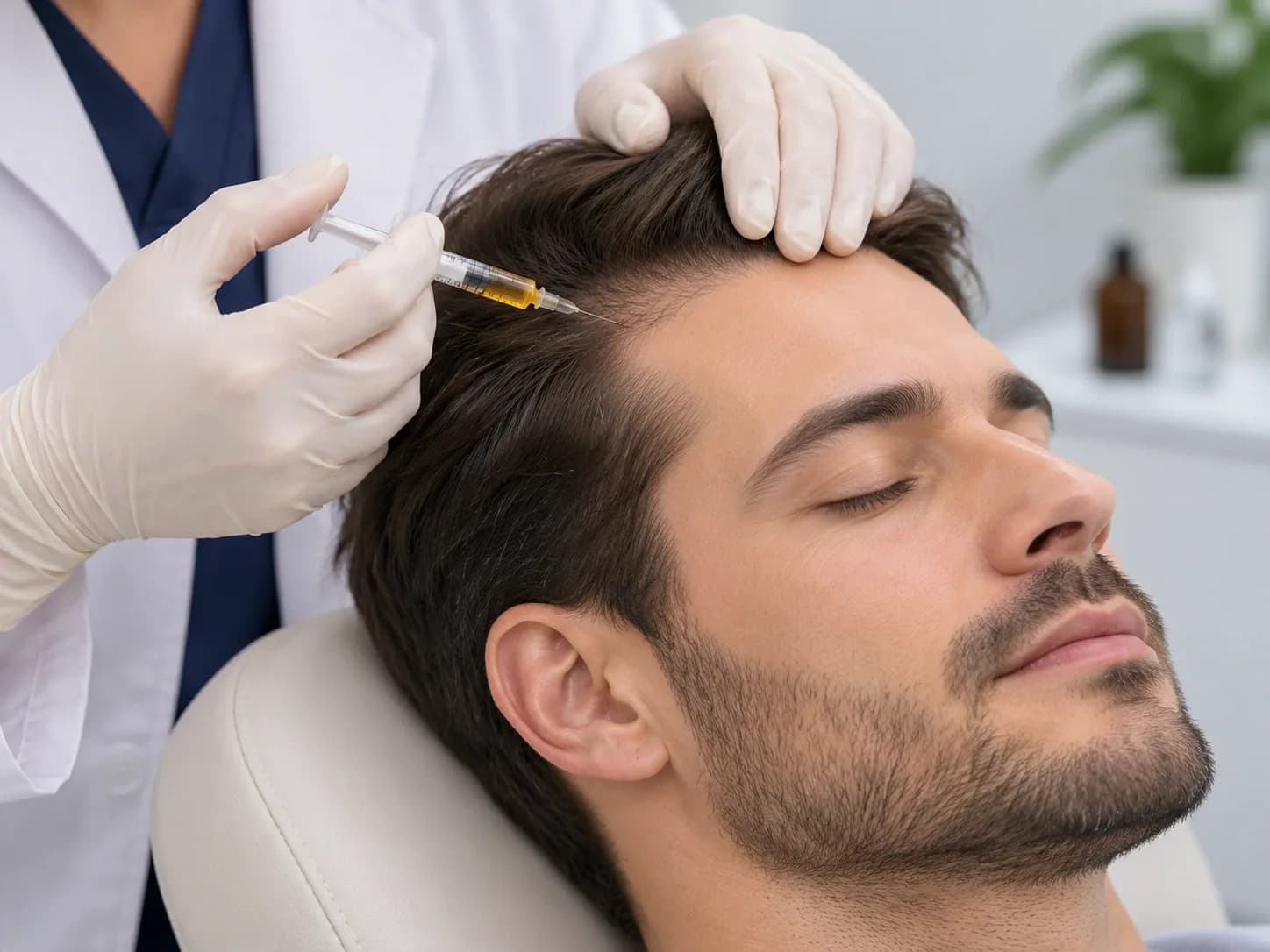
There is no scientifically established number of exosome sessions for hair growth. Some providers offer one session, while others use two or more treatments. Research protocols also vary widely. The appropriate plan depends on the hair-loss diagnosis, the number of active follicles, the exosome product, the delivery method, and the measured response.
Exosome therapy remains an emerging option for hair restoration. Early studies report changes in hair density and hair-shaft thickness, but small samples, different products, and short follow-up periods limit the conclusions. Researchers have not established a standard dose, session count, treatment interval, or maintenance schedule. Al Ameer and colleagues reached this position after reviewing clinical studies across several exosome sources and alopecia types in 2025 (Al Ameer et al. 2025).
A responsible plan therefore starts with diagnosis and baseline measurements. It does not start with a prepaid package of identical sessions. Each additional treatment needs a clear reason and a fresh clinical assessment.
How Many Exosome Sessions Are Usually Recommended for Hair Loss?
Clinical practice may involve one session or a short course, but no single schedule qualifies as a universal standard. A provider may offer one treatment and review the result later. Another may schedule several treatments as part of a defined protocol. These approaches reflect different products and methods rather than one proven rule.
Published research shows this variation clearly. Sasaki studied a single intradermal treatment with bone marrow-derived extracellular vesicles in 2022. Ersan used a different exosome source and treatment method in a prospective study published in 2024. Other studies have used repeated applications, microneedling, or combined formulations. Their results cannot establish one session count for every commercial product (Sasaki 2022; Ersan et al. 2024).
Treatment approach | What the schedule means | Main limitation |
Single session with later review | The practitioner assesses the response before considering another treatment | One exposure may not suit every protocol |
Two or more planned sessions | The product protocol defines an initial course | A planned course does not prove that every session is necessary |
Repeated applications with microneedling | The method combines product exposure with mechanical delivery | Microneedling may contribute to the outcome |
Ongoing maintenance | The practitioner repeats treatment after the initial course | Research has not defined a standard maintenance interval |
Hair protocols also differ from facial exosome protocols. Skin rejuvenation targets other tissues, uses different endpoints, and may involve different products. A facial treatment schedule therefore cannot determine the number of exosome injections for hair loss.
What Determines the Number of Exosome Hair Treatments You Need?
The diagnosis, follicle activity, product characteristics, and observed response determine the treatment plan. Visible thinning alone cannot provide enough information. Two people with similar scalp coverage may have different disorders and different treatment needs.
These factors also interact. The diagnosis identifies the biological problem. Scalp assessment shows how much follicle function remains. Product information defines what the treatment actually contains. Follow-up then shows whether another session has a rational basis.
How Do the Cause and Severity of Hair Loss Affect Session Planning?
The underlying diagnosis matters more than the apparent amount of hair loss. Androgenetic alopecia, telogen effluvium, alopecia areata, nutritional problems, and scarring disorders require different management strategies. A generic exosome schedule cannot address all of them.
Androgenetic alopecia causes progressive follicular miniaturization. Thick terminal hairs gradually become finer and shorter. Early disease may leave many miniaturized but active follicles. Advanced disease may leave fewer follicles that can respond to a nonsurgical treatment. This difference affects realistic goals more than it supports a fixed number of sessions.
Diffuse shedding also needs careful assessment. Iron deficiency, thyroid disease, medication effects, illness, and other triggers may require separate investigation. Repeated exosome sessions could delay appropriate care if the practitioner treats shedding without identifying its cause.
How Do Scalp Condition and Existing Hair Follicles Affect Treatment?
Scalp examination helps show whether treatment aims to support weakened follicles or address areas with extensive follicular loss. The first situation may allow a biological response. The second may require a different restoration strategy.
Trichoscopy uses magnification to examine hair shafts and follicular openings. It can reveal variation in hair diameter, vellus hairs, and other signs of androgenetic alopecia. Kuczara and colleagues identified hair diameter variability as the most common trichoscopic feature in their 2024 systematic review (Kuczara et al. 2024).
These findings provide a baseline for later comparison. They also help distinguish miniaturization from inflammation, scarring, or another disorder. Supporting a weakened follicle differs fundamentally from creating a new follicle in smooth, long-standing bald skin.
How Do the Exosome Product and Protocol Affect the Session Count?
The proposed session count only makes sense in relation to the exact product and administration method. Exosome products may differ in biological source, particle concentration, purification, storage, and quality control. Injection, topical use, and microneedle-assisted delivery also create different exposures.
Exosomes are nanoscale extracellular vesicles that carry biological material between cells. Their contents depend on the source cells and production conditions. A result from one formulation therefore cannot prove the effectiveness of another.
The International Society for Extracellular Vesicles recommends detailed reporting of vesicle source, preparation, characterization, and experimental methods. These standards help researchers determine what a study actually tested (Welsh et al. 2024). Patients can apply the same principle by asking for product identification, manufacturing controls, sterility procedures, and clinical evidence for the proposed schedule.
How Does Individual Response Change the Plan?
The measured response should guide any decision about another session. Age, genetics, disease activity, baseline density, concurrent treatments, and the assessment method can all influence the apparent outcome.
More treatment does not automatically produce more growth. A second session may add cost and procedural risk without adding benefit. It may also obscure the cause of improvement when several therapies start at the same time.
A structured review should compare current findings with baseline records. The practitioner can then continue, modify, pause, or stop the approach. This process gives each session a clinical purpose.
How Far Apart Should Exosome Hair Sessions Be Scheduled?
The interval should follow product-specific evidence and clinical reassessment rather than a standard calendar. Research protocols range from closely spaced treatments to one session followed by months of observation. No study has established one optimal interval for all patients.
Timing must allow enough observation to interpret the response. Scheduling another treatment too early may prevent a useful comparison. Waiting longer does not guarantee a better outcome either. The decision should consider the protocol, scalp condition, tolerability, and any early change in objective measurements.
The time between exosome treatments also differs from the time needed to judge results. A protocol may separate two treatments by several weeks, while the assessment of density continues for several months. Facial treatment intervals cannot resolve this question because hair restoration uses different biological targets and endpoints.
When Should You Expect Results After Exosome Treatment?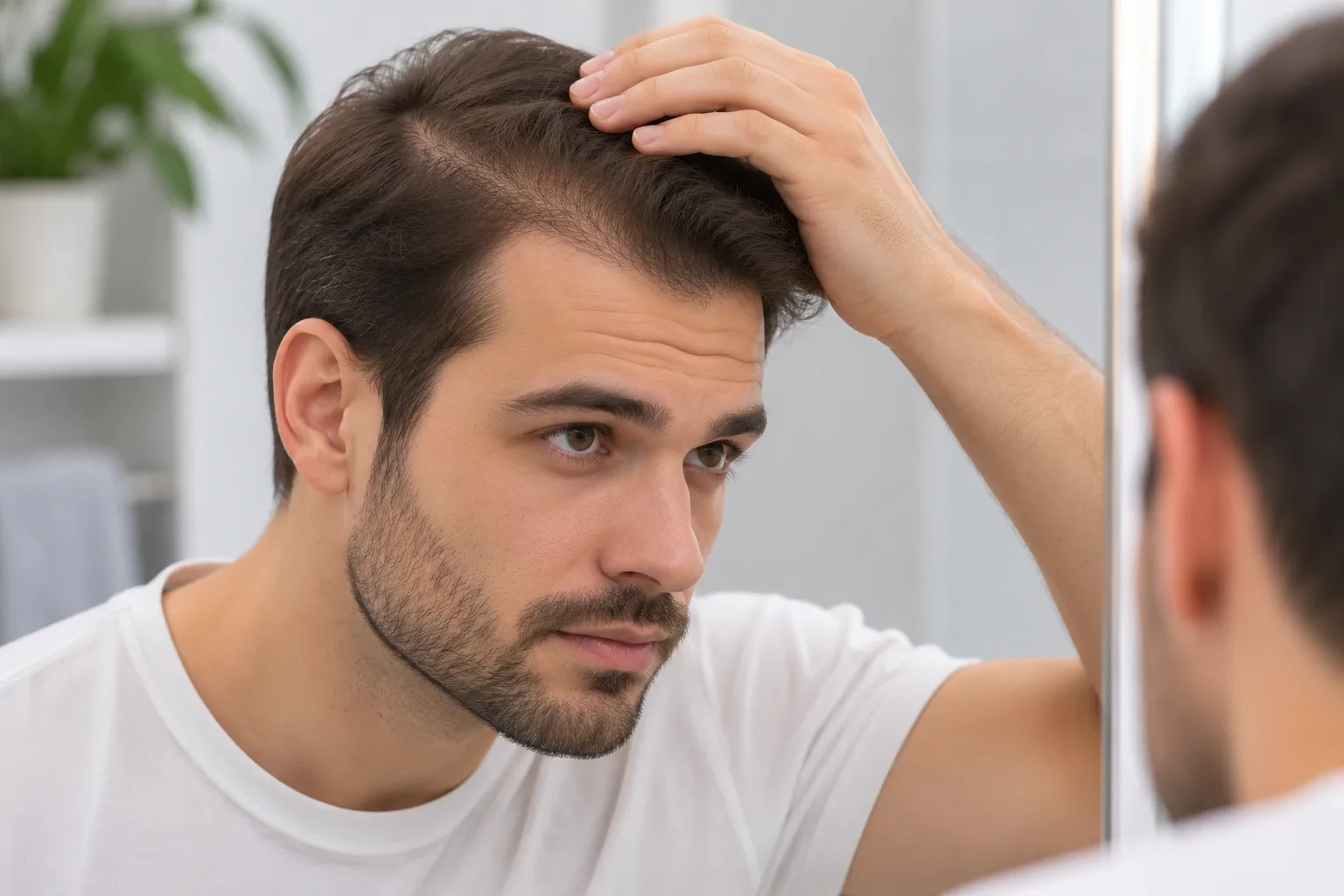
Any visible improvement may take several months, and no fixed date can guarantee a result. Hair follicles cycle through growth, regression, rest, and shedding. A visible change in coverage requires enough time for affected follicles and hair shafts to change.
Follow-up should measure more than appearance under one lighting condition. Standardized photographs, hair density, shaft diameter, and the same scalp locations provide more useful evidence. These records also reduce the chance that styling or hair length will distort the assessment.
Can Early Changes in Shedding and Texture Show Treatment Success?
Early changes in shedding or hair-shaft appearance do not prove new hair growth. Shedding can vary with washing, styling, seasonal factors, illness, and the hair cycle. Texture can also change with grooming products and shaft condition.
These observations may still deserve documentation. They can guide later examination, but they cannot replace density and diameter measurements. A lower shedding count alone cannot establish that follicles have entered a sustained growth phase.
When Can New Hair Growth Become Visible?
Visible regrowth, if it occurs, usually requires months rather than days. A follicle must produce a shaft, and that shaft must grow long enough to contribute to coverage. Miniaturized hairs may also need time to show a measurable change in diameter.
Baseline photographs should use the same camera distance, lighting, hair length, parting, and scalp position. Trichoscopic images should cover marked or otherwise reproducible sites. This method creates a fair comparison and prevents a single flattering photograph from defining success.
When Should Treatment Effectiveness Be Evaluated?
Effectiveness should be evaluated after a clinically appropriate observation period and against baseline findings. The review date should reflect the product protocol, diagnosis, and hair-cycle timing. It should not depend only on the next sales appointment.
Persistent or worsening loss calls for diagnostic reassessment. The practitioner may need to review adherence to other treatments, order targeted tests, or consider another hair disorder. More exosome sessions should not become the automatic response to every disappointing result.
Are Maintenance Exosome Sessions Necessary?
Research has not established that every patient needs maintenance exosome sessions or a standard repeat interval. Maintenance differs from the initial course because it aims to preserve a response rather than produce the first measurable change.
Androgenetic alopecia can continue to progress. This biological feature may support long-term management, but it does not prove that repeated exosome treatment provides the best maintenance method. Established therapies, response durability, patient preferences, safety, and cost also belong in the decision.
A maintenance review should ask three separate questions. Did the initial treatment produce a meaningful benefit? Has that benefit declined? Does current evidence support another session instead of a different management step? This approach prevents indefinite treatment without measurable goals.
Can You Combine Exosome Therapy With PRP or Other Hair Loss Treatments?
Combination treatment may be considered, but research has not established optimal exosome combinations or session numbers. A clinician should define the purpose of each component and review safety, timing, and alternatives.
Combination plans also create an interpretation problem. If two treatments start together, improvement cannot show which one caused the change. Clear records and realistic expectations therefore matter even more.
How Do Exosomes and PRP Differ?
PRP comes from the patient’s blood, while exosome products come from varied biological or manufacturing sources. PRP contains concentrated platelets and their associated signaling molecules. Exosome preparations contain extracellular vesicles and may differ greatly in composition.
PRP has a larger clinical research base for androgenetic alopecia, although its protocols also vary. Donnelly and colleagues reviewed eight randomized trials and one cohort study in 2024. Six studies reported higher hair density with PRP, but most studies carried a moderate risk of bias (Donnelly et al. 2024). This evidence does not make PRP universally superior, and it does not validate a combined PRP-exosome schedule.
Feature | Exosome therapy | PRP therapy |
Source | Varies by product and manufacturing process | Prepared from the patient’s blood |
Main proposed role | Vesicle-mediated cell signaling | Platelet-derived growth signals |
Protocol consistency | Limited | Also variable |
Evidence for combination | Insufficient for standard session guidance | Combination evidence depends on the other treatment |
Best comparison method | Product-specific controlled trials | Standardized preparation and controlled trials |
Can Exosomes Be Combined With Medical Hair Loss Treatments?
A clinician may consider exosomes alongside established care, but exosome sessions should not replace diagnosis or proven treatment without a sound reason. The selected medical treatment should match the cause of hair loss and the patient’s health profile.
The review should cover current medicines, contraindications, previous responses, and adverse effects. It should also define which outcome belongs to each part of the plan. This structure prevents an experimental addition from displacing appropriate care.
Can Exosomes Be Used Before or After a Hair Transplant?
Exosome treatment cannot replace transplantation in areas with extensive follicular loss. Nonsurgical therapy aims to support existing follicles. Transplantation relocates follicles from a donor area to a recipient area.
If a patient considers both procedures, the surgical team should determine the timing. The plan should account for healing, donor capacity, native hair preservation, and uncertainty about adjunctive benefit. Research on other regenerative treatments cannot automatically establish the value of exosomes around surgery.
What Should You Ask Before Booking Multiple Exosome Sessions?
You should ask for evidence, measurable goals, product details, and the total cost before committing to several treatments. A credible consultation should explain both the proposed plan and the reasons to stop or change it.
Use these questions to structure the discussion:
What is my specific hair-loss diagnosis and current stage?
How many functioning follicles does the scalp assessment suggest remain in the treatment area?
Which product will you use, and what is its biological source?
How do you verify identity, concentration, sterility, storage, and quality control?
Which human studies support this product, dose, session count, and interval?
Will you use injections, topical application, or microneedling, and why?
Which baseline photographs and measurements will you record?
What result would justify another session?
What result would lead you to stop treatment or review the diagnosis?
What adverse effects and unresolved safety questions should I consider?
Which established alternatives suit my diagnosis?
What is the full cost of the initial course, follow-up, and proposed maintenance?
These questions shift the decision from a package to a clinical process. They also make uncertainty visible before treatment begins.
What Do Frequently Asked Questions Reveal About Exosome Session Planning?
Most questions about exosome frequency have the same evidence-based answer: the response must guide treatment because no universal schedule exists. The following answers address the main decisions without turning uncertainty into a numerical promise.
Is One Exosome Session Enough for Hair Growth?
One session may form part of a protocol, but research cannot guarantee that one treatment will work or remain sufficient. Sasaki studied a single-session approach, but the retrospective design and additional therapies in some patients limit broad conclusions (Sasaki 2022). A later review should determine whether further treatment has any justification.
Can You Have Two Exosome Sessions for Hair Loss?
Two sessions may appear in an individualized plan, but two does not represent a proven standard. The product, delivery method, tolerability, and initial response should determine whether the second session proceeds.
How Many Months Should You Wait Between Exosome Sessions?
No fixed number of months applies to every exosome hair treatment. The practitioner should use product-specific research and clinical review to set the interval. A schedule borrowed from skin treatment does not provide valid guidance.
How Often Should You Repeat Exosome Hair Treatment?
Maintenance frequency has not been standardized. Repeat treatment should require evidence of prior benefit, a reason to expect further value, and a review of alternatives.
Do More Exosome Sessions Produce Better Results?
More sessions do not necessarily produce better results. Dose-response relationships require controlled research, and repeated exposure may add cost or adverse effects without improving density. Each treatment needs its own rationale.
Are Exosome Hair Treatments Scientifically Proven?
Early clinical findings are promising, but they do not establish a standardized and universally effective treatment. The 2025 systematic review by Al Ameer and colleagues included eleven clinical studies, with improvements in at least one hair parameter. However, differences in design, exosome source, preparation, delivery, and follow-up prevented direct comparison. The authors called for larger, standardized randomized trials before researchers define routine protocols (Al Ameer et al. 2025).
The most reliable answer to “How many exosome sessions?” therefore remains conditional. Diagnosis comes first. Product-specific evidence comes next. Objective follow-up determines whether another session deserves consideration.
References
Al Ameer, Mohammed A., et al. “Exosomes and Hair Regeneration: A Systematic Review of Clinical Evidence Across Alopecia Types and Exosome Sources.” Clinical, Cosmetic and Investigational Dermatology, vol. 18, 2025, pp. 2215–2227.
Donnelly, C., et al. “The Role of Platelet-Rich Plasma in Androgenetic Alopecia: A Systematic Review.” Journal of Cosmetic Dermatology, vol. 23, no. 5, 2024, pp. 1551–1559. doi:10.1111/jocd.16185.
Ersan, Murat, et al. “Effectiveness of Exosome Treatment in Androgenetic Alopecia: Outcomes of a Prospective Study.” Aesthetic Plastic Surgery, vol. 48, no. 21, 2024, pp. 4262–4271. doi:10.1007/s00266-024-04332-3.
Kuczara, Agata, et al. “Trichoscopy of Androgenetic Alopecia: A Systematic Review.” Journal of Clinical Medicine, vol. 13, 2024. PubMed PMID: 38610726.
Sasaki, Gordon H. “Clinical Use of Extracellular Vesicles in the Management of Male and Female Pattern Hair Loss: A Preliminary Retrospective Institutional Review Board Safety and Efficacy Study.” Aesthetic Surgery Journal Open Forum, vol. 4, 2022, ojac045.
Welsh, Joshua A., et al. “Minimal Information for Studies of Extracellular Vesicles (MISEV2023): From Basic to Advanced Approaches.” Journal of Extracellular Vesicles, vol. 13, 2024, e12404.