
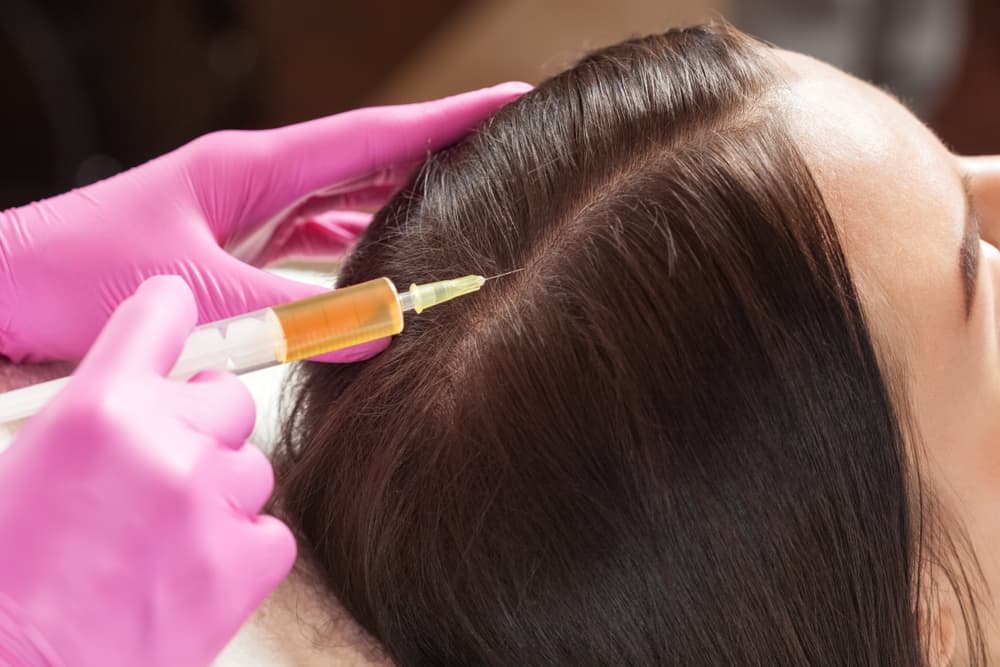
How Does PRP Hair Treatment Work?
PRP hair treatment works by concentrating platelets from your own blood and injecting them into your scalp.
PRP hair treatment works by concentrating platelets from your own blood and injecting them into your scalp. These platelets release growth factors that stimulate dormant follicles, improve blood supply, and extend the active growth phase of your hair.
Hair loss affects millions of people worldwide. Many individuals seek solutions that avoid surgery and daily medication routines. Platelet-rich plasma therapy has emerged as a leading regenerative option. This treatment uses your own blood cells to trigger natural healing in your scalp. Doctors have applied PRP in orthopedics, wound care, and dentistry for decades. Now dermatologists and hair restoration specialists use this same technology to combat thinning hair. This article explains the complete science behind PRP hair restoration. You will learn how doctors prepare the solution, what happens inside your follicles, and what clinical studies reveal about real results.
What Is PRP Hair Treatment?
PRP hair treatment is a non-surgical procedure that uses concentrated platelets from your own blood to stimulate hair growth and improve follicle health.
PRP stands for platelet-rich plasma. This substance comes from your blood. It contains a high concentration of platelets suspended in plasma. Platelets are small cell fragments that normally help your body stop bleeding and repair tissue. Scientists discovered that these same platelets store powerful proteins called growth factors. When doctors concentrate these platelets and inject them into your scalp, the growth factors activate nearby cells. This process triggers tissue repair and cellular regeneration. PRP therapy has gained popularity because it uses autologous material. This means the treatment comes from your own body. It carries minimal risk of rejection or allergic reaction.
What Is Platelet-Rich Plasma Exactly?
Platelet-rich plasma is a blood product that contains three to five times more platelets than normal circulating blood.
Your blood contains red blood cells, white blood cells, plasma, and platelets. Whole blood flows through your veins every day. PRP is not whole blood. Technicians separate the platelets from other components through centrifugation. The resulting plasma holds a dense concentration of platelets. These platelets contain alpha granules. These granules store over thirty different bioactive proteins and growth factors. When platelets activate, they release these substances into surrounding tissue. This release starts a cascade of healing events. Medical professionals have used PRP to treat tendon injuries, joint problems, and skin wounds. Hair restoration specialists now apply this same biological principle to weakened hair follicles.
Why Do Doctors Use PRP for Hair Loss?
Doctors use PRP for hair loss because platelets deliver growth factors directly to follicles, trigger natural healing, and avoid synthetic chemicals.
Hair follicles are mini-organs embedded in your skin. They cycle through growth, rest, and shedding phases. In androgenetic alopecia, follicles shrink over time. They produce thinner, shorter hairs. Eventually they stop producing visible hair altogether. PRP interrupts this decline. The concentrated platelets release signals that wake up sluggish follicles. They improve blood flow to the root. They reduce inflammation around the bulb. This treatment offers a natural alternative to daily pills or topical solutions. Patients appreciate that PRP uses their own biology rather than foreign chemicals. The procedure requires no incisions. It leaves no linear scars. You can resume normal activities within a day.
How Does PRP Hair Treatment Work?
PRP hair treatment works through a four-step process that isolates healing platelets from your blood and delivers them directly into thinning areas of your scalp.
The entire procedure takes place in a clinical setting. A trained medical professional performs each step. The process follows strict sterile protocols. No general anesthesia is required. Most patients complete the session within sixty to ninety minutes. The treatment stimulates follicles through biological signaling rather than mechanical implantation. Understanding each step helps you know what to expect and why each phase matters.
How Do Doctors Collect Blood for PRP?
Doctors collect blood for PRP by drawing a small sample from your arm using a standard syringe and anticoagulant tube.
The blood draw resembles a routine laboratory test. The clinician cleans your arm with antiseptic solution. They insert a small needle into a vein near your elbow. They extract between ten and twenty milliliters of blood. This volume is sufficient for scalp treatment. The blood flows into specialized tubes that contain anticoagulant. This additive prevents the blood from clotting before centrifugation. The entire draw takes less than five minutes. You may feel a brief pinch. No sedation is necessary. The collected blood then moves to the processing station.
How Does Centrifugation Separate Platelets?
Centrifugation separates platelets by spinning the blood sample at high speed, which forces heavy red blood cells to the bottom and leaves platelet-rich plasma at the top.
The technician places the blood tubes into a centrifuge machine. This device spins the samples at a specific speed for a set duration. Common protocols use speeds between fifteen hundred and three thousand revolutions per minute. The spin lasts ten to twenty minutes. The spinning force pushes dense red blood cells to the bottom of the tube. White blood cells form a thin middle layer. The plasma and platelets rise to the top. The technician then extracts the upper layer. This layer contains the concentrated platelets. Some protocols use double-spin techniques. The first spin removes red cells. The second spin further concentrates the platelets. The final product contains a platelet count that exceeds baseline levels by threefold to fivefold.
How Do Technicians Prepare the PRP Solution?
Technicians prepare the PRP solution by extracting the platelet-rich plasma layer and transferring it into a sterile syringe for injection.
After centrifugation, the technician carefully removes the plasma layer. They avoid disturbing the red blood cell layer below. Some protocols add calcium chloride or thrombin to activate the platelets. Others use the patient's own body heat and tissue contact to trigger activation at the injection site. The technician draws the prepared PRP into small syringes. They may use insulin needles or specialized mesotherapy needles. The solution remains at room temperature. It must be used within a few hours of blood collection. Delay reduces platelet viability. The preparation phase typically takes twenty to thirty minutes. Quality control ensures the concentration meets therapeutic thresholds.
How Do Doctors Inject PRP Into the Scalp?
Doctors inject PRP into the scalp using fine needles to place small amounts of plasma into the dermal layer across thinning areas.
The clinician maps the treatment zones before starting. They identify areas of visible thinning or reduced density. They may apply topical numbing cream to minimize discomfort. The clinician then inserts the needle at multiple points across the scalp. They deposit tiny aliquots of PRP at consistent intervals. The injections penetrate approximately two to four millimeters into the skin. This depth places the growth factors near the hair follicle bulbs. A typical session involves fifty to one hundred injection points. The procedure causes mild pressure or pinching sensations. Most patients tolerate the process without oral pain medication. The entire injection phase lasts fifteen to thirty minutes.
What Happens Biologically After PRP Injection?
Biological activation begins immediately after injection as platelets release growth factors that trigger cellular repair and vascular improvement.
Once inside the scalp tissue, the platelets encounter collagen and tissue factors. These encounters activate the platelets. The alpha granules inside the platelets open. They release a cocktail of proteins into the surrounding extracellular space. Fibroblasts respond by producing new collagen. Endothelial cells start forming tiny blood vessels. Stem cells in the hair follicle bulge receive activation signals. This cascade starts within minutes. It continues for days and weeks. The biological response does not create new follicles from nothing. Instead, it revitalizes existing follicles that have entered a dormant or weakened state.
What Is the Science Behind PRP Hair Growth?
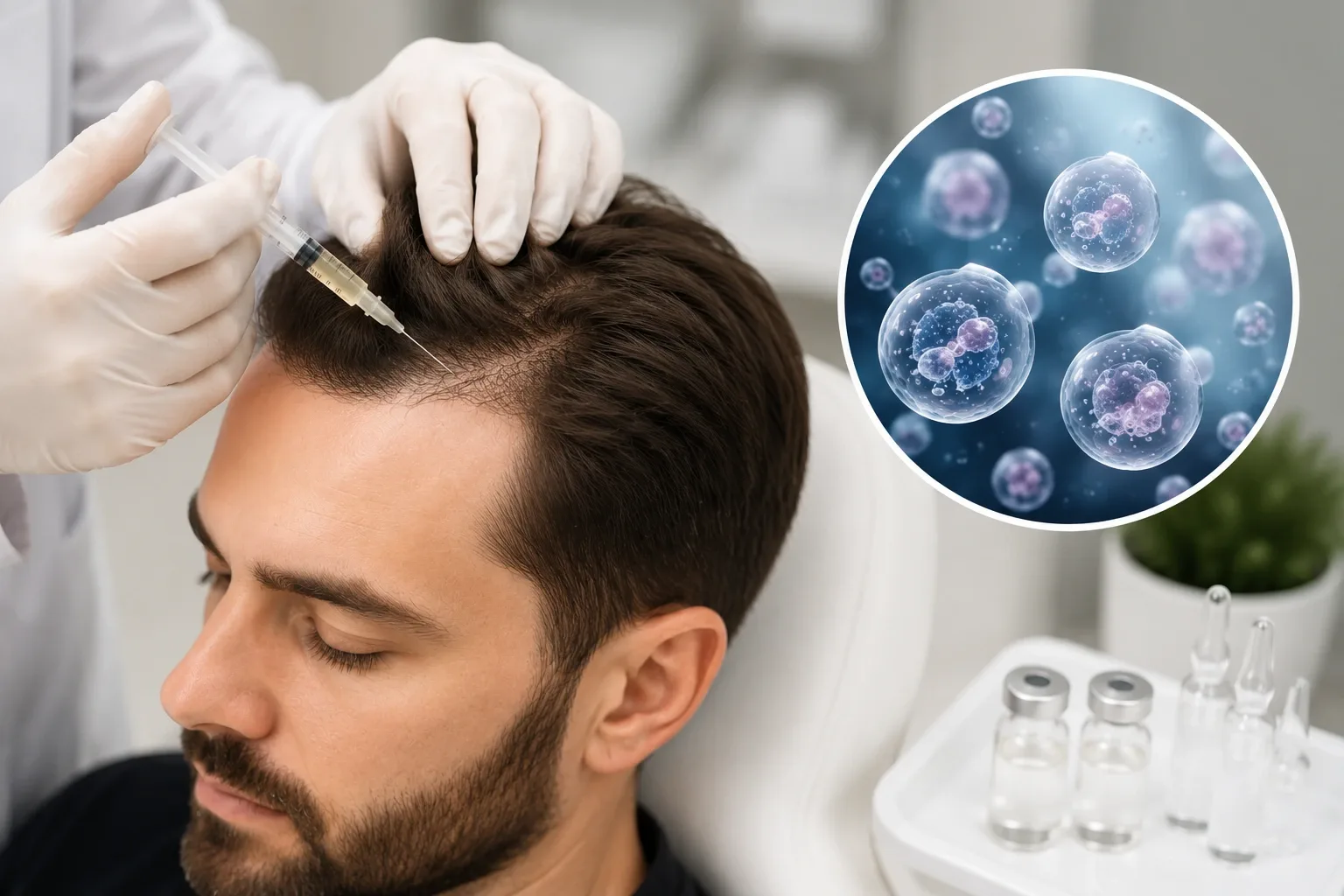
The science behind PRP hair growth centers on specific proteins called growth factors that platelets release to stimulate follicle cells and improve scalp circulation.
Platelets are not empty cell fragments. They are storage vessels for powerful signaling molecules. When doctors concentrate these platelets and place them near hair follicles, the released proteins trigger multiple repair pathways. Each growth factor plays a distinct role. Some encourage new blood vessel formation. Others stimulate cell division. Some protect follicles from premature shrinkage. Researchers have identified the key players in this process. Clinical studies measure these molecules to understand why PRP produces results in some patients.
Which Growth Factors Do Platelets Release?
Platelets release seven key growth factors that regulate tissue repair, blood vessel formation, and cellular proliferation.
Growth Factor | Primary Function in Hair Restoration |
Platelet-Derived Growth Factor (PDGF) | Stimulates dermal papilla cells and triggers cell proliferation |
Vascular Endothelial Growth Factor (VEGF) | Builds new blood vessels around follicles |
Transforming Growth Factor-beta (TGF-β) | Regulates cell growth and reduces inflammation |
Epidermal Growth Factor (EGF) | Speeds up skin cell turnover and follicle repair |
Insulin-like Growth Factor-1 (IGF-1) | Extends the active growth phase of hair |
Fibroblast Growth Factor (FGF) | Supports connective tissue and follicle anchoring |
Hepatocyte Growth Factor (HGF) | Protects follicle cells from damage |
Ren et al. (2024) analyzed these growth factors in forty-six patients with androgenetic alopecia. They found that higher concentrations of PDGF-BB correlated strongly with increased hair caliber. This finding supports the theory that specific growth factors drive measurable outcomes (Ren et al. 2024).
How Do These Growth Factors Affect Hair Follicles?
These growth factors affect hair follicles by increasing blood supply, stimulating stem cells, and extending the active growth phase.
Each growth factor targets a different aspect of follicle biology. VEGF builds new capillaries around the follicle bulb. This improved blood supply delivers more oxygen and nutrients. PDGF activates dermal papilla cells. These cells sit at the base of the follicle and control hair growth cycles. IGF-1 signals follicles to remain in the anagen phase longer. This phase is the active growth period. EGF and FGF support the structural tissues that anchor the hair shaft. TGF-β calms inflammatory processes that can damage follicles. Together, these proteins create a nourishing microenvironment. They do not generate brand-new follicles. They rescue follicles that have miniaturized due to genetic or hormonal factors.
Which Types of Hair Loss Respond Best to PRP?
PRP responds best to early androgenetic alopecia, diffuse thinning, and post-transplant recovery support. It helps less when follicles are completely gone or scarred.
Not all hair loss conditions behave the same way. PRP works by revitalizing existing follicles. This means the treatment needs viable follicle structures to target. Some conditions preserve these structures. Others destroy them. Understanding which categories respond best helps set realistic expectations. Your doctor will examine your scalp and review your medical history before recommending PRP.
Does PRP Work for Androgenetic Alopecia?
PRP works well for androgenetic alopecia because it counteracts follicle miniaturization in both men and women.
Androgenetic alopecia is the most common form of hair loss. It affects up to eighty percent of men and forty percent of women at some point. In this condition, dihydrotestosterone shrinks follicles over time. Hairs become thinner and shorter. PRP delivers growth factors that oppose this shrinkage. Gkini et al. (2014) demonstrated that PRP could serve as a potential treatment for androgenetic alopecia by acting on stem cells in the follicle bulge and promoting neovascularization. The treatment works best when follicles still produce some hair. It cannot reverse completely bald areas where follicles have disappeared.
Can PRP Treat Early Hair Thinning?
PRP can treat early hair thinning very effectively because follicles remain active and responsive to growth signals.
Early thinning represents the ideal window for PRP intervention. At this stage, follicles have started to weaken but still function. They produce finer hairs. The follicle structure remains intact. Growth factors can easily reach these follicles and trigger repair. Patients who start treatment early often see the most dramatic improvements. They experience reduced shedding. They notice thicker individual strands. They maintain density longer. Starting PRP before significant bald patches appear yields the best long-term outcomes.
Does PRP Help Diffuse Hair Loss?
PRP helps diffuse hair loss by delivering growth factors across a broad area of the scalp rather than targeting isolated patches.
Diffuse hair loss causes uniform thinning across the top of the head. Patients notice reduced ponytail volume or wider part lines. This pattern appears in women with female pattern hair loss and in some men. PRP injections spread across the thinning zone. The growth factors reach many follicles simultaneously. This broad coverage matches the distribution of the hair loss. Patients with diffuse thinning often see improved overall density. They report less visible scalp through the hair.
Can PRP Support Hair Transplant Recovery?
PRP can support hair transplant recovery by improving graft survival and accelerating healing in the recipient area.
Surgeons have used PRP as an adjunct to hair transplantation for years. Uebel et al. showed that pretreating follicular units with PRP before transplantation improved hair growth and density. When surgeons implant grafts into PRP-treated scalp, the growth factors reduce trauma to the tissue. They improve blood supply to the new follicles. They speed up the healing of tiny incisions. Patients who receive PRP after transplantation often see faster growth from transplanted hairs. They also experience reduced shock loss in surrounding native hairs.
When Is PRP Less Effective?
PRP is less effective when patients have completely bald scalp areas, scarred follicles, or untreated medical causes of hair loss.
PRP cannot create new follicles. If an area has been bald for years and shows smooth, shiny skin, the follicles are likely gone. PRP cannot restore what no longer exists. Scarred areas from burns, radiation, or cicatricial alopecia also resist treatment. The scar tissue blocks growth factor penetration. Additionally, PRP will not help if an underlying medical issue drives the hair loss. Thyroid disorders, iron deficiency, and autoimmune diseases require specific medical treatment first. PRP works best as a targeted therapy for follicle miniaturization. It does not replace comprehensive medical evaluation.
What Happens Inside the Hair Follicle After PRP?
Inside the hair follicle, PRP triggers new blood vessel formation, stem cell activation, and reduced inflammation that collectively strengthen the hair growth cycle.
The hair follicle is a complex structure. It contains stem cells, dermal papilla cells, and a network of tiny blood vessels. When PRP enters the surrounding tissue, it changes the chemical environment. The growth factors bind to receptors on follicle cells. These cells receive instructions to divide, repair, and sustain growth. Multiple biological processes occur simultaneously. Each process contributes to visible improvements in hair density and thickness.
Does PRP Improve Blood Vessel Formation Around Follicles?
PRP improves blood vessel formation around follicles by releasing VEGF, which stimulates angiogenesis in the scalp tissue.
Angiogenesis is the formation of new blood vessels. Hair follicles need a rich blood supply to grow thick, healthy hairs. In thinning areas, blood flow often decreases. VEGF from activated platelets signals endothelial cells to form new capillaries. These tiny vessels branch around the follicle bulb. They deliver oxygen, amino acids, and micronutrients. They also remove waste products. Improved circulation creates a healthier foundation for hair growth. Studies show that increased vascular structures around follicles correlate with better hair density.
Does PRP Activate Hair Follicle Stem Cells?
PRP activates hair follicle stem cells by delivering signals that transition them from dormancy into active growth mode.
Stem cells reside in the bulge region of the follicle. They normally remain quiet until the growth phase begins. In thinning scalps, these stem cells become sluggish. They fail to regenerate the follicle properly. Growth factors from PRP, particularly PDGF and FGF, bind to stem cell receptors. This binding triggers a signaling cascade. The stem cells start dividing. They produce new cells that migrate down to the follicle bulb. These cells rebuild the follicle structure. This activation is essential for sustained regrowth.
Does PRP Increase Cell Proliferation in Follicles?
PRP increases cell proliferation in follicles by stimulating dermal papilla cells and matrix cells to divide more rapidly.
The dermal papilla sits at the base of the follicle. It acts as the command center for hair growth. Matrix cells surround the papilla. They divide rapidly to produce the hair shaft. When these cells slow down, hairs become thin and weak. PRP growth factors accelerate the division rate. More matrix cells enter the production line. The follicle generates a thicker hair shaft. The papilla enlarges. This cellular proliferation is measurable in biopsy studies. Treated follicles show increased Ki-67 staining. This marker indicates active cell division.
Does PRP Reduce Inflammation Around Follicles?
PRP reduces inflammation around follicles by releasing TGF-β and other anti-inflammatory cytokines that calm irritated tissue.
Chronic low-grade inflammation contributes to follicle damage in many patients. Inflammatory cells release cytokines that harm follicle structures. TGF-β from platelets modulates the immune response. It suppresses excessive inflammatory activity. It promotes regulatory T-cell function. This anti-inflammatory effect protects the follicle bulb. It preserves the integrity of the dermal papilla. Reduced inflammation allows other growth factors to work more effectively. The scalp environment shifts from damaging to supportive.
Does PRP Extend the Hair Growth Cycle?
PRP extends the hair growth cycle by keeping follicles in the anagen phase longer and delaying the transition to the resting phase.
Hair follicles cycle through anagen, catagen, and telogen. Anagen is the growth phase. It lasts two to seven years in healthy scalps. In thinning scalps, anagen shortens. Follicles enter the resting phase too early. They shed hairs prematurely. IGF-1 and other platelet-derived factors signal follicles to remain in anagen. This prolongation means each hair grows longer and thicker before shedding. Over time, more follicles remain in the active phase simultaneously. This shift increases overall density.
Does PRP Enhance Hair Shaft Thickness?
PRP enhances hair shaft thickness by increasing the diameter of individual hairs produced by revitalized follicles.
As follicles miniaturize, they produce vellus hairs. These are thin, pale, and short. PRP reverses this trend. The improved cell proliferation and blood supply allow the follicle to build a thicker hair shaft. Trichoscopy studies measure this change. Patients show increased mean hair diameter after three to six months. The hairs transition from vellus to terminal type. Terminal hairs are thick, pigmented, and long. This change in hair quality makes a visible difference even before new hairs appear.
What Does the PRP Hair Treatment Procedure Timeline Look Like?
The PRP hair treatment procedure timeline includes an initial consultation, a sixty-to-ninety-minute treatment session, brief recovery, and a series of follow-up appointments.
PRP is not a one-time fix. It requires a structured protocol. The initial phase builds momentum. The maintenance phase preserves gains. Each stage serves a specific purpose. Patients who follow the complete timeline achieve better outcomes than those who stop after one session.
What Happens During the Initial Consultation?
During the initial consultation, the doctor examines your scalp, reviews your medical history, and determines whether PRP suits your specific hair loss pattern.
The clinician uses dermoscopy or trichoscopy to assess follicle health. They photograph the thinning areas. They measure baseline hair density and diameter. They ask about medications, allergies, and previous treatments. They check for contraindications such as blood disorders or active infections. They explain the expected timeline and set realistic goals. They design a personalized injection map. This consultation ensures you are a suitable candidate before proceeding.
What Occurs During a Treatment Session?
During a treatment session, the medical team draws your blood, processes it in a centrifuge, and injects the PRP into mapped thinning areas.
You arrive with clean hair. The team draws blood from your arm. They process the sample while you wait. They prepare the scalp with antiseptic solution. They perform the injections using fine needles. The session lasts about one hour. You remain awake throughout. You can listen to music or relax. After the injections, the team reviews aftercare instructions. You leave the clinic the same day.
What Is the Immediate Recovery Period Like?
The immediate recovery period involves mild scalp tenderness and slight redness that typically resolves within twenty-four to forty-eight hours.
Most patients return to work the next day. You should avoid washing your hair for twenty-four hours. You should skip strenuous exercise for two days. You should avoid direct sun exposure and swimming pools for three days. The tiny injection points heal quickly. No bandages are required. Some patients notice a mild headache. This resolves with hydration and rest. The downtime is minimal compared to surgical procedures.
How Many Follow-Up Sessions Are Needed?
Most patients need three to four initial sessions spaced four to six weeks apart for optimal follicle stimulation.
The first session primes the follicles. The second session reinforces the signals. The third and fourth sessions consolidate the improvements. Each session builds on the previous one. Skipping sessions reduces the cumulative effect. The exact number depends on your hair loss severity and response rate. Your doctor may adjust the interval based on your progress. Consistency matters more than intensity.
What Does Maintenance Treatment Involve?
Maintenance treatment involves periodic booster sessions every four to six months to sustain hair density and follicle health.
After the initial series, follicles remain active but may weaken over time. Maintenance injections remind the follicles to stay in the growth phase. Patients who commit to maintenance preserve their results longer. Those who stop completely may see gradual thinning return. The maintenance schedule is flexible. Some patients need sessions every three months. Others maintain results with twice-yearly visits. Your doctor monitors your progress and adjusts accordingly.
When Can Patients Expect Results from PRP?
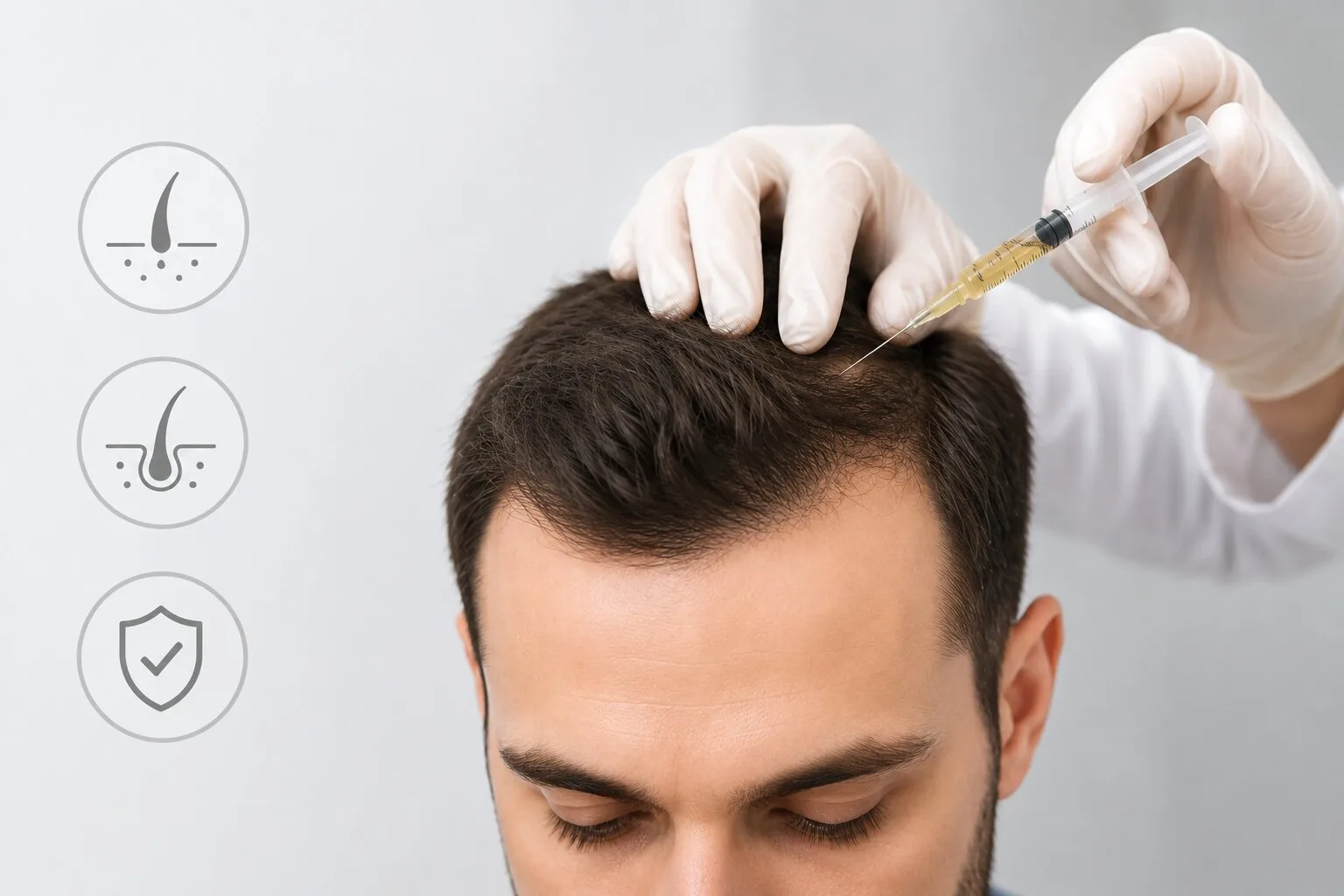
Patients can expect initial results from PRP within three months, with significant improvements appearing between six and twelve months.
Hair growth is a slow process. Follicles do not transform overnight. They need time to receive signals, activate cells, and produce new hairs. The timeline varies by individual. Age, hair loss stage, and overall health all influence speed. Most patients notice a sequence of improvements. Each milestone indicates that the biological process is working.
What Changes Occur in the First Month?
In the first month, patients typically notice reduced shedding and improved scalp sensation rather than visible new growth.
The initial injections trigger a reset in the hair cycle. Some patients experience temporary shedding. This is normal. Old hairs fall out to make room for new growth. The scalp may feel tighter or healthier. You might see less hair in your shower drain. These early signs indicate that follicles are responding. Do not panic if you see increased shedding initially. This phase usually resolves within weeks.
What Improvements Appear at Three Months?
At three months, patients usually see early regrowth in the form of fine new hairs and reduced visibility of the scalp.
The first three sessions are typically complete by this point. New hairs emerge from activated follicles. They appear as soft, fine strands along the hairline or crown. Existing hairs feel thicker. The scalp shows less transparency. Photographs often reveal measurable changes. Your doctor may perform a pull test. A negative pull test indicates reduced shedding activity. This is a positive milestone.
What Results Show at Six Months?
At six months, patients generally experience noticeable increases in hair density, thicker strands, and improved coverage.
By the six-month mark, the anagen phase has extended for multiple follicles. Terminal hairs replace vellus hairs. The hair shaft diameter increases. Patients report that their hair feels fuller. Styling becomes easier. The crown and temples show better coverage. Clinical photographs reveal clear improvements. This is often the point where patients feel most satisfied with their decision to start treatment.
What Can Patients Expect at Twelve Months?
At twelve months, patients achieve optimal results with sustained density, maintained thickness, and a stabilized hair loss pattern.
The full growth cycle completes within this timeframe. Hair density reaches its peak for the current treatment phase. The results stabilize. Patients transition into maintenance mode. Some may combine PRP with other therapies at this stage. Annual photographs document the transformation. The improvement is gradual but real. It is important to compare your twelve-month results with your baseline photos rather than with other patients.
What Does Scientific Evidence Say About PRP Hair Treatment?
Scientific evidence shows that PRP increases hair density and thickness in many patients, though study protocols vary and researchers call for more standardized trials.
Researchers have published numerous clinical trials, systematic reviews, and meta-analyses on PRP for hair loss. The body of evidence grows each year. Most studies focus on androgenetic alopecia. They measure hair count, density, diameter, and patient satisfaction. The overall trend supports PRP efficacy. However, some studies show conflicting results. This variation stems from differences in preparation methods, injection techniques, and patient selection.
What Do Clinical Studies Find About PRP Efficacy?
Clinical studies find that PRP increases hair density by approximately twenty-eight hairs per square centimeter and improves patient satisfaction scores.
Lopes-Silva and Santos (2024) conducted a comprehensive evaluation of randomized trials published between 2020 and 2024. They analyzed eleven studies with 684 participants. They found that most trials reported significant increases in hair density on PRP-treated sides compared to placebo. Qu et al. (2021) performed a split-head study. They injected PRP into one half of the scalp and saline into the other. After three treatments, the PRP side showed significant improvements in hair count, density, and diameter. The average expert score for the PRP side was 4.36 out of 5, compared to 2.15 for the placebo side (Lopes-Silva and Santos 2024).
A 2024 meta-analysis published in Anais Brasileiros de Dermatologia examined fourteen randomized clinical trials. The meta-analysis demonstrated a mean difference of 27.55 hairs per square centimeter in favor of PRP over placebo. The analysis included 431 patients. The researchers concluded that PRP effectively increases hair density in androgenetic alopecia, though they noted high heterogeneity among studies and recommended further high-quality trials ("Is autologous platelet-rich plasma capable" 2024).
What Does Current Research Say About PRP Protocols?
Current research says that platelet concentration, activation method, and injection technique all influence PRP outcomes, but standardized protocols remain elusive.
Singh and Singh (2023) examined whether platelet concentration and activation impacted treatment outcomes. They found that higher platelet counts boosted both density and thickness. The group with the highest platelet concentration showed a forty-two percent increase in density. This study confirmed that not all PRP is equal. Preparation matters. Ozcan et al. (2022) compared microneedling with PRP versus point-by-point injections. Both methods improved hair count and density significantly. This suggests that delivery method may be flexible. However, Gressenberger et al. (2020) found no significant difference between PRP and placebo in their trial. These mixed results highlight the need for uniform protocols. Researchers agree that standardizing centrifugation speeds, platelet counts, and injection depths would improve consistency across clinics.
What Are the Benefits of PRP Hair Treatment?
The benefits of PRP hair treatment include natural biological action, minimal downtime, low allergy risk, and compatibility with other hair loss therapies.
PRP offers distinct advantages over traditional treatments. It does not introduce synthetic chemicals into your body. It does not require daily application. It does not cause systemic hormonal changes. These benefits make it attractive to patients who want effective results without significant lifestyle disruption.
Is PRP a Natural Treatment?
PRP is a natural treatment because it uses your own blood components without synthetic drugs or foreign substances.
The solution comes entirely from your body. It contains no manufactured chemicals. It produces no systemic side effects. Your immune system recognizes it as self. This natural origin appeals to patients who prefer holistic approaches. It also aligns with the growing trend toward regenerative medicine. The treatment enhances your body's own repair mechanisms rather than overriding them.
Does PRP Use the Patient's Own Blood?
PRP uses the patient's own blood, which eliminates the risk of disease transmission and allergic reactions.
Autologous treatment is one of the safest categories in medicine. Since the blood comes from your own veins, there is no donor mismatch. There is no risk of HIV, hepatitis, or other blood-borne infections. There is no risk of graft-versus-host disease. The only additives are anticoagulants used during processing. Even these are generally well-tolerated. This safety profile makes PRP suitable for a wide range of patients.
Does PRP Require Minimal Downtime?
PRP requires minimal downtime, with most patients resuming normal activities within twenty-four hours.
The procedure involves only injections. There are no incisions. There are no sutures. There is no general anesthesia. You can drive yourself home. You can return to work the next day. You can shower after twenty-four hours. This convenience fits busy schedules. It avoids the extended recovery associated with surgical hair restoration.
Does PRP Carry a Low Risk of Allergic Reactions?
PRP carries a very low risk of allergic reactions because the plasma is autologous and contains no foreign proteins.
Allergic reactions occur when the immune system attacks foreign substances. Since PRP is your own tissue, this reaction is extremely rare. The only potential allergens are anticoagulants or topical numbing agents. Your doctor will review your allergy history before treatment. Compared to topical minoxidil, which can cause scalp irritation and unwanted facial hair growth, PRP has a cleaner side effect profile. Compared to oral finasteride, which can cause sexual side effects and mood changes, PRP avoids systemic hormonal disruption.
Can PRP Combine with Other Hair Loss Treatments?
PRP can combine with minoxidil, finasteride, low-level laser therapy, microneedling, and hair transplantation for enhanced results.
Combination therapy often outperforms monotherapy. PRP provides the biological signal. Other treatments provide complementary mechanisms. Minoxidil opens potassium channels and improves local blood flow. Finasteride blocks dihydrotestosterone conversion. Low-level laser therapy stimulates cellular energy production. Microneedling creates microchannels that enhance PRP penetration. Hair transplantation adds new follicles while PRP protects existing ones. Shah et al. (2023) compared PRP directly with topical minoxidil. They reported a 91.7 percent negative hair pull rate in the PRP group versus 69.4 percent in the minoxidil group after twelve weeks. This suggests PRP may outperform minoxidil alone in certain populations (Shah et al. 2023). Wu et al. (2023) found that combining PRP with minoxidil yielded even greater improvements than either treatment alone.
What Are the Limitations of PRP Therapy?
The limitations of PRP therapy include variable results, the need for multiple sessions, ongoing maintenance requirements, and the inability to create new follicles.
PRP is not a miracle cure. It has clear boundaries. Understanding these limitations helps patients maintain realistic expectations. It also guides proper candidate selection. Doctors who communicate these limits build trust and achieve higher patient satisfaction.
Do PRP Results Vary Between Individuals?
PRP results vary between individuals because age, genetics, health status, and platelet quality differ from person to person.
No two patients are identical. A thirty-year-old with early thinning will respond differently than a sixty-year-old with advanced loss. Platelet concentration varies by baseline blood counts. Some patients produce more growth factors than others. Lifestyle factors like smoking, stress, and nutrition also influence outcomes. This variability means that results are not guaranteed. Some patients see dramatic improvement. Others see modest gains. A small percentage sees minimal change.
Does PRP Require Multiple Sessions?
PRP requires multiple sessions because a single injection cannot sustain the biological signals needed for lasting follicle activation.
One session releases growth factors for a limited time. The initial burst lasts days to weeks. Follicles need repeated reminders to stay active. The initial series of three to four sessions builds cumulative effect. Each session reinforces the previous signals. Skipping sessions breaks the chain. Patients who complete the full series achieve better density than those who stop early.
Is Maintenance Necessary After Initial PRP Treatment?
Maintenance is necessary after initial PRP treatment because the underlying causes of hair loss continue over time.
Androgenetic alopecia is a chronic condition. It does not stop on its own. PRP counteracts the process but does not cure it. Without maintenance, the hormonal and genetic factors resume their effect. Follicles may re-enter the miniaturization pathway. Maintenance sessions sustain the protective environment. They are essential for long-term preservation of results.
Can PRP Create New Hair Follicles?
PRP cannot create new hair follicles. It can only revitalize existing follicles that have weakened or entered dormancy.
This is the most important limitation to understand. If your scalp has been bald for years and shows smooth skin, the follicles are gone. PRP cannot regenerate them. It does not perform the function of hair transplantation, which physically relocates follicles from donor areas. PRP works best as a preservation and strengthening tool. It helps you keep what you have. It may improve it. But it cannot replace lost follicles.
Do Treatment Protocols Differ Between Clinics?
Treatment protocols differ between clinics because no universal standard governs centrifugation speed, platelet concentration, or injection depth.
Some clinics use single-spin preparation. Others use double-spin. Some activate platelets with calcium. Others rely on natural tissue activation. Injection intervals vary from weekly to monthly. Volume per injection varies from two to five milliliters. This lack of standardization contributes to variable outcomes. It also makes direct comparison between studies difficult. Patients should ask their provider about specific preparation methods and expected platelet concentrations.
Are There Any Risks or Side Effects with PRP?
PRP carries minimal risks. Common side effects include temporary pain, swelling, and redness. Rare complications include infection or nerve irritation.
PRP is one of the safest procedures in aesthetic and regenerative medicine. The autologous nature eliminates most serious risks. However, any injection carries some potential for adverse events. Knowing these risks helps you prepare and recognize normal versus abnormal responses.
What Are Common Temporary Side Effects?
Common temporary side effects include mild pain at injection sites, slight swelling, tenderness, redness, and minor bruising.
These effects are normal. They indicate that the tissue has received the injection and is responding. They typically resolve within twenty-four to seventy-two hours. You can manage discomfort with over-the-counter pain relievers like acetaminophen. Avoid aspirin immediately after treatment because it increases bruising risk. Ice packs can reduce swelling. These side effects rarely interfere with daily activities.
What Are Rare Complications?
Rare complications include infection, allergic reaction to additives, scar formation, and nerve injury.
Infection is extremely rare when clinics follow sterile protocols. Allergic reactions usually relate to anticoagulants or numbing agents rather than the plasma itself. Scar formation occurs only with aggressive injection techniques or in patients prone to keloids. Nerve injury is exceedingly rare in scalp PRP because the injections are shallow. Choosing an experienced provider minimizes all these risks.
What Are the Contraindications for PRP?
Contraindications for PRP include blood disorders, active infections, certain medications, and platelet dysfunction syndromes.
Patients with hemophilia, thrombocytopenia, or platelet dysfunction should avoid PRP. The procedure requires functional platelets. Patients on warfarin, rivaroxaban, or other strong anticoagulants face higher bleeding risk. Pregnant and breastfeeding women should postpone treatment. Active scalp infections like folliculitis or seborrheic dermatitis must clear before injection. Patients with severe anemia or blood cancers are not suitable candidates. A thorough medical screening protects your safety.
What Factors Influence PRP Treatment Success?
Seven key factors influence PRP treatment success: age, hair loss stage, preparation method, platelet concentration, injection technique, overall health, and combination therapies.
Success is not random. It follows predictable patterns. Patients who align with favorable factors achieve better outcomes. Understanding these variables helps you optimize your results. It also guides honest conversations with your doctor about expected improvement.
Does Age Affect PRP Results?
Age affects PRP results because younger patients typically have more responsive follicles and higher baseline platelet function.
Younger scalps maintain better blood flow and more active stem cell populations. Follicles in patients under forty often respond faster. Older patients can still benefit. However, they may need more sessions or combination therapies. Age is not a barrier. It is simply a variable that shapes the treatment plan.
Does Hair Loss Stage Matter?
Hair loss stage matters greatly because early-stage thinning responds better than advanced baldness.
The Norwood and Ludwig scales classify pattern hair loss. Patients in early stages have many miniaturized but viable follicles. These follicles respond well to growth factor stimulation. Patients in advanced stages have fewer target follicles. The treatment has less to work with. Early intervention is the key principle. The sooner you start, the more follicles you can save.
Does PRP Preparation Method Affect Outcomes?
PRP preparation method affects outcomes because different centrifugation speeds and spin cycles produce different platelet concentrations.
Single-spin methods yield lower concentrations. Double-spin methods achieve higher concentrations. Some protocols use commercial kits with standardized tubes. Others use laboratory centrifuges with custom settings. The ideal concentration ranges from one to one point five million platelets per microliter. Below this threshold, results may disappoint. Above it, results may improve. Ask your provider about their specific protocol.
Does Platelet Concentration Impact Success?
Platelet concentration impacts success because higher counts deliver more growth factors to each follicle.
Singh and Singh (2023) found that patients with platelet counts exceeding ten lakh per cubic millimeter showed the highest density improvements. This was a forty-two percent increase. Lower concentrations still helped but produced smaller gains. Your baseline blood counts influence the final PRP concentration. Patients with naturally high platelets have an advantage. Those with lower counts may need adjusted protocols.
Does Injection Technique Influence Results?
Injection technique influences results because depth, spacing, and distribution determine how many follicles receive growth factors.
Injections must reach the dermal layer where follicle bulbs reside. Too shallow and the PRP sits in the epidermis. Too deep and it misses the target. Proper spacing ensures even coverage. Grid patterns or mesotherapy guns help standardize distribution. Experienced clinicians adjust technique based on scalp thickness and hair loss pattern. Technique is a skill. It improves with training and experience.
Does Overall Health Play a Role?
Overall health plays a major role because nutrition, stress, sleep, and chronic disease affect follicle biology and platelet quality.
Smokers often show reduced blood flow and impaired healing. Diabetic patients may have microvascular complications. Poor nutrition deprives follicles of building blocks. Chronic stress elevates cortisol, which can worsen hair loss. Patients who optimize their health before and during PRP treatment achieve better outcomes. Your body is the factory. PRP is the raw material. Both must function well.
Do Combination Therapies Improve PRP Outcomes?
Combination therapies improve PRP outcomes by attacking hair loss through multiple biological pathways simultaneously.
PRP stimulates follicles locally. Finasteride blocks hormonal triggers systemically. Minoxidil improves vascular channels. Low-level laser therapy enhances cellular metabolism. Microneedling increases absorption and triggers wound healing. Together, these approaches create a comprehensive defense. Studies show that combination protocols outperform monotherapy in most cases. Your doctor can design a personalized regimen that pairs PRP with the most appropriate adjuncts.
Frequently Asked Questions About PRP Hair Treatment
Is PRP Hair Treatment Permanent?
PRP hair treatment is not permanent. It requires maintenance sessions to sustain results because the underlying causes of hair loss persist.
How Many PRP Sessions Are Needed?
Most patients need three to four initial sessions spaced four to six weeks apart, followed by maintenance every four to six months.
Does PRP Regrow Completely Bald Areas?
PRP does not regrow completely bald areas. It revitalizes existing follicles but cannot create new ones in smooth, bald skin.
Is PRP Painful?
PRP causes mild discomfort rather than severe pain. Most patients describe a pinching or pressure sensation. Topical numbing cream reduces this discomfort.
Can PRP Replace a Hair Transplant?
PRP cannot replace a hair transplant. It preserves and strengthens existing hair. Transplants relocate follicles to bald areas. They serve different purposes.
Can Women Benefit from PRP?
Women can benefit from PRP. Female pattern hair loss and diffuse thinning respond well. The treatment is safe for women and avoids hormonal side effects.
How Long Does Each PRP Session Take?
Each PRP session takes sixty to ninety minutes. This includes blood draw, centrifugation, preparation, and injection.
Can PRP Be Combined with Minoxidil or Finasteride?
PRP can combine with minoxidil or finasteride. These combinations often produce better results than any single treatment alone.
What Is the Final Conclusion About PRP Hair Treatment?
PRP hair treatment stimulates weakened follicles through concentrated growth factors rather than creating new follicles. It works best for early to moderate hair thinning. Clinical evidence supports its efficacy, though outcomes vary and standardized protocols are still evolving.
PRP represents a significant advancement in non-surgical hair restoration. It harnesses your body's natural healing capacity. It delivers targeted signals to struggling follicles. It improves blood supply, extends growth cycles, and thickens hair shafts. The treatment is safe, natural, and minimally invasive. It fits easily into modern lifestyles. However, it is not a cure for baldness. It cannot reverse complete hair loss. It requires commitment to multiple sessions and ongoing maintenance. Patients who understand these boundaries and start treatment early achieve the best outcomes. The science is promising. The evidence is growing. For many individuals, PRP offers a valuable tool in the fight against hair loss.
References
Gkini, Maria A., et al. "The Effect of Platelet-Rich Plasma in Hair Regrowth: A Review." Dermatologic Surgery, vol. 40, no. 12, 2014, pp. 1317-1323.
"Is autologous platelet-rich plasma capable of increasing hair density in patients with androgenic alopecia? A systematic review and meta-analysis of randomized clinical trials." Anais Brasileiros de Dermatologia, vol. 99, no. 6, 2024, pp. 847-856.
Lopes-Silva, Alice, and Lucas Santos. "Platelet-Rich Plasma Effectiveness in Treating Androgenetic Alopecia: A Comprehensive Evaluation." Cureus, vol. 16, no. 1, 2024, e51874.
Paichitrojjana, Anon, et al. "Platelet Rich Plasma and Its Use in Hair Regrowth: A Review." Journal of Medical Case Reports and Reviews, vol. 1, no. 1, 2017, pp. 1-8.
Ren, Jie, et al. "The Impact of Growth Factors in Platelet-Rich Plasma Combination Therapy for Androgenic Alopecia." Journal of Healthcare Engineering, vol. 2024, 2024, Article ID 8452387.
Shah, Rohan, et al. "A Randomized Control Trial Comparing the Efficacy of Platelet-Rich Plasma and 5% Topical Minoxidil for the Treatment of Androgenetic Alopecia." Journal of Drugs in Dermatology, vol. 22, no. 9, 2023, pp. 905-909.