
Hair Mesotherapy vs Exosome: Which Treatment Is Better for Hair Growth?
Hair mesotherapy and exosome therapy are two minimally invasive approaches that target hair thinning, reduced hair density, and androgenetic alopecia.
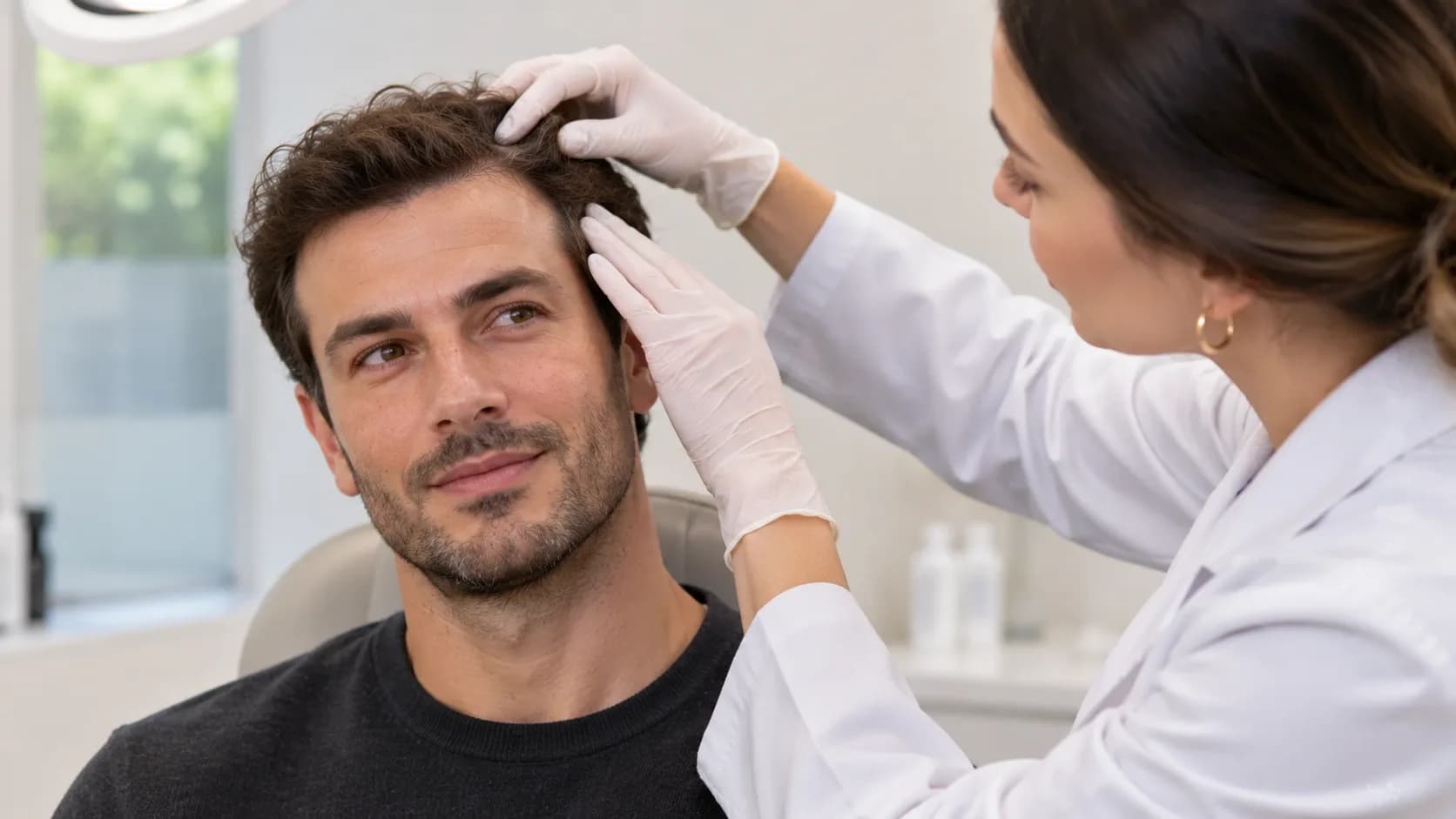
Hair mesotherapy and exosome therapy are two minimally invasive approaches that target hair thinning, reduced hair density, and androgenetic alopecia. Neither treatment is universally superior. They work in fundamentally different ways, and the right choice depends on your diagnosis, the condition of your follicles, your treatment goals, and the strength of the available evidence.
Both treatments have gained attention in non-surgical hair restoration. People who notice diffuse hair thinning, early follicular miniaturization, or increased hair shedding often consider them before exploring surgical options. However, comparing them as two equivalent products creates confusion. Mesotherapy describes a delivery technique. Exosomes describe a biological substance. This distinction shapes every meaningful difference between the two treatments.
Four factors determine which approach suits a given patient. The first is the diagnosis behind the hair loss. The second is whether viable follicles remain in the target area. The third is what the patient expects the treatment to achieve. The fourth is the quality of the scientific evidence supporting each option. The sections below examine each treatment in detail, compare them directly, and explain how to make an evidence-based decision.
What Is Hair Mesotherapy and How Does It Work?
Hair mesotherapy is a technique in which a practitioner injects small amounts of active ingredients into the middle layer of the scalp skin. The method uses microinjections to place substances directly where follicular activity takes place. This route bypasses the skin barrier, which normally limits how much of a topical product reaches the dermis.
The technique itself carries no fixed formula. Practitioners select a formulation based on the patient's needs, and formulations vary widely between products and clinics. Common ingredients include the following groups:
Vitamins. B-complex vitamins and biotin support normal metabolic activity in rapidly dividing cells, including hair matrix cells (Almohanna et al. 2019).
Amino acids and peptides. These compounds supply building blocks for keratin, the main structural protein of the hair shaft.
Minerals and trace elements. Zinc, iron, and other trace elements contribute to enzyme systems that support follicular function (Almohanna et al. 2019).
Hyaluronic acid. This molecule retains water in the scalp tissue and supports the extracellular environment around the follicles.
Growth-supporting compounds. Selected formulations add compounds intended to support follicular metabolism.
Because composition varies, two clinics can perform "hair mesotherapy" with substantially different products. This variation matters when you evaluate clinical evidence, since a study on one formulation does not automatically apply to another.
How Does Hair Mesotherapy Support the Hair Growth Cycle?
Mesotherapy formulations aim to support the scalp environment in which the hair growth cycle operates. Every follicle moves through three main phases. The anagen phase is the active growth period and lasts several years on a healthy scalp. The catagen phase is a short transition that ends active growth. The telogen phase is a resting period, after which the hair sheds and the cycle restarts (Stenn and Paus 2001).
Follicles depend on a well-supplied local environment to sustain the anagen phase. Adequate nutrition, healthy microcirculation, and intact scalp tissue all contribute to normal follicular activity. When the scalp environment deteriorates, hair shafts can become thinner and the proportion of hairs in the shedding phase can rise. Scalp nourishment addresses these environmental factors rather than the follicle's genetic programming.
This mechanism defines the limits of the technique. Improving hair shaft quality and reducing environmental stress differ from reversing the cause of progressive hair loss. In androgenetic alopecia, hormones drive follicular miniaturization through signaling that originates inside the dermal papilla (Inui and Itami 2011). Delivering vitamins to the scalp does not block that hormonal pathway. Understanding this boundary prepares the ground for evaluating treatments that act on cellular signaling itself.
What Is Exosome Hair Therapy?
Exosome hair therapy uses extracellular vesicles rather than nutrient cocktails. Exosomes are small membrane-bound particles that cells release into their surroundings. They measure roughly 30 to 150 nanometers in diameter, and nearly every cell type produces them (Kalluri and LeBleu 2020).
These vesicles function as carriers in intercellular communication. They transport proteins, lipids, growth factors, and nucleic acids such as microRNAs from a donor cell to a recipient cell. When a recipient cell absorbs an exosome, the cargo can alter how that cell behaves (Raposo and Stoorvogel 2013). In regenerative medicine, researchers study this mechanism because a cell's exosomes reflect the signals that cell wants to send.
Researchers investigate exosomes for hair follicle regeneration for a specific reason. Stem-cell-derived exosomes appear to carry many of the signaling molecules that make stem cells useful, without transplanting the cells themselves (Kalluri and LeBleu 2020). Potential effects include stimulation of cellular activity, modulation of inflammation, and support for tissue repair. However, exosome-based hair restoration remains an emerging field. Clinical research continues, and no exosome product currently holds the status of an established standard treatment for hair loss.
How Do Exosomes Influence Hair Follicle Activity?
Exosomes may influence hair follicle activity by delivering signaling molecules directly to the cells that regulate hair growth. The most important target is the dermal papilla, a cluster of specialized cells at the base of the follicle. Dermal papilla cells orchestrate the hair growth cycle by sending signals to the surrounding epithelial cells (Inui and Itami 2011).
Laboratory studies show that this signaling relationship can work through exosomes. In one study, exosomes derived from dermal papilla cells carried microRNA-218-5p and promoted hair growth by regulating beta-catenin signaling, a central pathway in follicle development (Hu et al. 2019). Such findings suggest that cellular communication and hair follicle cycling connect through extracellular vesicles. They also suggest that exosomes might support the follicular microenvironment, the local tissue conditions that determine whether a follicle produces a strong hair shaft.
Caution is necessary when interpreting these results. Promising laboratory findings do not equal established clinical outcomes. A mechanism demonstrated in cell cultures or animal models requires controlled human trials before it can guide treatment decisions. This gap between laboratory science and clinical proof defines the current evidence status of exosome therapy, and it also shapes how the two treatments compare.
What Are the Main Differences Between Hair Mesotherapy and Exosome Therapy?
The main difference is conceptual. Hair mesotherapy is a delivery method that places active ingredients into the scalp. Exosome therapy is a biological product that carries signaling molecules between cells. One term describes a technique, and the other describes a substance. This distinction explains why the two should not be treated as interchangeable, and why practitioners sometimes combine them, a possibility discussed later in this article.
The comparison table below summarizes the core differences across ten factors.
Comparison Factor | Hair Mesotherapy | Exosome Therapy |
Treatment concept | Injectable delivery technique | Biological signaling-based approach |
Main components | Vitamins, amino acids, minerals, peptides | Extracellular vesicles |
Primary mechanism | Delivers active ingredients into the scalp | May influence cellular communication |
Biological source | Depends on the formulation | Depends on the exosome product |
Administration | Usually scalp microinjections | Injection or product-specific topical delivery |
Main objective | Support scalp health and hair quality | Investigate and support regenerative processes |
Scientific evidence | Varies by formulation and indication | Emerging clinical evidence |
Treatment frequency | Depends on formulation and protocol | Depends on product and protocol |
Cost | Varies by ingredients and sessions | Often higher, depending on product and protocol |
Regulatory status | Established injectable products in many regions | Limited and product-specific |
The table reveals a pattern. Mesotherapy variables depend on the formulation, while exosome variables depend on the product. Both treatments therefore require product-level scrutiny rather than category-level assumptions. A patient should always ask which specific formulation or product a clinic plans to use, and what evidence supports that exact product.
Can Hair Mesotherapy and Exosomes Produce Different Hair Growth Results?
Yes, they can produce different results because they target different aspects of hair biology. Mesotherapy supports scalp conditions that influence existing hair. Exosome therapy attempts to influence the cellular signaling that controls follicular behavior. Supporting an environment and changing a signaling pathway are separate objectives, and they can lead to different outcomes.
Individual responses vary for several reasons. Baseline follicle density, the stage of follicular miniaturization, the underlying diagnosis, and the specific product all influence the result. Reported improvements fall into five categories, and each category deserves separate evaluation:
Hair shaft thickness. Thicker shafts can result from better nutritional support or from stronger follicular activity.
Hair density. Density changes require either new growth from dormant follicles or improved survival of existing hairs.
Hair shedding. Reduced shedding often appears earlier than visible density changes.
Scalp condition. Hydration, flaking, and irritation can improve independently of hair growth.
Overall hair appearance. Shine and manageability respond quickly to scalp health but say little about follicle biology.
Distinguishing cosmetic improvement from measurable follicular regeneration matters here. A patient can report shinier, fuller-looking hair without any new follicle activity. Neither treatment should be presented as a guaranteed solution for hair regrowth. Honest outcome evaluation requires standardized photographs and, ideally, measured hair counts, rather than subjective impressions alone.
Which Treatment Has More Scientific Evidence for Hair Loss?
Neither treatment currently has definitive large-scale clinical evidence for hair loss. Hair mesotherapy has a longer history of clinical use, but studies suffer from inconsistent formulations and small sample sizes. Because each formulation differs, results from one study rarely transfer to another product. Reviews of the underlying ingredients, such as vitamins and minerals, support their role in correcting deficiency-related shedding rather than pattern hair loss (Almohanna et al. 2019).
Exosome therapy has a growing body of preclinical research, including controlled laboratory studies on follicular signaling (Hu et al. 2019). Human studies remain early-stage. They are typically small, use different exosome sources and concentrations, and apply inconsistent treatment protocols. International standards for studying extracellular vesicles exist to improve research quality, and the MISEV2018 guidelines set minimum requirements for characterizing these products (Théry et al. 2018).
Both fields share the same limitations: small studies, heterogeneous products, and short follow-up periods. Larger controlled trials with long-term monitoring are needed before either treatment can claim established superiority. Promising preliminary findings should not be confused with treatment recommendations. This evidence context informs realistic expectations about who each treatment can actually help.
Who Is a Suitable Candidate for Hair Mesotherapy?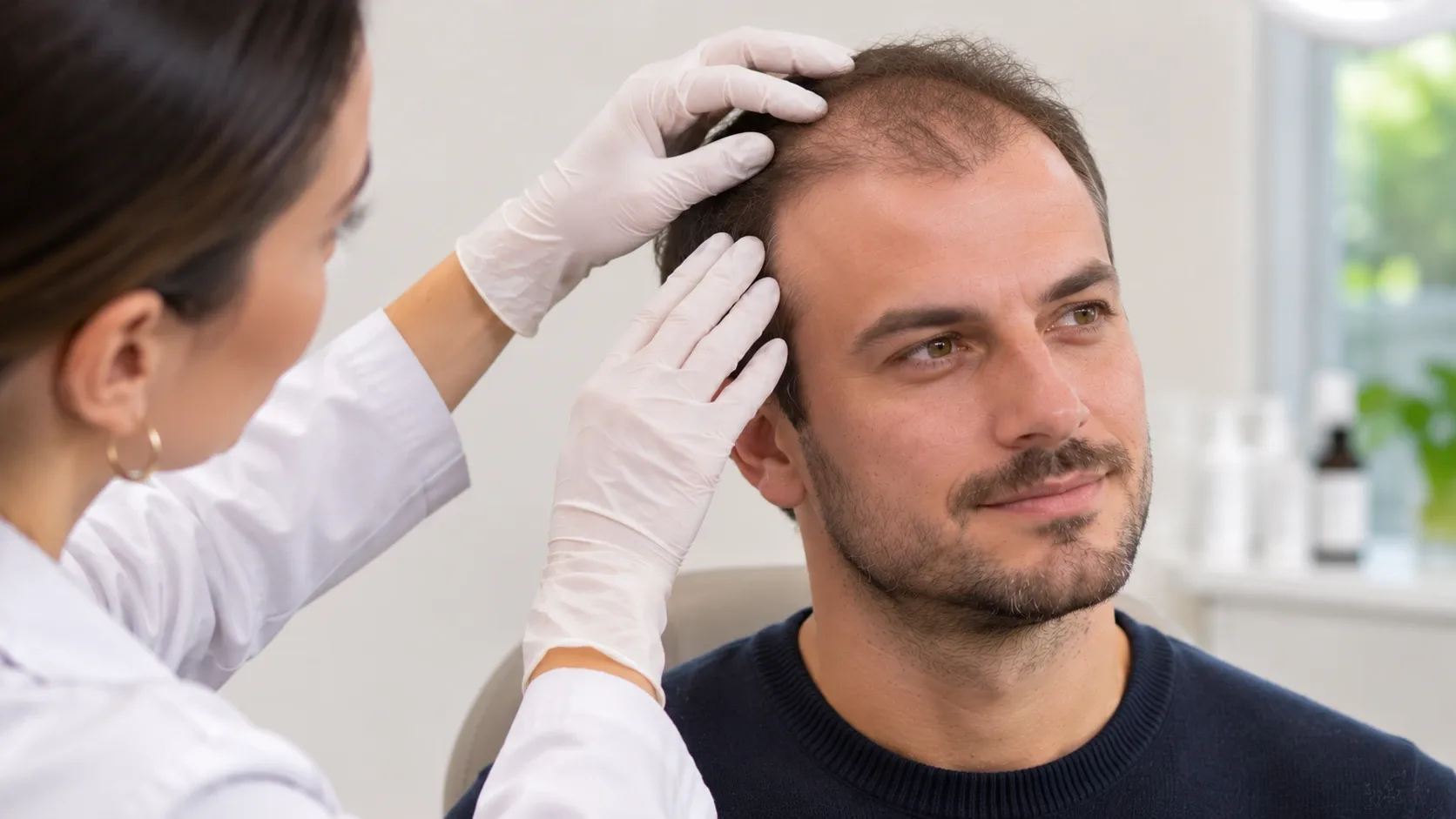
Suitable candidates for hair mesotherapy are people with early-stage hair thinning or reduced hair quality who still have active follicles. The technique works best when the problem lies in the scalp environment or in correctable nutritional factors, not in permanent follicular loss.
Several patient profiles fit this description. Individuals with diffuse hair thinning often retain miniaturized but living follicles. Patients with documented nutritional deficiencies may benefit after a medical evaluation confirms the deficiency, since correcting nutrient supply supports normal follicular activity (Almohanna et al. 2019). People experiencing telogen effluvium, a temporary increase in shedding often triggered by stress, illness, or hormonal shifts, may also recover faster when scalp conditions improve.
Identifying the underlying cause of hair loss is essential before any treatment. Hair mesotherapy will not produce meaningful results where follicles have been permanently lost, such as in scarred areas or long-standing bald patches. In those zones, no injectable nourishment can restore what no longer exists. This limitation also applies to exosome therapy, though the candidate profile differs in emphasis.
Who Can Benefit from Exosome Hair Therapy?
People experiencing hair thinning who still have viable follicles may benefit from exosome hair therapy, particularly those interested in emerging regenerative approaches. The treatment targets patients whose follicles remain present but show reduced activity or progressive miniaturization.
Candidate selection depends on two factors. The first is follicle condition. Regenerative signaling can only act on follicles that still exist. The second is the underlying diagnosis. A patient with androgenetic alopecia has an ongoing hormonal driver of miniaturization (Inui and Itami 2011), so exosome treatment alone may not address the root cause. Exosome therapy cannot restore hair in advanced baldness or in areas with completely inactive or absent follicles.
Three practical considerations complete the candidate profile. Product quality varies widely in this market, so the biological source and manufacturing standards of the specific product matter. A proper clinical assessment should precede treatment. Medical supervision remains necessary throughout, because the field lacks standardized protocols. These requirements shape how practitioners actually deliver both treatments.
How Are Hair Mesotherapy and Exosome Treatments Performed?
Both treatments follow the same general workflow: scalp assessment, preparation, administration, and post-treatment care. The details differ according to the specific formulation and product instructions, but the clinical logic stays consistent.
Before treatment, the practitioner examines the scalp to map the areas of thinning, assess follicle viability, and document baseline conditions with photographs. The scalp is then cleaned and disinfected. Administration follows, using either microinjections or device-assisted delivery. After the session, the patient receives care instructions, which usually include avoiding washing, sun exposure, and strenuous exercise for a short period.
What Happens During a Hair Mesotherapy Session?
A hair mesotherapy session begins with a targeted scalp examination. The practitioner identifies the zones that need treatment and selects the formulation. After cleaning and preparing the area, the practitioner administers the formulation through a series of small scalp injections, either by hand or with an injection device. A typical session lasts 20 to 40 minutes.
Post-treatment care focuses on protecting the injection sites. Patients usually avoid washing the scalp for 12 to 24 hours and skip saunas, swimming, and heavy sweating for a day or two. Mild redness at injection points is expected and typically resolves on its own, as discussed in the safety section below.
How Is Exosome Hair Therapy Administered?
Exosome hair therapy starts with the same scalp assessment, followed by product selection based on the patient's condition. After scalp preparation, some protocols apply a topical anaesthetic to reduce discomfort. Delivery then follows one of two routes.
The first route is microneedling. A microneedling device creates controlled microchannels in the scalp, and the exosome formulation is applied so it can pass through these channels. Microneedling itself has documented effects on hair growth, which complicates the evaluation of exosome outcomes in combined protocols (Rothe et al. 2023). The second route is direct injection, used only where the product's intended use permits intradermal administration. Practitioners must follow the manufacturer's instructions and the applicable regulations, because not every exosome product is approved for injection.
Can Exosomes Be Delivered Through Hair Mesotherapy?
Yes, certain exosome formulations can be delivered using mesotherapy techniques. This works because the two concepts occupy different categories. Mesotherapy names the delivery method, and exosomes name the active substance. Using the technique to deliver the substance is a logical combination, not a contradiction.
Microneedling offers an alternative delivery path for topical exosome products. The microchannels it creates allow larger molecules and vesicles to cross the skin barrier. However, one rule overrides all others: not every exosome product is suitable for injection or intradermal administration. Product specifications, intended use, and regulatory status determine the permitted route. Patients should verify these details before consenting to any protocol, since administration outside a product's intended use raises both safety and legal concerns.
How Many Sessions Are Needed for Hair Mesotherapy and Exosome Therapy?
No universal session number exists for either treatment. Frequency depends on the patient's condition, the formulation or product, and the clinical protocol. Individualized planning replaces fixed schedules in responsible practice.
Treatment plans generally separate into two phases. An initial course aims to produce the primary response, and maintenance sessions aim to preserve it. The length and spacing of each phase vary, and the following sections explain the typical logic for each treatment.
How Frequently Should Hair Mesotherapy Be Performed?
Hair mesotherapy protocols commonly schedule sessions every one to four weeks during the initial course. Multiple sessions are recommended because the scalp environment changes gradually, and single applications rarely produce sustained effects. Practitioners should evaluate the response after the first few sessions before continuing, since a patient who shows no early change may need a different approach. Maintenance needs differ between patients, ranging from monthly sessions to a few sessions per year.
How Many Exosome Hair Treatments Are Usually Recommended?
Exosome treatment protocols vary according to the product and the administration method. Some products are marketed as single-session treatments, while others use a series of sessions spaced weeks apart. Follow-up assessments should guide any repetition, since they show whether the first intervention produced a measurable response. No universal session number has been scientifically established, and any clinic that guarantees a fixed schedule for every patient is overselling the current state of knowledge.
When Can You Expect to See Results from Each Treatment?
Results take months for both treatments because hair growth follows a biological cycle. New hair shafts emerge slowly, and a follicle needs weeks of anagen activity before a visible change appears on the scalp (Stenn and Paus 2001).
Reliable evaluation requires standardized photographic documentation taken under consistent lighting, angle, and hair length, along with a recorded baseline hair density. Early changes usually involve reduced shedding rather than new growth. Visible changes in hair density arrive later. Individual timelines vary with the diagnosis, baseline condition, and product used.
How Long Does It Take to See Hair Mesotherapy Results?
Hair mesotherapy results appear gradually. Reduced shedding may become noticeable after the first few sessions, while changes in hair shaft quality typically need two to four months of treatment. Multiple sessions are usually necessary because the scalp environment improves incrementally. Consistent follow-up with photographs at fixed intervals allows an objective judgment about whether the treatment is working.
How Quickly Can Exosome Therapy Show Hair Growth Improvements?
Exosome therapy timelines depend on the product, the protocol, and the underlying condition. Longer observation periods of several months are needed to evaluate changes in hair density and thickness, since follicular responses unfold at the speed of the growth cycle. Claims of fast results require adequate clinical evidence, and no controlled human trial currently supports guaranteed timelines. Patients should treat advertised speed as a marketing statement until research confirms it.
What Are the Possible Side Effects and Risks of Hair Mesotherapy and Exosomes?
Both treatments can cause adverse reactions even though they are minimally invasive. Most reactions are mild and temporary, but uncommon complications exist. Sterile equipment, qualified practitioners, and appropriate product selection reduce most risks.
Common temporary reactions include redness, swelling, and tenderness at the treatment site. Uncommon but more serious complications include infection, allergic reactions, and inflammatory responses. The specific risk profile differs between the two treatments, as the following sections explain.
What Are the Potential Side Effects of Hair Mesotherapy?
Hair mesotherapy side effects relate to the injections and to the formulation ingredients. Reported effects include:
Temporary redness and swelling at injection sites.
Mild scalp tenderness for a day or two.
Bruising where the needle enters the skin.
Itching or irritation in the treated area.
Allergic or inflammatory reactions to specific ingredients, which depend on the formulation used.
Infection when injection practices are not sterile.
The ingredient-related risks vary between products, which reinforces the need to know the exact formulation before treatment.
Is Exosome Hair Therapy Safe?
Exosome hair therapy shares the common short-term reactions of other scalp procedures: redness, tenderness, and swelling after treatment. Its additional concerns center on the product itself. Contamination during manufacturing, inconsistent purification, and unclear biological sources all affect safety. Understanding where the exosomes come from and how the product was manufactured is essential before treatment.
Long-term human safety data remain limited. The field is young, standardized products are scarce, and research guidelines for extracellular vesicles emphasize careful characterization precisely because quality varies (Théry et al. 2018). Safety depends on the specific product, the administration method, and the regulatory framework in the country where treatment occurs. Patients should ask for documentation of manufacturing standards before proceeding.
How Much Do Hair Mesotherapy and Exosome Treatments Cost?
Exosome treatments generally cost more than hair mesotherapy sessions, but prices vary widely. Four factors drive the cost of both treatments: the product or formulation, the practitioner's expertise, the clinic's location, and the technology used for delivery.
Exosome products carry higher production costs. Isolating, purifying, and characterizing extracellular vesicles under controlled conditions is expensive (Kalluri and LeBleu 2020). Mesotherapy formulations use conventional ingredients that cost less to produce. However, comparing single-session prices misleads patients. A cheaper session repeated twelve times may cost more than an expensive session repeated twice. Comparing complete treatment protocols, including the expected number of sessions and maintenance requirements, gives a realistic picture of total cost.
Can Hair Mesotherapy and Exosome Therapy Be Combined?
Yes, the two approaches can be combined, and some clinics already offer combination protocols. The combination has a logical basis: mesotherapy-style delivery can place exosome products into the scalp, and nutrient support can complement signaling-based treatment by addressing different aspects of scalp and follicular health.
Customized protocols may match specific patient profiles better than single treatments. However, combining treatments does not automatically improve results. Three issues require assessment before any combination. Product compatibility determines whether two substances can be used in the same session or the same period. Administration methods must fit the intended use of each product. Cumulative risks, such as repeated injections and overlapping reactions, must be weighed against the expected benefit. A medical professional should design and supervise any combined protocol.
Are Hair Mesotherapy and Exosome Therapy Alternatives to Hair Transplantation?
No, neither treatment replaces hair transplantation for permanent hair loss. Non-surgical treatments and surgical transplantation serve different purposes. Minimally invasive treatments work on existing but weakened follicles. A hair transplant redistributes follicles from one part of the scalp to another.
This difference defines the boundary of non-surgical care. Neither hair mesotherapy nor exosome therapy can reliably recreate follicles in completely bald areas, because no follicle exists there to receive nourishment or signaling. For suitable patients with permanent follicular loss, hair transplantation remains the option that physically restores hair-bearing skin. Selected supportive treatments can be used alongside transplantation under medical supervision, for example to support scalp health around transplanted grafts, but they function as complements rather than substitutes.
Hair Mesotherapy vs Exosome: Which Treatment Should You Choose?
Choose based on your diagnosis and your treatment objectives, not on marketing claims. The hair mesotherapy vs exosome question has no universal answer, because the two treatments address different biological targets and carry different levels of evidence.
A structured decision should weigh six factors:
The underlying cause of hair loss. Nutritional deficiency, telogen effluvium, and androgenetic alopecia respond to different interventions.
The degree of follicular miniaturization. Miniaturized but living follicles can respond to treatment; absent follicles cannot.
Medical history. Allergies, skin conditions, and previous reactions influence product selection.
Previous treatments. A patient who has already failed one approach needs a different rationale for the next.
Product quality and clinical evidence. The specific product matters more than the treatment category.
Budget and maintenance expectations. Total protocol cost and long-term commitment should be clear before starting.
Neither treatment is universally superior. A consultation with a qualified medical professional, ideally a dermatologist who can diagnose the exact type of hair loss, should precede any decision.
Frequently Asked Questions About Hair Mesotherapy vs Exosome
Is Exosome Therapy Better Than Hair Mesotherapy?
No ranking applies universally. The treatments have different mechanisms, and their suitability depends on the individual diagnosis and on the clinical evidence for the specific product. A nutrient-based formulation and a signaling-based vesicle product solve different problems.
Does Hair Mesotherapy Help with Genetic Hair Loss?
Hair mesotherapy has limited ability to treat androgenetic alopecia on its own. Genetic hair loss progresses through hormonal mechanisms that act on the dermal papilla (Inui and Itami 2011). Addressing the underlying hormonal and genetic drivers requires treatments designed for that purpose, while mesotherapy may play a supporting role in scalp health.
Can Exosomes Regrow Hair in Completely Bald Areas?
No. Potential regrowth requires viable hair follicles. In areas where follicles have been permanently lost, regenerative treatments have nothing to act on, and no current evidence shows that exosomes can create new follicles from bare skin.
Is Hair Mesotherapy or Exosome Therapy More Painful?
Discomfort depends on the delivery method rather than the substance. Injection-based sessions cause brief needle sensations, while microneedling produces a scratching or vibrating feeling across the scalp. Topical anaesthetic products can reduce discomfort in both cases.
Do Hair Mesotherapy and Exosome Treatments Require Downtime?
Downtime is minimal for both treatments. Short-term scalp redness, tenderness, and swelling can last from a few hours to a couple of days. The exact recovery varies with the administration technique, with microneedling typically producing more visible redness than fine-needle injections.
Can Women Receive Hair Mesotherapy or Exosome Therapy?
Yes, both approaches can be considered for suitable female patients. Female hair loss often has hormonal, nutritional, or thyroid-related causes, so a medical diagnosis should always come first. Treatment should follow the diagnosis, not precede it.
Do Hair Mesotherapy and Exosome Treatments Provide Permanent Results?
Neither treatment guarantees permanent hair restoration. Androgenetic alopecia is a progressive condition, and its underlying drivers continue after a treatment course ends. Ongoing management, whether through maintenance sessions or complementary therapies, is often necessary to preserve results.
References
Almohanna, Hind M., et al. "The Role of Vitamins and Minerals in Hair Loss: A Review." Dermatology and Therapy, vol. 9, no. 1, 2019, pp. 51-70.
Hu, Shiqi, et al. "Dermal Exosomes Containing miR-218-5p Promote Hair Regeneration by Regulating Beta-Catenin Signaling." Science Advances, vol. 5, no. 7, 2019.
Inui, Shigeki, and Satoshi Itami. "Molecular Basis of Androgenetic Alopecia: From Androgen to Paracrine Mediators through Dermal Papilla." Journal of Dermatological Science, vol. 61, no. 1, 2011, pp. 1-6.
Kalluri, Raghu, and Valerie S. LeBleu. "The Biology, Function, and Biomedical Applications of Exosomes." Science, vol. 367, no. 6478, 2020.
Raposo, Graça, and Willem Stoorvogel. "Extracellular Vesicles: Exosomes, Microvesicles, and Friends." Journal of Cell Biology, vol. 200, no. 4, 2013, pp. 373-383.
Rothe, Charlotte, et al. "The Use of Microneedling for the Treatment of Hair Loss: A Systematic Review." Journal of Dermatological Treatment, vol. 34, no. 1, 2023.
Stenn, Kurt S., and Ralf Paus. "Controls of Hair Follicle Cycling." Physiological Reviews, vol. 81, no. 1, 2001, pp. 449-494.
Théry, Clotilde, et al. "Minimal Information for Studies of Extracellular Vesicles 2018 (MISEV2018): A Position Statement of the International Society for Extracellular Vesicles." Journal of Extracellular Vesicles, vol. 7, no. 1, 2018.