
Hair Mesotherapy for Hair Thinning: How Does It Work?
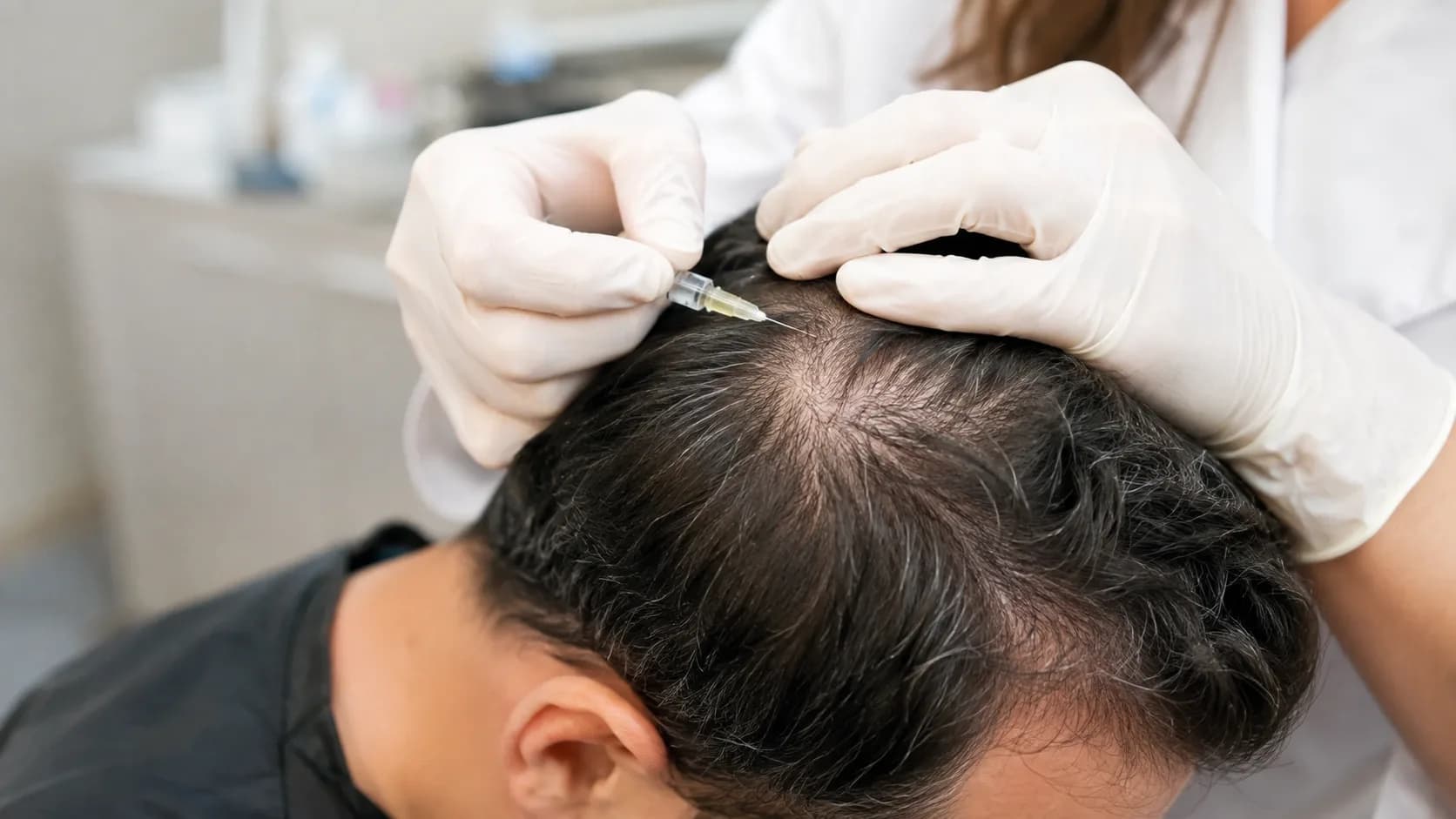
Hair mesotherapy uses microinjections to deliver active compounds directly into the scalp. This approach may support hair follicles and improve hair quality in some patients with thinning hair.
Hair mesotherapy uses microinjections to deliver active compounds directly into the scalp. This approach may support hair follicles and improve hair quality in some patients with thinning hair. Current research shows promise, particularly for androgenetic alopecia, but clinicians still need larger trials to confirm long-term effectiveness.
Hair thinning affects millions of men and women worldwide. It stems from multiple underlying causes, including genetics, hormones, nutrition, and stress. Patients often seek treatments that go beyond standard topical solutions. Hair mesotherapy has emerged as one such option. This minimally invasive technique involves injecting small amounts of vitamins, minerals, medications, or growth factors into the scalp.
Unlike systemic treatments that travel through the bloodstream, mesotherapy targets the scalp directly. Practitioners deliver active compounds to the dermal layer where hair follicles reside. This local delivery may increase the concentration of beneficial substances around follicles while reducing systemic exposure.
Mesotherapy differs from established pharmacological treatments like topical minoxidil. Minoxidil remains one of the most researched hair-loss treatments. Mesotherapy offers an alternative route of delivery but does not replace the need for proper diagnosis. The underlying cause of hair thinning always matters. Without correct diagnosis, even the best treatment may fail.
Current evidence suggests that mesotherapy shows potential for androgenetic alopecia. Gupta et al. (2023) reviewed 27 articles and found that several studies reported statistically significant improvements in hair growth after mesotherapy treatment. However, the authors also noted a lack of standardized regimens across studies (Gupta 2023). Saceda-Corralo et al. (2024) conducted a systematic review comparing mesotherapy with minoxidil. They identified 11 relevant studies from an initial pool of 18 articles and found that available trials demonstrated excellent statistical significance and high patient satisfaction rates in most cases (Saceda-Corralo 2024).
This article covers the mechanism of hair mesotherapy, the ingredients used, who qualifies for treatment, how clinicians perform the procedure, what science says about effectiveness, safety concerns, recovery expectations, and how mesotherapy compares to other treatments.
What Is Hair Mesotherapy for Hair Thinning?
Hair mesotherapy is a minimally invasive technique that delivers active substances to the scalp through microinjections. Practitioners inject solutions into the dermal layer, also called the mesoderm, where hair follicles live. This direct delivery method distinguishes mesotherapy from creams, foams, or oral medications.
How Is Hair Mesotherapy Defined?
Mesotherapy means "therapy of the middle layer." The term comes from the Greek words "mesos" (middle) and "therapeia" (therapy). In practice, clinicians use very fine needles to inject small amounts of solution into the skin at specific depths. For hair applications, practitioners target the scalp.
The scalp contains thousands of hair follicles embedded in the dermis. Each follicle cycles through growth phases. When clinicians inject solutions directly into this layer, the active ingredients reach the follicular environment quickly. This bypasses the skin barrier that often limits the absorption of topical products.
Topical treatments like minoxidil foam or solution sit on the scalp surface. The skin absorbs only a fraction of the active ingredient. Mesotherapy skips this barrier entirely. It places the compound exactly where follicles need it.
How Does Hair Mesotherapy Target Thinning Hair?
Mesotherapy targets thinning hair through direct delivery. Clinicians inject selected substances into areas where hair has thinned. This creates a higher local concentration of active compounds around each follicle.
The technique may increase local bioavailability. Bioavailability means the amount of a substance that actually reaches the target tissue. With topical application, much of the product evaporates, washes off, or fails to penetrate the skin. Mesotherapy places the substance directly into the dermal layer.
This localized approach may reduce systemic exposure. When patients take oral medications, the drug travels through the entire body. Side effects can affect organs far from the scalp. Mesotherapy keeps most of the compound in the scalp area. Saceda-Corralo et al. (2017) studied dutasteride mesotherapy and found no significant differences in serum hormone levels before and after treatment, suggesting minimal systemic absorption with proper protocols (Saceda-Corralo 2017).
The hair follicle microenvironment includes blood vessels, nerves, immune cells, and surrounding tissue. Mesotherapy may influence this environment by delivering nutrients, improving circulation, or modulating local inflammation.
What Types of Hair Loss Can Hair Mesotherapy Address?
Mesotherapy research has focused mainly on androgenetic alopecia, also called pattern hair loss. This condition affects both men and women. Men typically see recession at the temples and thinning at the crown. Women usually experience diffuse thinning over the top of the scalp while keeping the frontal hairline.
Diffuse hair thinning represents another potential indication. Some patients experience widespread shedding without a clear pattern. Mesotherapy may help when nutritional or environmental factors contribute to this thinning.
Selected cases of excessive shedding may also respond. Shedding often signals an underlying problem such as thyroid dysfunction, iron deficiency, or medication side effects. Mesotherapy may support recovery once clinicians address the root cause.
Telogen effluvium presents an emerging but less-established indication. Khattab et al. (2022) conducted a randomized trial comparing botulinum toxin A with multivitamin mesotherapy for telogen effluvium. Both treatments improved hair parameters, though the sample size was small at only 24 patients (Khattab 2022).
Clinicians must establish a diagnosis before starting mesotherapy. Treatment selection depends on the type and severity of alopecia. Reversible shedding differs fundamentally from progressive follicular miniaturization.
Why Does Hair Become Thin?
Hair thinning results from disruptions in the normal hair-growth cycle, follicular damage, or both. Understanding these processes helps patients set realistic expectations for any treatment, including mesotherapy.
What Happens During Hair Follicle Miniaturization?
The human scalp contains approximately 100,000 hair follicles. Each follicle cycles through three main phases. The anagen phase is the active growth period. It lasts two to seven years. The catagen phase is a short transitional period lasting about two to three weeks. The telogen phase is the resting period, lasting about three months. After telogen, the follicle sheds the old hair and starts a new anagen phase.
In androgenetic alopecia, follicles undergo miniaturization. This means the follicles gradually shrink. They produce thinner, shorter hairs with each cycle. The anagen phase shortens. The telogen phase lengthens. Over time, large terminal hairs transform into tiny vellus hairs. Eventually, some follicles stop producing hair entirely.
Rakowska et al. (2009) established dermoscopic criteria for diagnosing this process. They found that healthy scalps contain follicular units with one to four hairs. In androgenetic alopecia, follicular units with single hairs predominate. Variation in hair shaft diameter also increases as miniaturization progresses (Rakowska 2009).
What Are the Common Causes of Hair Thinning?
Androgenetic alopecia ranks as the most common cause of hair thinning. Genetics and hormones drive this condition. The hormone dihydrotestosterone (DHT) plays a central role. It binds to receptors in susceptible follicles and triggers miniaturization.
Telogen effluvium causes diffuse shedding. Stress, illness, surgery, childbirth, or crash diets can push large numbers of follicles into the telogen phase simultaneously. Patients notice increased hair fall two to three months after the triggering event.
Nutritional deficiencies also thin hair. Iron, zinc, biotin, and protein shortages affect follicle function. The body prioritizes vital organs over hair growth when nutrients run low.
Hormonal factors include thyroid disorders, polycystic ovary syndrome, and menopause. These conditions alter the hormonal balance and affect the hair cycle.
Scalp disorders such as seborrheic dermatitis, psoriasis, or fungal infections create inflammation. Chronic inflammation damages follicles and impairs growth.
Certain medications trigger shedding. These include chemotherapy drugs, anticoagulants, retinoids, and some antidepressants.
Stress and systemic illness disrupt the hair cycle. Chronic stress elevates cortisol levels. High cortisol can prolong the telogen phase and increase shedding.
Why Is Identifying the Cause Important Before Mesotherapy?
Mesotherapy should never replace diagnostic evaluation. A clinician must determine why hair is thinning before starting treatment. Without this step, mesotherapy may mask a serious underlying condition.
Treatment selection depends on the type and severity of alopecia. Androgenetic alopecia requires different management than telogen effluvium. Nutritional deficiencies need dietary correction or supplementation. Hormonal imbalances need endocrine evaluation.
Clinicians must distinguish reversible shedding from progressive follicular miniaturization. Telogen effluvium often resolves once the trigger disappears. Mesotherapy may speed recovery but cannot replace trigger removal. Androgenetic alopecia requires ongoing management because it progresses without intervention.
Lee et al. (2013) emphasized this point in their guidelines for managing androgenetic alopecia. They stressed that proper classification and diagnosis form the foundation of effective treatment (Lee 2013).
How Does Hair Mesotherapy Work?
Hair mesotherapy works through direct injection of active compounds into the scalp. The technique aims to improve the follicular environment and support hair growth.
How Are Microinjections Delivered to the Scalp?
Clinicians use very fine needles to deliver microinjections. They inject small amounts of solution into the dermal layer across areas affected by thinning. The injection depth and distribution vary by protocol. Some practitioners inject at 1 to 4 millimeters depth. Others adjust depth based on scalp thickness.
Practitioners may use manual injection or a mesogun device. Manual injection allows precise control over each injection site. A mesogun can deliver multiple injections rapidly and may reduce hand fatigue during large sessions.
The scalp receives dozens or hundreds of tiny injections per session. Each injection deposits a small droplet of solution. The cumulative effect covers the treatment area evenly.
Can Mesotherapy Improve the Hair Follicle Microenvironment?
Researchers propose several mechanisms, though none are definitively established. The local delivery of active compounds may nourish follicles directly. Some formulations contain vasodilators that improve scalp circulation. Better blood flow brings more oxygen and nutrients to follicles.
Nutritional support may strengthen existing follicles. Vitamins and minerals in mesotherapy solutions could correct local deficiencies. Some clinicians believe that mesotherapy modulates inflammatory processes in the scalp. Chronic inflammation damages follicles, so reducing it may help.
The microtrauma from needle insertion itself may stimulate follicular activity. Each tiny puncture triggers a mild healing response. This response releases growth factors and cytokines locally. Dhurat et al. (2013) found that microneedling combined with topical minoxidil improved hair growth in androgenetic alopecia. They attributed part of this effect to the wound-healing cascade triggered by microtrauma (Dhurat 2013).
Can Hair Mesotherapy Increase Local Bioavailability?
Local bioavailability refers to the amount of active substance that reaches target tissue. Mesotherapy may increase local bioavailability by bypassing the stratum corneum, the outer skin layer that blocks many topical products.
When clinicians inject minoxidil directly into the scalp, the drug reaches follicles at higher concentrations than topical application allows. This has attracted interest for treating androgenetic alopecia. However, improved local delivery does not automatically mean superior clinical efficacy. The body must still respond to the substance. Follicles must remain viable. The compound must trigger the desired biological effect.
A randomized controlled trial compared mesotherapy with topical 5% minoxidil in 49 men with androgenetic alopecia. The mesotherapy group received eight sessions over four months. The minoxidil group applied 5% solution twice daily. Researchers evaluated outcomes using dermoscopy and trichoscan. They found no significant difference in most parameters between the two groups. Only variation in hair shaft diameter showed a significant increase in the mesotherapy group compared to the minoxidil group (p = 0.01). Other dermoscopic and trichoscan parameters failed to show significant differences (Randomized Controlled Trial 2019).
What Ingredients Are Used in Hair Mesotherapy?
Mesotherapy formulations vary widely. No single standard formula exists. Clinicians choose ingredients based on the patient's condition, the underlying cause of hair loss, and available evidence.
Which Vitamins and Minerals May Be Included?
B-group vitamins often appear in mesotherapy solutions. These include biotin (vitamin B7), pantothenic acid (vitamin B5), and cyanocobalamin (vitamin B12). B vitamins support cellular metabolism and energy production in follicles.
Zinc plays a role in protein synthesis and cell division. Both processes are essential for hair growth. Copper supports melanin production and collagen formation. Selenium acts as an antioxidant and supports thyroid function. Iron may be included when blood tests show deficiency. However, clinicians should not inject iron routinely without documented need.
Formulations vary between protocols. One product may contain 24 amino acids, 13 vitamins, 4 coenzymes, 4 nucleic acids, and 5 minerals. Another product may use a simpler blend. Patients should ask exactly which ingredients their clinician will inject.
Are Amino Acids Used in Hair Mesotherapy?
Yes, amino acids frequently appear in mesotherapy formulations. Hair consists mainly of keratin, a protein built from amino acids. The body needs adequate amino acid supply to synthesize keratin.
Cysteine and methionine contain sulfur, which stabilizes keratin structure. Arginine supports blood flow to follicles. Proline and glycine contribute to collagen in the scalp tissue. Lysine helps the body absorb iron, another key nutrient for hair.
Amino acids provide nutritional support for hair-fiber formation. However, researchers have not proven that injecting amino acids directly into the scalp stimulates new hair growth in well-nourished individuals.
Are Growth Factors and Hyaluronic Acid Used?
Some mesotherapy products contain growth factors. These are proteins that regulate cell growth, division, and differentiation. Growth factors may support the scalp environment by signaling follicles to remain in the anagen phase.
Hyaluronic acid hydrates tissue and supports extracellular matrix structure. It may improve scalp moisture and create a healthier environment for follicles. However, biological rationale does not equal proven clinical outcome. The presence of growth factors or hyaluronic acid in a solution does not guarantee hair regrowth.
Stefanis et al. (2024) compared PRP with mesotherapy using recombinant growth factors and stem cell-conditioned media. They found that different mesotherapy products produced variable results. One mesotherapy formulation showed statistically significant improvement in most parameters, while another mainly increased vertex hair density. This variability underscores the importance of product selection (Stefanis 2024).
Can Medications Such as Minoxidil or Dutasteride Be Used?
Yes, some clinicians incorporate medications into mesotherapy formulations. Minoxidil mesotherapy has appeared in several studies. The rationale is simple: deliver minoxidil directly to follicles at higher concentrations than topical products allow.
Dutasteride mesotherapy has gained attention more recently. Dutasteride inhibits both type I and type II 5-alpha-reductase enzymes. These enzymes convert testosterone to DHT, the hormone that drives follicular miniaturization. By blocking this conversion, dutasteride may slow or stop hair loss.
Saceda-Corralo et al. (2022) conducted a multicentric retrospective study of 541 patients receiving dutasteride mesotherapy. Most patients showed clinical improvement. Marked improvement occurred in 38.4% of assessable patients after one year. Pain was the most frequent side effect at 45.5%. No serious or sexual adverse events occurred (Saceda-Corralo 2022).
Moftah et al. (2013) studied dutasteride mesotherapy in 40 women with female pattern hair loss. They found significant improvement in hair density and diameter. Women without metabolic syndrome responded better than those with metabolic syndrome (Moftah 2013).
Not all mesotherapy products contain these medications. Some use only vitamins and minerals. Patients should ask their clinician about the specific formulation.
Who May Be a Candidate for Hair Mesotherapy for Hair Thinning?
Candidate selection determines treatment success. Mesotherapy helps some patients more than others.
Is Hair Mesotherapy Suitable for Androgenetic Alopecia?
Yes, androgenetic alopecia represents the principal research area for mesotherapy. Most clinical studies focus on this condition. Both men and women with pattern hair loss may qualify.
Men with male pattern hair loss typically show recession at the temples and vertex thinning. Women with female pattern hair loss show diffuse thinning over the crown with preservation of the frontal hairline. Mesotherapy may help both patterns.
The evidence comparing mesotherapy with minoxidil remains mixed. The randomized trial of 49 men found no significant difference in most outcome measures between mesotherapy and topical minoxidil. Both groups showed improvement, but mesotherapy did not clearly outperform minoxidil (Randomized Controlled Trial 2019).
Can Women With Hair Thinning Have Mesotherapy?
Yes, women with hair thinning can undergo mesotherapy. Female pattern hair loss and diffuse thinning are common indications. However, clinicians must first evaluate hormonal, nutritional, and systemic contributors.
Women with thinning hair need thorough assessment. Blood tests should check iron, thyroid function, and androgen levels. Hormonal conditions like polycystic ovary syndrome can cause hair loss. These conditions need specific management. Mesotherapy alone cannot correct hormonal imbalances.
Can Hair Mesotherapy Help Telogen Effluvium?
Preliminary evidence suggests possible benefit, but data remains limited. Khattab et al. (2022) randomized 24 patients with telogen effluvium into two groups. One group received a single session of botulinum toxin A injection. The other group received multiple sessions of multivitamin mesotherapy. Both treatments improved terminal hair counts and multiple follicular units. The authors concluded that both modalities were effective, though the small sample size limits broad conclusions (Khattab 2022).
Clinicians should treat telogen effluvium primarily by identifying and removing triggers. Mesotherapy may serve as an adjunct, not a primary treatment.
Who May Not Be a Good Candidate?
Several groups should avoid or delay mesotherapy. Individuals with undiagnosed hair loss need evaluation first. Without a diagnosis, treatment is guesswork.
Patients with active scalp infection or significant inflammation should wait. Injecting through infected skin can spread bacteria and worsen the condition.
Patients with advanced irreversible follicular destruction gain little benefit. Once follicles have disappeared completely, no injection can recreate them. These patients may need hair transplantation instead.
Patients who expect mesotherapy to recreate completely absent follicles will face disappointment. Mesotherapy supports existing follicles. It does not generate new ones from bald skin.
What Happens During a Hair Mesotherapy Treatment?
Understanding the procedure helps patients prepare mentally and physically.
How Is the Scalp Assessed Before Treatment?
The clinician begins with a thorough medical and hair-loss history. They ask about onset, progression, family history, medications, diet, stress, and previous treatments.
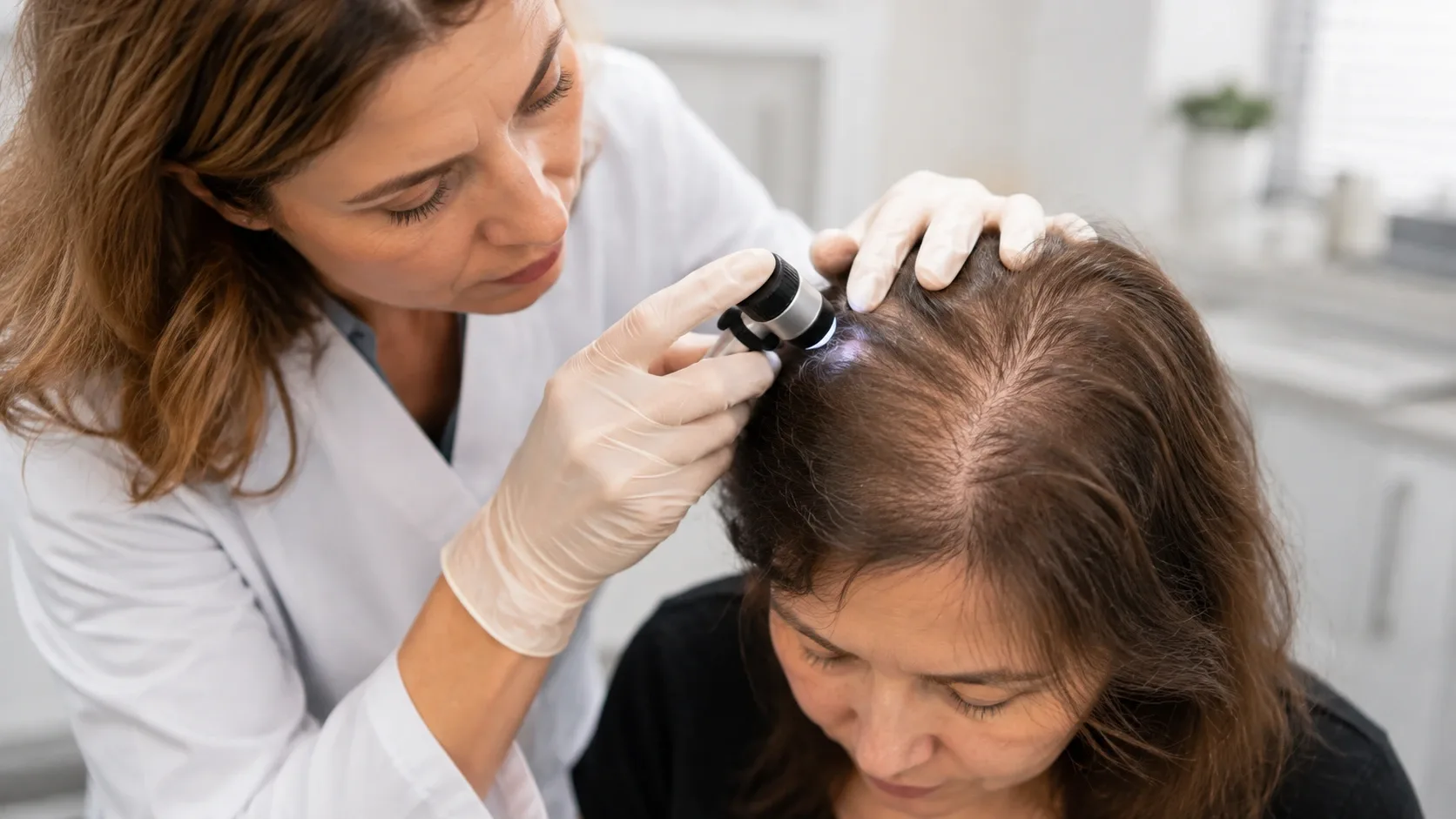
Next comes scalp examination. The clinician inspects the pattern and degree of thinning. They look for signs of inflammation, scaling, or infection. They may use a dermoscope, a handheld magnifying device, to examine follicles closely.
Laboratory evaluation may be necessary. Blood tests can reveal iron deficiency, thyroid dysfunction, or hormonal imbalances. These tests guide treatment decisions.
The clinician establishes a baseline with standardized photographs or trichoscopy. These images document the starting point. Future comparisons show whether treatment works.
How Is Hair Mesotherapy Performed?
The clinician cleans the scalp with antiseptic solution. They identify treatment zones based on the pattern of thinning. They select the formulation based on diagnosis and patient factors.
Some clinicians apply topical anesthetic cream before injection. This reduces discomfort during the procedure. After waiting for the anesthetic to take effect, the clinician performs multiple microinjections across the treatment area.
Each injection deposits a small amount of solution into the dermis. The clinician spaces injections evenly, usually about 1 centimeter apart. The entire scalp treatment area receives coverage.
After injection, the clinician provides post-treatment instructions. These typically include avoiding hair washing, strenuous exercise, and sun exposure for a specified period.
Clinical descriptions generally characterize sessions as relatively short. Multiple treatment sessions are often required. Exact protocols vary considerably between practitioners and studies.
How Long Does a Hair Mesotherapy Session Take?
A typical session lasts approximately 30 minutes. Duration depends on the treatment area size and the technique used. A full scalp treatment takes longer than a targeted area session. Manual injection may take more time than mesogun-assisted delivery.
How Many Hair Mesotherapy Sessions Are Needed?
Treatment frequency and total session count vary. No universal protocol exists.
How Frequently Are Mesotherapy Sessions Performed?
Protocols differ between studies and practitioners. Some clinical studies investigated weekly protocols. The randomized trial of mesotherapy versus minoxidil used weekly sessions for the first month, fortnightly sessions for the second month, and monthly sessions for the final two months, totaling eight sessions (Randomized Controlled Trial 2019).
Some clinical practices use a series of multiple sessions spaced weeks apart. Others perform maintenance sessions every three months. Saceda-Corralo et al. (2017) used sessions every three months for dutasteride mesotherapy and still observed improvement (Saceda-Corralo 2017).
When Can Results Become Noticeable?
Hair growth follows a biological cycle. Patients should not expect immediate results. The anagen phase lasts months. New hairs must grow long enough to become visible.
Most clinicians tell patients to expect initial changes after two to four months. Some notice reduced shedding first. Others see new fine hairs at the hairline or crown. Objective improvement may require several months of observation. Dermoscopy can detect new vellus hairs before they become visible to the naked eye.
How Long Do Hair Mesotherapy Results Last?
Durability depends on the underlying cause of hair loss. Androgenetic alopecia is a progressive condition. Without ongoing treatment, hair loss continues. Mesotherapy may slow this progression or improve hair quality temporarily, but it does not cure the underlying hormonal sensitivity.
Maintenance treatments help sustain results. Many patients return for periodic sessions after the initial series. The interval between maintenance sessions varies from weeks to months.
Temporary improvement in hair quality differs from sustained control of progressive alopecia. Patients must understand this distinction. Mesotherapy may make existing hair look thicker and healthier. It may not permanently stop follicular miniaturization.
Does Hair Mesotherapy Actually Work for Hair Thinning?
This question sits at the heart of patient concerns. The answer requires careful examination of available evidence.
What Does Scientific Research Say About Hair Mesotherapy?
The 2024 systematic review by Saceda-Corralo et al. serves as a central evidence source. They identified 11 relevant studies from an initial pool of 18 articles. These studies covered techniques, complications, limitations, and outcomes. The review found that available trials demonstrated excellent statistical significance and high patient satisfaction rates, with the exception of two publications that reported certain uncommon adverse effects (Saceda-Corralo 2024).
Gupta et al. (2023) conducted another systematic review. They identified 416 records and included 27 articles. They found that mesotherapy using six classes of agents showed statistically significant improvements in several studies. These classes included dutasteride, minoxidil, growth factors, botulinum toxin A, stem cells, and multivitamins. However, they emphasized the lack of standardized regimens and called for further large-scale controlled trials (Gupta 2023).
Limitations plague the current literature. Small sample sizes reduce statistical power. Short follow-up periods prevent assessment of long-term durability. Heterogeneous protocols make comparison between studies difficult. Different ingredients, injection depths, frequencies, and outcome measures create a fragmented evidence base.
Is Mesotherapy as Effective as Minoxidil?
The evidence does not establish mesotherapy as universally superior to minoxidil. The randomized controlled trial of 49 men found that most dermoscopic parameters showed no significant difference between mesotherapy and topical 5% minoxidil. Only variation in hair shaft diameter favored mesotherapy significantly (p = 0.01). Total hair count, hair density, anagen hairs, and telogen hairs showed no significant differences between groups (Randomized Controlled Trial 2019).
Olsen et al. (2002) established the efficacy of topical minoxidil through a large randomized trial. They compared 5% minoxidil, 2% minoxidil, and placebo in men with androgenetic alopecia. The 5% solution produced significantly better results than placebo. This robust evidence base supports minoxidil as a first-line treatment (Olsen 2002).
Mesotherapy may offer comparable results in some patients. It may suit patients who cannot tolerate topical minoxidil due to scalp irritation or who prefer less frequent application. However, clinicians should not present mesotherapy as a proven replacement for minoxidil.
Can Mesotherapy Reduce Hair Shedding?
Some studies report reductions in shedding. Patients often notice less hair fall in the shower or on their pillows. However, researchers must separate subjective patient-reported improvement from objective hair-count outcomes.
Subjective improvement matters to patients. If they feel better about their hair, the treatment has value. But objective measures like standardized photography and trichoscopy provide harder evidence. The current literature includes both types of data, with objective measures being less common.
Can Mesotherapy Increase Hair Density or Hair Diameter?
Some studies report increases in hair count and shaft diameter. Saceda-Corralo et al. (2022) noted increased hair density and diameter in patients receiving dutasteride mesotherapy, assessed by trichoscopy (Saceda-Corralo 2022). The randomized trial found that mesotherapy increased variation in hair shaft diameter more than minoxidil, suggesting the appearance of new fine hairs (Randomized Controlled Trial 2019).
These measures matter clinically. Hair count tells clinicians how many follicles are producing hair. Shaft diameter indicates whether follicles are miniaturizing or recovering. Standardized photographic and trichoscopic assessment provides the most reliable data.
What Are the Potential Benefits of Hair Mesotherapy?
Mesotherapy offers several potential advantages for patients with thinning hair.
Can Hair Mesotherapy Improve Hair Thickness?
Yes, mesotherapy may improve shaft diameter and overall hair appearance. Some patients report that their hair feels thicker and looks fuller. This may result from improved nutrition to follicles, reduced miniaturization, or both.
Clinicians must distinguish between thicker existing hairs and genuinely increased follicular density. Thickening of existing hairs improves appearance but does not create new follicles. Increased density requires either revival of dormant follicles or conversion of vellus to terminal hairs.
Can It Support Hair Growth?
Mesotherapy may support follicular stimulation through multiple proposed mechanisms. Direct nutrient delivery, improved circulation, and growth factor signaling may all contribute. However, evidence remains developing. Clinicians should maintain cautious language when discussing this benefit.
Does It Have Minimal Downtime?
Yes, mesotherapy typically involves limited recovery compared with surgical hair restoration. Patients can usually return to normal activities quickly. They may experience temporary injection-related symptoms like redness or tenderness, but these resolve within hours to days.
Can It Be Combined With Other Hair-Loss Treatments?
Yes, clinicians often combine mesotherapy with other treatments. Minoxidil may continue between mesotherapy sessions. Finasteride or dutasteride may be used orally where clinically appropriate. PRP injections may alternate with mesotherapy sessions. Low-level laser therapy may complement the injection approach.
Hair transplantation remains a separate treatment pathway for suitable candidates. Mesotherapy cannot replace transplantation when follicular units are permanently lost. However, some patients use mesotherapy after transplantation to support graft survival and native hair health.
What Are the Risks and Side Effects of Hair Mesotherapy?
All medical procedures carry risks. Patients deserve honest information about potential adverse effects.
What Are the Common Side Effects?
Common side effects include pain or tenderness at injection sites. Erythema (redness) occurs frequently. In the randomized trial, 88% of mesotherapy patients experienced redness post-procedure. This persisted for one to two hours (Randomized Controlled Trial 2019).
Itching, swelling, headache, tightness, and local bruising may also occur. Some patients notice small bumps at injection sites. These usually resolve within days.
The systematic review by Saceda-Corralo et al. (2024) also reports potential local complications including hematoma and folliculitis. Hematoma is a collection of blood under the skin. Folliculitis is inflammation of hair follicles, sometimes due to bacterial infection (Saceda-Corralo 2024).
Are There Rare Complications?
Yes, rare complications can occur. Inflammatory reactions may develop in response to injected substances. Granulomatous reactions involve the formation of small nodules of immune cells. Scarring may result from poor technique or adverse reactions.
Paradoxical nonscarring alopecia has been reported. This means hair loss worsens after treatment instead of improving. Other formulation-related or technique-related complications include infection, abscess formation, and skin necrosis.
What Factors Can Increase the Risk of Complications?
Incorrect injection technique raises risk. Injecting too deeply or too superficially can cause problems. Poor product selection matters. Unapproved or contaminated solutions can trigger severe reactions.
Inappropriate formulation may not suit the patient's condition. Nonsterile technique introduces bacteria and can cause infection. Treating without proper diagnosis may lead to worsening of an untreated underlying condition.
How Can Hair Mesotherapy Safety Be Improved?
Qualified medical providers should perform all mesotherapy. They understand scalp anatomy, proper injection depth, and sterile technique. Appropriate patient selection excludes individuals with active infection, unrealistic expectations, or contraindications.
Sterile technique prevents infection. Clinicians must use new needles, clean the scalp thoroughly, and work in a clinical environment. Clearly identified ingredients allow clinicians to track what works and what causes reactions.
Evidence-based treatment protocols guide safe practice. Providers should follow published guidelines and adjust based on patient response. Appropriate follow-up allows early detection of adverse effects and timely intervention.
What Is Recovery Like After Hair Mesotherapy?
Recovery is generally straightforward, but patients should know what to expect.
Is Hair Mesotherapy Painful?
Patients experience mild stinging, pinching, or injection discomfort. The scalp has many nerve endings, so sensitivity varies by location. Topical anesthetic cream reduces discomfort significantly. Some clinicians also use cooling devices or vibration tools to distract from needle sensation.
Can You Return to Normal Activities After Treatment?
Yes, minimal downtime is generally reported. Most patients resume work and social activities immediately. Some prefer to rest for a few hours if they experience redness or tenderness. Individual aftercare instructions from the treating clinician take precedence over general guidelines.
What Should You Avoid After Mesotherapy?
Patients should avoid excessive scalp manipulation for the first 24 to 48 hours. This includes vigorous combing, scratching, or massaging. Strenuous exercise immediately after treatment may increase blood flow to the scalp and worsen swelling. Clinicians often advise skipping workouts for 24 hours.
Direct sun exposure can irritate the scalp after injection. Patients should wear a hat or stay indoors for the first day. Some clinicians recommend avoiding alcohol and smoking, as both can impair healing and circulation. Hair washing and product use should follow the provider's specific timeline, usually waiting 24 to 48 hours.
Hair Mesotherapy vs Other Hair-Thinning Treatments: Which Is Better?
No single treatment suits every patient. Comparison helps patients make informed decisions.
Hair Mesotherapy vs Topical Minoxidil
Feature | Hair Mesotherapy | Topical Minoxidil |
Administration | Microinjections into scalp | Self-applied foam or solution |
Evidence base | Limited; small studies | Extensive; large randomized trials |
Convenience | Requires clinic visits | Home application twice daily |
Adverse effects | Injection-site reactions, pain | Scalp irritation, initial shedding |
Long-term use | Maintenance sessions needed | Continuous daily use required |
Mesotherapy requires clinic visits but offers less frequent application. Minoxidil demands daily discipline but has stronger evidence. The randomized trial found no significant difference in most outcomes between the two (Randomized Controlled Trial 2019). Olsen et al. (2002) established minoxidil's efficacy through robust clinical trials (Olsen 2002).
Hair Mesotherapy vs PRP
Feature | Hair Mesotherapy | PRP |
Source | Synthetic or pharmaceutical solutions | Patient's own blood |
Mechanism | Direct nutrient/medication delivery | Growth factors from platelets |
Preparation | Pre-mixed solutions | Blood draw, centrifugation, processing |
Evidence | Emerging; variable by product | Growing; multiple studies support use |
Risk of allergy | Possible with non-autologous products | Minimal; uses patient's own cells |
PRP harnesses the body's natural healing mechanisms. Mesotherapy delivers external compounds. Stefanis et al. (2024) found that both PRP and mesotherapy improved trichoscopic parameters, but results varied by specific product formulation (Stefanis 2024).
Hair Mesotherapy vs Low-Level Laser Therapy
Feature | Hair Mesotherapy | Low-Level Laser Therapy |
Method | Invasive; needles penetrate skin | Noninvasive; light applied to scalp |
Treatment frequency | Weekly to monthly sessions | Multiple sessions per week |
Downtime | Mild redness, tenderness | None |
Evidence for pattern hair loss | Limited | Moderate; FDA-cleared devices exist |
Low-level laser therapy offers a completely noninvasive option. Patients can use devices at home. Mesotherapy provides direct delivery but requires needle penetration. Some patients combine both approaches.
Hair Mesotherapy vs Hair Transplantation
Feature | Hair Mesotherapy | Hair Transplantation |
Approach | Medical stimulation | Surgical restoration |
Suitability | Existing follicles | Areas with absent follicles |
Expected outcome | Thicker existing hair, reduced shedding | New hair growth in bald areas |
Invasiveness | Minimally invasive | Surgical procedure with recovery |
Mesotherapy cannot replace transplantation when follicular units are permanently lost. Transplantation moves healthy follicles from donor areas to bald areas. Mesotherapy supports existing follicles. These treatments serve different purposes and sometimes complement each other.
Can Hair Mesotherapy Be Combined With Minoxidil or PRP?
Combination therapy is common in hair-loss management.
Why Might Combination Therapy Be Considered?
Different treatments work through different mechanisms. Minoxidil dilates blood vessels and prolongs anagen. Dutasteride blocks DHT conversion. PRP releases growth factors. Mesotherapy delivers nutrients and medications directly.
These mechanisms may complement each other. A patient might use oral finasteride to block DHT systemically, minoxidil topically to prolong anagen, and mesotherapy periodically for direct nutrient delivery. This multi-modal approach addresses hair loss from several angles simultaneously.
Does Combining Treatments Improve Outcomes?
Current evidence does not conclusively prove additive or synergistic effects. Most combination studies are small or observational. Clinicians should discuss this uncertainty with patients.
Individualized treatment planning matters more than rigid protocols. A young man with early androgenetic alopecia may benefit from oral finasteride plus mesotherapy. A woman with diffuse thinning and iron deficiency needs iron replacement plus scalp treatment. The clinician tailors the approach to the individual.
What Factors Determine Hair Mesotherapy Results?
Multiple variables influence how well mesotherapy works.
Does the Cause of Hair Loss Matter?
Yes, the cause matters enormously. Androgenetic alopecia responds differently than telogen effluvium. Nutritional or hormonal causes need correction alongside mesotherapy. Scarring alopecia involves permanent follicle destruction that mesotherapy cannot reverse.
Does the Stage of Hair Loss Affect Outcomes?
Earlier intervention yields better results. When viable follicles remain, mesotherapy can support them. Once follicles have undergone irreversible destruction, no injection can revive them. This is why prompt diagnosis and treatment initiation matter.
Does the Mesotherapy Formulation Matter?
Different ingredients produce different biological and clinical effects. A vitamin-only cocktail works differently than a dutasteride-containing solution. Protocol heterogeneity represents a major limitation in interpreting the literature. What works in one study may not work in another because the ingredients differ.
Does Treatment Technique Affect Results?
Yes, technique influences outcomes. Injection depth must reach the dermis where follicles reside. Too shallow wastes product. Too deep risks bleeding and poor distribution. Injection pattern should cover thinning areas evenly. Treatment frequency must match the biological response. Product concentration affects potency. Provider experience reduces complications and optimizes results.
What Does the Current Evidence Tell Us About Hair Mesotherapy?
The following table summarizes the current state of evidence:
Evidence Question | Current Interpretation |
Does mesotherapy show potential for hair loss? | Yes, preliminary studies report beneficial outcomes |
Is the evidence strong enough to establish standard treatment? | No |
Is there evidence involving minoxidil mesotherapy? | Yes |
Is mesotherapy superior to minoxidil? | Not conclusively established |
Can side effects occur? | Yes, usually local but occasionally more significant |
Is the evidence consistent across protocols? | No |
Are larger clinical trials needed? | Yes |
The systematic reviews specifically highlight the need for larger and better-controlled studies. Gupta et al. (2023) emphasized this need in their conclusion. Saceda-Corralo et al. (2024) similarly called for more rigorous trials to establish optimal protocols, safety, and efficacy (Gupta 2023; Saceda-Corralo 2024).
Frequently Asked Questions About Hair Mesotherapy for Hair Thinning
Does Hair Mesotherapy Really Work for Thinning Hair?
Preliminary studies show potential, particularly for androgenetic alopecia. However, evidence remains limited by small samples and heterogeneous protocols. Results vary by individual.
How Long Does Hair Mesotherapy Take to Work?
Most patients need two to four months before noticing changes. Hair grows slowly. Objective improvement requires patience and consistent treatment.
How Many Mesotherapy Sessions Are Needed for Hair Thinning?
Protocols vary. Some schedules use weekly sessions initially, then space them out. Others use sessions every three months. Most patients need multiple sessions.
Is Hair Mesotherapy Painful?
Patients feel mild stinging or pinching. Topical anesthetic reduces discomfort significantly. Most patients tolerate the procedure well.
Is Hair Mesotherapy Safe?
When performed by qualified providers using sterile technique, mesotherapy is generally safe. Common side effects include redness, tenderness, and mild swelling. Serious complications are rare.
Can Mesotherapy Stop Hair Loss Completely?
No. Mesotherapy may slow progression and improve hair quality, but it does not cure androgenetic alopecia. Maintenance treatments are usually necessary.
Can Hair Mesotherapy Regrow Hair on a Bald Scalp?
No. Mesotherapy supports existing follicles. It cannot create new follicles in completely bald areas where follicles have been destroyed.
Can Women Have Hair Mesotherapy?
Yes. Women with female pattern hair loss or diffuse thinning may benefit. Clinicians must evaluate hormonal and nutritional factors first.
Can Men Have Hair Mesotherapy?
Yes. Men with male pattern hair loss represent the most studied population for mesotherapy.
Is Hair Mesotherapy Better Than Minoxidil?
Current evidence does not establish mesotherapy as superior. A randomized trial found similar outcomes for most measures. Minoxidil has a stronger evidence base.
Can Mesotherapy Be Combined With PRP?
Yes. Some clinicians combine these treatments. PRP uses the patient's own growth factors. Mesotherapy delivers external compounds. They may complement each other.
What Ingredients Are Used in Hair Mesotherapy?
Formulations vary. Common ingredients include vitamins, minerals, amino acids, growth factors, hyaluronic acid, minoxidil, or dutasteride. Patients should ask their clinician for specifics.
How Long Do Hair Mesotherapy Results Last?
Results depend on the underlying cause. Progressive conditions like androgenetic alopecia require ongoing maintenance. Temporary shedding conditions may show longer-lasting improvement after trigger removal.
What Should You Consider Before Choosing Hair Mesotherapy?
Patients should take several steps before committing to treatment.
First, obtain a professional diagnosis of the cause of thinning. A dermatologist or hair specialist should evaluate the scalp, review history, and order appropriate tests.
Second, ask which active ingredients the clinician will inject. Know whether the formulation contains vitamins only, medications like minoxidil or dutasteride, or growth factors.
Third, ask whether the formulation has clinical evidence. Some products have study data. Others rely on theoretical benefits.
Fourth, confirm who will perform the injections. Qualified medical providers with training in scalp anatomy and injection technique should administer mesotherapy.
Fifth, discuss expected benefits realistically. Understand that mesotherapy supports existing follicles. It does not guarantee dramatic regrowth.
Sixth, review possible adverse effects. Know the common side effects and the rare but serious complications.
Seventh, establish objective baseline measurements. Standardized photographs and trichoscopy allow accurate comparison over time.
Eighth, compare mesotherapy with better-established treatments. Minoxidil and finasteride have larger evidence bases.
Ninth, avoid clinics that guarantee permanent hair regrowth. No ethical provider can promise this. Hair loss is complex and often progressive.
Conclusion: Is Hair Mesotherapy a Reasonable Option for Hair Thinning?
Hair mesotherapy is a minimally invasive technique designed to deliver active substances locally to the scalp. It uses microinjections to place vitamins, minerals, amino acids, growth factors, or medications directly where hair follicles live.
Current research suggests potential benefits for androgenetic alopecia. Saceda-Corralo et al. (2024) found that most reviewed studies showed statistical significance and high patient satisfaction. Gupta et al. (2023) confirmed that multiple agent classes produced improvements in hair parameters. Dutasteride mesotherapy studies by Saceda-Corralo et al. (2022) and Moftah et al. (2013) demonstrated increases in hair density and diameter (Saceda-Corralo 2024; Gupta 2023; Saceda-Corralo 2022; Moftah 2013).
However, evidence remains limited. Small study populations reduce statistical confidence. Heterogeneous formulations make comparison impossible. Varying injection protocols prevent standardization. Short follow-up periods hide long-term durability questions.
Mesotherapy works best as a potential adjunct or alternative treatment in selected patients. It should not universally replace established therapies like minoxidil or finasteride. Diagnosis, formulation selection, treatment technique, and patient selection strongly influence clinical decision-making.
Patients considering mesotherapy should seek qualified providers. They should ask detailed questions about ingredients, evidence, and expected outcomes. They should establish baselines and maintain realistic expectations. With proper approach, mesotherapy may offer a valuable tool in the broader arsenal against hair thinning.
References
Dhurat, Rachita, et al. "A Randomized Evaluator Blinded Study of Effect of Microneedling in Androgenetic Alopecia: A Pilot Study." International Journal of Trichology, vol. 5, no. 1, 2013, pp. 6-11.
Gupta, Aditya K., et al. "Systematic Review of Mesotherapy: A Novel Avenue for the Treatment of Hair Loss." Journal of Dermatological Treatment, vol. 34, no. 8, 2023.
Khattab, Fathia M., et al. "Recent Modalities in Treatment of Telogen Effluvium: Comparative Study." Dermatologic Therapy, vol. 35, no. 10, 2022, e15720.
Lee, Won-Soo, et al. "Guidelines for Management of Androgenetic Alopecia Based on BASP Classification - The Asian Consensus Committee Guideline." Journal of the European Academy of Dermatology and Venereology, vol. 27, no. 9, 2013, pp. 1026-1034.
Moftah, N., et al. "Mesotherapy Using Dutasteride-Containing Preparation in Treatment of Female Pattern Hair Loss: Photographic, Morphometric and Ultrastructural Evaluation." Journal of the European Academy of Dermatology and Venereology, vol. 27, no. 6, 2013, pp. 686-693.
Olsen, Elise A., et al. "A Randomized Clinical Trial of 5% Topical Minoxidil versus 2% Topical Minoxidil and Placebo in the Treatment of Androgenetic Alopecia in Men." Journal of the American Academy of Dermatology, vol. 47, no. 3, 2002, pp. 377-385.
Rakowska, Adriana, et al. "Dermoscopy in Female Androgenic Alopecia: Method Standardization and Diagnostic Criteria." International Journal of Trichology, vol. 1, no. 3, 2009, pp. 123-130.
Randomized Controlled Trial. "Comparative Study between Mesotherapy and Topical 5% Minoxidil by Dermoscopic Evaluation for Androgenic Alopecia in Male." Journal of Cutaneous and Aesthetic Surgery, PMC, 2019.
Saceda-Corralo, D., et al. "Mesotherapy with Dutasteride in the Treatment of Androgenetic Alopecia." International Journal of Trichology, vol. 9, no. 4, 2017, pp. 143-145.
Saceda-Corralo, D., et al. "Mesotherapy with Dutasteride for Androgenetic Alopecia: A Retrospective Study in Real Clinical Practice." Journal of Drugs in Dermatology, vol. 21, no. 7, 2022, pp. 742-747.
Saceda-Corralo, D., et al. "Mesotherapy as a Promising Alternative to Minoxidil for Androgenetic Alopecia: A Systematic Review." Cureus, PMC, 2024.
Stefanis, Athanasios J., et al. "Efficacy of Platelet-Rich Plasma versus Mesotherapy with Recombinant Growth Factors and Stem Cell-Conditioned Media in Androgenetic Alopecia: A Retrospective Study." Skin Appendage Disorders, vol. 10, no. 5, 2024, pp. 376-382.