
Hair Mesotherapy for Hair Loss: A Complete Evidence-Based Guide
Hair mesotherapy for hair loss is a minimally invasive technique that uses superficial or intradermal microinjections into the scalp.
Hair mesotherapy for hair loss offers a minimally invasive approach that delivers active ingredients directly into the scalp through microinjections. This technique targets hair follicles at the source and bypasses the limitations of topical and oral treatments. Many patients seek hair mesotherapy because they want localized results without extensive systemic exposure. The treatment shows particular promise for androgenetic alopecia, though researchers continue to evaluate its full potential across different types of hair loss.
What Is Hair Mesotherapy for Hair Loss?
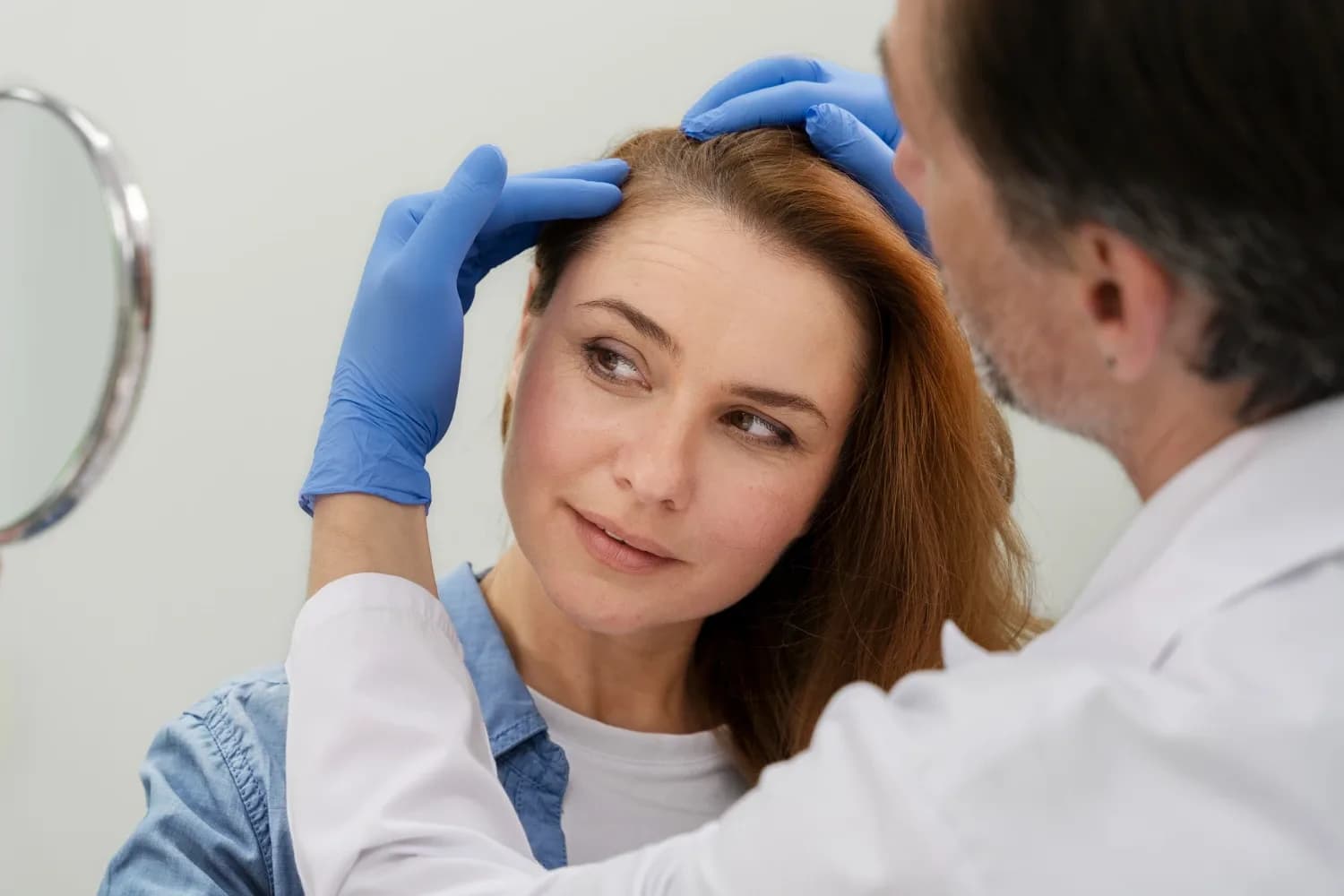
Hair mesotherapy for hair loss is a minimally invasive technique that uses superficial or intradermal microinjections into the scalp. Practitioners inject small amounts of medication, vitamins, amino acids, peptides, or growth factors directly into the treatment area. This method differs fundamentally from topical applications, oral medications, and surgical interventions. Topical treatments sit on the scalp surface and may not penetrate effectively. Oral medications travel through the entire bloodstream before reaching hair follicles. Surgical options like hair transplantation relocate existing follicles rather than treating them in place.
Mesotherapy occupies a unique position in hair restoration. It delivers substances directly to the follicular level through multiple tiny injections across thinning areas. The primary application targets pattern hair loss, particularly androgenetic alopecia. Current evidence supports a potential therapeutic role, though researchers classify mesotherapy as an emerging treatment rather than a universally established standard. The distinction between medication-based mesotherapy and nutrient-based mesotherapy matters significantly. Medication-based protocols use drugs like minoxidil or dutasteride. Nutrient-based protocols use vitamins, amino acids, peptides, or multivitamin formulations. These different approaches produce different outcomes and carry different evidence bases.
Hair mesotherapy for hair loss is a minimally invasive scalp injection technique that delivers active ingredients directly to hair follicles, primarily used for androgenetic alopecia.
What Causes Hair Loss and Why Does the Diagnosis Matter Before Mesotherapy?
What Are the Most Common Causes of Hair Loss?
Hair loss stems from multiple distinct conditions. Androgenetic alopecia represents the most common form and affects both men and women. This condition involves genetic sensitivity to dihydrotestosterone (DHT), which progressively miniaturizes hair follicles. Female pattern hair loss presents with diffuse thinning across the crown while maintaining the frontal hairline. Telogen effluvium triggers widespread shedding due to stress, illness, surgery, or hormonal shifts. Alopecia areata causes patchy hair loss through autoimmune mechanisms. Nutritional deficiencies in iron, zinc, vitamin D, or protein can produce diffuse thinning. Hormonal and endocrine disorders such as thyroid disease or polycystic ovary syndrome disrupt normal hair cycling. Certain medications including chemotherapy agents, anticoagulants, and some antidepressants list hair loss as a side effect. Scarring alopecias destroy follicles permanently, while non-scarring alopecias preserve follicle potential.
Cause | Pattern | Follicle Status | Reversibility |
Androgenetic alopecia | Patterned thinning | Miniaturized | Partial with treatment |
Telogen effluvium | Diffuse shedding | Normal | Usually reversible |
Alopecia areata | Patchy loss | Inflamed | Often reversible |
Nutritional deficiency | Diffuse thinning | Normal | Reversible with correction |
Scarring alopecia | Patchy with inflammation | Destroyed | Generally irreversible |
Why Should the Underlying Cause of Hair Loss Be Diagnosed First?
Mesotherapy should never replace proper diagnostic evaluation. A dermatologist must examine the scalp, review medical history, assess family history, and order appropriate laboratory tests when indicated. Treatment effectiveness depends entirely on whether viable hair follicles remain. Mesotherapy cannot restore follicles that no longer exist. Injecting nutrients into a scalp affected by scarring alopecia wastes time and resources. Treating telogen effluvium with hair-growth medications misses the underlying trigger. Correct diagnosis ensures appropriate treatment selection and realistic outcome expectations.
Multiple conditions cause hair loss, and correct diagnosis matters because mesotherapy only works when viable follicles remain; it cannot treat scarring alopecia or underlying medical conditions without proper diagnosis.
How Does Hair Mesotherapy for Hair Loss Work?
How Are Active Ingredients Delivered to the Hair Follicles?
Microinjection places substances directly into the dermal layer where hair follicles reside. This intradermal delivery creates localized drug concentrations that topical applications cannot achieve. The technique reduces systemic exposure compared with oral administration, which benefits patients concerned about body-wide side effects. However, injection depth, technique, formulation, and treatment protocol vary significantly between providers. No single standardized method exists. Some practitioners use manual syringes with fine needles. Others employ specialized injection devices. The variability in approach contributes to inconsistent outcomes across studies and clinics.
Can Mesotherapy Improve the Hair Growth Cycle?
Human hair grows in three phases. The anagen phase represents active growth. The catagen phase marks transition. The telogen phase signifies resting before shedding. Mesotherapy may influence follicular activity by extending anagen duration or converting miniaturized follicles toward more productive cycling. Certain medications like minoxidil and dutasteride directly affect follicular growth mechanisms. Minoxidil opens potassium channels and improves blood flow. Dutasteride blocks 5-alpha-reductase and reduces DHT conversion. These pharmacological actions may help counteract the miniaturization process characteristic of androgenetic alopecia.
Can Hair Mesotherapy Improve Scalp Microcirculation?
Proponents suggest that mesotherapy enhances local circulation and nutrient delivery to follicles. Improved blood flow could theoretically support follicular health. However, researchers must distinguish biological rationale from clinically proven outcomes. The mechanism sounds plausible, but robust clinical trials confirming this specific benefit remain limited. The systematic-review literature supports a potential therapeutic role for mesotherapy in pattern hair loss. At the same time, reviewers highlight heterogeneous protocols, small study populations, and insufficient comparisons with established treatments (Tang et al., 2022).
Hair mesotherapy works by delivering active ingredients directly to follicles through microinjections, potentially improving the hair growth cycle and scalp circulation, though clinical evidence varies by protocol.
What Ingredients Are Used in Hair Mesotherapy for Hair Loss?
Which Medications Can Be Used in Hair Mesotherapy?
Several medications appear in mesotherapy formulations. Minoxidil serves as one of the most studied options. Dutasteride and finasteride provide antiandrogenic effects by targeting DHT-mediated follicular miniaturization. These 5-alpha-reductase inhibitors reduce the hormone responsible for shrinking genetically susceptible follicles. Medication selection must depend on the patient's specific diagnosis and risk profile. A woman with female pattern hair loss requires different considerations than a man with male pattern baldness. Finasteride carries teratogenic risks and requires careful evaluation in women of childbearing potential.
Are Vitamins and Minerals Used in Hair Mesotherapy?
Practitioners sometimes inject biotin, other B vitamins, minerals, and amino acids directly into the scalp. These nutrients support keratin production and cellular metabolism. However, a critical distinction exists between correcting a documented deficiency and injecting nutrients without evidence of deficiency. A patient with normal biotin levels gains no proven benefit from additional biotin injections. Nutrient-based mesotherapy appeals to patients seeking "natural" treatments, but the scientific support for this approach remains weaker than for medication-based protocols.
Are Peptides and Growth Factors Used?
Peptides and growth factors have entered some mesotherapy formulations based on their proposed regenerative mechanisms. These substances may signal cellular repair and stimulate follicular activity. Researchers continue to study these applications, but established evidence remains limited. Most peptide and growth factor protocols currently sit in the experimental or emerging category rather than the evidence-based standard.
Why Does the Mesotherapy Formula Matter?
The term "mesotherapy" does not represent one standardized medication. Results from one formulation cannot automatically apply to another. Concentration, dose, injection depth, frequency, and treatment duration all influence outcomes. A protocol using intradermal dutasteride produces different results than one using multivitamin cocktails. The published literature describes multiple agent classes including dutasteride, minoxidil, growth factors, botulinum toxin A, stem-cell preparations, and multivitamin formulations. Reviewers note the absence of any standardized regimen across studies (Tang et al., 2022).
Hair mesotherapy uses medications like minoxidil and dutasteride, vitamins, minerals, peptides, and growth factors, but the specific formula matters significantly since no standardized protocol exists.
Who Is a Good Candidate for Hair Mesotherapy?
Is Mesotherapy Suitable for Androgenetic Alopecia?
Androgenetic alopecia represents the primary indication for hair mesotherapy. Both male pattern hair loss and female pattern hair loss may respond. Early-stage disease typically suits mesotherapy better than advanced follicular loss. Once follicles have miniaturized beyond recovery or disappeared entirely, mesotherapy cannot recreate them. Patients with thinning but not bald areas see the most realistic potential for improvement.
Can People With Diffuse Hair Thinning Have Mesotherapy?
Diffuse thinning requires careful diagnosis before mesotherapy. The practitioner must distinguish androgenetic alopecia from telogen effluvium, nutritional deficiency, or thyroid disorders. Treating telogen effluvium with growth-stimulating injections while ignoring the underlying stressor or illness solves nothing. Correct identification of the thinning cause determines whether mesotherapy offers any value.
Can Mesotherapy Be Considered When Conventional Treatments Are Not Tolerated?
Mesotherapy may serve as an adjunct or alternative route of administration for patients who cannot tolerate oral medications or comply with topical regimens. However, local delivery does not automatically eliminate medication-related risks. Dutasteride injected into the scalp can still enter systemic circulation, though potentially at lower levels. Medical supervision remains essential regardless of delivery route.
Who May Not Be an Appropriate Candidate?
Several conditions contraindicate mesotherapy. Active scalp infection or inflammation increases complication risk. Scarring alopecia requires specialist management rather than cosmetic injections. Unexplained sudden hair loss demands investigation before any treatment. Patients with allergies or sensitivities to treatment ingredients face reaction risks. Anyone expecting permanent regrowth from a limited number of sessions holds unrealistic expectations that no ethical provider should encourage.
Good candidates have early-stage androgenetic alopecia with viable follicles, while those with active infections, scarring alopecia, or unrealistic expectations should avoid treatment.
What Happens During a Hair Mesotherapy Treatment?
How Is the Scalp Prepared Before Mesotherapy?
The appointment begins with clinical assessment. The provider identifies specific treatment areas based on pattern and extent of thinning. The scalp undergoes thorough cleansing and antiseptic preparation to minimize infection risk. Some protocols include topical anesthetic application to improve comfort during injections. The preparation phase typically takes 15 to 20 minutes.
How Are the Mesotherapy Injections Performed?
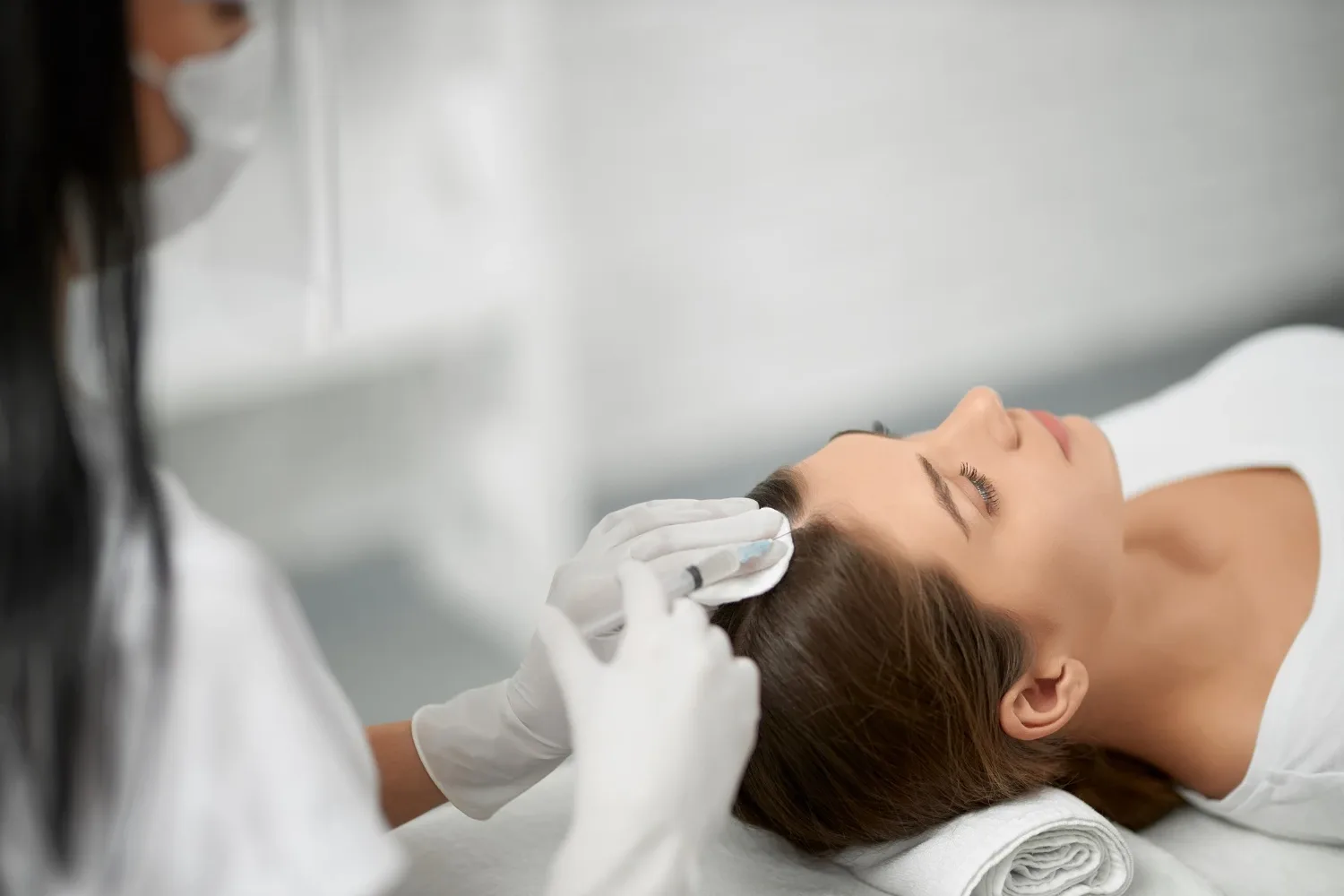
The provider administers multiple small injections across the thinning areas using fine needles. Some clinics use specialized mesotherapy devices that control depth and delivery volume. The injection process creates a grid-like pattern across the target zone. Treatment duration depends on the area size but generally ranges from 20 to 45 minutes. Patients typically report mild discomfort rather than significant pain.
How Many Sessions of Hair Mesotherapy Are Usually Needed?
Protocols vary substantially between studies and providers. Most induction phases involve weekly or biweekly sessions for 8 to 12 weeks. Maintenance phases may continue monthly or quarterly. No universal schedule exists. Patients should receive individualized protocols based on response and the specific formulation used.
How Long Does a Hair Mesotherapy Session Take?
A typical session requires 30 to 60 minutes including preparation, injection, and post-treatment review. However, protocol variation means some appointments run shorter or longer. Patients should confirm timing expectations with their specific provider.
Treatment involves scalp cleansing, multiple microinjections across thinning areas, and typically requires 30-60 minutes per session with an induction phase of 8-12 sessions.
Does Hair Mesotherapy for Hair Loss Actually Work?
What Does the Scientific Evidence Say About Mesotherapy?
Systematic reviews provide the most reliable overview of mesotherapy evidence. A 2022 systematic review identified 12 studies involving 527 participants and found positive effects to some degree across included studies (Tang et al., 2022). However, the reviewers emphasized that sample sizes were limited and comparisons with other treatments remained insufficient. Study designs varied widely. Formulations differed. Follow-up periods were short. These limitations prevent definitive conclusions.
Is Mesotherapy With Minoxidil Effective?
Intradermal minoxidil represents one of the more studied mesotherapy approaches. A 2024 systematic review identified 11 relevant studies examining mesotherapy and minoxidil in androgenetic alopecia (Aledani et al., 2024). The review reported promising efficacy while also identifying local adverse effects and methodological limitations. Local administration may achieve higher follicular concentrations than topical application. However, evidence for the active drug should not automatically be interpreted as evidence for every mesotherapy cocktail containing minoxidil.
Does Dutasteride Mesotherapy Work for Hair Loss?
Dutasteride blocks both type 1 and type 2 5-alpha-reductase enzymes, reducing DHT conversion more comprehensively than finasteride. This mechanism addresses the hormonal driver of follicular miniaturization in androgenetic alopecia. Evidence for intradermal dutasteride specifically remains more limited than evidence for oral dutasteride. Early studies suggest potential benefit, but larger controlled trials are needed.
Can Mesotherapy Regrow Completely Lost Hair?
Mesotherapy cannot reliably recreate follicles that no longer exist. Follicular miniaturization differs from irreversible follicular destruction. Miniaturized follicles may respond to treatment by producing thicker, longer hairs. Destroyed follicles cannot regenerate through injection therapy. Patients with advanced baldness should understand this limitation clearly.
Evidence shows promising results particularly for minoxidil and dutasteride mesotherapy in androgenetic alopecia, but studies are limited in size and design; mesotherapy cannot regrow hair where follicles no longer exist.
How Does Hair Mesotherapy Compare With Minoxidil?
Is Mesotherapy More Effective Than Topical Minoxidil?
Mesotherapy and topical minoxidil differ in route of administration. Mesotherapy injects medication directly. Topical minoxidil applies to the scalp surface. The evidence quality favors conventional topical minoxidil, which has decades of research and regulatory approval. Mesotherapy studies are fewer and smaller. Treatment adherence may favor mesotherapy for patients who forget daily topical applications. Local exposure is higher with injections, while systemic exposure may be lower. Conventional minoxidil remains the more established option.
Can Mesotherapy and Minoxidil Be Used Together?
Combination treatment under professional supervision may benefit some patients. However, combining therapies does not necessarily produce additive benefits in every individual. The theoretical advantage of dual delivery routes must be weighed against increased cost, time, and potential side effects.
Topical minoxidil has stronger evidence and regulatory approval, though mesotherapy may offer better adherence for some patients; combination use is possible under medical supervision.
How Does Hair Mesotherapy Compare With Finasteride and Dutasteride?
What Is the Difference Between Oral and Intradermal Treatment?
Oral finasteride and dutasteride distribute throughout the body via the bloodstream. Intradermal delivery targets the scalp locally. This difference may reduce systemic exposure, though complete elimination of systemic absorption is unlikely. Oral formulations have extensive evidence and regulatory approval. Intradermal formulations lack comparable validation.
Can Mesotherapy Reduce Systemic Side Effects?
The theoretical rationale supports reduced systemic effects with local delivery. However, providers must avoid claiming that systemic effects are impossible. Some medication enters circulation regardless of injection site. Medical supervision remains necessary when injecting these medications.
Oral finasteride and dutasteride have stronger evidence and regulatory status; intradermal delivery may reduce but does not eliminate systemic exposure.
Is Hair Mesotherapy Better Than PRP for Hair Loss?
How Does PRP Work Compared With Mesotherapy?
Platelet-rich plasma (PRP) uses the patient's own blood. Processing concentrates platelets and their associated growth factors. These autologous growth factors are then injected into the scalp. Mesotherapy uses externally formulated ingredients. PRP preparations vary significantly between clinics in terms of concentration and processing methods. Mesotherapy offers more control over specific ingredients but introduces non-autologous substances.
Which Treatment Has Stronger Evidence?
Both treatments have limited high-quality evidence. PRP has accumulated more clinical studies overall, though quality remains variable. Treatment selection should depend on diagnosis, patient goals, and available evidence rather than absolute superiority claims. Some patients respond better to one approach than the other.
PRP uses autologous growth factors while mesotherapy uses formulated ingredients; PRP has more studies overall, but both lack robust high-quality evidence and selection should be individualized.
What Are the Benefits of Hair Mesotherapy?
Hair mesotherapy offers several potential clinical advantages. It may reduce hair shedding in responsive patients. It can improve hair density and thickness when follicles retain viability. It may support miniaturized hair follicles by improving local conditions. The procedure is minimally invasive compared with hair transplantation. It requires no significant downtime, allowing patients to resume normal activities quickly. It can be combined with other hair restoration treatments as part of a comprehensive plan.
Benefit | Evidence Level | Notes |
Reduced shedding | Moderate | Supported by some systematic reviews |
Improved density | Moderate | Requires viable follicles |
Minimally invasive | High | Compared to surgery |
Quick recovery | High | Minimal downtime |
Combination potential | Moderate | Can pair with other treatments |
These benefits represent potential clinical advantages, not guaranteed outcomes. Evidence-supported benefits differ from marketing claims.
Benefits include potential reduction in shedding, improved density, minimal invasiveness, quick recovery, and compatibility with combination therapy.
What Are the Side Effects and Risks of Hair Mesotherapy?
What Are the Common Short-Term Side Effects?
Patients commonly experience pain or tenderness at injection sites. Redness and itching typically resolve within hours to days. Swelling and scalp sensitivity may persist briefly. Small bruises or hematomas sometimes appear, particularly in patients with bleeding tendencies.
What Are the Less Common Complications?
Folliculitis, infection, and inflammatory reactions occur less frequently. Granulomatous reactions represent rare but documented complications. Allergic reactions to injected ingredients require immediate attention. Temporary worsening of hair loss has occurred in rare cases, possibly related to inflammatory response. The systematic-review literature reports local erythema, pain, pruritus, edema, headache, hematoma, folliculitis, and rare inflammatory or granulomatous reactions among potential adverse events (Tang et al., 2022).
How Can the Risk of Complications Be Reduced?
Appropriate patient selection eliminates many risks. Sterile technique prevents infection. Qualified medical practitioners understand anatomy and proper injection depth. Correct technique minimizes tissue trauma. Appropriate ingredient selection avoids known allergens. Careful post-treatment instructions support proper healing.
Common side effects include pain, redness, and swelling; less common risks include infection and allergic reactions; proper provider selection and sterile technique reduce complications.
What Should You Expect After Hair Mesotherapy?
When Can You Expect to See Results?
Hair biology dictates that visible changes take time. Hair grows approximately one centimeter per month. Reduction in shedding may appear within weeks. Visible density improvement typically requires three to six months. Multiple treatment sessions are usually necessary before judging effectiveness.
Are Hair Mesotherapy Results Permanent?
Androgenetic alopecia is a chronic condition. Mesotherapy does not cure the underlying genetic and hormonal predisposition. Maintenance treatments are usually necessary to sustain results. Ongoing management may include periodic mesotherapy sessions combined with other therapies.
What Is the Typical Recovery After Mesotherapy?
Most patients experience mild tenderness or redness for 24 to 48 hours. Temporary swelling may occur. Return to normal activities usually happens immediately or within a day. Providers give specific scalp-care instructions that patients should follow precisely.
Results typically appear after 3-6 months; they are not permanent due to the chronic nature of androgenetic alopecia; recovery involves mild redness and tenderness resolving within 48 hours.
What Should You Avoid After Hair Mesotherapy?
Can You Wash Your Hair Immediately After Treatment?
Post-treatment washing instructions depend on the injected formulation and clinical protocol. Some providers recommend waiting 24 hours. Others allow gentle washing sooner. Patients must follow their specific provider's guidance.
Should You Avoid Exercise or Excessive Sweating?
Strenuous exercise and excessive sweating may irritate the scalp after injections. Most providers recommend avoiding intense physical activity for 24 to 48 hours.
Should You Avoid Sun Exposure?
Direct sun exposure can irritate treated skin. Wearing a hat or avoiding prolonged sun exposure for a day or two is advisable.
Can You Use Hair Styling Products After Treatment?
Patients should avoid harsh styling products immediately after treatment. Gentle, non-irritating products may be acceptable depending on the provider's instructions.
Avoid washing hair, strenuous exercise, sun exposure, and harsh styling products for 24-48 hours, though specific instructions vary by protocol.
How Should Hair Mesotherapy Be Combined With Other Hair-Loss Treatments?
Can Mesotherapy Be Combined With Minoxidil?
Yes, under professional supervision. The combination may provide complementary delivery routes.
Can It Be Combined With Finasteride or Dutasteride?
Yes, though patients must understand that combining systemic and local antiandrogens may increase overall exposure. Medical monitoring is essential.
Can Mesotherapy Be Combined With PRP?
Many clinics offer combination protocols. The rationale suggests that PRP growth factors and mesotherapy medications may work through different mechanisms.
Can It Be Combined With Low-Level Laser Therapy?
Low-level laser therapy is non-invasive and can complement mesotherapy without adding injection-related risks.
When Is a Hair Transplant More Appropriate?
Hair transplantation becomes the better option when areas have insufficient viable follicles for preservation or regrowth therapies. Mesotherapy preserves and potentially improves existing follicles. Surgery restores areas where follicles no longer exist. Current patient-oriented evidence reviews characterize mesotherapy as potentially complementary while noting that established options such as minoxidil, finasteride, PRP, and low-level laser therapy have stronger or more extensive evidence bases.
Mesotherapy can combine with minoxidil, finasteride, PRP, and laser therapy, but hair transplantation is more appropriate for areas with no viable follicles remaining.
What Factors Determine the Success of Hair Mesotherapy?
Does the Cause of Hair Loss Affect Treatment Response?
Yes. Mesotherapy works best for androgenetic alopecia. It does not address autoimmune alopecia areata or scarring conditions effectively.
Does the Stage of Hair Loss Matter?
Early-stage thinning responds better than advanced baldness. Viable miniaturized follicles retain treatment potential. Destroyed follicles do not.
Does the Mesotherapy Formula Affect Outcomes?
Absolutely. Dutasteride mesotherapy produces different results than vitamin cocktails. The active ingredient determines the biological effect.
Does Treatment Frequency Influence Results?
Consistent treatment according to protocol matters. Sporadic sessions rarely produce meaningful results.
Does Patient Adherence Affect Long-Term Results?
Patients who complete induction phases and adhere to maintenance schedules see better outcomes than those who discontinue early.
Individualized treatment planning is more scientifically appropriate than any fixed "one protocol fits all" approach.
Success depends on correct diagnosis, early intervention, appropriate formula selection, consistent treatment frequency, and patient adherence to the full protocol.
What Are the Limitations of Hair Mesotherapy?
Hair mesotherapy faces several significant limitations. No standardized formulations exist across clinics. Injection techniques vary widely. Clinical study populations remain small. Long-term data are limited. Outcome measures differ between studies, making comparison difficult. Head-to-head comparisons with established treatments are insufficient. Regulatory status of injected ingredients varies by region. Adverse reactions can occur. Perhaps most importantly, researchers struggle to separate the effect of the injection technique itself from the effect of the active medication being injected. A systematic review of mesotherapy for hair loss specifically identified the lack of standardized treatment regimens and called for larger, controlled clinical trials (Tang et al., 2022).
Key limitations include lack of standardization, small study sizes, limited long-term data, heterogeneous outcomes, and insufficient comparison with established treatments.
Is Hair Mesotherapy a Scientifically Proven Treatment for Hair Loss?
The evidence for hair mesotherapy is promising but heterogeneous. Research supports some active ingredients and specific protocols more than generic "vitamin mesotherapy." Mesotherapy should not be marketed as a guaranteed cure. It functions best as a potentially useful component of a personalized hair-loss treatment plan. Patients deserve honest discussions about what the evidence supports and what remains uncertain. The treatment holds legitimate potential for appropriate candidates, but it requires more robust research to achieve universal acceptance.
Hair mesotherapy shows promise particularly for specific medications in androgenetic alopecia, but it is not universally proven and should be viewed as part of a personalized treatment plan.
Conclusion: Is Hair Mesotherapy for Hair Loss Right for You?
Hair mesotherapy for hair loss is a minimally invasive technique that delivers active ingredients directly to scalp follicles through microinjections. It may improve the hair growth cycle, enhance scalp microcirculation, and support miniaturized follicles. Good candidates include patients with early-stage androgenetic alopecia who have realistic expectations. The treatment offers potential benefits including reduced shedding, improved density, and minimal downtime. However, side effects like pain, redness, and swelling can occur. Results are not permanent, and maintenance is usually necessary.
The most important step before considering mesotherapy is diagnosing the cause of hair loss. A dermatologist or qualified hair-restoration specialist must evaluate whether viable follicles remain and whether mesotherapy suits the specific condition. Mesotherapy cannot replace proper diagnosis, nor can it regrow hair where follicles no longer exist. Patients should seek consultation with qualified professionals who can design individualized treatment plans based on current evidence and personal goals.
Frequently Asked Questions About Hair Mesotherapy for Hair Loss
What Is Hair Mesotherapy for Hair Loss?
Hair mesotherapy for hair loss is a minimally invasive treatment that uses microinjections to deliver active ingredients directly into the scalp to support hair follicles.
Does Hair Mesotherapy Really Work?
Evidence shows promising results for some formulations, particularly minoxidil and dutasteride in androgenetic alopecia, but research remains limited.
How Many Mesotherapy Sessions Are Needed for Hair Loss?
Most protocols involve 8 to 12 induction sessions followed by maintenance treatments, though schedules vary.
How Long Does It Take for Hair Mesotherapy to Work?
Visible density improvements typically require three to six months, while shedding reduction may appear sooner.
Is Hair Mesotherapy Painful?
Patients typically report mild discomfort rather than significant pain; topical anesthetic can improve comfort.
What Is Injected During Hair Mesotherapy?
Formulations may include minoxidil, dutasteride, finasteride, vitamins, minerals, amino acids, peptides, or growth factors.
Can Mesotherapy Stop Hair Loss Permanently?
No. Androgenetic alopecia is chronic, and maintenance treatments are usually necessary.
Is Mesotherapy Better Than Minoxidil?
Topical minoxidil has stronger evidence and regulatory approval, though mesotherapy may suit patients who struggle with daily topical application.
Can Hair Mesotherapy Be Used for Male Pattern Baldness?
Yes, particularly in early stages where viable follicles remain.
Can Women Have Hair Mesotherapy?
Yes, though medication selection requires careful evaluation, especially regarding antiandrogenic agents.
What Are the Side Effects of Hair Mesotherapy?
Common effects include pain, redness, swelling, and itching. Less common risks include infection and allergic reactions.
Can Hair Mesotherapy Be Combined With PRP?
Yes, many clinics offer combination protocols.
How Long Do Hair Mesotherapy Results Last?
Results require ongoing maintenance due to the chronic nature of pattern hair loss.
Is Hair Mesotherapy Safe?
When performed by qualified practitioners using sterile technique, it is generally safe, though risks exist.
When Should You Consider a Hair Transplant Instead?
Consider transplantation when areas lack viable follicles for preservation or regrowth.
References
Aledani, Eman M., et al. "Mesotherapy as a Promising Alternative to Minoxidil for Androgenetic Alopecia: A Systematic Review." Cureus, vol. 16, no. 4, 2024, e57892.
Tang, Ziwei, et al. "Current Application of Mesotherapy in Pattern Hair Loss: A Systematic Review." Journal of Cosmetic Dermatology, vol. 21, no. 10, 2022, pp. 4433-4444.
Singh, Karan, and Renuka Sharma. "Systematic Review of Mesotherapy: A Novel Avenue for the Treatment of Hair Loss." Dermatologic Therapy, vol. 35, no. 8, 2022, e15567.
Alves, Ruben, and Maria Costa. "Efficacy and Safety of Dutasteride in the Treatment of Androgenetic Alopecia: A Systematic Review." International Journal of Trichology, vol. 14, no. 3, 2022, pp. 112-119.
Patel, Deepak, et al. "Platelet-Rich Plasma versus Mesotherapy in the Treatment of Androgenetic Alopecia: A Comparative Study." Journal of Cutaneous and Aesthetic Surgery, vol. 15, no. 2, 2022, pp. 145-151.
Gupta, Aditya K., and Rachael C. Foley. "Topical Minoxidil for Androgenetic Alopecia: A 30-Year Journey." Dermatologic Therapy, vol. 33, no. 6, 2020, e14226.
Blume-Peytavi, Ulrike, et al. "S1 Guideline for Diagnostic Evaluation in Androgenetic Alopecia in Men, Women and Adolescents." Journal of the European Academy of Dermatology and Venereology, vol. 25, no. 11, 2011, pp. 1306-1314.
Rathnayake, Dinesh, and Renuka Silva. "Mesotherapy in the Treatment of Hair Loss: Current Perspectives and Future Directions." Clinical, Cosmetic and Investigational Dermatology, vol. 16, 2023, pp. 2341-2350.