
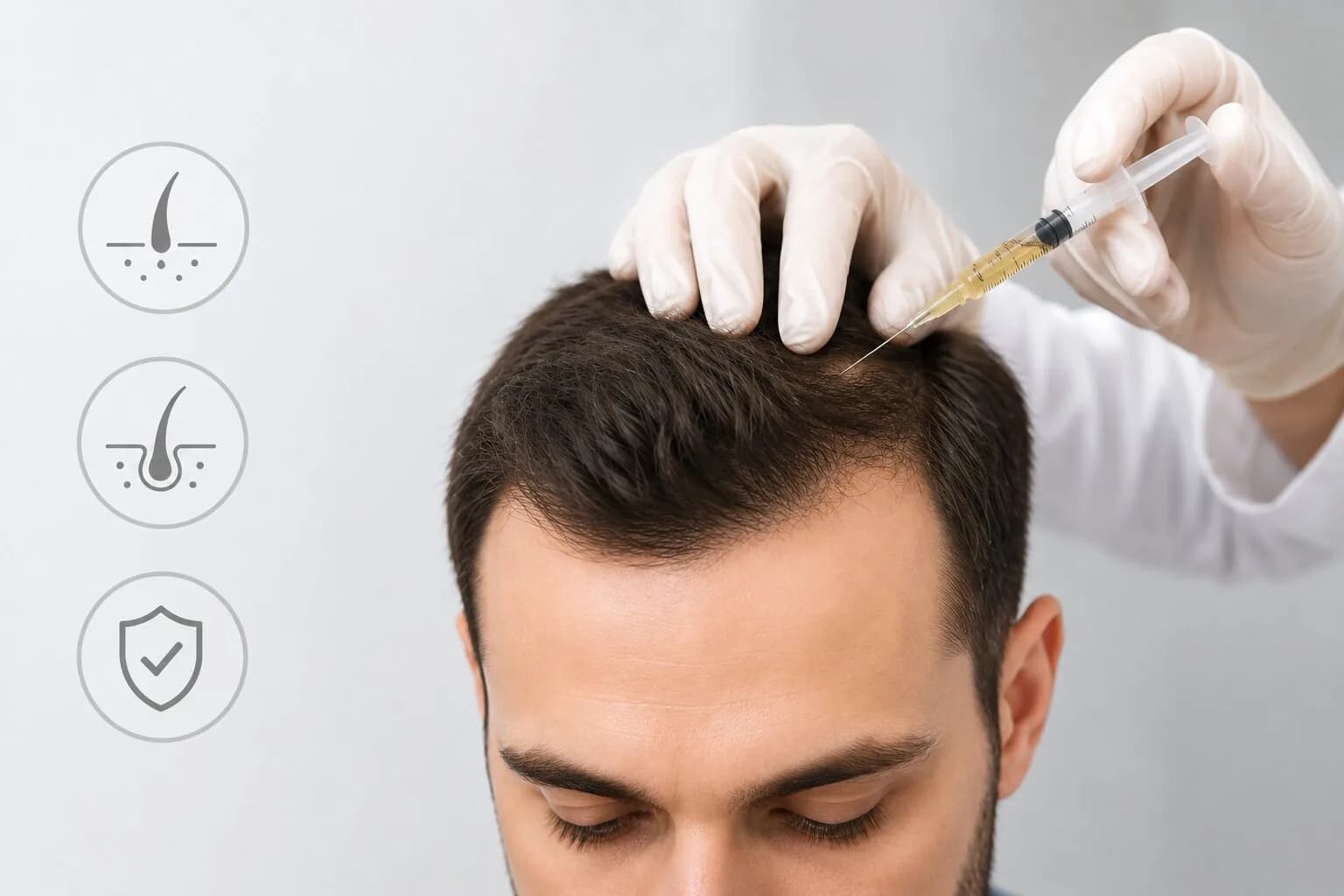
Hair Mesotherapy Cost: Complete Pricing Guide, Factors, and Value
Hair mesotherapy serves as a non-surgical treatment that delivers vitamins, minerals, and growth factors directly into the scalp through microinjections.
Hair mesotherapy cost ranges from $150 to $600 per session globally, with full courses reaching $1,000 to $5,000 depending on location, clinic reputation, and treatment personalization. This guide breaks down every factor that influences hair mesotherapy pricing. You will learn what drives costs up or down, how clinics set their fees, and whether this investment delivers real value for men and women facing hair thinning. We cover global price comparisons, hidden fees, insurance realities, and how hair mesotherapy stacks up against PRP, minoxidil, finasteride, laser therapy, and hair transplants. Every section uses current clinical evidence to help you make an informed decision about your hair restoration budget.
What Is Hair Mesotherapy?
Hair mesotherapy serves as a non-surgical treatment that delivers vitamins, minerals, and growth factors directly into the scalp through microinjections. Michel Pistor, a French physician, developed mesotherapy in 1952 to treat vascular disorders and pain. Dermatologists later adapted this technique for cosmetic and hair restoration purposes. The treatment targets the middle layer of the skin, called the mesoderm, where hair follicles receive their blood supply. Unlike oral medications, hair mesotherapy bypasses the digestive system and delivers active compounds straight to the target area. This direct delivery method explains why many patients see faster scalp improvements compared to topical solutions alone.
How Does Hair Mesotherapy Work?
Clinicians inject nutrient-rich solutions into the middle layer of the scalp to improve blood circulation and nourish hair follicles. A doctor or trained nurse uses very fine needles or a mesotherapy gun to create multiple microinjections across the thinning areas. Each injection places a customized cocktail of nutrients into the mesoderm. This process increases blood flow to the scalp, delivers oxygen to dormant follicles, and supplies the building blocks hair needs to grow. The micro-injuries also trigger a mild healing response that stimulates cell turnover. Most sessions take 20 to 30 minutes. Patients experience minimal downtime and can return to normal activities immediately.
What Ingredients Do Clinicians Use in Hair Mesotherapy?
Common ingredients include vitamins, amino acids, minerals, peptides, hyaluronic acid, growth factors, and medications like dutasteride or minoxidil. Each clinic formulates its own mesotherapy cocktail based on the patient's needs. Vitamins such as biotin and provitamin B5 strengthen hair shafts. Amino acids build keratin, the protein that makes up hair. Minerals like zinc and iron correct deficiencies that cause shedding. Peptides signal follicles to enter the growth phase. Hyaluronic acid hydrates the scalp and improves tissue health. Some advanced formulas include growth factors or stem cell-conditioned media. In certain protocols, clinicians add dutasteride or minoxidil to block dihydrotestosterone and extend the anagen phase (Sánchez 2022).
What Conditions Can Hair Mesotherapy Help Treat?
It may help androgenetic alopecia, diffuse thinning, stress-related shedding, early-stage hair loss, and seasonal hair loss. Androgenetic alopecia affects both men and women and stems from genetic sensitivity to dihydrotestosterone. Diffuse thinning spreads evenly across the scalp and often links to nutritional gaps or hormonal shifts. Stress-related shedding, called telogen effluvium, pushes hair follicles into a resting state. Early-stage hair loss responds best because follicles remain alive but dormant. Seasonal hair loss spikes during autumn and spring and usually resolves with nutritional support. Hair mesotherapy does not restore dead follicles or treat scarring alopecias.
How Much Does Hair Mesotherapy Cost?
A single session costs between $150 and $600, while full treatment packages range from $1,000 to $5,000 depending on the country and clinic. The hair mesotherapy price reflects local economic conditions, medical standards, and the complexity of the formula. Patients in Western Europe and North America pay the highest rates. Medical tourism destinations offer significantly lower scalp mesotherapy cost without compromising quality. Understanding these ranges helps you budget realistically and avoid clinics that hide fees behind low advertised prices.
What Is the Average Cost Per Session?
The global average falls between $200 and $400 per session at private dermatology clinics. In the United States, hair mesotherapy clinic prices typically start at $300 and can reach $600 per session. United Kingdom clinics charge £200 to £400, which converts to roughly $250 to $500. Canadian patients pay CAD $250 to $500 per appointment. These figures represent standard formulas without premium additives. Clinics that use growth factors, exosomes, or dutasteride often charge at the upper end of this range. The mesotherapy price per session usually includes the consultation, the injection procedure, and basic aftercare instructions.
What Is the Average Cost of a Full Treatment Course?
A standard 6-session course typically costs between $1,200 and $2,400. Most hair restoration specialists recommend 4 to 12 sessions for optimal results. A 4-session starter package costs $800 to $1,600. An 8-session intensive plan ranges from $1,600 to $3,200. A 12-session comprehensive protocol can reach $3,000 to $5,000. Clinics almost always offer hair mesotherapy package prices that reduce the per-session rate by 15% to 25%. These bundles improve affordability but require upfront payment. Patients should ask whether packages include all follow-up visits or just the injection sessions.
How Does Hair Mesotherapy Cost Vary by Country?
Turkey and Mexico offer sessions at $100-$250, while the United States and United Kingdom charge $300-$600 per session. Medical tourism has created sharp regional differences in hair mesotherapy cost. The table below shows approximate ranges for a single session and a standard 6-session package.
Country | Average Cost Per Session | Typical 6-Session Package |
United States | $300 – $600 | $1,500 – $3,000 |
United Kingdom | $250 – $500 | $1,200 – $2,500 |
Canada | $200 – $450 | $1,000 – $2,200 |
Turkey | $100 – $250 | $500 – $1,200 |
Mexico | $120 – $280 | $600 – $1,400 |
Germany | $250 – $500 | $1,200 – $2,400 |
India | $80 – $200 | $400 – $1,000 |
Thailand | $100 – $250 | $500 – $1,200 |
Turkey leads the medical tourism market for affordable hair mesotherapy. Istanbul clinics combine competitive pricing with board-certified dermatologists and modern facilities. The United States maintains the highest prices due to labor costs, insurance overhead, and strict regulatory compliance. European prices fall in the middle range but vary widely between Eastern and Western nations.
What Factors Affect Hair Mesotherapy Cost?
Clinic reputation, doctor expertise, location, ingredients, session count, combination therapies, and personalization all influence the final price. No two patients pay exactly the same hair mesotherapy treatment cost. A thorough consultation determines the right protocol, and that protocol drives the final invoice. Understanding these variables helps you compare quotes fairly and spot red flags in suspiciously cheap offers.
How Does Clinic Reputation Influence Price?
Established clinics with strong track records charge 30% to 50% more than newer facilities. Reputation builds on years of consistent results, patient safety records, and transparent pricing. Top-tier clinics invest in advanced injection devices, sterile environments, and ongoing staff training. They also conduct pre-treatment trichoscopy and post-treatment photography. These quality measures increase overhead, and clinics pass some of that cost to patients. However, reputable centers also offer clearer package terms and better recourse if complications arise. Patients should view reputation as a protective factor, not just a luxury markup.
How Does Doctor Expertise Affect Cost?
Board-certified dermatologists and hair restoration specialists typically charge higher fees than general practitioners. A doctor with 10-plus years in trichology understands scalp anatomy, hair cycle biology, and complication management. This expertise reduces risks like injection-site infections, necrosis, or uneven results. The Najafizade team (2021) emphasizes that both mesotherapy and PRP demand specialist doctors and experienced teams. General practitioners or aestheticians may offer lower prices, but they often lack the training to customize formulas or handle adverse events. Always verify the injecting doctor's credentials before comparing prices.
How Does Geographic Location Impact Price?
Major metropolitan areas and Western countries show significantly higher prices than clinics in medical tourism destinations. Rent, staff salaries, and regulatory compliance cost more in New York, London, or Toronto than in Istanbul, Mexico City, or Bangkok. Currency exchange rates also favor patients traveling from strong economies to emerging markets. However, location alone does not determine quality. Some smaller cities in Western countries offer lower prices than capital cities. Patients should research local market rates before booking consultations.
How Do Ingredients Affect the Cost?
Premium cocktails containing growth factors, stem cell media, or dutasteride increase the per-session price by 20% to 40%. Basic vitamin and mineral formulas cost the least. Intermediate formulas add peptides and amino acids. Advanced protocols incorporate platelet-rich plasma derivatives, recombinant growth factors, or stem cell-conditioned media. The Stefanis team (2024) compared PRP against mesotherapy with recombinant growth factors and found that product choice significantly changes outcomes. Higher-grade ingredients require cold storage, sterile preparation, and shorter shelf lives. These logistics raise the cost of hair mesotherapy for patients seeking cutting-edge formulas.
How Does the Number of Sessions Required Change the Price?
Most patients need 6 to 12 sessions, and clinics offer package discounts that reduce the per-session cost by 15% to 25%. Early-stage hair loss may resolve in 4 to 6 sessions. Moderate thinning often needs 8 to 10 sessions. Advanced cases or maintenance protocols extend to 12 or more sessions. Each additional visit adds to the total cost of hair mesotherapy. However, package pricing softens this blow. Patients who pay per session face higher cumulative costs. Clinics design packages to encourage treatment completion, which improves both patient results and clinic revenue.
How Do Combination Treatments Affect Cost?
Adding PRP, microneedling, or exosome therapy can double or triple the total treatment investment. Many clinics recommend combination protocols for patients with aggressive thinning. A mesotherapy-plus-PRP session costs $400 to $800. Adding microneedling raises the fee by $100 to $300. Exosome therapy, one of the newest options, adds $500 to $1,000 per session. The Najafizade review (2021) notes that simultaneous use of PRP and minoxidil demonstrates the best rate of improvement and satisfaction. Combination therapies address multiple pathways of hair loss simultaneously, but patients must weigh the added expense against the potential for faster results.
How Do Personalized Treatment Plans Influence Pricing?
Customized protocols based on trichoscopy results cost more than standard templates but deliver better outcomes. A personalized plan starts with a detailed scalp analysis. The doctor examines hair density, follicle health, scalp inflammation, and oil production. Then the doctor designs a unique formula and session schedule. This approach takes more time and expertise than a one-size-fits-all protocol. Personalized plans also adjust mid-course based on progress photos. The extra attention raises the hair mesotherapy price, but it also minimizes wasted sessions on ineffective formulas.
Why Do Multiple Sessions Increase Total Hair Mesotherapy Cost?
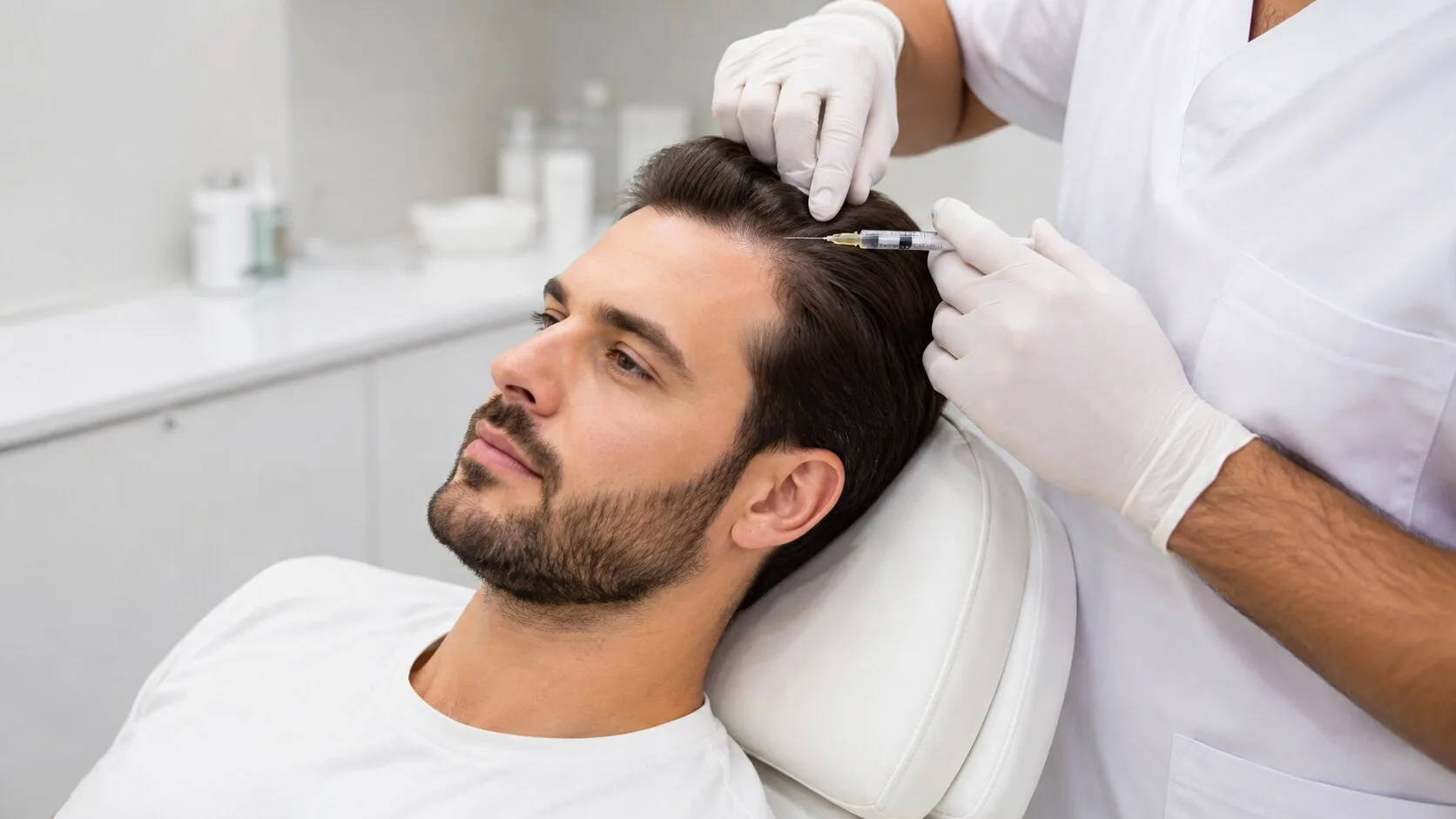
Hair follicles need repeated stimulation over 3 to 6 months, and each session adds $150 to $600 to the total investment. Hair grows in cycles. A single injection cannot reverse months or years of follicle miniaturization. The cumulative cost surprises some patients who expect one-time fixes. Understanding the biological timeline helps set realistic financial expectations.
What Is the Recommended Treatment Schedule?
Most protocols start with weekly sessions for 4 to 6 weeks, then shift to biweekly or monthly maintenance. The induction phase builds nutrient levels in the scalp. The consolidation phase extends the anagen growth phase. The maintenance phase preserves gains. A typical schedule looks like this: weeks 1 through 4 involve one session per week. Weeks 5 through 8 shift to one session every two weeks. Months 3 through 6 move to monthly sessions. After month 6, patients attend maintenance sessions every 3 to 4 months. This schedule means patients pay for 10 to 15 sessions in the first year.
Why Does Hair Growth Require Ongoing Treatment?
Hair cycles last 3 to 6 months, and follicles need continuous nutrient delivery to transition from resting to growth phases. Each hair follicle operates on its own timeline. At any moment, 85% to 90% of scalp hairs sit in the anagen growth phase, while 10% to 15% rest in telogen. Mesotherapy nudges resting follicles back into growth, but it cannot permanently alter genetic programming. Without ongoing support, follicles gradually return to their baseline state. The Moftah team (2013) observed that mesotherapy with dutasteride produced photographic improvement in 62.8% of female pattern hair loss patients, but these results require maintenance to persist.
What Are the Long-Term Maintenance Costs?
Maintenance sessions every 3 to 6 months cost $150 to $400 each and help preserve results for 12 to 18 months. After the initial treatment course, patients enter the preservation phase. Most clinics recommend 2 to 4 maintenance sessions per year. At $200 per session, this adds $400 to $800 annually to the hair mesotherapy maintenance cost. Some patients combine maintenance mesotherapy with daily minoxidil to stretch the time between injections. Others alternate mesotherapy with PRP every six months. These strategies balance cost and results.
Is Hair Mesotherapy Worth the Cost?
Clinical studies show measurable improvements in hair density and reduced shedding for many patients, making it a worthwhile investment for early-stage hair loss. The value of hair mesotherapy depends on the severity of thinning, the quality of the clinic, and the patient's commitment to the full protocol. Patients with realistic expectations and mild to moderate hair loss report the highest satisfaction. Those seeking dramatic regrowth from advanced baldness often feel disappointed.
What Are the Potential Benefits?
Patients report reduced shedding, improved scalp nourishment, increased hair thickness, and better overall hair quality. Reduced shedding appears first, usually within 3 to 4 weeks. Patients notice fewer hairs on pillows and in shower drains. Improved scalp nourishment reduces dryness, itching, and inflammation. Increased hair thickness becomes visible after 2 to 3 months as follicles produce stronger shafts. Better hair quality includes enhanced shine, elasticity, and color retention. These benefits improve self-esteem and reduce the psychological burden of hair loss.
What Does Clinical Evidence Show?
Research demonstrates that mesotherapy with dutasteride improves hair loss in 62.8% of patients, though evidence quality varies across studies. The Sánchez team (2022) conducted a multicentric retrospective study of 541 patients and found that mesotherapy with dutasteride produced marked improvement in 38.4% of patients after one year. Pain was the most frequent side effect, affecting 45.5% of participants, but no serious adverse events occurred. The Gajjar team (2019) compared mesotherapy against topical 5% minoxidil in men with androgenetic alopecia. They found no significant difference in most dermoscopic parameters between the two groups, though mesotherapy showed a significant increase in hair shaft diameter variation. The Hunter team (2019) compared mesotherapy to topical minoxidil in female pattern hair loss using ultrasound biomicroscopy. They found no significant difference in hair density improvement between groups, but the mesotherapy group reported higher satisfaction scores. These studies confirm that hair mesotherapy works, but they also show that results vary by formula, patient, and measurement method.
How Does Hair Mesotherapy Compare to Other Hair Loss Treatments in Cost?
Mesotherapy sits in the mid-range of hair restoration options, costing less than transplants and exosome therapy but more than topical minoxidil. Patients exploring hair restoration face a wide spectrum of prices and commitment levels. The table below compares the most common options.
Treatment | Average Cost | Number of Sessions | Downtime | Best For |
Hair Mesotherapy | $1,200 – $3,000 | 6 – 12 | None | Early thinning, scalp health |
PRP | $1,500 – $4,500 | 3 – 6 | None | Genetic loss, post-transplant |
Exosome Therapy | $3,000 – $8,000 | 3 – 6 | None | Advanced thinning |
Topical Minoxidil | $300 – $600/year | Daily at home | None | Maintenance, mild loss |
Oral Finasteride | $120 – $360/year | Daily pills | None | Men with DHT sensitivity |
Low-Level Laser Therapy | $200 – $1,000 device | 3x weekly at home | None | Maintenance, mild loss |
Hair Transplant | $4,000 – $15,000 | 1 – 2 surgeries | 7 – 14 days | Advanced baldness |
How Does Mesotherapy Compare to PRP in Cost?
Mesotherapy costs 30% to 50% less per session than PRP, though PRP may require fewer sessions overall. A single PRP session costs $400 to $800 because it requires blood draw, centrifugation, and specialized processing. Mesotherapy uses pre-formulated solutions, so clinics spend less time per patient. However, PRP often produces faster visible results and requires only 3 to 4 initial sessions. Mesotherapy usually needs 6 to 8 sessions to match those outcomes. The Stefanis team (2024) found that both PRP and mesotherapy formulations significantly enhance trichoscopic parameters, but the extent of improvement varies by product. Patients choosing between the two should compare total course costs, not just per-session fees.
How Does Mesotherapy Compare to Exosome Therapy in Cost?
Exosome therapy costs 2 to 3 times more per session than standard mesotherapy. Exosomes represent the newest frontier in regenerative hair medicine. These extracellular vesicles carry signaling molecules that trigger cell repair and follicle regeneration. A single exosome session costs $800 to $1,500. Because exosome therapy is new, long-term data remains limited. Mesotherapy offers a more established track record at a fraction of the price. Patients with early thinning may start with mesotherapy and upgrade to exosomes if results plateau.
How Does Mesotherapy Compare to Topical Minoxidil in Cost?
A one-year supply of minoxidil costs $300 to $600, making it cheaper than a full mesotherapy course. Topical minoxidil has dominated hair loss treatment for decades. The Olsen team (2002) proved that 5% minoxidil outperforms 2% formulations and placebo in men with androgenetic alopecia. The Penha team (2024) recently confirmed that oral minoxidil matches topical efficacy. Minoxidil requires daily application for life, but the annual cost stays low. Mesotherapy costs more upfront but requires no daily home routine. Some patients use both: mesotherapy for intensive repair and minoxidil for daily maintenance.
How Does Mesotherapy Compare to Oral Finasteride in Cost?
Generic finasteride costs $10 to $30 monthly, totaling $120 to $360 per year, which is far less expensive than mesotherapy. Finasteride blocks 5-alpha-reductase and reduces dihydrotestosterone levels. The Devjani review (2023) identifies finasteride as one of the two most efficacious medications for androgenetic alopecia. However, finasteride only works for men, and some patients avoid it due to concerns about sexual side effects. Mesotherapy works for both men and women and carries no systemic hormonal risk. Women who cannot take finasteride often choose mesotherapy as their primary medical intervention.
How Does Mesotherapy Compare to Low-Level Laser Therapy in Cost?
Home LLLT devices cost $200 to $1,000 upfront, while in-clinic LLLT packages range from $1,500 to $3,000. Low-level laser therapy uses red light to stimulate follicle metabolism. The Jimenez team demonstrated statistically significant hair regrowth using lasercomb devices compared with sham controls. Home devices offer long-term value because patients use them for years. However, LLLT works slowly and suits maintenance better than active restoration. Mesotherapy delivers faster nutrient saturation and pairs well with LLLT for combination strategies.
How Does Mesotherapy Compare to Hair Transplant in Cost?
Hair transplants cost $4,000 to $15,000, making them 3 to 5 times more expensive than a full mesotherapy course. Transplant surgery moves permanent follicles from the donor area to bald zones. It offers the only truly permanent solution for advanced baldness. However, surgery requires 7 to 14 days of downtime and leaves tiny scars. Mesotherapy cannot replace lost follicles, but it strengthens existing ones and delays the need for surgery. Many patients use mesotherapy before and after transplants to protect native hair and improve graft survival.
Does Insurance Cover Hair Mesotherapy?
Most insurance providers classify hair mesotherapy as a cosmetic procedure and do not cover the cost. Patients must pay out-of-pocket for virtually all hair mesotherapy treatments. This reality shapes how people budget for hair restoration. Understanding the few exceptions helps patients explore every option.
Is Hair Mesotherapy a Cosmetic or Medical Treatment?
Insurance companies and medical boards classify hair mesotherapy as cosmetic except in rare cases of chemotherapy-induced hair loss. Androgenetic alopecia, stress-related shedding, and seasonal loss fall outside standard medical necessity definitions. Regulators view these conditions as quality-of-life issues rather than health threats. Some European countries show more flexibility for documented psychological distress linked to hair loss. In North America, cosmetic classification remains strict.
Do Private Insurance Policies Cover It?
Private insurers occasionally cover mesotherapy after chemotherapy or radiation therapy, but standard androgenetic alopecia cases remain excluded. Patients must submit extensive documentation, including oncology records and dermatology referrals. Even then, approval rates stay low. Patients should call their insurance provider before booking treatment. Ask specifically whether the policy covers "scalp injections for hair loss" or "mesotherapy for alopecia." Most representatives will confirm exclusion, but the call creates a paper trail for potential appeals.
What Flexible Payment Options Exist?
Many clinics accept credit cards, health savings accounts, and third-party medical financing. Health savings accounts and flexible spending accounts sometimes cover hair loss treatments if a doctor writes a letter of medical necessity. Third-party financing companies like CareCredit or Alphaeon specialize in cosmetic medical procedures. They offer 6 to 24 month payment plans with promotional interest rates. Patients should read all terms carefully because deferred interest plans can trigger high retroactive charges.
Do Clinics Offer Financing?
Numerous clinics provide in-house payment plans that spread costs over 6 to 24 months. In-house financing usually requires a credit check and a down payment of 20% to 30%. The clinic charges the remaining balance in monthly installments. Some centers offer zero-interest plans for packages paid within 12 months. Others charge modest interest rates of 5% to 10%. Always compare in-house terms against third-party lenders to secure the best rate.
How Can You Choose a Clinic Without Paying Too Much?
Focus on medical credentials, treatment transparency, and package value rather than selecting the lowest advertised price. The cheapest hair mesotherapy clinic prices often hide risks. Smart patients evaluate total value, not just the sticker price. A slightly higher investment at a reputable clinic prevents complications, redo sessions, and permanent damage.
Why Should You Look Beyond the Lowest Price?
Extremely low prices often signal diluted formulas, inexperienced staff, or poor hygiene standards. Some discount clinics reuse single-use vials or skip sterilization steps. The Duque Estrada team (2009) reported cases of patchy alopecia and scarring after mesotherapy performed with improper techniques or unknown homeopathic agents. These complications cost far more to repair than the original treatment. Patients should treat suspiciously low prices as red flags, not bargains.
How Can You Verify Medical Qualifications?
Check board certification in dermatology or trichology and verify training in mesotherapy techniques. Ask the clinic directly: "Who performs the injections, and what is their medical background?" Board-certified dermatologists complete years of specialized training in skin and hair disorders. Trichologists focus specifically on hair science. Nurses and aestheticians may assist, but a doctor should design the protocol and oversee treatment. Request proof of certification before signing any contract.
What Should You Ask About the Treatment Formula?
Request a full ingredient list and ask whether the clinic uses pharmaceutical-grade compounds. Reputable clinics disclose their formula components. They explain why they chose specific vitamins, amino acids, or medications. Ask whether the clinic prepares fresh cocktails for each patient or uses pre-mixed solutions. Fresh preparation allows customization but costs more. Pre-mixed solutions save time but offer less flexibility. Also ask about allergen risks. The clinic should screen for sensitivities to common ingredients like hyaluronic acid or plant extracts.
How Can You Compare Package Pricing?
Calculate the per-session cost and compare the total package price across 3 to 5 clinics. Do not trust headline numbers alone. Some clinics advertise a low package price but charge extra for consultations, blood tests, or follow-up photos. Create a spreadsheet that lists: total package price, number of sessions, included services, expiration date, and refund policy. This method reveals the true cost of hair mesotherapy across providers. A $1,500 package with 8 sessions and no hidden fees beats a $1,200 package that excludes essential services.
Why Should You Review Before-and-After Photos?
Authentic photos with consistent lighting show real results and help set realistic expectations. Request unedited photos of patients with similar hair loss patterns and skin types. Look for consistent lighting, angles, and timeframes. Beware of stock images or photos stolen from other clinics. Ask how many months passed between the before and after shots. Genuine mesotherapy results take 3 to 6 months to appear. Photos showing dramatic change after one week are fake.
What Follow-Up Care Should You Understand?
Ask whether follow-up visits, touch-up sessions, and post-treatment consultations carry extra fees. Some clinics include unlimited follow-ups in their packages. Others charge $50 to $100 per follow-up visit. Ask how the clinic handles poor responders. Do they offer complimentary touch-ups? Is there a satisfaction guarantee? Clear follow-up policies protect your investment and ensure the clinic remains accountable.
What Hidden Costs Should Patients Know About?
Beyond the session fee, patients may pay for consultations, blood tests, maintenance sessions, medications, and combination therapies. The advertised hair mesotherapy price rarely tells the full financial story. Patients who budget only for sessions often face surprise bills. A complete budget includes every line item.
What Are Consultation Fees?
Initial consultations cost $50 to $150, though some clinics waive this fee when patients book a treatment package. The consultation includes scalp examination, medical history review, and treatment planning. Some clinics deduct the consultation fee from the package price if patients proceed. Others keep it as a separate charge. Ask about consultation costs before booking.
What Blood Tests Might Be Required?
Hormone panels and nutritional deficiency tests add $100 to $300 to the initial assessment. Doctors order blood work to rule out thyroid disorders, iron deficiency, or hormonal imbalances. These tests ensure that mesotherapy addresses the true cause of hair loss. Patients with known deficiencies may need repeat testing every 3 to 6 months. Some clinics include basic blood work in their packages. Others send patients to external labs.
What Do Maintenance Sessions Cost?
Maintenance sessions cost 20% to 40% less than initial sessions, typically ranging from $100 to $300. Clinics reward loyalty with reduced maintenance rates. Some offer annual maintenance memberships that include 4 sessions for a flat fee of $600 to $800. These memberships make sense for patients committed to long-term scalp health. Calculate the break-even point to decide whether a membership saves money compared to paying per session.
What Additional Hair Loss Medications Might You Need?
Clinicians may prescribe minoxidil, finasteride, or nutritional supplements that cost $20 to $100 monthly. Mesotherapy works best as part of a comprehensive hair loss strategy. Many patients continue topical minoxidil between sessions. Some men add oral finasteride for DHT suppression. Women may take iron, zinc, or biotin supplements. These ongoing costs add $240 to $1,200 per year to the total investment.
What Do Combination Therapy Costs Include?
Combination packages bundle mesotherapy with PRP or microneedling and typically cost $2,000 to $5,000. These packages target patients who want maximum results in minimum time. A typical combination package includes 4 mesotherapy sessions, 2 PRP sessions, and 2 microneedling sessions. Clinics usually price these bundles 10% to 20% below the cost of booking each service separately. Patients should verify that all components use the same high standards. A cheap combination package may dilute each component.
Can You Save Money by Having Hair Mesotherapy Abroad?
Yes. Medical tourism destinations offer sessions at 40% to 70% less than Western clinics, but patients must factor in travel and follow-up logistics. The hair mesotherapy cost in Turkey and similar destinations attracts thousands of international patients each year. Savings can reach $2,000 or more for a full course. However, overseas treatment requires careful planning.
Why Is Medical Tourism Popular for Hair Treatments?
Patients save thousands of dollars while accessing board-certified specialists in modern facilities. Turkey alone hosts over 500 hair restoration clinics. Many Istanbul clinics cater specifically to British, German, and American patients. They offer English-speaking consultants, airport transfers, and hotel packages. The Najafizade review (2021) notes that both PRP and mesotherapy function as safer, less costly, and less invasive alternatives to hair transplant surgery. Medical tourism extends this affordability to patients from high-cost countries.
Which Countries Offer Competitive Pricing?
Turkey, Mexico, India, and Thailand lead the market for affordable hair mesotherapy. Turkey dominates with prices of $100 to $250 per session and all-inclusive packages. Mexico serves North American patients with border clinics charging $120 to $280 per session. India offers excellent value at $80 to $200 per session, particularly in Mumbai and Delhi. Thailand combines medical care with tourism appeal at $100 to $250 per session. Each country maintains clinics that meet international accreditation standards.
What Should You Consider Beyond Cost?
Verify clinic accreditation, doctor qualifications, English-language support, and the availability of follow-up care in your home country. Accreditation by organizations like the Joint Commission International ensures safety standards. Verify that the doctor holds a valid medical license in their home country. Ask whether the clinic provides remote follow-up via video calls. Plan for at least one return visit if complications arise. Factor in flight costs, hotel stays, and time off work. A $1,000 savings evaporates quickly if travel costs $800 and you need a second trip.
Who Is a Good Candidate for Hair Mesotherapy?
Adults with early-stage thinning, good scalp health, and realistic expectations make the best candidates. Hair mesotherapy does not work for everyone. Selecting the right patients improves success rates and protects patients from wasted spending.
Who Are the Ideal Candidates?
Men and women with mild to moderate androgenetic alopecia or stress-related shedding respond best. Ideal candidates still have visible follicles in the thinning areas. They notice increased daily shedding but no large bald patches. They maintain good overall health and do not take blood-thinning medications. They commit to the full treatment schedule and follow post-care instructions. These patients see the strongest return on their hair mesotherapy investment.
Which Patients May Need Alternative Treatments?
Patients with advanced baldness, scarring alopecia, or active scalp infections need surgery or medication instead. Mesotherapy cannot grow hair on smooth, shiny bald scalp where follicles have died. Scarring alopecias destroy follicles permanently and require immunosuppressive therapy, not nutrient injections. Active infections like tinea capitis or severe seborrheic dermatitis need medical treatment first. Injecting nutrients into infected tissue worsens the condition.
When Is Hair Mesotherapy Not Recommended?
Clinicians do not recommend mesotherapy during pregnancy, breastfeeding, or active scalp infections. The safety of mesotherapy ingredients during pregnancy remains unstudied. Clinicians also avoid mesotherapy in patients with bleeding disorders, uncontrolled diabetes, or keloid-forming tendencies. Patients with a history of anaphylaxis should undergo patch testing before receiving complex nutrient cocktails. Honest clinics screen for these contraindications during the initial consultation.
What Are the Most Frequently Asked Questions About Hair Mesotherapy Cost?
Patients most often ask about per-session pricing, session count, insurance coverage, and value compared to alternatives. This section answers the most common questions directly.
How much does hair mesotherapy cost per session? Hair mesotherapy cost per session ranges from $150 to $600. The average patient pays $250 per session at a reputable clinic.
How many sessions will I need? Most patients need 6 to 10 sessions for initial results. Maintenance requires 2 to 4 sessions per year.
Is hair mesotherapy cheaper than PRP? Yes. The average hair mesotherapy vs PRP cost comparison shows mesotherapy costs 30% to 50% less per session. However, PRP often requires fewer total sessions.
How long do results last? Results last 6 to 12 months without maintenance. With maintenance sessions every 3 to 4 months, results extend to 18 months or longer.
Can hair mesotherapy replace a hair transplant? No. Mesotherapy strengthens existing follicles but cannot restore dead ones. Advanced baldness still requires transplant surgery.
Does hair mesotherapy hurt? Most patients feel mild pinpricks. Numbing cream reduces discomfort. Pain ranks as the most common side effect, affecting about 45% of patients in large studies (Sánchez 2022).
Is hair mesotherapy permanent? No. The treatment requires ongoing maintenance to preserve results. Hair loss is a chronic condition, and mesotherapy manages it rather than curing it.
Can I combine mesotherapy with PRP? Yes. Many clinics offer combination packages. Research shows that combining treatments often produces better outcomes than either therapy alone (Najafizade 2021).
Is hair mesotherapy covered by insurance? No. Insurance companies classify hair mesotherapy as cosmetic. They do not cover androgenetic alopecia treatment.
Why do clinic prices vary so much? Factors affecting hair mesotherapy cost include location, doctor expertise, ingredient quality, session count, and clinic reputation. Premium clinics invest in better staff, equipment, and safety protocols.
What Is the Final Verdict on Hair Mesotherapy Cost?
Hair mesotherapy offers a mid-range investment for hair restoration, with costs varying by location, ingredients, and provider expertise. The average price of hair mesotherapy falls between $1,200 and $3,000 for a standard course. This investment sits well below hair transplant surgery and above daily medication routines. Patients receive direct scalp nourishment, improved hair quality, and reduced shedding without surgery or systemic drugs.
Value depends on treatment quality rather than price alone. The cheapest clinic may save money upfront but risks complications, poor results, and hidden fees. The most expensive clinic does not guarantee success either. Patients should seek board-certified specialists who customize formulas, use pharmaceutical-grade ingredients, and provide clear package terms.
Research supports mesotherapy as an effective option for early-stage hair loss. The Sánchez team (2022) confirmed real benefits in a large patient cohort. The Gajjar team (2019) and Hunter team (2019) showed comparable efficacy to minoxidil in controlled trials. These findings give patients confidence that hair mesotherapy cost delivers measurable returns when clinicians apply it correctly.
You should consult a qualified hair restoration specialist for a personalized treatment plan. A thorough trichoscopy examination determines whether mesotherapy suits your specific pattern of loss. The specialist can estimate your exact session count, recommend the right ingredient blend, and provide a detailed quote. This personalized approach ensures you invest wisely in your hair health.
References
Devjani, Shivali, et al. "Androgenetic Alopecia: Therapy Update." Journal of the American Academy of Dermatology, 2023, pmc.ncbi.nlm.nih.gov/articles/PMC10173235/.
Duque Estrada, Bruna, et al. "Alopecia Secondary to Mesotherapy." Journal of the American Academy of Dermatology, vol. 61, no. 4, 2009, pp. 707-709.
Gajjar, Prachi C., et al. "Comparative Study between Mesotherapy and Topical 5% Minoxidil by Dermoscopic Evaluation for Androgenic Alopecia in Male: A Randomized Controlled Trial." International Journal of Trichology, vol. 11, 2019, p. 58.
Hunter, Nahla, et al. "Comparing the Efficacy of Mesotherapy to Topical Minoxidil in the Treatment of Female Pattern Hair Loss Using Ultrasound Biomicroscopy: A Randomized Controlled Trial." Acta Dermatovenerologica Croatica, vol. 27, 2019, p. 1.
Jimenez, Joaquin J., et al. "Efficacy and Safety of Low-Level Light Therapy for Androgenetic Alopecia: A Randomized Controlled Trial." Lasers in Surgery and Medicine, referenced in "Role of Low-Level Light Therapy (LLLT) in Androgenetic Alopecia." PMC, 2022, pmc.ncbi.nlm.nih.gov/articles/PMC8906269/.
Moftah, N., et al. "Mesotherapy Using Dutasteride Containing Preparation in Treatment of Female Pattern Hair Loss: Photographic, Morphometric and Ultrastructural Evaluation." Journal of the European Academy of Dermatology and Venereology, vol. 27, 2013, pp. 686-693.
Najafizade, Elahe, et al. "Mesotherapy vs PRP: Hair Loss." Journal of Clinical Images and Medical Case Reports, vol. 2, no. 6, 2021, p. 1518.
Olsen, Elise A., et al. "A Randomized Clinical Trial of 5% Topical Minoxidil versus 2% Topical Minoxidil and Placebo in the Treatment of Androgenetic Alopecia in Men." Journal of the American Academy of Dermatology, vol. 47, no. 3, 2002, pp. 377-385.
Penha, Marco A., et al. "Oral Minoxidil vs Topical Minoxidil for Male Androgenetic Alopecia: A Randomized Clinical Trial." JAMA Dermatology, 2024, doi:10.1001/jamadermatol.2024.0284.
"Mesotherapy with Dutasteride for Androgenetic Alopecia." Journal of Drugs in Dermatology, vol. 21, no. 7, 2022, pp. 742-747, doi:10.36849/JDD.6610.
Stefanis, Athanasios J., et al. "Efficacy of Platelet-Rich Plasma versus Mesotherapy with Recombinant Growth Factors and Stem Cell-Conditioned Media in Androgenetic Alopecia: A Retrospective Study." Skin Appendage Disorders, 2024.