
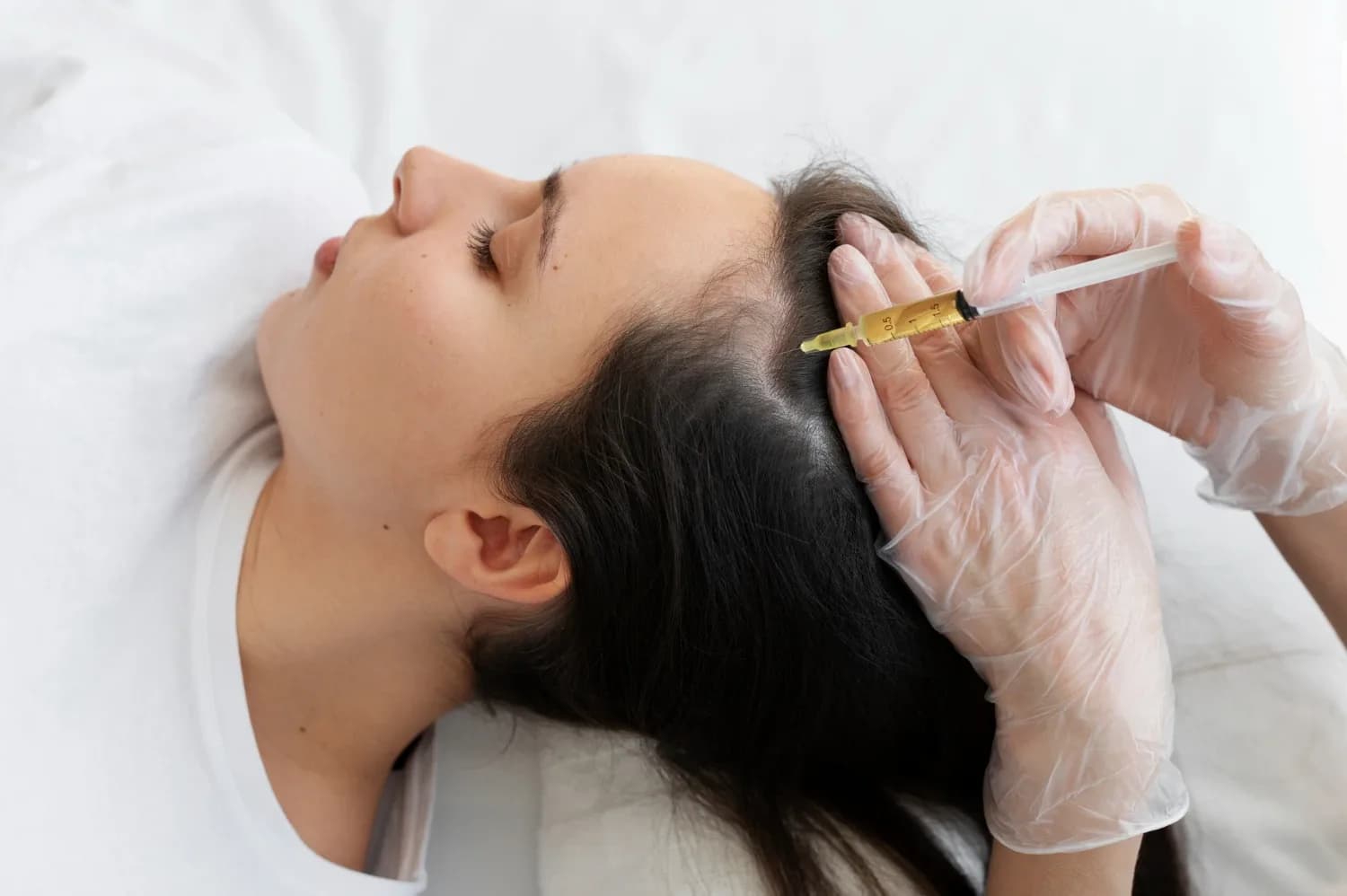
Hair Mesotherapy Benefits
Hair mesotherapy has emerged as one of the most promising minimally invasive treatments for people struggling with hair loss.
Hair mesotherapy has emerged as one of the most promising minimally invasive treatments for people struggling with hair loss. This technique delivers active compounds directly into the scalp through tiny injections. Doctors have increasingly adopted this method because it targets hair follicles locally while avoiding widespread systemic side effects. Research continues to evolve, and outcomes depend heavily on patient selection, the specific compounds injected, and the treatment protocol used. This article explores the full scope of hair mesotherapy benefits, the science behind the technique, and what patients can realistically expect.
What Is Hair Mesotherapy?
Hair mesotherapy refers to a medical technique where doctors inject small amounts of therapeutic substances into the middle layer of the scalp skin. This method delivers drugs, vitamins, and bioactive compounds directly to hair follicles. Unlike topical solutions that sit on the scalp surface, mesotherapy bypasses the skin barrier and places active ingredients exactly where they matter most.
How Does the Medical Community Define Hair Mesotherapy?
Doctors define hair mesotherapy as an intradermal injection technique that delivers localized drug therapy into the scalp. This approach differs fundamentally from topical treatments. Topical minoxidil must penetrate the stratum corneum, and much of the product never reaches the follicle. Mesotherapy places medication at a depth of 2 to 4 millimeters, which allows for improved local bioavailability and reduced systemic exposure (Tang et al. 2024). Dermatologists use this technique to target hair follicles directly without flooding the entire body with medication.
Where Did Mesotherapy Originate?
A French physician named Michel Pistor developed mesotherapy in 1952. He originally designed the technique to treat pain and vascular conditions. Over the following decades, dermatologists expanded mesotherapy into aesthetic medicine and hair restoration. By the early 2000s, clinics across Europe and Asia had begun adapting mesotherapy specifically for androgenetic alopecia and other forms of hair loss. Today, hair mesotherapy stands as a recognized adjunctive treatment in dermatology practices worldwide.
How Does Hair Mesotherapy Work on the Scalp?
Mesotherapy works by delivering active compounds into the dermis where hair follicles reside. This direct delivery improves local bioavailability significantly. The injected substances remain concentrated around the follicle rather than dispersing through the bloodstream. Doctors typically use injection depths between 2 and 4 millimeters, which places medication precisely at the target site (Gupta et al. 2022). This targeting minimizes systemic exposure and reduces the risk of whole-body side effects commonly associated with oral medications.
What Are the Main Hair Mesotherapy Benefits?
Hair mesotherapy offers multiple advantages for patients experiencing various forms of hair loss. The treatment provides direct follicular nourishment, improves scalp circulation, and supports the hair growth cycle through multiple biological pathways.
Does Hair Mesotherapy Stimulate New Hair Growth?
Yes. Mesotherapy stimulates hair growth by delivering growth-promoting compounds directly to dormant or miniaturized follicles. Clinical studies show that patients receiving mesotherapy with dutasteride experienced increased hair density in 92.9% of cases, compared to only 7.1% in placebo groups (Sobhy et al. 2013). The injected ingredients activate dermal papilla cells and encourage follicles to re-enter the anagen growth phase.
Can Hair Mesotherapy Reduce Hair Shedding?
Yes. Mesotherapy helps reduce hair shedding by strengthening follicular anchorage and prolonging the anagen phase. Kapoor and Shome (2018) observed that 83% of patients in their clinical trial showed a significant decrease in hair fall after intradermal injections of biomimetic polypeptides. The treatment fortifies the hair bulb and reduces premature transition into the telogen shedding phase.
Does Hair Mesotherapy Improve Hair Density?
Yes. Multiple clinical trials confirm that mesotherapy improves hair density. Researchers documented statistically significant increases in terminal hair counts following mesotherapy sessions with multicomponent formulations (Gajjar et al. 2022). Patients typically notice more hairs per square centimeter within three to six months of starting treatment.
Can Hair Mesotherapy Increase Hair Thickness?
Yes. Mesotherapy may increase hair thickness by delivering amino acids and peptides that support keratin production. Uzel et al. (2019) found that intradermal minoxidil injections improved hair shaft diameter significantly compared to placebo in female pattern hair loss patients. Thicker hair shafts create the visual impression of fuller coverage.
Does Hair Mesotherapy Enhance Scalp Circulation?
Yes. The injection process itself enhances scalp circulation. Each micro-injection triggers a mild localized inflammatory response that increases blood flow to the area. Improved microcirculation delivers more oxygen and nutrients to follicles. This mechanical benefit complements the pharmacological effects of the injected compounds.
Does Hair Mesotherapy Deliver Active Ingredients Directly to Hair Follicles?
Yes. This represents one of the core hair mesotherapy benefits. The technique bypasses the stratum corneum barrier that blocks most topical products. Doctors place minoxidil, dutasteride, vitamins, and peptides directly at the follicular level. This direct delivery ensures that higher concentrations reach the target tissue.
Does Hair Mesotherapy Minimize Systemic Side Effects?
Yes. Mesotherapy minimizes systemic side effects compared with oral medications. When patients take oral finasteride, the drug circulates throughout the entire body. Mesotherapy with finasteride or dutasteride confines the medication to the scalp. Studies show that serum hormone levels remain stable after intradermal dutasteride injections, indicating minimal systemic absorption (Saceda-Corralo et al. 2020).
Can Hair Mesotherapy Complement Other Hair Loss Treatments?
Yes. Doctors frequently combine mesotherapy with PRP, low-level laser therapy, and topical minoxidil. Combination approaches often yield superior results. Zhou et al. (2020) reported that patients receiving botulinum toxin injections combined with oral finasteride achieved an 84.8% effective rate, compared to 73.3% with botulinum toxin alone. Mesotherapy fits naturally into multi-modal treatment plans.
Does Hair Mesotherapy Require Minimal Downtime?
Yes. Patients typically return to normal activities immediately after a session. Some redness or minor swelling may occur, but these effects resolve within hours. The minimally invasive nature of mesotherapy makes it attractive for busy professionals who cannot afford extended recovery periods.
Can Doctors Personalize Hair Mesotherapy Treatment Formulations?
Yes. Doctors can customize mesotherapy cocktails based on individual patient needs. One patient might benefit from dutasteride and biotin, while another needs a peptide-rich formula. This personalization allows practitioners to address specific underlying causes of hair loss rather than applying a one-size-fits-all approach.
Which Ingredients Do Doctors Use in Hair Mesotherapy?
Formulations vary considerably between clinics. No universally standardized cocktail exists. However, most solutions contain a combination of pharmaceutical agents, vitamins, amino acids, and bioactive compounds.
Ingredient | Primary Function | Common Concentration |
Minoxidil | Vasodilation and follicle stimulation | 0.5% to 5% |
Dutasteride | DHT reduction | 0.01% to 0.05% |
Finasteride | DHT reduction | 0.05% to 0.1% |
Biotin | Keratin support | 5 mg/mL |
Peptides | Growth factor signaling | Variable |
Hyaluronic Acid | Hydration and scalp health | Variable |
Amino Acids | Protein building blocks | Variable |
Growth Factors | Follicle activation | Variable |
Does Minoxidil Work in Mesotherapy?
Yes. Doctors use minoxidil in mesotherapy to stimulate follicular blood supply. Uzel et al. (2019) demonstrated that intradermal minoxidil outperformed placebo in treating female androgenetic alopecia. The injectable form avoids the scalp irritation and greasiness that bother many topical users.
Does Dutasteride Work in Mesotherapy?
Yes. Dutasteride mesotherapy effectively blocks both type 1 and type 2 5-alpha-reductase enzymes. Sobhy et al. (2013) reported that 0.05% dutasteride in a vitamin solution produced significant increases in anagen hair percentages. This ingredient proves particularly useful for patients with aggressive androgenetic alopecia.
Does Finasteride Work in Mesotherapy?
Yes. Finasteride mesotherapy delivers DHT-blocking effects locally. Some doctors prefer finasteride over dutasteride for patients who want a more conservative approach. The localized delivery reduces concerns about systemic sexual side effects that occasionally accompany oral finasteride use.
Do Vitamins Help in Hair Mesotherapy?
Yes. B-complex vitamins, particularly biotin and pyridoxine, support keratin synthesis and cellular metabolism. These vitamins act as metabolic cofactors that strengthen the hair shaft and improve follicle function. Most multicomponent mesotherapy solutions include a vitamin base.
Do Amino Acids Help in Hair Mesotherapy?
Yes. Amino acids serve as the building blocks for keratin, the primary protein in hair. Cysteine, methionine, and taurine commonly appear in mesotherapy formulations. These compounds provide the raw materials follicles need to produce strong, healthy hair.
Do Peptides Help in Hair Mesotherapy?
Yes. Biomimetic peptides mimic natural growth factors and signal dermal papilla cells to proliferate. Kapoor and Shome (2018) showed that peptide-based mesotherapy reduced hair fall in 83% of patients and increased terminal hair counts. Peptides represent one of the most advanced ingredients in modern mesotherapy.
Do Growth Factors Help in Hair Mesotherapy?
Yes. Growth factors such as VEGF, KGF, and follistatin promote angiogenesis and follicular regeneration. Zimber (2011) found that a growth factor complex increased terminal hair density by 20.6% and hair shaft thickness by 6.3% at 12 weeks. These proteins create a regenerative microenvironment around follicles.
Does Hyaluronic Acid Help in Hair Mesotherapy?
Yes. Hyaluronic acid improves scalp hydration and creates a favorable environment for follicle function. It also acts as a carrier molecule that helps other ingredients penetrate and remain active at the injection site. Some newer formulations pair hyaluronic acid with stem cell extracts.
Do Multinutrient Cocktails Work in Hair Mesotherapy?
Yes. Multinutrient cocktails combine vitamins, minerals, amino acids, and coenzymes into a single solution. Gajjar et al. (2022) tested a 56-component mesohair solution against topical minoxidil. Both groups showed improvements, though no statistically significant difference emerged between them. These cocktails offer broad-spectrum nutritional support.
Are Stem Cell-Derived Products Emerging in Hair Mesotherapy?
Yes. Researchers are currently exploring stem cell-derived exosomes and conditioned media for mesotherapy applications. Early data suggests these products may enhance follicle signaling and regeneration. However, large-scale randomized trials remain limited, and regulatory frameworks continue to evolve.
Who Qualifies as a Good Candidate for Hair Mesotherapy?
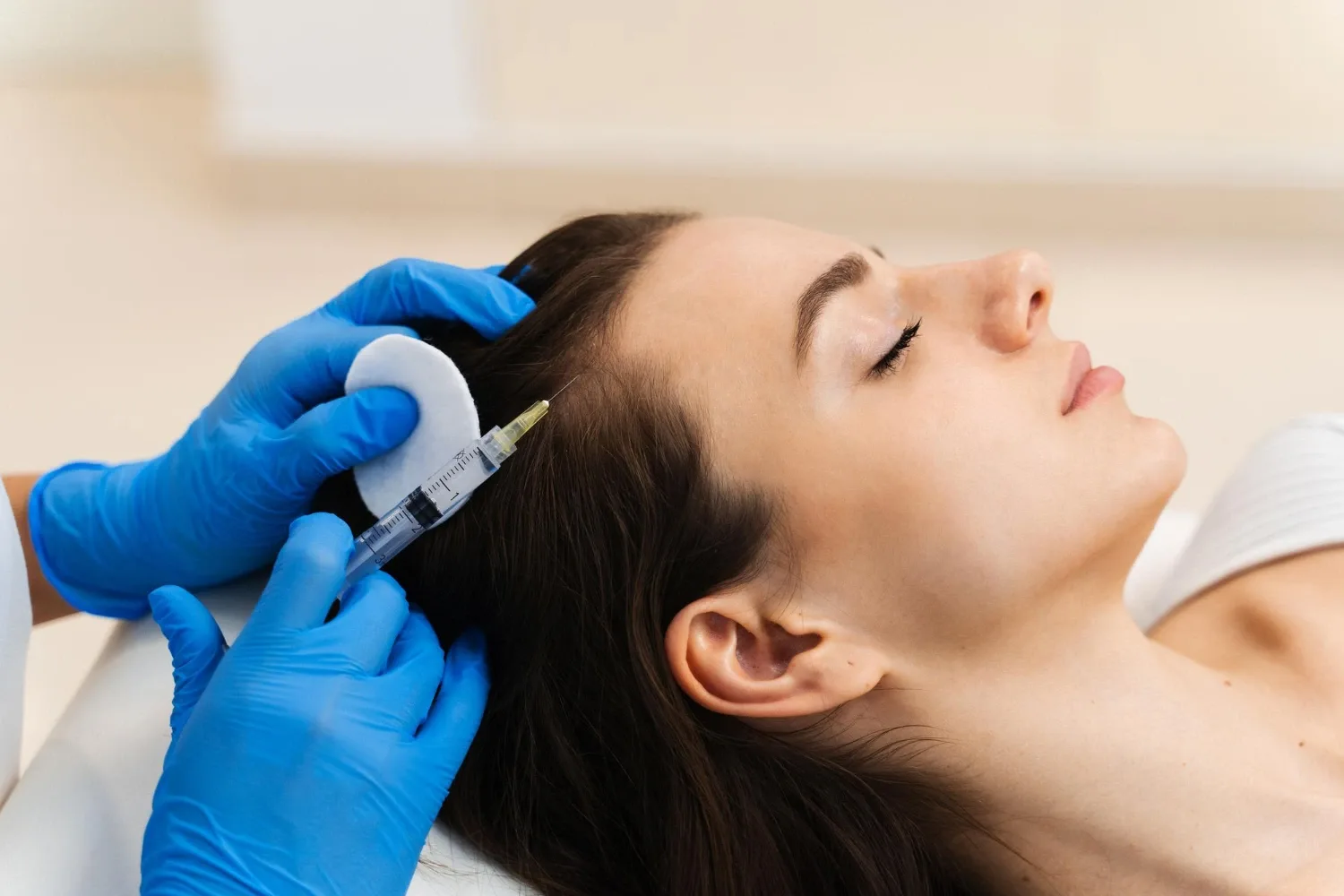
Not every person with hair loss qualifies for mesotherapy. Doctors evaluate multiple factors before recommending this treatment.
Can Men with Pattern Hair Loss Use Mesotherapy?
Yes. Men with androgenetic alopecia represent the most common candidates. Mesotherapy addresses the DHT-driven miniaturization process that characterizes male pattern baldness. Early-stage candidates respond better than those with advanced baldness.
Can Women with Pattern Hair Loss Use Mesotherapy?
Yes. Women with female pattern hair loss benefit from mesotherapy, particularly when hormonal factors contribute to thinning. Sobhy et al. (2013) documented improvements in 62.8% of women receiving dutasteride mesotherapy, compared to 17.5% in the control group.
Does Early Hair Thinning Respond Well to Mesotherapy?
Yes. Early hair thinning responds best to mesotherapy. When follicles remain miniaturized but not completely dead, injected compounds can reactivate growth. Doctors emphasize that mesotherapy works as a preservation and restoration tool, not a resurrection treatment for fully bald areas.
Can Mesotherapy Treat Diffuse Hair Loss?
Yes. Patients with diffuse hair loss from telogen effluvium or nutritional deficiencies often see improvement. The multivitamin and amino acid components address systemic deficiencies that manifest as widespread shedding.
Can Stress-Related Hair Loss Improve with Mesotherapy?
Yes. Stress pushes large numbers of follicles into the telogen phase. Mesotherapy with growth factors and vitamins can help shift these follicles back into anagen faster. However, doctors should also address the underlying stress trigger for lasting results.
Do Patients Seeking Non-Surgical Options Choose Mesotherapy?
Yes. Many patients specifically seek non-surgical hair restoration. Mesotherapy offers a needle-based but non-surgical alternative to hair transplants. It appeals to patients who want intervention without incisions, stitches, or significant recovery time.
Can Patients Combine Mesotherapy with Other Treatments?
Yes. Ideal candidates often plan to use mesotherapy alongside PRP, laser therapy, or topical solutions. Combination therapy addresses hair loss through multiple mechanisms simultaneously. Doctors design these integrated protocols based on individual patient profiles.
Which Conditions Benefit from Hair Mesotherapy?
Mesotherapy treats several distinct types of hair loss. The underlying diagnosis determines the formulation and protocol.
Can Mesotherapy Treat Androgenetic Alopecia?
Yes. Androgenetic alopecia remains the primary indication for hair mesotherapy. The condition involves DHT-mediated follicular miniaturization. Mesotherapy with dutasteride or finasteride directly counteracts this process at the scalp level (Tang et al. 2024).
Can Mesotherapy Treat Telogen Effluvium?
Yes. Telogen effluvium causes diffuse shedding after illness, stress, or hormonal shifts. Mesotherapy with vitamins and minerals replenishes follicular nutrients and shortens the telogen phase. Most patients see shedding reduction within eight to twelve weeks.
Can Mesotherapy Address Early Hair Miniaturization?
Yes. Early miniaturization represents the ideal window for mesotherapy intervention. Dermoscopic evaluation reveals thin, wispy hairs alongside normal terminal hairs. Mesotherapy can reverse miniaturization before follicles permanently lose their regenerative capacity.
Can Mesotherapy Help Hair Weakness from Nutritional Deficiencies?
Yes. Iron, zinc, and vitamin D deficiencies commonly cause hair weakness. Mesotherapy delivers these nutrients directly to follicles while patients correct their dietary intake orally. This dual approach accelerates recovery.
Can Mesotherapy Support Recovery After Hair Transplant Surgery?
Yes. Many surgeons now recommend post-transplant mesotherapy to support graft survival and activate native follicles. Growth factor-based mesotherapy may improve the vascularization of transplanted grafts and enhance overall density.
What Happens During a Hair Mesotherapy Session?
Understanding the treatment process helps patients prepare appropriately.
What Does the Initial Consultation Involve?
The doctor reviews medical history, examines the scalp with dermoscopy, and identifies the type and stage of hair loss. Blood tests may rule out thyroid disorders, anemia, or hormonal imbalances. This evaluation ensures that mesotherapy addresses the correct diagnosis.
How Does the Doctor Assess the Scalp?
Doctors use dermoscopy to evaluate follicle density, hair shaft diameter, and scalp inflammation. This assessment establishes a baseline for measuring future improvement. Photographic documentation from multiple angles creates an objective record.
How Does the Doctor Prepare for the Session?
The medical team cleans the scalp with antiseptic solution. Some clinics apply topical numbing cream for 20 to 30 minutes before injections. The doctor then loads the selected formulation into a sterile syringe with a fine needle.
What Injection Technique Do Doctors Use?
Doctors typically use the nappage technique or point-by-point injections. They insert the needle at a 30 to 60-degree angle to a depth of 2 to 4 millimeters. Each injection delivers approximately 0.05 mL of solution at points spaced 1 centimeter apart (Gupta et al. 2022).
How Long Does a Session Take?
A typical mesotherapy session lasts 20 to 45 minutes. The exact duration depends on the size of the treatment area and the number of injection points. Most patients complete the procedure during a lunch break.
How Much Discomfort Should Patients Expect?
Patients feel mild pinching or stinging during injections. Numbing cream reduces this sensation significantly. Most people rate the discomfort as 2 to 3 out of 10. The scalp returns to normal comfort levels within hours.
What Aftercare Instructions Do Doctors Provide?
Doctors advise patients to avoid washing the hair for 24 hours. Patients should skip strenuous exercise, saunas, and swimming for 48 hours. Sun exposure to the scalp should remain minimal for the first day after treatment.
How Many Hair Mesotherapy Sessions Do Patients Need?
Treatment frequency varies based on individual factors. Doctors customize protocols according to response.
What Does the Initial Treatment Phase Look Like?
Most protocols involve weekly or biweekly sessions for the first 2 to 3 months. This intensive phase establishes therapeutic levels of active compounds in the scalp. Patients typically receive 8 to 12 sessions during this initial period.
How Often Do Patients Need Maintenance Sessions?
After the initial phase, patients transition to monthly or bimonthly maintenance sessions. These ongoing treatments preserve results and continue follicular support. Long-term maintenance proves essential because androgenetic alopecia remains a chronic condition.
Which Factors Affect Treatment Frequency?
Severity of hair loss, underlying diagnosis, age, treatment response, and injected formulation all affect session frequency. Younger patients with early thinning may need fewer sessions. Patients using dutasteride formulations might space treatments further apart than those using vitamin-only cocktails.
When Can Patients Expect Results from Hair Mesotherapy?
Realistic timelines help patients stay committed to the treatment plan.
What Early Improvements Can Patients Notice?
Patients often notice reduced scalp oiliness and less itching within the first month. Some individuals report decreased hair fall during brushing or showering by week four to six. These early signs indicate that follicles are responding.
When Does Hair Shedding Reduce?
Shedding reduction typically becomes noticeable after 6 to 8 weeks. The injected compounds strengthen the hair bulb and prolong anagen. Patients should understand that some initial shedding may occur as follicles transition into new growth cycles.
When Do Visible Hair Density Changes Appear?
Visible density improvements usually emerge after 3 to 4 months. New hairs must grow long enough to contribute to overall coverage. Photographic comparisons at 3-month intervals best capture these changes.
How Long Do Results Last with Maintenance?
Results last as long as patients continue maintenance sessions. Stopping treatment entirely allows the underlying hair loss process to resume. Most patients commit to monthly maintenance indefinitely for sustained benefits.
What Does Scientific Evidence Say About Hair Mesotherapy Benefits?
Research on mesotherapy continues to expand. Current evidence supports efficacy while acknowledging limitations.
What Do Recent Systematic Reviews Show?
Systematic reviews confirm that mesotherapy produces positive outcomes for pattern hair loss. Tang et al. (2024) concluded that mesotherapy shows positive results without significant side effects and recommended it as a List B procedure when standard treatments fail. However, reviewers consistently note the need for larger randomized controlled trials.
What Clinical Improvements Do Studies Report?
Clinical studies report increased hair density, reduced hair fall, improved dermoscopic parameters, and enhanced patient satisfaction. Kapoor and Shome (2020) found that QR678 mesotherapy produced better hair density and shaft diameter improvements than PRP alone. These findings support mesotherapy as a viable therapeutic option.
How Does Mesotherapy Compare with Standard Therapies?
Direct comparisons show mixed but generally favorable results. Gajjar et al. (2022) found no significant difference between multicomponent mesotherapy and topical minoxidil, suggesting equivalent efficacy. Uzel et al. (2019) showed that intradermal minoxidil surpassed placebo performance. Mesotherapy appears comparable to standard treatments with added convenience and reduced systemic exposure.
What Limitations Exist in Current Research?
Current research faces several limitations. Most studies use small sample sizes. Treatment protocols vary widely in terms of injected substances, injection depth, session frequency, and outcome measures. Follow-up periods rarely exceed 12 months. These gaps prevent definitive conclusions about long-term effectiveness and optimal protocols (Tang et al. 2024).
How Does Hair Mesotherapy Compare with Other Hair Loss Treatments?
Patients often wonder how mesotherapy stacks against alternatives. The following comparison table summarizes key differences.
Treatment | Invasiveness | Primary Mechanism | Downtime | Maintenance | Evidence Strength |
Hair Mesotherapy | Minimal | Direct drug delivery to follicles | None | Monthly | Moderate |
PRP | Minimal | Growth factors from own blood | None | Monthly to quarterly | Moderate |
Topical Minoxidil | Non-invasive | Vasodilation and follicle stimulation | None | Daily application | Strong |
Oral Finasteride | Non-invasive | Systemic DHT reduction | None | Daily pill | Strong |
Microneedling | Minimal | Wound healing and growth factor release | 24 to 48 hours | Monthly | Moderate |
Exosome Therapy | Minimal | Regenerative signaling | None | Variable | Emerging |
Hair Transplant | Surgical | Follicle relocation | 7 to 14 days | Permanent grafts | Strong |
How Does Mesotherapy Compare with PRP?
Both treatments use injections, but they differ in mechanism. PRP relies on growth factors from the patient's own blood. Mesotherapy uses synthetic or pharmaceutical compounds. Some studies suggest PRP and mesotherapy produce comparable results, while others favor combination approaches.
How Does Mesotherapy Compare with Minoxidil?
Topical minoxidil requires daily application and causes scalp irritation in some users. Mesotherapy delivers minoxidil directly, bypassing surface barriers. Both approaches stimulate follicles, but mesotherapy offers better compliance for patients who dislike daily topical routines.
How Does Mesotherapy Compare with Oral Finasteride?
Oral finasteride reduces DHT systemically. Mesotherapy with finasteride or dutasteride targets DHT locally. Patients concerned about sexual side effects often prefer mesotherapy because systemic absorption remains minimal.
How Does Mesotherapy Compare with Microneedling?
Microneedling creates controlled micro-injuries that trigger wound healing responses. Mesotherapy delivers active compounds through injections. Doctors often combine both techniques because microneedling creates channels that enhance mesotherapy absorption.
How Does Mesotherapy Compare with Exosome Therapy?
Exosome therapy represents a newer regenerative approach using cell-derived signaling vesicles. Mesotherapy uses established pharmaceutical and nutritional compounds. Exosome therapy shows promise but lacks the extensive clinical track record that mesotherapy has accumulated.
How Does Mesotherapy Compare with Hair Transplant?
Hair transplants relocate permanent follicles to bald areas. Mesotherapy preserves and strengthens existing follicles. These treatments serve different purposes. Transplants address bald patches, while mesotherapy treats thinning areas and prevents further loss.
Can Doctors Combine Hair Mesotherapy with Other Treatments?
Yes. Combination therapy often produces superior outcomes.
Can Doctors Combine Mesotherapy with PRP?
Yes. Doctors frequently alternate PRP and mesotherapy sessions. PRP provides autologous growth factors, while mesotherapy delivers pharmaceutical agents. This combination addresses hair loss through complementary biological pathways.
Can Doctors Combine Mesotherapy with Microneedling?
Yes. Microneedling before mesotherapy may enhance compound penetration. The microchannels created by needles allow mesotherapy solutions to reach deeper follicular structures. Studies show that combined approaches outperform single-modality treatments.
Can Doctors Combine Mesotherapy with Low-Level Laser Therapy?
Yes. LLLT improves cellular metabolism and blood flow. When combined with mesotherapy, laser therapy amplifies the circulatory benefits of injections. Esmat et al. (2022) found that combination therapy with LLLT and minoxidil produced superior results compared to minoxidil alone.
Can Patients Use Topical Minoxidil Alongside Mesotherapy?
Yes. Many doctors recommend continuing topical minoxidil between mesotherapy sessions. This maintains continuous follicular stimulation. Patients should space topical application and injections by at least 24 hours to avoid scalp irritation.
Can Patients Take Oral Medications Alongside Mesotherapy?
Yes. Some patients use oral finasteride or dutasteride in combination with mesotherapy. This dual-blockade approach maximizes DHT reduction. Doctors monitor patients closely to ensure safety.
Can Mesotherapy Support Hair Transplant Results?
Yes. Post-transplant mesotherapy nourishes both grafts and native follicles. Growth factor formulations may improve graft survival rates. Most surgeons wait 2 to 4 weeks after transplant before starting mesotherapy.
What Risks and Side Effects Can Hair Mesotherapy Cause?
Mesotherapy generally carries a favorable safety profile. However, patients should understand potential risks.
Does Mesotherapy Cause Pain?
Yes, patients feel mild pain during injections. The sensation resembles tiny pinpricks. Numbing cream reduces this discomfort significantly.
Does Mesotherapy Cause Redness?
Yes. Temporary redness around injection sites commonly occurs. This reaction typically fades within 2 to 4 hours.
Does Mesotherapy Cause Swelling?
Yes. Minor swelling may develop at injection points. This swelling usually resolves within 24 hours.
Does Mesotherapy Cause Bruising?
Yes. Occasionally, small bruises appear at needle entry sites. These marks heal within 3 to 5 days.
Does Mesotherapy Cause Itching?
Yes. Some patients experience mild itching for 24 to 48 hours after treatment. This sensation indicates the scalp's healing response.
Does Mesotherapy Cause Temporary Tenderness?
Yes. The scalp may feel tender when touched for 1 to 2 days. This tenderness resolves without intervention.
Can Mesotherapy Cause Infection?
Rarely. Infection occurs only when clinics fail to maintain sterile technique. Proper antiseptic preparation and single-use needles virtually eliminate this risk.
Can Mesotherapy Trigger Allergic Reactions?
Yes, though rarely. Patients may react to specific ingredients in the cocktail. Patch testing before full treatment helps identify potential allergies.
What Rare Complications Have Researchers Reported?
Researchers have documented isolated cases of subcutaneous necrosis, scalp abscesses, and frontal edema following mesotherapy (Melo et al. 2020). Magdaleno-Tapial et al. (2020) reported the first case of allergic contact dermatitis induced by dutasteride mesotherapy. Paradoxical hair loss has also occurred in rare instances. These complications remain uncommon but underscore the importance of practitioner expertise.
Who Should Avoid Hair Mesotherapy?
Certain conditions contraindicate mesotherapy.
Does Active Scalp Infection Rule Out Mesotherapy?
Yes. Doctors postpone treatment until infections such as folliculitis, tinea capitis, or bacterial infections fully resolve. Injecting through infected skin risks spreading the infection.
Should Pregnant or Breastfeeding Women Avoid Mesotherapy?
Yes. Safety data for mesotherapy during pregnancy and breastfeeding remains insufficient. Doctors recommend waiting until after breastfeeding concludes.
Do Ingredient Allergies Prevent Mesotherapy?
Yes. Patients with known allergies to minoxidil, dutasteride, or other cocktail components should avoid mesotherapy or request alternative formulations.
Do Bleeding Disorders Contraindicate Mesotherapy?
Yes. Patients with hemophilia or those taking anticoagulants face increased bruising risk. Doctors evaluate bleeding risk on a case-by-case basis.
Does Poorly Controlled Systemic Disease Affect Candidacy?
Yes. Uncontrolled diabetes, autoimmune disease, or severe hypertension may compromise healing. Doctors typically stabilize these conditions before starting cosmetic treatments.
Do Unrealistic Expectations Disqualify Patients?
Yes. Patients expecting full restoration of bald areas from mesotherapy alone need education. Mesotherapy preserves and strengthens existing hair. It cannot recreate follicles in completely bald skin.
What Do Patients Frequently Ask About Hair Mesotherapy?
Is Hair Mesotherapy Permanent?
No. Hair mesotherapy requires ongoing maintenance. The underlying causes of hair loss continue indefinitely. Stopping treatment allows hair loss to progress.
Does Hair Mesotherapy Really Work?
Yes. Clinical studies demonstrate measurable improvements in hair density, thickness, and shedding. Results vary by individual and depend on proper diagnosis and formulation selection.
Is Hair Mesotherapy Painful?
Patients feel mild discomfort. Most describe the sensation as manageable pinpricks. Numbing cream makes the procedure comfortable for most people.
How Long Does Each Treatment Take?
Each session lasts 20 to 45 minutes. Patients schedule appointments during lunch breaks or free morning slots.
How Many Sessions Will I Need?
Most patients start with 8 to 12 sessions over 2 to 3 months. Maintenance continues monthly or bimonthly.
Can Women Undergo Hair Mesotherapy?
Yes. Women with pattern hair loss, telogen effluvium, or postpartum shedding frequently use mesotherapy. Formulations adjust for female hormonal profiles.
Can Mesotherapy Regrow Completely Bald Areas?
No. Mesotherapy reactivates miniaturized follicles. It cannot create new follicles in areas where follicles have completely disappeared.
Can Mesotherapy Replace Minoxidil?
Sometimes. Some patients switch entirely to mesotherapy. Others combine both approaches. The choice depends on individual response and preference.
Can Mesotherapy Replace a Hair Transplant?
No. These treatments serve different purposes. Transplants address bald areas. Mesotherapy treats thinning areas and preserves existing hair.
Is There Any Downtime?
No significant downtime exists. Patients return to work immediately. Minor redness fades within hours.
What Is the Success Rate?
Studies report improvement rates between 60% and 90%, depending on the formulation and patient population. Early-stage patients achieve the highest success rates.
How Long Do Results Last?
Results last with consistent maintenance. Stopping treatment entirely reverses benefits within 3 to 6 months.
What Conclusions Can We Draw About Hair Mesotherapy Benefits?
Hair mesotherapy benefits include direct follicular drug delivery, reduced systemic side effects, improved hair density, and minimal downtime. The treatment serves as a useful adjunctive therapy for selected patients with androgenetic alopecia, telogen effluvium, and early hair miniaturization. Individualized treatment plans and accurate diagnosis remain essential for success. Current evidence supports mesotherapy as a promising modality, but larger standardized clinical trials still need to confirm optimal protocols and long-term effectiveness. Patients should consult qualified dermatologists to determine whether mesotherapy fits their specific hair restoration goals.
References
Cheng, Fei, et al. "Effects and Safety of Botulinum Toxin Injection in Treatment of Androgenetic Alopecia: A Meta-Analysis and Systematic Review." Dermatologic Surgery, vol. 51, 2025, pp. e5–e9.
Esmat, Samia, et al. "Low-Level Light Therapy-Minoxidil 5% in the Treatment of Female Pattern Hair Loss: A Randomized Controlled Trial." Journal of Cosmetic Dermatology, 2022.
Gajjar, Dolly, et al. "Mesotherapy as a Promising Alternative to Minoxidil for Androgenetic Alopecia." PMC, 2024, pmc.ncbi.nlm.nih.gov/articles/PMC11152360/.
Gupta, Nikhil, et al. "Clinical Evaluation of Intradermal Platelet-Rich Plasma Administration along with Oral Biotin Supplement for the Management of Androgenetic Alopecia in Adult Males: A Randomised Clinical Trial." Journal of Clinical and Diagnostic Research, vol. 16, 2022.
Kapoor, Debraj, and Shome Debraj. "A Study to Evaluate the Effectiveness and Safety of QR678 in the Treatment of Hair Loss." Journal of Cosmetic Dermatology, 2018.
Kapoor, Debraj, and Shome Debraj. "QR678 Hair Growth Factor Therapy in the Management of Androgenetic Alopecia: A Comparison with Platelet-Rich Plasma." Journal of Cosmetic Dermatology, 2020.
Magdaleno-Tapial, Jorge, et al. "Allergic Contact Dermatitis Induced by Dutasteride Mesotherapy." Actas Dermo-Sifiliográficas, 2020.
Melo, Daniel, et al. "Frontal Edema after Androgenetic Alopecia Mesotherapy: A Case Series." Journal of Cosmetic Dermatology, 2020.
Nestor, Mark, et al. "Treatment Options for Androgenetic Alopecia: Efficacy, Side Effects, Compliance, Financial Considerations, and Ethics." Journal of Cosmetic Dermatology, vol. 20, 2021, pp. 3759–3781.
Saceda-Corralo, Diego, et al. "Dutasteride Microinjections for Androgenetic Alopecia: A Simplified Regimen." Journal of Cosmetic Dermatology, 2020.
Shapiro, Jerry, et al. "Evaluation of Platelet-Rich Plasma as a Treatment for Androgenetic Alopecia: A Randomized Controlled Trial." Journal of the American Academy of Dermatology, vol. 83, 2020, pp. 1298–1303.
Sobhy, Nermeen, et al. "Mesotherapy with Dutasteride in the Treatment of Androgenetic Alopecia." Journal of Cosmetic Dermatology, 2013.
Tang, Sarah, et al. "Effectiveness of Minimally Invasive Injectable Modalities in the Management of Androgenetic Alopecia among Adults - A Systematic Review." Journal of Cosmetic Dermatology, 2024.
Uzel, Aydan, et al. "Efficacy of Intradermal Minoxidil in Female Androgenetic Alopecia: A Randomized Placebo-Controlled Trial." Journal of Cosmetic Dermatology, 2019.
Zhou, Cheng, et al. "Efficacy and Safety of Botulinum Toxin type A in Androgenetic Alopecia Patients." Journal of Cosmetic Dermatology, 2020.
Zimber, May, et al. "Hair Stimulating Complex: A Randomized, Double-Blind, Placebo-Controlled Trial." Journal of Cosmetic Dermatology, 2011.