
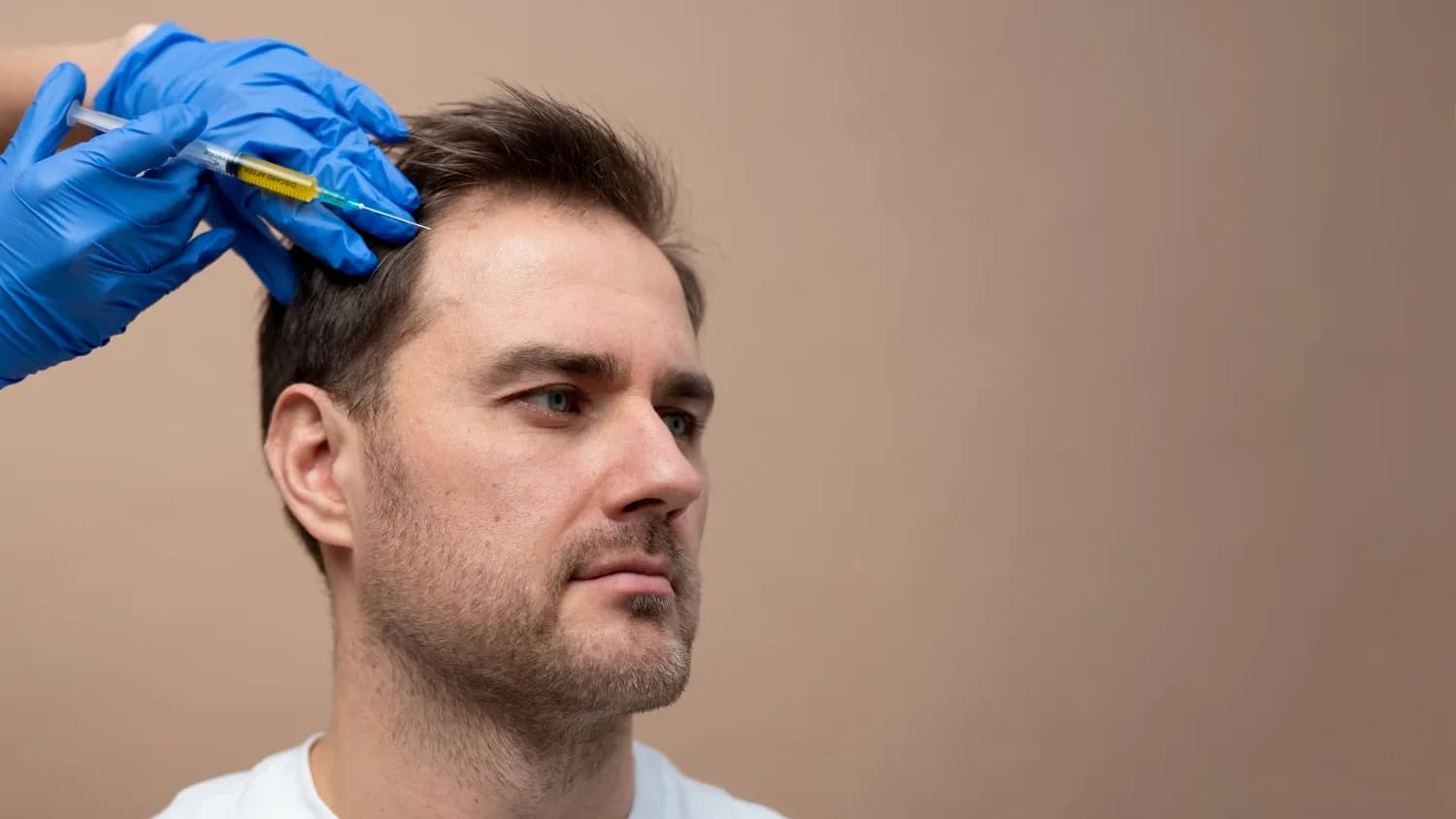
Exosome Hair Treatment Risks
Exosome hair treatment carries short-term injection-related effects, product-quality risks, unknown long-term risks, and regulatory concerns.
Exosome hair treatment carries short-term injection-related effects, product-quality risks, unknown long-term risks, and regulatory concerns. Clinical studies report mostly mild side effects, but long-term safety data remains limited.
Exosome hair treatment has gained attention as an emerging regenerative approach for hair loss. Researchers and clinicians have shown growing interest in these tiny extracellular vesicles because they may influence cell-to-cell communication within the scalp. However, patients deserve clear answers about safety before they consider this therapy. Are exosome hair treatments safe? What side effects have researchers actually reported? What risks remain uncertain? This article examines the known and potential risks of exosome therapy for hair loss without overstating either its safety or its dangers. Clinical evidence remains limited compared with established hair-loss treatments like minoxidil and finasteride. Patients should understand the distinction between known short-term side effects, potential complications, long-term unknowns, and risks related to product quality and regulation.
What Is Exosome Hair Treatment?
Exosome hair treatment uses small extracellular vesicles to potentially stimulate hair follicle activity through microinjections or microneedling.
This emerging therapy falls under regenerative medicine. Providers isolate exosomes from various biological sources and deliver them to the scalp. The goal is to influence hair follicle behavior and promote hair growth. Patients should understand what exosomes are, how clinicians use them, and why the source matters before evaluating risks.
What Are Exosomes?
Exosomes are small extracellular vesicles that carry proteins, lipids, and RNA between cells.
Exosomes are small extracellular vesicles involved in cell-to-cell communication. These nano-sized particles carry biological cargo, including proteins, lipids, and RNA. Exosomes do not simply function as growth factors. Their biological effects depend heavily on their source and contents. Different cell types produce exosomes with different molecular profiles. This means exosomes from adipose tissue differ from those derived from bone marrow or placental tissue. Researchers have identified exosomes as key mediators of intercellular signaling, but their exact mechanisms in hair regeneration remain under investigation.
How Are Exosomes Used for Hair Loss?
Clinicians administer exosome preparations to the scalp through microinjections or microneedling to potentially stimulate hair growth.
Clinicians may administer exosome preparations to the scalp through several delivery approaches. Microinjections place the product directly into the dermis. Microneedling creates tiny channels in the scalp and may enhance absorption. These methods target dermal papilla cells, hair follicle stem cells, and local blood vessel formation. Preclinical research suggests these mechanisms may promote hair growth by activating the Wnt signaling pathway and supporting angiogenesis. However, clinical evidence remains much smaller than the preclinical foundation. Al Ameer et al. (2025) reviewed clinical studies and found that MSC-derived exosomes from various sources demonstrated improvements in hair density and thickness, but the authors emphasized the need for larger trials (Al Ameer et al. 2025).
Why Does the Exosome Source Matter?
Different exosome sources produce different biological effects, and patients should not consider all products equivalent.
The source of exosomes matters significantly. Autologous products come from the patient's own cells. Donor-derived products come from another human source. Stem-cell-derived exosomes differ from other biological sources. Human-derived preparations differ from synthetic or plant-origin alternatives. Manufacturers isolate exosomes from adipose tissue, bone marrow, umbilical cord, placenta, foreskin, and hair follicles. Each source yields exosomes with distinct protein and RNA contents. This variability means safety data from one product cannot automatically apply to another. Patients should ask providers specifically about the exosome source before treatment.
What Are the Common Exosome Hair Treatment Side Effects?
Common side effects include scalp redness, tenderness, swelling, bruising, itching, and temporary hair shedding. These effects are usually mild and resolve quickly.
This section answers the primary user query early. Clinical studies have documented several common side effects. These effects are predominantly mild and transient.
What Causes Scalp Redness After Exosome Treatment?
Localized redness typically results from needle trauma or microneedling and usually resolves within hours to days.
Localized redness after injections or microneedling represents the most commonly reported reaction. This redness usually stems from the mechanical procedure itself rather than the exosome product. Blood vessels near the skin surface respond to needle insertion with temporary dilation. Most patients see redness fade within a few hours to two days.
Why Does Scalp Tenderness Occur?
Temporary discomfort at treatment sites results from needle trauma and localized inflammation.
Temporary discomfort at treatment sites occurs frequently. The relationship between needle trauma and localized inflammation explains this symptom. Small-gauge needles penetrate the dermis and trigger a mild inflammatory response. This response is part of the body's normal healing process. Patients typically report tenderness lasting 24 to 48 hours.
How Long Does Swelling Last?
Mild localized swelling usually resolves within two to five days.
Mild localized swelling represents another expected reaction. The expected duration ranges from one day to one week. Persistent swelling beyond this window becomes concerning. Patients should contact their provider if swelling increases rather than decreases after three days.
What About Bruising?
Bruising may follow scalp injections, especially in patients taking blood thinners.
Bruising may occur following scalp injections. Several factors increase bruising risk. These factors include blood-thinning medications, vitamin E supplements, and individual vascular fragility. Providers should review patient medications before treatment.
Can Exosome Treatment Cause Itching or Tightness?
Temporary itching or tightness may occur, but providers must distinguish mild irritation from allergic reactions.
Temporary itching or tightness may occur after treatment. Providers must distinguish mild irritation from an allergic or inflammatory reaction. Mild itching typically resolves without intervention. Persistent or worsening itching may signal a hypersensitivity response requiring medical evaluation.
Does Exosome Therapy Cause Temporary Hair Shedding?
Some patients report increased shedding, but evidence linking this specifically to exosome therapy remains limited.
Some clinical and commercial sources describe increased shedding after treatment. However, patients should not automatically interpret shedding as evidence that treatment is working. Evidence for this phenomenon specifically after exosome therapy remains limited. Shedding may reflect the natural hair cycle or procedural trauma rather than therapeutic effect.
Clinical studies have documented these mild adverse events consistently. Park et al. (2022) reported no serious adverse events in 39 patients receiving adipose-derived exosome therapy through microneedling (Park et al. 2022). Nadeem et al. (2024) conducted a randomized controlled trial with 85 patients and reported only transient side effects (Nadeem et al. 2024). However, the available clinical literature remains too limited to establish reliable incidence rates for every reported side effect.
What Are the Serious Risks of Exosome Hair Treatment?
Serious risks include infection, allergic reactions, granuloma formation, severe inflammation, vascular complications, and transmission of contaminants. These events are rare but documented.
Can Exosome Injections Cause Infection?
Yes. Injections and microneedling can introduce microorganisms through breaks in the skin.
Infections represent a documented risk. Injections and microneedling create breaks in the skin barrier. Microorganisms may enter through these openings. Risk factors include non-sterile equipment, poor skin preparation, contaminated products, and inadequate storage or handling. The FDA has received reports of infections from unapproved biological products, including exosome preparations (FDA 2020). Patients should verify that providers use sterile techniques and properly stored products.
Can Exosome Therapy Trigger Allergic or Immune Reactions?
Yes. Patients may react to biological material or other components in the preparation.
Allergic or immune reactions remain possible. Patients may react to the biological material itself or to other components in the preparation. These reactions range from mild localized inflammation to hypersensitivity and more serious systemic responses. The MDPI review of exosome therapies for alopecia areata noted that while no serious systemic reactions occurred in clinical studies, the small sample sizes limit detection of rare immune events (MDPI 2025). Providers should screen patients for known allergies before treatment.
What Is Granuloma Formation?
Granulomas are organized immune responses to foreign material. Researchers have documented them after cosmetic injections of exosome-containing formulations.
Granuloma formation represents a particularly concerning adverse effect. A granuloma is an organized collection of immune cells that forms when the body attempts to wall off foreign material. Researchers have reported granulomatous inflammation following intradermal injection of exosome-containing cosmetic formulations. One case series documented delayed-type hypersensitivity reactions, granulomatous inflammation, and persistent nodular lesions after such injections (PMC 2025). These reactions may arise from immune responses to exogenous proteins, plant-derived extracts, or stabilizers in cosmetic formulations. Patients should understand that granulomas are not a common complication, but they do occur.
Can Exosome Treatment Cause Severe Inflammation or Tissue Damage?
Excessive inflammatory reactions are theoretically possible and depend on product composition and injection technique.
Severe inflammation and tissue damage remain theoretical but valid concerns. Product composition and injection technique heavily influence this risk. Poorly characterized exosome preparations may contain residual cellular debris or undefined stabilizers. These contaminants may trigger excessive inflammatory reactions in the dermis. One published case described skin necrosis following intradermal injection of a lyophilized exosome formulation, with histopathological evidence of granulomatous inflammation and necrotic vascular changes (PMC 2025).
What Are Vascular Complications?
Inappropriate injection technique could potentially damage tissue or compromise blood supply, though this remains rare.
Vascular complications represent a rare but potentially serious procedural risk. Inappropriate injection technique could damage tissue or compromise blood supply. This risk is not unique to exosomes. Any intradermal or subcutaneous injection carries vascular risk if the provider injects too deeply or into a vessel. Qualified medical providers should understand scalp anatomy to minimize this risk.
Can Contaminated Exosome Products Transmit Disease?
Yes. Donor-derived biological products require rigorous screening and manufacturing controls to prevent contamination.
Transmission of contaminants or biological agents remains a significant concern. Donor-derived biological products require rigorous screening and manufacturing controls. Poorly manufactured or improperly stored products may harbor bacterial contamination, endotoxins, or other biological contaminants. The FDA has warned that unapproved products from human cells or tissues may carry infection risks (FDA 2020). Patients should ask providers about donor screening, sterility testing, and manufacturing standards.
What Are the Long-Term Risks of Exosome Hair Treatment?

Long-term risks remain largely unknown due to limited follow-up data and small study sizes.
Why Is Long-Term Safety Data Limited?
Researchers have not conducted large, long-duration randomized controlled trials for exosome hair therapy.
The major evidence gap concerns long-term safety. Researchers have not conducted large, long-duration randomized controlled trials for exosome hair therapy. Short follow-up periods cannot establish long-term safety. The 2025 systematic review by Al Ameer et al. specifically concluded that larger clinical trials with longer follow-up are needed to establish both efficacy and safety (Al Ameer et al. 2025). Most published studies follow patients for 12 weeks to 12 months. This duration is insufficient to detect delayed adverse events or cumulative effects.
What Are the Risks of Repeated Treatments?
Researchers do not know whether repeated or maintenance treatments carry cumulative risks.
Uncertainty surrounds repeated or maintenance treatments. Cumulative exposure remains an unanswered research question. Patients considering multiple sessions should understand that no study has systematically evaluated the safety of repeated exosome administration over several years.
Do Different Exosome Preparations Carry Different Long-Term Risks?
Yes. Different cell sources and manufacturing processes may produce different safety profiles.
Different exosome preparations may carry different long-term risks. Different cell sources produce different exosomal contents. Manufacturing processes can alter product characteristics. Safety data from one product cannot necessarily generalize to another. This heterogeneity complicates risk assessment across the entire category of exosome therapies.
What Are Theoretical Concerns About Cellular Signaling?
Exosomes can influence recipient-cell behavior, but researchers have not proven that this causes clinical complications.
Theoretical concerns about aberrant cellular signaling exist. Exosomes can influence recipient-cell behavior. Researchers continue to investigate their effects on cell proliferation, inflammation, and tissue signaling. These theoretical biological concerns differ from proven clinical complications. No published study has demonstrated that exosome hair therapy causes cancer or other serious systemic disease. However, the absence of evidence does not equal evidence of absence.
Are Exosome Hair Treatments FDA Approved?
No. No exosome product has received FDA approval for hair loss or any therapeutic use.
What Is the Regulatory Status of Exosome Products?
The FDA regulates exosome products as unapproved drugs and unlicensed biological products.
Regulatory status matters when evaluating treatment safety. The FDA clearly states that there are currently no FDA-approved exosome products for any therapeutic use (FDA 2020). The agency regulates exosome products intended for human use as drugs under the Federal Food, Drug, and Cosmetic Act and as biological products under the Public Health Service Act. This means manufacturers must obtain FDA approval through a Biologics License Application or conduct research under an Investigational New Drug application. Most commercial exosome products lack this authorization.
What Is the Difference Between FDA Registration and FDA Approval?
Facility registration is an administrative filing. It does not constitute FDA review or product approval.
Patients should understand the distinction between facility registration and product approval. FDA facility registration under 21 C.F.R. Part 1271 is an administrative filing. It does not constitute FDA review, evaluation, clearance, or approval of any product. FDA product approval requires submission and approval of a Biologics License Application, which involves clinical trial data demonstrating safety, purity, and potency. The FDA has cited the conflation of registration with approval as a misleading practice in multiple warning letters to exosome companies (FDA 2023; FDA 2025).
Why Does Regulation Matter for Patient Safety?
FDA oversight ensures manufacturing standards, sterility testing, donor screening, and product consistency.
Regulation directly impacts patient safety. FDA oversight ensures manufacturing standards, sterility testing, donor screening, product characterization, proper storage and transport, and batch-to-batch consistency. The clinical review by Al Ameer et al. (2025) identified consistent manufacturing standards and regulatory oversight as important unresolved requirements for safe clinical implementation (Al Ameer et al. 2025). Without regulatory oversight, patients have no guarantee of product purity or potency.
Why Do Unregulated Exosome Products Increase Treatment Risks?
Unregulated products may contain unknown ingredients, contaminants, or improper concentrations.
What Is Unknown Product Composition?
Unregulated products lack standardized exosome concentration and may contain variable biological contents.
Unregulated products pose specific dangers. These products lack standardized exosome concentration. They may contain variable biological contents. The source materials may be unclear. Patients have no way to verify what they are receiving.
What Contamination Risks Exist?
Bacterial contamination, endotoxins, and other biological contaminants may enter poorly manufactured products.
Contamination risks include bacterial contamination, other biological contaminants, and poor laboratory handling. The FDA has documented serious adverse events from unapproved biological products, including infections and inflammatory reactions (FDA 2020).
Why Does Donor Screening Matter?
Human tissue-derived products require rigorous donor screening to prevent disease transmission.
Donor screening matters enormously for products originating from human tissue. Without adequate screening, patients may receive biological material from donors with infectious diseases or other health conditions.
How Does Poor Storage Affect Safety?
Improper temperature control, shelf life violations, and handling errors can degrade product safety.
Poor storage and transportation compromise product integrity. Temperature control, shelf life, product stability, and handling before administration all affect safety. The FDA warned Chara Biologics in 2025 for extending manufacturer expiration dates without supporting data, a misbranding violation that could compromise patient safety (FDA 2025).
Why Are "100% Safe" Claims Misleading?
Absolute safety claims are scientifically inappropriate because every medical procedure carries some risk.
Clinics and manufacturers sometimes claim that exosomes are "100% safe." These claims are scientifically inappropriate. Every medical intervention carries some risk. Evidence-based patient counseling requires honest discussion of known and unknown risks.
Who Should Avoid or Delay Exosome Hair Treatment?
Patients with active scalp infection, pregnancy, active cancer, immune disorders, known allergies, or unclear hair loss causes should avoid or delay treatment.
Should Patients With Active Scalp Infection Wait?
Yes. Patients should generally postpone treatment until the infection resolves.
Patients with active scalp infection should postpone treatment. Injecting through infected skin can spread infection and worsen the condition.
Is Exosome Treatment Safe During Pregnancy or Breastfeeding?
Safety evidence is limited, so clinicians typically recommend postponement.
Pregnant and breastfeeding women should exercise caution. Limited safety evidence exists for this population. Most clinicians recommend postponing elective cosmetic procedures during pregnancy and breastfeeding.
What About Patients With Active Cancer?
Regenerative therapies require careful medical assessment in patients with active cancer or undergoing cancer treatment.
Patients with active cancer or undergoing cancer treatment need careful medical assessment. Regenerative therapies may influence cell signaling pathways. Oncologists should evaluate whether exosome therapy is appropriate for these patients.
Should Patients With Immune Disorders Avoid Exosomes?
Patients with immune-system disorders need individual medical evaluation before treatment.
Patients with immune-system disorders require individual medical evaluation. Their immune systems may react unpredictably to biological products.
What About Known Allergies?
Patients should review product ingredients and source materials before treatment.
Patients with known allergies or sensitivities should review product ingredients and source materials thoroughly. This review should happen before any treatment session.
Why Does Hair Loss Diagnosis Matter?
Patients need a clear diagnosis before selecting treatment because different hair loss types require different approaches.
Patients with unclear causes of hair loss should not rush into exosome therapy. A specialist assessment can distinguish between androgenetic alopecia, telogen effluvium, alopecia areata, nutritional deficiencies, hormonal disorders, and thyroid disorders. Treatment should target the underlying cause. Northwestern Medicine emphasizes evaluation of the underlying hair-loss picture before incorporating exosome therapy into a treatment plan.
How Can Patients Reduce the Risks of Exosome Hair Treatment?
Patients should choose qualified providers, ask about product sources and manufacturing, confirm treatment methods, obtain a proper diagnosis, and avoid clinics making guaranteed claims.
How Do You Choose a Qualified Provider?
Select a dermatologist or appropriately trained physician with experience in scalp injections and hair disorders.
Patients should choose a qualified medical provider. A dermatologist or appropriately trained physician offers the best option. The provider should have experience with scalp injections and hair disorders. The provider should also demonstrate the ability to manage complications if they arise.
What Questions Should You Ask About Exosome Sources?
Ask about the source tissue, donor screening, manufacturing laboratory, and product identification.
Patients should ask providers where the exosomes come from. Key questions include: What is the source tissue? What donor screening occurred? Which laboratory manufactured the product? What is the product identification or lot number?
What Manufacturing Questions Matter?
Ask about GMP manufacturing, sterility testing, quality-control procedures, and storage conditions.
Patients should ask about manufacturing and sterility. Good Manufacturing Practice standards, sterility testing, quality-control procedures, and storage conditions all affect product safety.
Why Should You Confirm the Treatment Method?
Different delivery methods carry different risk profiles.
Patients should confirm the treatment method. Microinjection versus microneedling, injection depth and technique, and number of treatment sites all influence safety and outcomes.
Why Do You Need an Individual Diagnosis?
Exosomes may not address all types of hair loss.
Patients should request an individual hair-loss diagnosis. Avoid treating hair loss as a single condition. A proper assessment determines whether exosomes address the underlying cause.
Why Should You Avoid Guaranteed Outcome Claims?
No treatment can guarantee specific hair density or outcomes.
Patients should avoid clinics making guaranteed hair-growth claims. No treatment should promise specific density or outcome. Realistic expectations protect patients from disappointment and financial loss.
How Do Exosome Hair Treatment Risks Compare to PRP Risks?
PRP uses the patient's own blood and has more established safety data. Exosome products vary more in source and manufacturing quality.
The following table compares key factors:
Factor | Exosome Treatment | PRP |
Biological source | Depends on product | Patient's own blood |
Blood draw required | Usually no | Yes |
Injection-related risks | Yes | Yes |
Product variability | Potentially significant | Patient-derived |
Manufacturing concerns | Important | Less relevant |
Long-term evidence | Limited | More established |
Standardization | Still evolving | More established |
Regulatory considerations | Important | Different framework |
Clinical evidence for hair loss | Emerging | Larger evidence base |
Northwestern Medicine describes exosome therapy as conceptually similar to PRP but notes important differences in how the biological material is prepared and administered. PRP derives from the patient's own blood, eliminating donor-related contamination risks. Exosome products come from external sources, making manufacturing quality and donor screening critical.
What Does the Research Actually Show About Exosome Safety?
Clinical studies report few adverse events, but small sample sizes and short follow-up periods limit confidence in long-term safety.
What Have Human Clinical Studies Found?
Eleven clinical studies involving approximately 125 to 323 patients report mostly mild, transient side effects.
The 2025 systematic review by Al Ameer et al. found 11 clinical studies relevant to alopecia, with 125 patients receiving exosome treatment across the analyzed cohorts. Reported side effects were rare in these hair-loss studies. The most common adverse events included mild scalp irritation, redness, swelling, itching, and occasional headaches. No serious systemic complications, allergic reactions, or long-term adverse effects were observed (Al Ameer et al. 2025). Another systematic review published in the International Society of Hair Restoration Surgery journal in 2026 included seven clinical studies with 323 participants and similarly found predominantly mild adverse events (ISHRS 2026).
Why Does "Few Reported Side Effects" Not Mean "Risk-Free"?
Small sample sizes, short follow-up, publication bias, and product heterogeneity limit safety conclusions.
Patients should not interpret few reported side effects as proof of safety. Small sample sizes limit detection of rare events. Short follow-up periods miss delayed complications. Publication bias may favor positive results. Product heterogeneity means one product's safety profile may not apply to another. Differences in administration methods further complicate comparisons.
What About Evidence From Other Dermatology Applications?
Adverse events in other dermatologic uses are relevant but not directly transferable to scalp treatment.
Adverse events reported in other dermatologic uses of exosomes are relevant to safety assessment. However, patients should not assume that every reported event will occur with scalp treatment. Different anatomical sites and delivery methods produce different risk profiles.
What Evidence Gaps Remain?
Researchers need larger randomized trials, standardized products, standardized dosing, long-term follow-up, and consistent adverse-event reporting.
Current evidence gaps include larger randomized trials, standardized products, standardized dosing, long-term follow-up, and consistent adverse-event reporting. The ISHRS systematic review concluded that well-designed, large-scale, randomized controlled trials using standardized exosome characterization and delivery protocols are required to confirm findings and support safe clinical translation (ISHRS 2026).
What Should You Ask Before Getting Exosome Hair Treatment?
Use a practical checklist covering product type, source, regulatory status, manufacturer, quality control, storage, provider qualifications, diagnosis, side effects, complications, evidence, treatment number, and long-term data.
Patients should ask these questions before treatment:
What type of exosome product will you use?
Where are the exosomes sourced from?
Is the product intended for human therapeutic use?
Who manufactured the product?
What quality-control testing has the laboratory performed?
How does the clinic store the product?
Who will perform the treatment?
What hair-loss diagnosis do I have?
What side effects should I expect?
What complications require urgent medical attention?
What evidence supports this specific product?
How many treatments will I need?
What long-term safety data are available?
When Should You Contact a Doctor After Exosome Treatment?
Contact a doctor if you experience increasing redness, persistent swelling, pus, severe pain, fever, extensive discoloration, worsening inflammation, or signs of allergic reaction.
What Reactions Are Normal?
Mild redness, mild tenderness, minor swelling, and temporary sensitivity are normal short-term reactions.
Normal short-term reactions include mild redness, mild tenderness, minor swelling, and temporary sensitivity. These effects typically resolve within a few days without intervention.
What Are Warning Signs?
Increasing redness, significant swelling, pus, severe pain, fever, extensive discoloration, worsening inflammation, or allergic reaction signs require urgent medical attention.
Warning signs include increasing rather than decreasing redness, significant or persistent swelling, pus or drainage, severe pain, fever or systemic symptoms, extensive skin discoloration, worsening inflammation, and signs of an allergic reaction. This distinction matters because localized irritation after scalp injections differs substantially from signs of infection or another complication.
Frequently Asked Questions About Exosome Hair Treatment Risks
Is Exosome Hair Treatment Safe?
Current short-term data suggest mostly mild side effects, but long-term safety remains unproven.
What Are the Most Common Exosome Hair Treatment Side Effects?
Scalp redness, tenderness, swelling, bruising, itching, and temporary shedding are the most common effects.
Can Exosome Hair Treatment Cause Hair Shedding?
Some patients report shedding, but evidence specifically linking shedding to exosome therapy remains limited.
Can Exosome Therapy Cause an Allergic Reaction?
Yes, though researchers have not reported serious allergic reactions in published clinical studies.
Can Exosome Hair Treatment Cause an Infection?
Yes, if providers use non-sterile technique or contaminated products.
Are There Long-Term Risks of Exosome Hair Treatment?
Long-term risks remain unknown due to insufficient long-duration studies.
Are Exosomes FDA Approved for Hair Loss?
No. No exosome product has FDA approval for any therapeutic use.
Are Exosome Treatments Regulated?
The FDA regulates them as unapproved drugs and biologics, but many commercial products lack proper authorization.
Who Should Not Receive Exosome Hair Treatment?
Patients with active scalp infection, pregnancy, active cancer, immune disorders, known allergies, or undiagnosed hair loss should avoid or delay treatment.
Are Exosomes Safer Than PRP?
PRP has more established safety data because it uses autologous blood. Exosome safety depends heavily on product source and manufacturing quality.
How Can You Choose a Safe Exosome Hair Treatment Clinic?
Choose board-certified dermatologists or physicians with specific training in hair disorders and scalp injections.
What Should You Do If You Develop Swelling or Redness After Treatment?
Mild symptoms should improve within days. Persistent or worsening symptoms require medical evaluation.
Conclusion: Are Exosome Hair Treatment Risks Worth Considering?
Patients should evaluate exosome therapy as an emerging treatment with limited long-term safety data, not as an established risk-free option.
Currently available hair-loss studies report relatively few adverse events. However, patients should not interpret limited clinical evidence as proof of long-term safety. Patients must consider product quality, manufacturing standards, sterility, regulatory oversight, correct patient selection, and qualified medical administration. The American Hair Loss Association does not endorse exosome-based treatments for hair loss outside of legitimate clinical trials or institutional research environments (American Hair Loss Association 2025). Patients should evaluate exosome therapy as an emerging treatment, rather than an established risk-free hair-loss therapy. Those considering this option should consult a qualified hair loss specialist, verify product legitimacy, and seek participation in FDA-approved clinical trials when possible.
References
Al Ameer, Mohammed A., et al. "Exosomes and Hair Regeneration: A Systematic Review of Clinical Evidence Across Alopecia Types and Exosome Sources." Clinical, Cosmetic and Investigational Dermatology, vol. 18, 2025, pp. 2215-2227. https://doi.org/10.2147/CCID.S543451.
American Hair Loss Association. "Stem Cells and Exosomes in Hair Loss Treatment: Hope or Hype?" American Hair Loss Association, 4 Apr. 2025, www.americanhairloss.org/stem-cells-and-exosomes-in-hair-loss-treatment-hope-or-hype/.
Dehghani, Leila, et al. "Placental Mesenchymal Stem Cell Derived Exosomes as a Novel Therapy for Androgenetic Alopecia." Journal of Cosmetic Dermatology, 2023.
Ersan, Serkan, et al. "Foreskin-Derived Mesenchymal Stromal Cell Exosomes for Androgenetic Alopecia." Journal of Cosmetic Dermatology, 2023.
FDA. "Public Safety Notification on Exosome Products." U.S. Food and Drug Administration, 2020, www.fda.gov/vaccines-blood-biologics/safety-availability-biologics/public-safety-notification-exosome-products.
FDA. "Warning Letter to Evolutionary Biologics." U.S. Food and Drug Administration, 26 Oct. 2023, www.fda.gov/inspections-compliance-enforcement-and-criminal-investigations/warning-letters/evolutionary-biologics-664360-10262023.
FDA. "Warning Letter to Chara Biologics." U.S. Food and Drug Administration, Jan. 2025.
Gentile, Pietro, et al. "Autologous Micrografts Containing Hair Follicle Mesenchymal Stem Cells and Exosomes for Hair Loss." Clinical, Cosmetic and Investigational Dermatology, 2025.
International Society of Hair Restoration Surgery. "Exosome-Based Therapies for Alopecia: A Systematic Review of Clinical Efficacy and Safety." Hair Transplant Forum International, vol. 36, no. 2, 2026, pp. 37.
Lueangarun, Suparuj, et al. "Umbilical Cord-Derived Mesenchymal Stem Cell Exosomes for Androgenetic Alopecia." Journal of Cosmetic Dermatology, 2024.
Nadeem, Muhammad, et al. "Adipose-Derived Mesenchymal Stem Cell Exosomes for Androgenetic Alopecia: A Randomized Controlled Trial." Journal of Cosmetic Dermatology, 2024.
Park, Kui Young, et al. "Adipose-Derived Stem Cell Exosomes for Androgenetic Alopecia: A Retrospective Study." Dermatologic Therapy, 2022.
Sasaki, Mark, et al. "Bone Marrow-Derived Mesenchymal Stem Cell Extracellular Vesicles for Pattern Hair Loss." Journal of Cosmetic Dermatology, 2023.
Tawanwongsri, Weeranut, et al. "Adverse Reactions Following Intradermal Injection of Exosome-Containing Formulations." PubMed Central, 2025, pmc.ncbi.nlm.nih.gov/articles/PMC12528963/.
"Exosome-Based Therapies for Alopecia Areata." International Journal of Molecular Sciences, vol. 27, no. 1, 2025, p. 21. MDPI, www.mdpi.com/1422-0067/27/1/21.