

Exosome Hair Treatment London
Exosome hair treatment in London offers a new non-surgical approach to hair loss. This therapy uses tiny cellular messengers to stimulate hair follicles and improve scalp health.
Exosome hair treatment in London offers a new non-surgical approach to hair loss. This therapy uses tiny cellular messengers to stimulate hair follicles and improve scalp health.
More people in London now seek science-backed solutions for hair loss. Regenerative medicine has opened new doors for patients who want fuller hair without surgery. Exosome hair treatment London clinics now offer this emerging therapy to men and women with thinning hair. This article explains the science behind exosome therapy. It covers how the treatment works, who benefits, and what patients should know before booking a consultation.
Researchers continue to study exosomes for hair restoration. The evidence looks promising but remains in early stages. Patients should understand both the potential and the limits of this therapy. Always choose a medically supervised clinic for any hair regeneration treatment.
What Is Exosome Hair Treatment?
Exosome hair treatment uses tiny vesicles from stem cells to trigger hair growth. These vesicles carry signals that tell dormant follicles to wake up and grow.
What Are Exosomes?
Exosomes are small extracellular vesicles that cells release to communicate. They carry proteins, growth factors, and genetic material.
Exosomes are tiny bubbles that cells release into their surroundings. Scientists call them extracellular vesicles. These vesicles act as biological messengers. They travel between cells and deliver important cargo. This cargo includes growth factors, cytokines, proteins, and RNA molecules.
Stem cells produce exosomes in large amounts. Mesenchymal stem cells from adipose tissue, bone marrow, placenta, and umbilical cord all release these vesicles. Each exosome carries a unique mix of signals based on its parent cell. Hair follicle stem cells also release exosomes. These follicle-derived vesicles may offer special benefits for scalp rejuvenation.
Exosomes differ from whole stem cells. They contain no nucleus and cannot divide. This makes them safer for clinical use. They simply carry instructions from one cell to another. This cell-to-cell signaling forms the basis of exosome therapy for hair loss.
How Do Exosomes Support Hair Growth?
Exosomes send growth signals to hair follicles. They reduce inflammation and build new blood vessels around thinning areas.
Exosomes support hair growth through several pathways. First, they improve cell-to-cell signaling in the scalp. They deliver active molecules directly to hair follicle cells. This triggers follicle regeneration in miniaturized hairs.
Second, exosomes reduce scalp inflammation. Chronic inflammation damages the hair follicle microenvironment. Exosomes release anti-inflammatory cytokines. These molecules calm irritated tissue and protect follicles from further harm.
Third, exosomes promote angiogenesis. They stimulate VEGF production. VEGF stands for vascular endothelial growth factor. This protein builds new blood vessels. Better blood flow brings more oxygen and nutrients to struggling follicles.
Fourth, exosomes extend the anagen phase. Anagen is the active growth phase of hair follicle cycling. Longer anagen phases mean thicker, stronger hair shafts. Studies show that adipose-derived mesenchymal stem cell exosomes activate the Wnt/β-catenin pathway. This pathway controls follicle development and growth (Cheng et al. 2024).
How Does Exosome Hair Treatment Work?
A doctor examines your scalp, prepares the area, and delivers exosomes through injections or microneedling. Most patients need multiple sessions.
Consultation and Hair Loss Assessment
A trichologist or dermatologist reviews your hair loss pattern and medical history. They check if exosomes suit your condition.
Every treatment starts with a proper diagnosis. A qualified practitioner examines the scalp with magnification tools. They look at hair density, hair shaft diameter, and signs of miniaturization. They also check for scalp infections or autoimmune conditions. Accurate diagnosis matters because exosomes work best for specific types of hair loss.
Scalp Preparation
The team cleans the scalp and may apply numbing cream. This keeps the patient comfortable during the procedure.
The clinic cleans the treatment area with antiseptic solution. Some practitioners apply topical anesthetic cream. This reduces any discomfort during the delivery phase. Good preparation also lowers infection risk.
Delivery Methods
Clinics use microneedling, mesotherapy injections, or topical application. Microneedling creates tiny channels that help exosomes penetrate deeper.
London clinics use several delivery methods for exosome hair restoration. Microneedling ranks among the most popular. A device with fine needles creates controlled micro-injuries in the scalp. These channels let exosomes reach the dermal papilla cells. Nadeem et al. (2024) found that microneedling plus exosome injections increased hair density by 35 hairs per square centimeter.
Mesotherapy uses fine needles to inject exosomes directly into the scalp. This method places the product exactly where follicles need it. Some clinics combine both approaches. They microneedle first, then apply exosomes topically.
Current UK practice requires careful attention to product sources. The Medicines and Healthcare products Regulatory Agency (MHRA) classifies human-derived exosome products as advanced therapy medicinal products. No human-derived exosome therapy has received full UK approval for cosmetic use yet. Clinics must follow strict guidelines about product sourcing and administration (PMC 2024).
Treatment Duration
Each session lasts 30 to 60 minutes. Most protocols include 3 to 4 sessions spaced 2 to 4 weeks apart.
A typical exosome scalp treatment session takes less than an hour. The exact time depends on the area size and delivery method. Most practitioners recommend an initial series of 3 to 4 treatments. They space these sessions 2 to 4 weeks apart. This schedule allows follicles to receive repeated signals.
Recovery Process
Most patients return to normal activities the same day. Mild redness may last 24 to 48 hours.
Recovery from exosome therapy is quick. Patients can usually resume work immediately. The scalp may look slightly pink for a day or two. Some patients feel mild tenderness. This resolves without medication.
Follow-Up Sessions
Maintenance sessions every 3 to 6 months help sustain results. Your doctor will adjust the schedule based on your progress.
Hair follicles need ongoing support. Most London clinics suggest maintenance treatments every 3 to 6 months. These sessions reinforce the growth signals. They also counteract the natural progression of androgenetic alopecia.
How Do Exosomes Stimulate Hair Follicles?
Exosomes activate dormant follicles, calm inflammation, improve blood flow, and thicken hair shafts through direct cellular signaling.
Activation of Dormant Follicles
Exosomes deliver molecules that switch follicles from resting phase back to growth phase.
Many hair follicles do not die. They simply enter a dormant state. Exosomes carry signals that reactivate these sleeping follicles. They trigger the Wnt/β-catenin signaling cascade. This cascade tells follicle stem cells to start dividing again. Research shows that adipose-derived stem cell exosomes upregulate genes linked to cell proliferation (Lee et al. 2024).
Reduction of Scalp Inflammation
Exosomes release anti-inflammatory factors. These factors protect follicles from damage caused by chronic irritation.
Inflammation plays a major role in hair miniaturization. Exosomes contain cytokines that suppress inflammatory pathways. They reduce oxidative stress around the follicle. This creates a healthier environment for hair growth.
Improved Blood Supply
Exosomes trigger angiogenesis. New blood vessels feed starving follicles and improve their function.
Poor blood supply weakens hair follicles over time. Exosomes stimulate endothelial cells to form new capillaries. They increase VEGF levels in scalp tissue. Better circulation means more nutrients reach each follicle. This improved vascular network supports thicker, stronger hair.
Extension of the Hair Growth (Anagen) Phase
Exosomes prolong the active growth period. Longer anagen phases produce longer, denser hair.
Hair follicle cycling includes growth (anagen), transition (catagen), and resting (telogen) phases. Androgenetic alopecia shortens the anagen phase. Exosomes help maintain anagen for longer periods. This leads to increased hair density over time.
Increased Hair Shaft Thickness
Exosomes improve the quality of existing hair. They make individual strands thicker and stronger.
Exosomes do more than increase hair count. They also improve hair shaft diameter. Nadeem et al. (2024) reported a 13.01 micrometer increase in hair thickness after exosome treatment. Thicker shafts create the appearance of fuller coverage.
Which Types of Hair Loss May Benefit from Exosome Therapy?
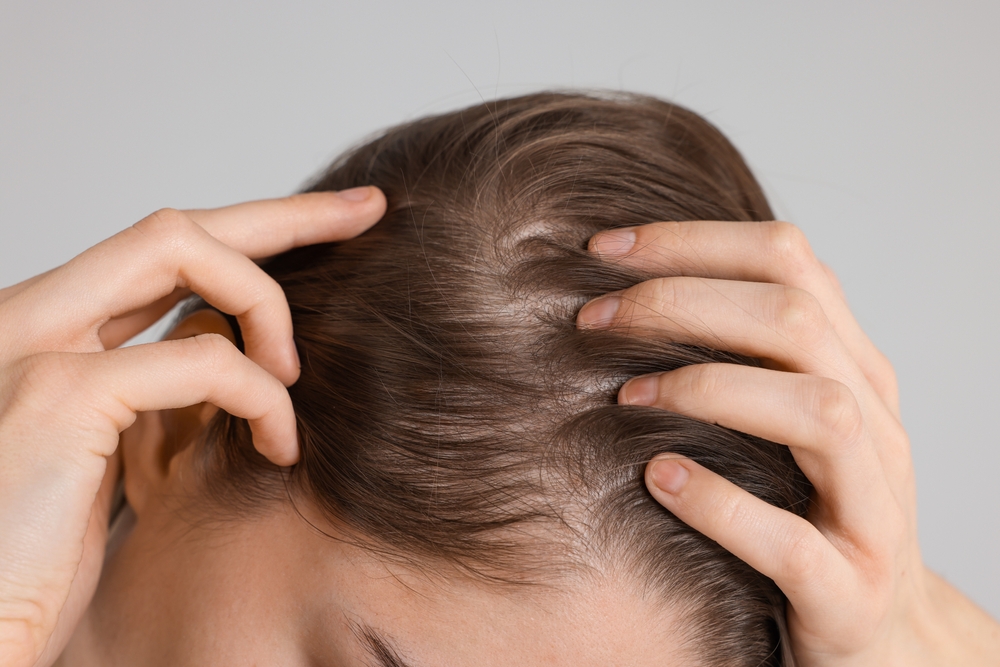
Exosomes help androgenetic alopecia, female pattern hair loss, diffuse thinning, and early miniaturization. They also support recovery after hair transplantation.
Androgenetic Alopecia
This common form of male pattern baldness responds well to exosome signals. Studies show increased density and thickness.
Androgenetic alopecia affects millions of men worldwide. Dihydrotestosterone shrinks hair follicles over time. Exosomes counteract this process through multiple pathways. Ersan et al. (2024) treated 30 men with foreskin-derived mesenchymal stromal cell exosomes. Hair density increased significantly at 12 weeks. Patient satisfaction scores also rose.
Female Pattern Hair Loss
Women with progressive thinning see improved density. Exosomes work without hormonal side effects.
Female pattern hair loss differs from male pattern baldness. Women experience diffuse thinning across the crown. Exosomes offer a non-hormonal option. Gentile et al. (2025) studied 60 patients with autologous hair follicle mesenchymal stem cell exosomes. Women in the study gained 28 hairs per square centimeter after 12 months.
Diffuse Hair Thinning
Exosomes address overall density loss. They improve the scalp environment across large areas.
Diffuse thinning spreads across the entire scalp. Patients notice reduced ponytail volume or wider part lines. Exosomes treat broad areas effectively. Mesotherapy and microneedling both cover large surface areas.
Telogen Effluvium
Stress-related shedding may improve with exosome therapy. The treatment shortens recovery time.
Telogen effluvium pushes large numbers of follicles into the resting phase. Stress, illness, or nutritional deficits trigger this condition. Exosomes help reset the follicle cycle. They encourage faster return to the growth phase.
Hair Loss After Stress
Exosomes support recovery from stress-induced shedding. They restore normal follicle function.
Physical or emotional stress disrupts hair follicle cycling. Exosomes deliver regenerative signals that help follicles recover. They improve the hair follicle microenvironment after stressful events.
Early Hair Miniaturization
Exosomes work best before follicles shrink too much. Early intervention preserves more native hair.
Miniaturization is the gradual shrinking of follicles. Exosomes can reverse early changes. They struggle to help completely bald areas where follicles have disappeared. Early treatment yields the best outcomes.
Hair Transplant Recovery Enhancement
Exosomes speed healing and improve graft survival. Many surgeons now use them after transplantation.
Hair transplantation moves follicles from donor areas to thinning zones. Exosomes improve graft survival rates. They reduce inflammation around new implants. They also stimulate native follicles in surrounding areas. This combination creates denser overall results.
Who Is an Ideal Candidate for Exosome Hair Treatment London?
Early hair loss patients, both men and women, make ideal candidates. Non-surgical candidates and those seeking combination therapies also benefit.
Men with Early Hair Loss
Men in the early stages of male pattern baldness see the best results. Exosomes preserve existing hair and thicken miniaturized follicles.
Men with Norwood-Hamilton stages II to IV respond well. Their follicles remain alive but weakened. Exosomes strengthen these follicles before they disappear completely.
Women with Progressive Thinning
Women with Ludwig stage I or II thinning benefit from exosome therapy. The treatment improves crown density without systemic hormones.
Women often seek alternatives to oral medications. Exosomes offer a local treatment with no systemic side effects. They improve hair density at the crown and part line.
Patients Seeking Non-Surgical Hair Restoration
Exosomes provide a needle-based option without surgery. Patients avoid scars, stitches, and long recovery times.
Not everyone wants hair transplantation. Exosomes offer genuine regenerative medicine for hair loss without invasive surgery. This appeals to younger patients and those with early thinning.
Patients Unsuitable for PRP
Some patients cannot undergo PRP due to blood disorders or needle phobia. Exosomes use ready-made products instead of blood draws.
PRP requires drawing the patient's own blood. Some patients have low platelet counts or blood clotting issues. Others simply dislike blood draws. Exosomes come from standardized preparations. These patients can still access regenerative therapy.
Individuals Wanting Combination Therapies
Exosomes pair well with microneedling, laser therapy, and medications. Combination approaches often outperform single treatments.
Many London clinics now offer multi-modal protocols. They combine exosomes with other evidence-based treatments. This approach addresses hair loss from multiple angles.
Who May Not Be Suitable?
Advanced baldness, active infections, autoimmune disorders, and pregnancy exclude some patients from exosome therapy.
Advanced Baldness
Exosomes cannot create new follicles. They only improve existing ones. Completely bald areas lack follicles to stimulate.
Patients with Norwood stage VI or VII have few remaining follicles. Exosomes cannot regrow hair where follicles no longer exist. These patients may need hair transplantation instead.
Active Scalp Infection
Infections must clear before treatment. Injecting through infected skin spreads bacteria and causes complications.
Conditions like folliculitis or tinea capitis require treatment first. A healthy scalp accepts exosomes safely. Infected tissue reacts poorly to any injectable therapy.
Autoimmune Hair Disorders
Alopecia areata and similar conditions need different management. Exosomes do not address the immune attack on follicles.
Autoimmune hair loss involves the immune system destroying follicles. Exosomes may help but do not stop the underlying immune response. These patients need dermatology evaluation first.
Uncontrolled Medical Conditions
Diabetes, bleeding disorders, and uncontrolled thyroid disease increase risks. Stabilize these conditions before proceeding.
Systemic health issues affect healing and safety. Clinicians must evaluate overall health before any scalp treatment. Controlled conditions pose minimal risk.
Pregnancy and Breastfeeding
Safety data for exosomes during pregnancy does not exist. Wait until after breastfeeding to pursue elective cosmetic treatments.
No studies test exosome safety in pregnant or nursing women. Ethical guidelines exclude these groups from elective procedures.
What Happens During an Exosome Hair Treatment Session?
The visit includes consultation, medical review, scalp evaluation, treatment application, and aftercare instructions.
Initial Consultation
The doctor discusses your goals and examines your hair loss pattern. They explain realistic outcomes.
The first meeting establishes expectations. The practitioner reviews the patient's concerns. They explain how exosome hair therapy works. They also discuss alternative options.
Medical History Review
The team checks medications, allergies, and past treatments. This ensures safe delivery.
A thorough history prevents complications. The clinic asks about blood thinners, allergies, and previous scalp procedures. They also review family history of hair loss.
Hair Density Evaluation
Digital imaging measures baseline density and thickness. These photos track progress objectively.
Clinicians use trichoscopy or digital scalp analysis. They photograph specific areas for comparison. Objective measurements matter more than subjective impressions.
Treatment Application
The clinician delivers exosomes using your chosen method. The process takes 30 to 60 minutes.
The actual application is straightforward. Microneedling or injections place the product in the dermis. The scalp absorbs the exosomes quickly.
Aftercare Instructions
Patients receive specific guidance on washing, exercise, and sun exposure. Following these instructions improves results.
The clinic provides written aftercare advice. Patients learn when to wash their hair. They also learn what activities to avoid for 24 to 48 hours.
What Results Can Patients Expect?
Most patients notice reduced shedding first. Density and thickness improve over 3 to 6 months.
Early Changes
Reduced hair fall often appears within 4 to 6 weeks. This signals that follicles are entering anagen phase.
The first sign of success is less hair in the shower drain. Exosomes push follicles from telogen into anagen. This transition reduces shedding before new growth becomes visible.
Hair Density Improvements
Studies report gains of 9.5 to 35 hairs per square centimeter. Results vary by source and delivery method.
Clinical trials consistently show density improvements. Dehghani et al. (2024) reported density increases from 96.5 to 163.5 hairs per square centimeter with placental-derived exosomes. Wan et al. (2025) found 35 hairs per square centimeter gains with adipose-derived exosomes plus microneedling.
Reduced Hair Shedding
The hair pull test improves within weeks. Fewer hairs release during gentle traction.
Trichologists use the hair pull test to assess shedding. After exosome therapy, this test often becomes negative. Patients notice less hair on pillows and clothing.
Increased Hair Thickness
Individual strands grow thicker. This creates fuller appearance even before new hairs emerge.
Thickness improvements take longer than shedding reduction. But they significantly improve cosmetic appearance. Nadeem et al. (2024) measured 13.01 micrometer increases in shaft diameter.
Timeline for Visible Results
Early signs appear in 4 to 6 weeks. Major improvements show at 3 to 6 months. Maintenance keeps results stable.
Timeframe | Expected Changes |
2 to 4 weeks | Reduced shedding, scalp feels healthier |
4 to 8 weeks | Early density improvements begin |
3 to 6 months | Visible thickening and new growth |
6 to 12 months | Maximum density gains achieved |
12+ months | Maintenance sessions preserve results |
Long-term maintenance matters. Hair loss is a chronic condition. Exosomes manage it but do not cure it. Regular follow-up treatments sustain the benefits.
How Many Sessions Are Usually Recommended?
Most patients start with 3 to 4 sessions. Maintenance continues every 3 to 6 months.
Initial Treatment Protocol
Clinics typically schedule 3 to 4 treatments 2 to 4 weeks apart. This builds cumulative effects.
The initial phase saturates the scalp with regenerative signals. Multiple sessions ensure follicles receive consistent stimulation. Research protocols use 3 to 4 sessions as standard.
Maintenance Sessions
Ongoing treatments every 3 to 6 months prevent regression. Think of this like dental checkups for your hair.
Maintenance is essential. Without it, androgenetic alopecia continues its natural course. Regular exosome sessions maintain the improved follicle environment.
Factors Affecting Individual Results
Age, genetics, lifestyle, and hair loss stage all influence outcomes. Younger patients with early thinning respond best.
Not everyone responds equally. Genetics determine baseline potential. Lifestyle factors like smoking and diet also play roles. The practitioner should discuss individual prognosis honestly.
Exosome Hair Treatment Before and After: What Influences Success?
Age, hair loss stage, lifestyle habits, and hormonal health all affect outcomes. Realistic expectations prevent disappointment.
Age
Younger patients have more responsive follicles. Their stem cells retain greater regenerative capacity.
Youth correlates with better results. Follicles in younger scalps respond more vigorously to growth signals. This does not mean older patients cannot benefit. It simply means expectations should adjust.
Hair Loss Stage
Early miniaturization reverses more easily. Advanced thinning limits possible gains.
The Norwood-Hamilton and Ludwig scales guide prognosis. Early stages show the most dramatic improvements. Late stages may need combination with transplantation.
Lifestyle
Sleep, stress management, and exercise support exosome results. Poor habits undermine therapy.
General health affects hair growth. Exosomes work better in healthy bodies. Patients should optimize sleep and reduce stress.
Smoking
Smoking damages blood vessels and reduces treatment effectiveness. Quit before starting exosome therapy.
Nicotine constricts capillaries. This counteracts the angiogenesis that exosomes promote. Smokers see reduced benefits from all hair loss treatments.
Nutrition
Protein, iron, zinc, and vitamin D support hair growth. Fix deficiencies alongside exosome treatment.
Hair follicles need building blocks. Poor nutrition limits results. A blood test can identify deficiencies. Correct these before or during treatment.
Hormonal Balance
Thyroid disorders and androgen excess affect outcomes. Stabilize hormones for best results.
Hormones drive hair loss patterns. Uncontrolled thyroid disease or PCOS reduces treatment success. Endocrine evaluation helps optimize outcomes.
Underlying Medical Conditions
Scalp diseases and systemic illness must be treated first. Exosomes cannot overcome active disease processes.
Medical conditions like seborrheic dermatitis or anemia limit results. Treat the root cause alongside cosmetic therapy.
Can Exosome Therapy Be Combined With Other Hair Treatments?
Yes. Exosomes pair safely with PRP, microneedling, laser therapy, and medications. Combinations often yield superior results.
PRP Therapy
PRP and exosomes target similar pathways. Together they provide a stronger regenerative signal.
Some clinics offer both therapies in one session. PRP provides platelet-derived growth factors. Exosomes add stem cell signals. This dual approach may outperform either treatment alone.
Microneedling
Microneedling creates channels for deeper exosome penetration. It also triggers its own healing response.
Microneedling alone stimulates collagen and blood flow. Combined with exosomes, it becomes a delivery system and a treatment. Most studies use this combination.
Low-Level Laser Therapy
Laser devices improve cellular energy production. They complement exosomes without interfering.
LLLT increases ATP in follicle cells. Exosomes provide growth signals. The two approaches work through different mechanisms. Patients can use home laser devices between exosome sessions.
Minoxidil
Topical minoxidil prolongs anagen phase. Exosomes regenerate follicles. Together they address different aspects of hair loss.
Minoxidil is the most proven topical treatment. It opens potassium channels and extends growth phases. Exosomes repair the follicle microenvironment. Using both may produce faster results.
Finasteride
This oral medication blocks DHT. Exosomes repair follicle damage. Men often use both for comprehensive management.
Finasteride addresses the hormonal cause of male pattern baldness. Exosomes repair existing damage. This combination attacks hair loss from two directions.
Dutasteride
Dutasteride blocks more DHT than finasteride. It pairs with exosomes for aggressive early intervention.
Some men use dutasteride off-label for hair loss. It reduces DHT more completely than finasteride. Combined with exosomes, it offers maximum medical management.
Hair Transplant Surgery
Exosomes improve graft survival and speed healing. They also thicken native hair around transplanted areas.
Surgeons increasingly use exosomes peri-operatively. They reduce trauma to grafts. They also improve the cosmetic density of the final result.
Exosome Therapy vs PRP: Which Is Better?
Exosomes offer more consistent growth factors and require no blood draw. PRP has longer clinical history. Both help hair loss.
Biological Differences
Exosomes come from stem cell cultures. PRP comes from your own blood. They contain different active molecules.
Exosomes carry stem cell-specific signals. These include Wnt ligands and specific microRNAs. PRP contains platelet-derived growth factors like PDGF and VEGF. Both support hair growth but through slightly different pathways.
Source of Growth Factors
Exosomes provide standardized, concentrated signals. PRP quality varies with each patient's platelet count.
PRP quality depends on the individual. Age, health, and technique all affect platelet concentration. Exosomes from commercial preparations offer consistent dosing. This standardization appeals to many clinicians.
Treatment Consistency
Exosome products come pre-prepared with known concentrations. PRP results vary between sessions and patients.
Every PRP preparation differs slightly. Exosome vials contain quantified particle numbers. Nadeem et al. (2024) used 10^11 exosomes per milliliter. This precision matters for reproducible results.
Recovery
Both treatments have minimal downtime. Exosomes may cause slightly less swelling because they avoid blood product inflammation.
PRP involves injecting blood products. This can cause more immediate swelling. Exosomes are purified preparations. They typically cause milder reactions.
Clinical Evidence
PRP has more long-term studies. Exosome research is newer but shows comparable or better short-term results.
PRP boasts dozens of clinical trials and meta-analyses. Exosome research is emerging. Early data looks promising. Darwish et al. (2024) reviewed comparative evidence and noted that exosomes may offer faster improvements with fewer sessions.
Patient Selection
PRP suits patients who prefer autologous treatments. Exosomes suit those who want consistency or cannot provide blood.
Some patients prefer treatments from their own body. Others value the consistency of lab-prepared exosomes. Medical history also guides selection.
Feature | Exosomes | PRP |
Source | Stem cell-derived extracellular vesicles | Patient's own blood |
Growth Factor Delivery | Standardized, concentrated | Variable by individual |
Blood Draw Required | No | Yes |
Treatment Consistency | High batch uniformity | Varies by session |
Downtime | Minimal, mild redness | Minimal, possible swelling |
Suitable Candidates | Most adults | Adults with adequate platelets |
Scientific Evidence | Emerging, promising | Established, extensive |
Are Exosome Hair Treatments Safe?
Current evidence shows a strong safety profile. Mild redness and tenderness are the most common effects. No serious adverse events have been reported in clinical trials.
Current Safety Evidence
Eleven clinical studies report only mild, temporary side effects. No infections or serious reactions occurred.
A 2025 systematic review analyzed 11 clinical studies on exosomes for alopecia. These included randomized controlled trials, prospective studies, and case reports. No serious adverse events appeared across all studies. Side effects remained mild and self-limiting (PMC 2025).
Possible Side Effects
Temporary redness, itching, and mild swelling may occur. These resolve within hours to days.
The most common reactions are local. Patients may notice pinkness at injection sites. Some feel mild itching as the scalp heals. These effects require no treatment.
Temporary Reactions
Less than 20 percent of patients experience noticeable reactions. Even these are mild.
Nadeem et al. (2024) reported temporary redness in 20 percent of patients. This rate matched the placebo group. The reactions resolved quickly without intervention.
Infection Prevention
Sterile technique and proper product handling prevent infection. Choose clinics with strict protocols.
Infection risk is extremely low with proper technique. Clinics should use sterile needles and clean preparation areas. Product storage must follow manufacturer guidelines.
Regulatory Considerations in the UK
The MHRA regulates human-derived exosome products strictly. No human-derived exosome cosmetic products have full UK approval. Clinics must follow advanced therapy medicinal product guidelines.
The UK takes a cautious approach. The MHRA classifies human-derived extracellular vesicles as advanced therapy medicinal products. This means they need rigorous evaluation before market authorization. Currently, no human-derived exosome products hold full approval for cosmetic hair treatments in the UK. Clinics offering such products operate in a regulatory gray area. Patients should verify product sources and clinic compliance (PMC 2024).
Importance of Medical Supervision
Only qualified medical professionals should administer exosomes. Avoid beauty salons or unlicensed providers.
Medical supervision ensures proper diagnosis and safe delivery. Dermatologists and trichologists understand scalp anatomy. They can manage any complications. Never accept exosome injections from non-medical staff.
What Is the Recovery Process Like?
Recovery is quick. Most patients resume normal life immediately. Follow specific instructions for washing and exercise.
First 24 Hours
Avoid touching the scalp. Do not wash hair or apply products. Let the exosomes absorb fully.
The first day is crucial. Patients should keep the scalp clean and dry. No harsh products or vigorous rubbing. Sleep with head slightly elevated if swelling occurs.
First Week
Gentle washing resumes after 24 hours. Avoid saunas, swimming, and heavy sweating for 3 to 5 days.
The scalp heals quickly. Patients can wash hair gently after the first day. They should avoid very hot water. They should also skip strenuous exercise for a few days.
Returning to Normal Activities
Most people return to work the same day. Social events are fine with styled hair.
Exosome therapy fits busy schedules. No one needs to take time off work. Makeup or styling products can camouflage any redness if needed.
Hair Washing
Wait 24 hours before the first wash. Use mild, sulfate-free shampoo. Pat dry gently.
The clinic provides specific washing instructions. Patients should follow them exactly. Gentle care protects the treated follicles.
Exercise
Avoid heavy sweating for 48 hours. Light walking is fine immediately.
Sweat can irritate a freshly treated scalp. Patients should skip intense workouts for two days. Light activity poses no problem.
Sun Exposure
Protect the scalp from direct sun for one week. UV rays irritate healing skin.
Sun exposure increases inflammation. Wear a hat or use scalp sunscreen. This is especially important for bald or thinning areas.
How Much Does Exosome Hair Treatment Cost in London?
Prices range from £500 to £2,500 per session. Packages often reduce the per-session cost.
Average Price Range
Single sessions cost £500 to £2,500. Most patients need 3 to 4 sessions initially.
London pricing reflects the premium market. Central London clinics charge more than suburban practices. The product source also affects cost. Plant-derived or synthetic exosomes may cost less than human stem cell-derived products.
Factors Affecting Cost
Clinic location, practitioner qualifications, product quality, session count, and combination therapies all influence price.
Factor | Impact on Cost |
Clinic Location | Central London charges premium rates |
Practitioner | Dermatologists cost more than nurses |
Product Source | Human MSC-derived products cost most |
Number of Sessions | Packages offer per-session discounts |
Combination Therapies | Adding PRP or laser increases total |
Patients should focus on value, not just price. A qualified dermatologist using quality products offers better value than a cheap alternative from an unqualified provider.
How Should You Choose an Exosome Hair Clinic in London?
Look for medical qualifications, transparent protocols, and documented results. Avoid clinics that make unrealistic promises.
Medical Qualifications
Choose a clinic led by a dermatologist or trichologist. Medical doctors understand hair loss diagnosis and scalp anatomy.
The practitioner should hold UK medical registration. They should specialize in hair disorders. Ask about their training in regenerative medicine.
Hair Loss Diagnosis
A good clinic diagnoses your hair loss type before selling treatment. They do not offer one-size-fits-all solutions.
Proper diagnosis requires examination and possibly blood tests. The clinic should identify whether you have androgenetic alopecia, telogen effluvium, or another condition. This determines whether exosomes suit you.
Treatment Protocol
The clinic should explain their delivery method, session count, and maintenance plan. Vague protocols are a red flag.
Ask specific questions. How many sessions do they recommend? What delivery method do they use? What product do they source? Clear answers indicate professionalism.
Product Transparency
Reputable clinics disclose their exosome source and concentration. They do not hide product information.
Ask which cells produced the exosomes. Ask about particle concentration. Ask about storage and handling. Transparency builds trust.
Before-and-After Documentation
Request to see consistent, well-lit photos of actual patients. Be wary of stock images or exaggerated claims.
Real clinics document results objectively. They use standardized photography. They show patients with similar hair loss patterns to yours.
Follow-Up Care
Good clinics schedule follow-up appointments. They track your progress and adjust protocols as needed.
Ongoing care matters. The clinic should review your results at 3 and 6 months. They should modify maintenance schedules based on response.
Frequently Asked Questions
This section answers the most common questions about exosome hair therapy in plain language.
Does Exosome Hair Treatment Really Work?
Early clinical trials show real improvements in density and thickness. Results vary by individual. More research is needed for long-term confirmation.
Multiple studies demonstrate measurable gains. Nadeem et al. (2024) showed 35 hairs per square centimeter increases. Dehghani et al. (2024) reported density gains from 96.5 to 163.5 hairs per square centimeter. However, most studies are small and short-term. Larger trials will confirm long-term efficacy.
Is Exosome Therapy Painful?
Most patients feel mild discomfort. Numbing cream keeps the experience comfortable. Pain levels are similar to PRP or mesotherapy.
Microneedling feels like tiny pricks. Injections cause brief stinging. The scalp numbs quickly. Most patients rate discomfort as 2 to 3 out of 10.
How Long Do Results Last?
Results last several months to over a year with maintenance. Without maintenance, natural hair loss resumes.
Exosomes do not cure androgenetic alopecia. They manage it. Maintenance sessions every 3 to 6 months sustain improvements. Some patients enjoy results for 12 months or longer between boosters.
Can Women Have Exosome Hair Treatment?
Yes. Women respond well, especially those with female pattern hair loss or diffuse thinning. Exosomes carry no hormonal side effects.
Female pattern hair loss affects many women. Exosomes offer a safe, local treatment. They do not cause the systemic side effects associated with some oral medications.
Can Exosomes Replace Hair Transplantation?
No. Exosomes improve existing follicles but cannot create new ones. Transplantation remains the only option for completely bald areas.
Exosomes and transplantation serve different purposes. Exosomes preserve and thicken native hair. Transplantation moves follicles to bald zones. Many patients use both.
Can Exosomes Regrow Completely Bald Areas?
No. Completely bald skin lacks active follicles. Exosomes cannot generate new follicles from scratch.
Bald areas have no follicles to stimulate. Exosomes need a target cell to work on. They regenerate but do not create.
Are Exosomes Better Than PRP?
Exosomes may offer more consistent results and require fewer sessions. PRP has more long-term data. The best choice depends on individual factors.
Early comparisons favor exosomes for consistency. Darwish et al. (2024) noted that exosomes produced faster improvements. PRP remains valuable, especially for patients preferring autologous treatments.
Is There Any Downtime?
No significant downtime exists. Most patients resume normal activities immediately. Mild redness may last 24 to 48 hours.
This is a true lunch-break procedure. You can return to work straight after. Just avoid heavy exercise and hair washing for the first day.
How Soon Can I See New Hair Growth?
Reduced shedding appears in 4 to 6 weeks. Visible new growth typically emerges at 3 to 6 months.
Hair grows slowly. Even activated follicles need time to produce visible shafts. Patience is essential. Three months marks the earliest point for clear cosmetic improvement.
Can Exosomes Treat Stress-Related Hair Loss?
Yes. Exosomes help reset the follicle cycle after telogen effluvium. They support recovery from stress-induced shedding.
Telogen effluvium pushes follicles into resting phase. Exosomes signal these follicles to re-enter growth phase. They also reduce stress-related scalp inflammation.
Conclusion
Exosome hair treatment London offers a promising non-surgical option for hair loss. Early science supports its safety and efficacy. Patients need realistic expectations and medical supervision.
Exosome therapy represents an exciting advance in regenerative medicine for hair loss. Clinical studies show improvements in hair density, hair shaft diameter, and patient satisfaction. The treatment activates dormant follicles, reduces inflammation, and improves blood supply through angiogenesis. It works best for early androgenetic alopecia, female pattern hair loss, and diffuse thinning.
However, exosomes remain an emerging therapy. The evidence base is growing but still limited. Most studies are small and follow patients for less than one year. No standardized protocols exist yet. The UK regulatory framework remains cautious. Human-derived exosome products fall under advanced therapy medicinal product regulations. Patients should verify clinic compliance and product legitimacy.
Accurate diagnosis remains essential before any treatment. Not all hair loss responds to exosomes. Advanced baldness, autoimmune disorders, and active infections require different management. Realistic expectations prevent disappointment. Exosomes improve existing follicles. They do not create new ones.
Ongoing clinical research will clarify long-term efficacy and optimal dosing. Future studies may establish exosomes as a mainstream treatment alongside PRP, minoxidil, and hair transplantation. For now, they offer a valuable tool in the hands of qualified practitioners. Choose a medically supervised clinic. Ask about qualifications, product sources, and documented results. With proper selection and maintenance, exosome hair treatment London can help many patients achieve thicker, healthier hair.
References
Cheng, Min, et al. "The Roles of Exosomes in Regulating Hair Follicle Growth." Clinical, Cosmetic and Investigational Dermatology, vol. 17, 2024, pp. 1603–1612.
Darwish, Rajah, et al. "From Cells to Strands: A Systematic Review Comparing Exosome Therapy, Platelet-Rich Plasma, and Minoxidil for Androgenetic Alopecia Treatment." Cureus, vol. 16, no. 1, 2024.
Dehghani, Leila, et al. "Efficacy of Placental-Derived Mesenchymal Stem Cell Exosome Therapy in Treating Androgenetic Alopecia: A Clinical Trial Study." Research Square, 2024.
Devjani, S., et al. "Androgenetic Alopecia: Therapy Update." Drugs, vol. 83, no. 8, 2023, pp. 701–715.
Ersan, M., et al. "Effectiveness of Exosome Treatment in Androgenetic Alopecia: Outcomes of a Prospective Study." Aesthetic Plastic Surgery, vol. 48, 2024, pp. 4262–4271.
Gentile, Pietro, et al. "Autologous Micrografts Containing Nanovesicles, Exosomes, and Follicle Stem Cells in Androgenetic Alopecia: In Vitro and In Vivo Analysis Through a Multicentric, Observational, Evaluator-Blinded Study." Aesthetic Plastic Surgery, vol. 49, no. 1, 2025, pp. 43–58.
Kost, Y., et al. "Exosome Therapy in Hair Regeneration: A Literature Review of the Evidence, Challenges, and Future Opportunities." Journal of Cosmetic Dermatology, vol. 21, no. 8, 2022, pp. 3226–3231.
Lee, Eun, et al. "The Efficacy of Adipose Stem Cell-Derived Exosomes in Hair Regeneration Based on a Preclinical and Clinical Study." International Journal of Dermatology, vol. 63, 2024, pp. 1212–1220.
Lin, Yue, et al. "Exosomes in Disease and Regeneration: Biological Functions, Diagnostics, and Beneficial Effects." American Journal of Physiology-Heart and Circulatory Physiology, vol. 319, no. 6, 2020, pp. H1162–H1180.
Nadeem, H., et al. "Exploring the Efficacy and Therapeutic Potential of Mesenchymal Stem Cell-Derived Exosomes for the Treatment of Androgenic Alopecia." Journal of Population Therapeutics and Clinical Pharmacology, vol. 31, no. 8, 2024, pp. 1752–1760.
Nestor, Mark S., et al. "Treatment Options for Androgenetic Alopecia: Efficacy, Side Effects, Compliance, Financial Considerations, and Ethics." Journal of Cosmetic Dermatology, vol. 20, no. 12, 2021, pp. 3759–3781.
Norooznezhad, Amir Hossein, et al. "Treatment of Persistent Chemotherapy-Induced Hair Loss (Alopecia) with Human Mesenchymal Stromal Cells Exosome Enriched Extracellular Vesicles: A Case Report." Heliyon, vol. 9, no. 4, 2023, e15165.
Park, Beom S., et al. "Effects of Exosome from Adipose-Derived Stem Cell on Hair Loss: A Retrospective Analysis of 39 Patients." Journal of Cosmetic Dermatology, vol. 21, no. 5, 2022, pp. 2282–2284.
Sasaki, G. H. "Clinical Use of Extracellular Vesicles in the Management of Male and Female Pattern Hair Loss: A Preliminary Retrospective Institutional Review Board Safety and Efficacy Study." Aesthetic Surgery Journal Open Forum, vol. 4, 2022, ojac045.
Wan, J., et al. "A Prospective Study of Exosome Therapy for Androgenetic Alopecia." Aesthetic Plastic Surgery, vol. 49, no. 11, 2025, pp. 3151–3156.
"Navigating the Global Regulatory Landscape for Exosome-Based Therapeutics: Challenges, Strategies, and Future Directions." Pharmaceutics, vol. 16, no. 11, 2024, PMC12389065.
"Exosomes and Hair Regeneration: A Systematic Review of Clinical Evidence Across Alopecia Types and Exosome Sources." Journal of Clinical Medicine, vol. 14, no. 10, 2025, PMC12433634.